lc high-pass filter
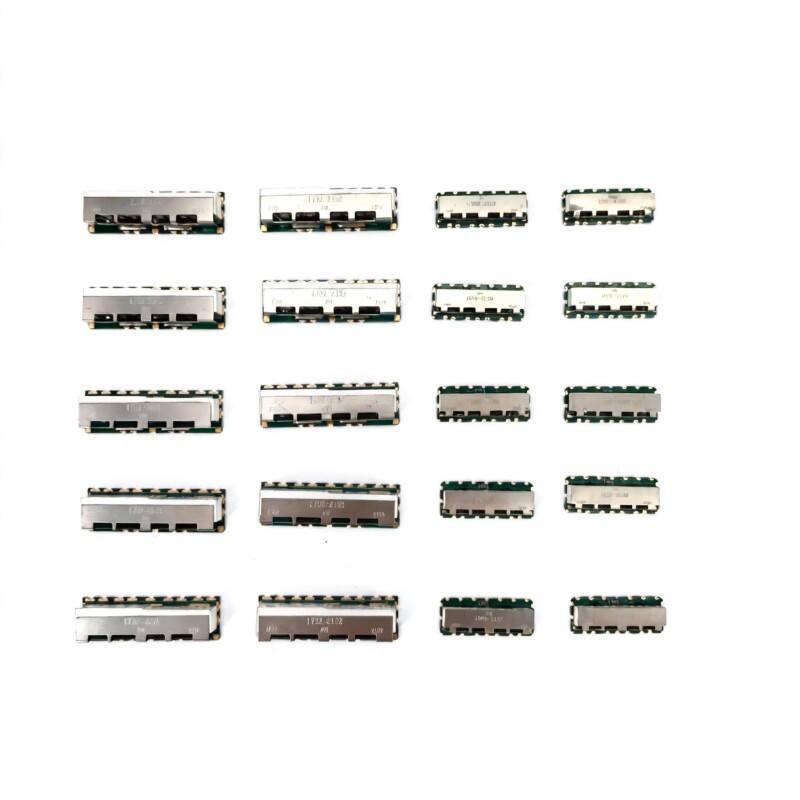
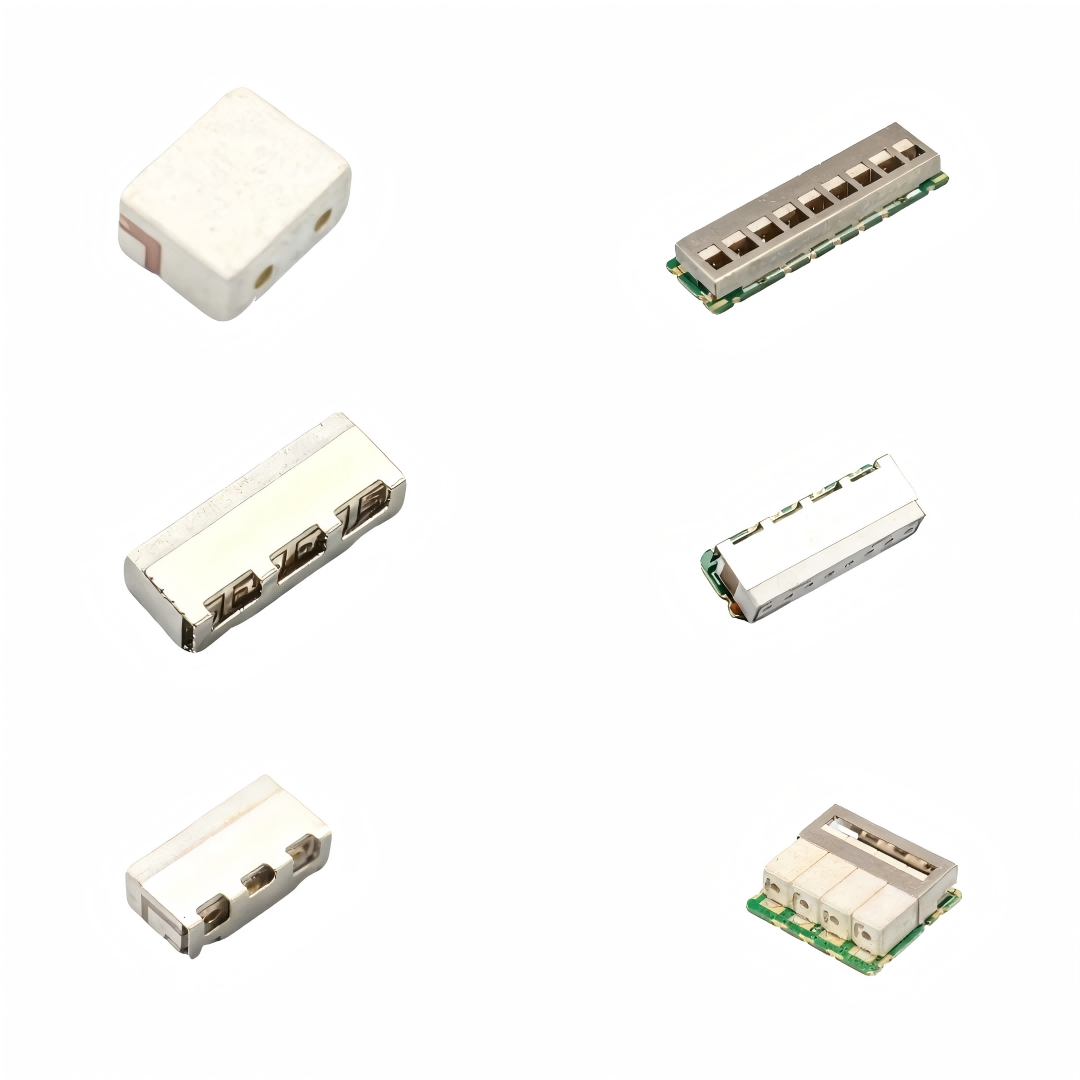
An LC high-pass filter is a fundamental electronic circuit that combines an inductor (L) and capacitor (C) to selectively allow signals above a specific frequency to pass while attenuating lower frequencies. This filter type operates based on the reactive properties of its components, where the inductor presents high impedance to high-frequency signals while the capacitor blocks DC and low-frequency signals. The filter's cutoff frequency is determined by the values of both the inductor and capacitor, making it highly customizable for various applications. In practical implementations, LC high-pass filters are widely used in audio systems, radio frequency circuits, and signal processing applications. They excel in providing sharp frequency rolloff characteristics and maintaining signal integrity in the passband. The filter's response curve demonstrates excellent selectivity, offering minimal attenuation above the cutoff frequency while effectively blocking unwanted lower frequencies. Modern applications include telecommunications equipment, broadcast systems, and high-fidelity audio equipment, where clean signal separation is crucial for optimal performance. These filters are particularly valued for their passive nature, requiring no external power source to operate, which contributes to their reliability and efficiency in signal processing applications.



 EN
EN