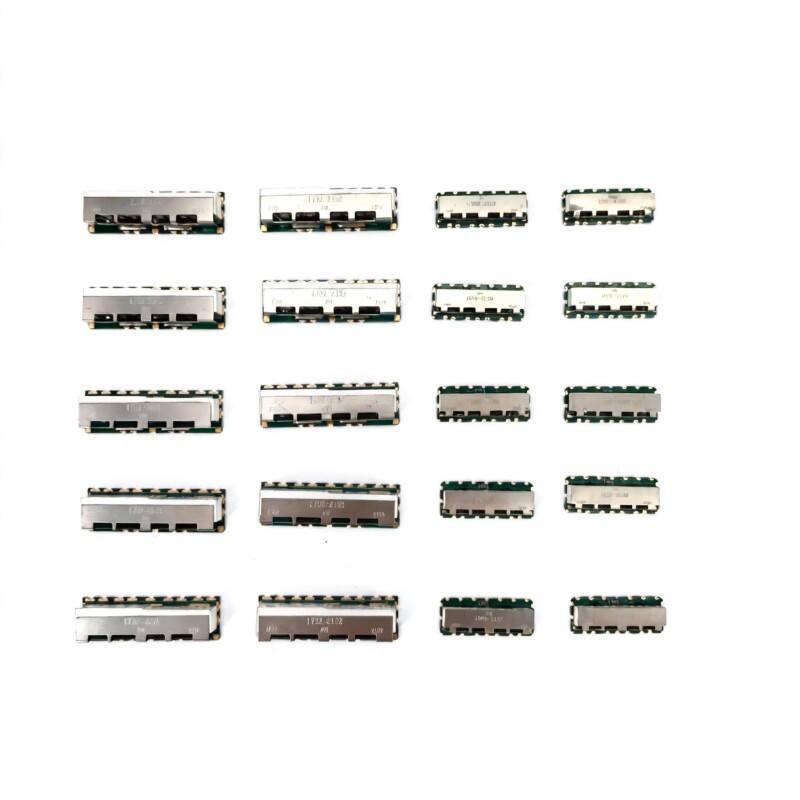
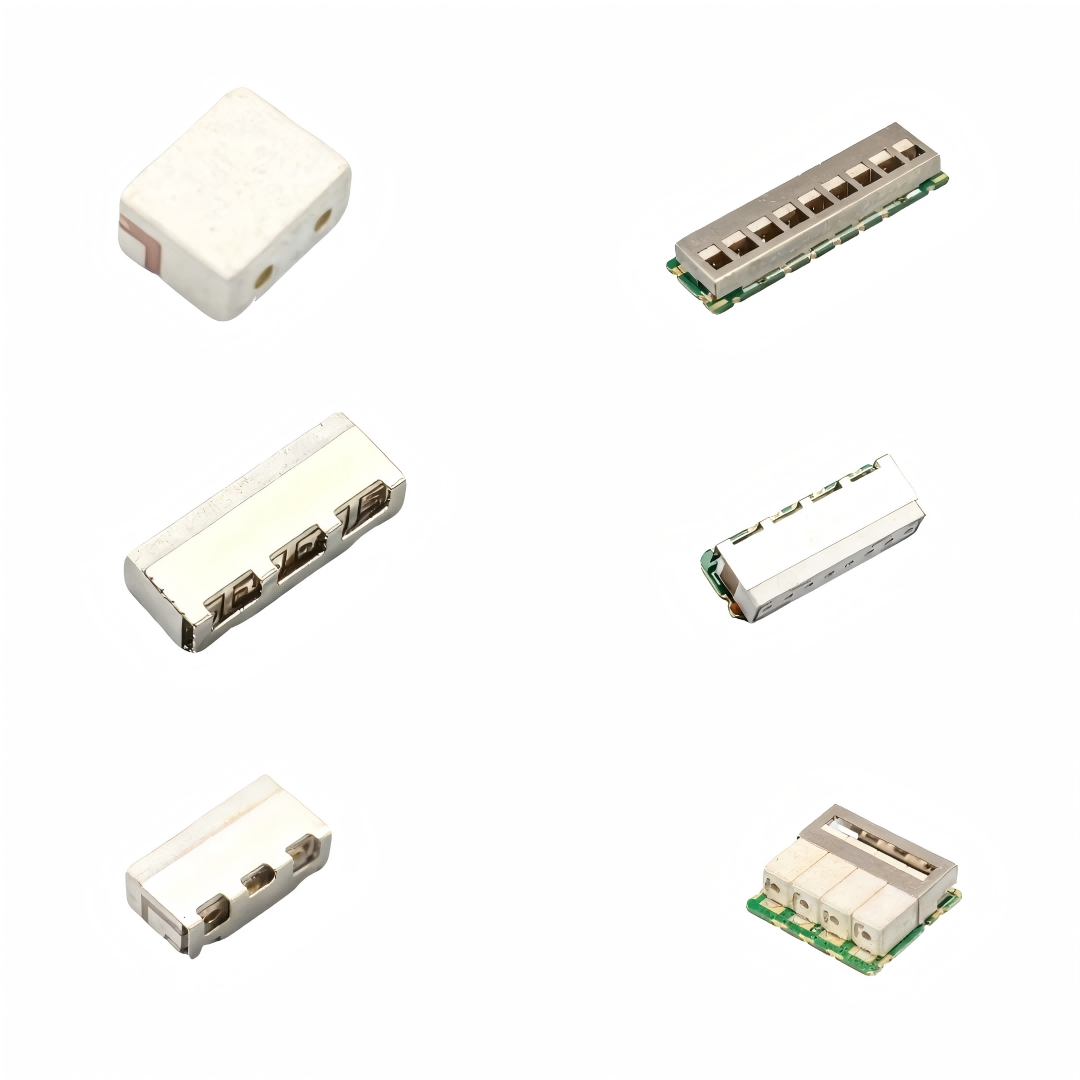
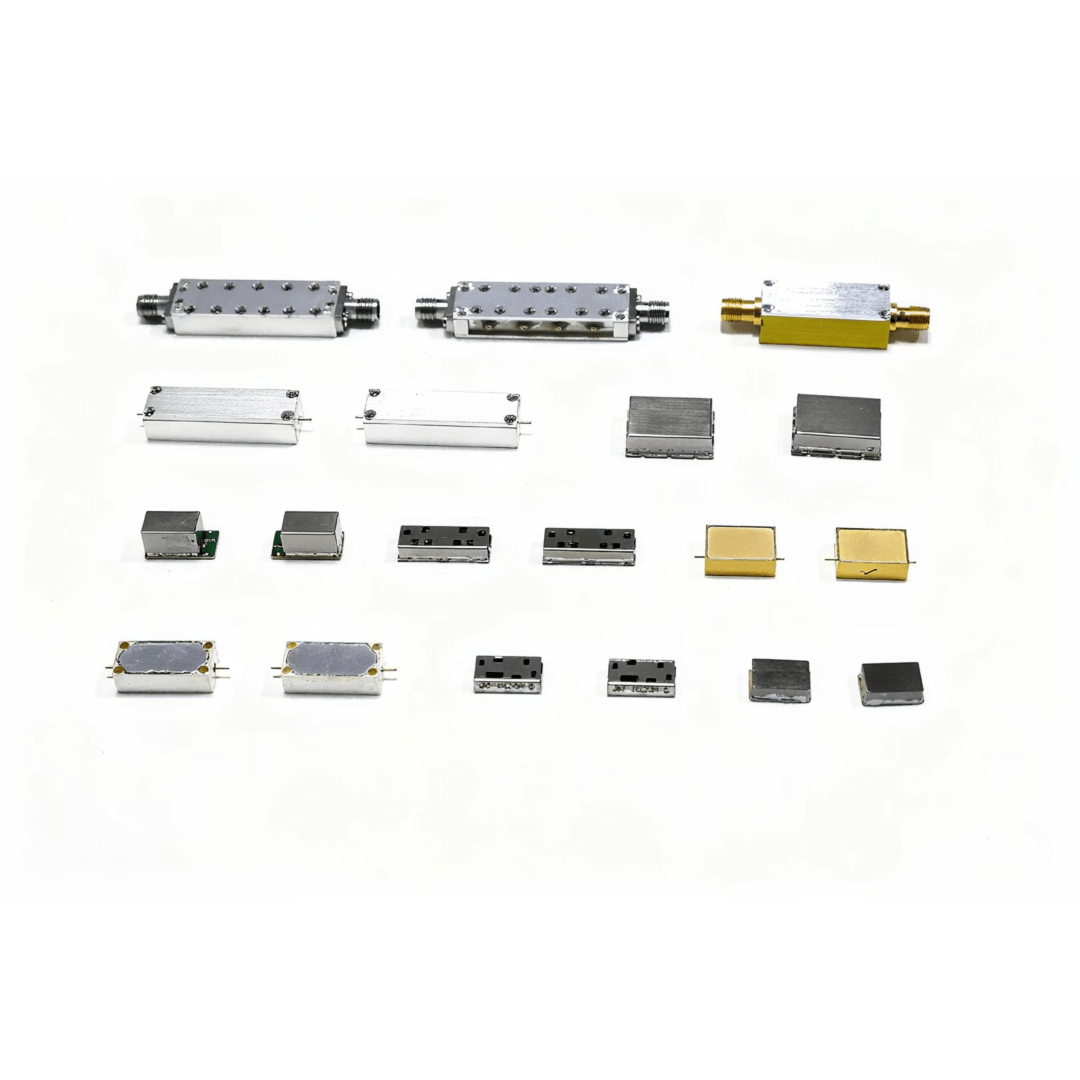
lc high-pass filter performance
The LC high-pass filter is a fundamental electronic circuit component that selectively allows signals above a specific cutoff frequency to pass while attenuating lower frequencies. This filter consists of an inductor (L) and capacitor (C) working in tandem to create frequency-dependent impedance characteristics. The filter's performance is characterized by its ability to effectively block DC signals and low-frequency components while providing a smooth transition to the passband region. In practical applications, the LC high-pass filter demonstrates exceptional frequency response with minimal signal distortion, making it ideal for various signal processing tasks. The filter's performance is determined by several key parameters, including cutoff frequency, roll-off rate, and quality factor. These parameters can be precisely tuned through component selection to meet specific application requirements. The filter exhibits a -20 dB/decade roll-off below the cutoff frequency, ensuring effective attenuation of unwanted low-frequency signals. Additionally, the LC high-pass filter performance benefits from passive component implementation, requiring no external power source and offering high reliability in operation. The filter finds extensive use in audio systems, communication equipment, and various electronic devices where low-frequency noise suppression and signal conditioning are essential.



 EN
EN