lc high-pass filter design
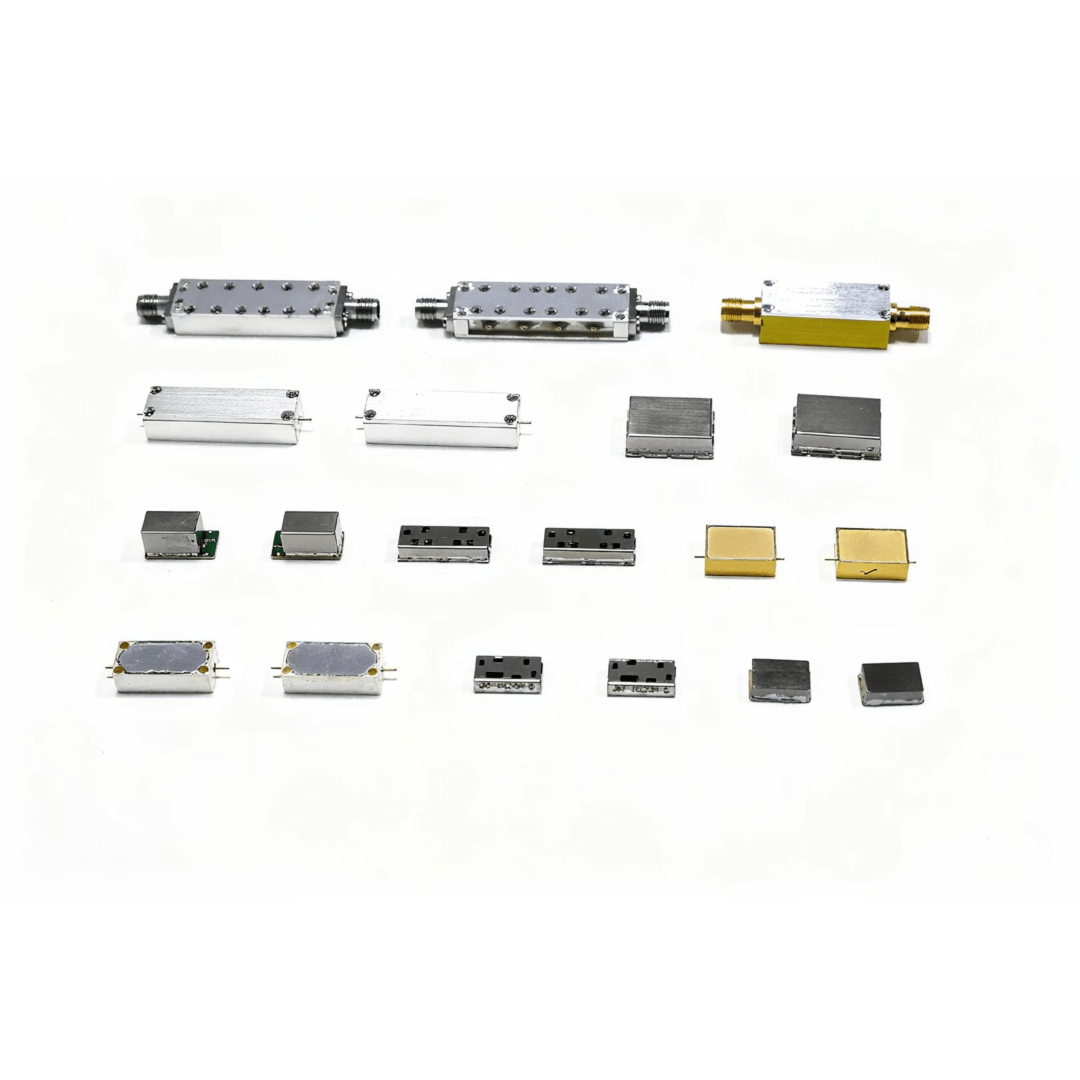
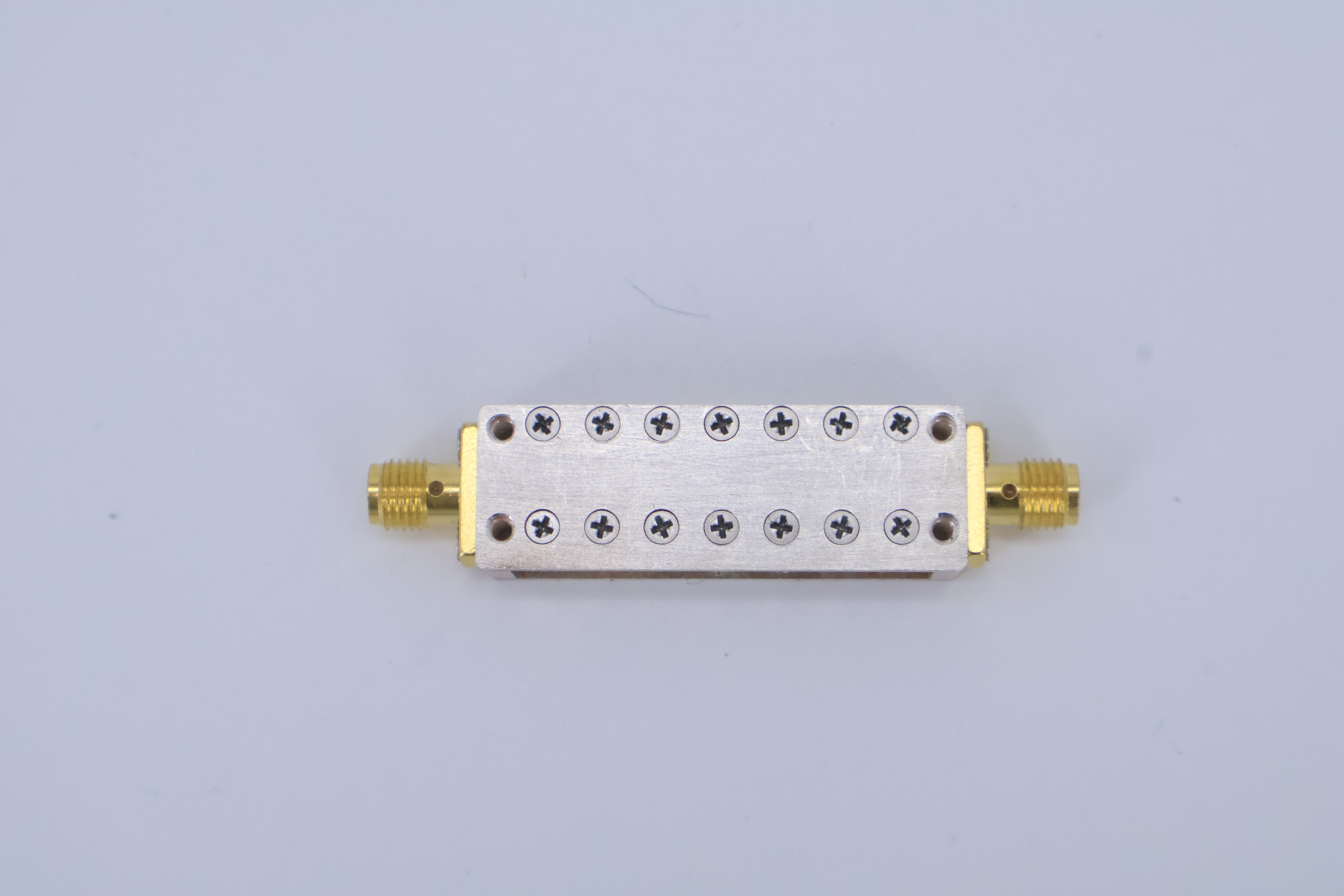
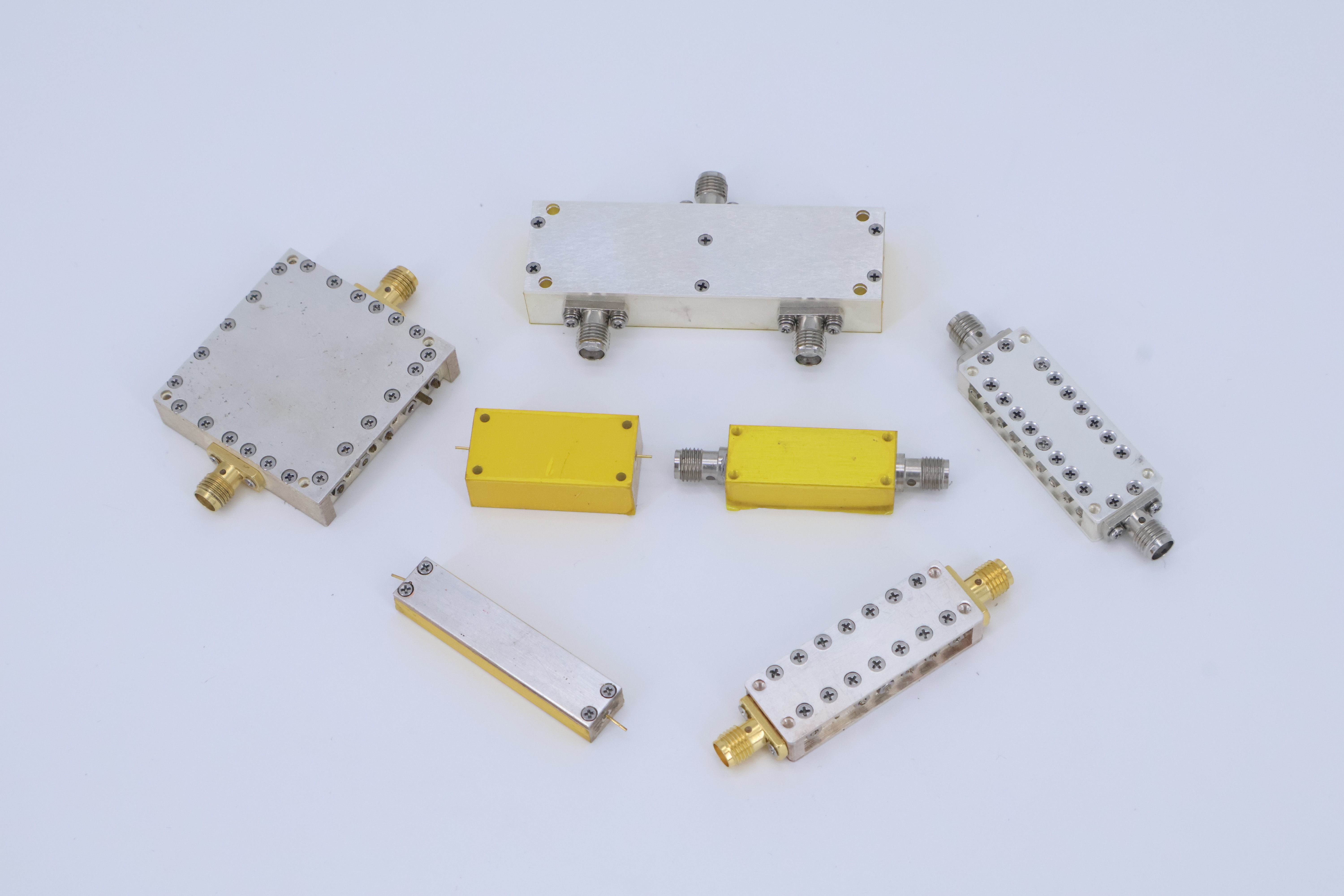
The LC high-pass filter design represents a fundamental electronic circuit configuration that effectively removes low-frequency signals while allowing higher frequencies to pass through. This passive filter combines an inductor (L) and capacitor (C) in a specific arrangement to achieve frequency selectivity. At its core, the LC high-pass filter operates by creating a frequency-dependent voltage divider, where the reactance of both components varies with frequency. The filter's cutoff frequency, determined by the values of L and C, marks the point where signal attenuation begins. In practical applications, these filters demonstrate excellent performance in signal processing, offering minimal insertion loss above the cutoff frequency and sharp roll-off characteristics. The design's passive nature eliminates the need for external power sources, making it highly reliable and cost-effective. Engineers commonly implement LC high-pass filters in telecommunications systems, audio equipment, and radio frequency applications, where they excel at eliminating unwanted low-frequency interference while preserving desired high-frequency signals. The filter's ability to maintain signal integrity and provide consistent performance across varying environmental conditions makes it an essential component in modern electronic systems.



 EN
EN