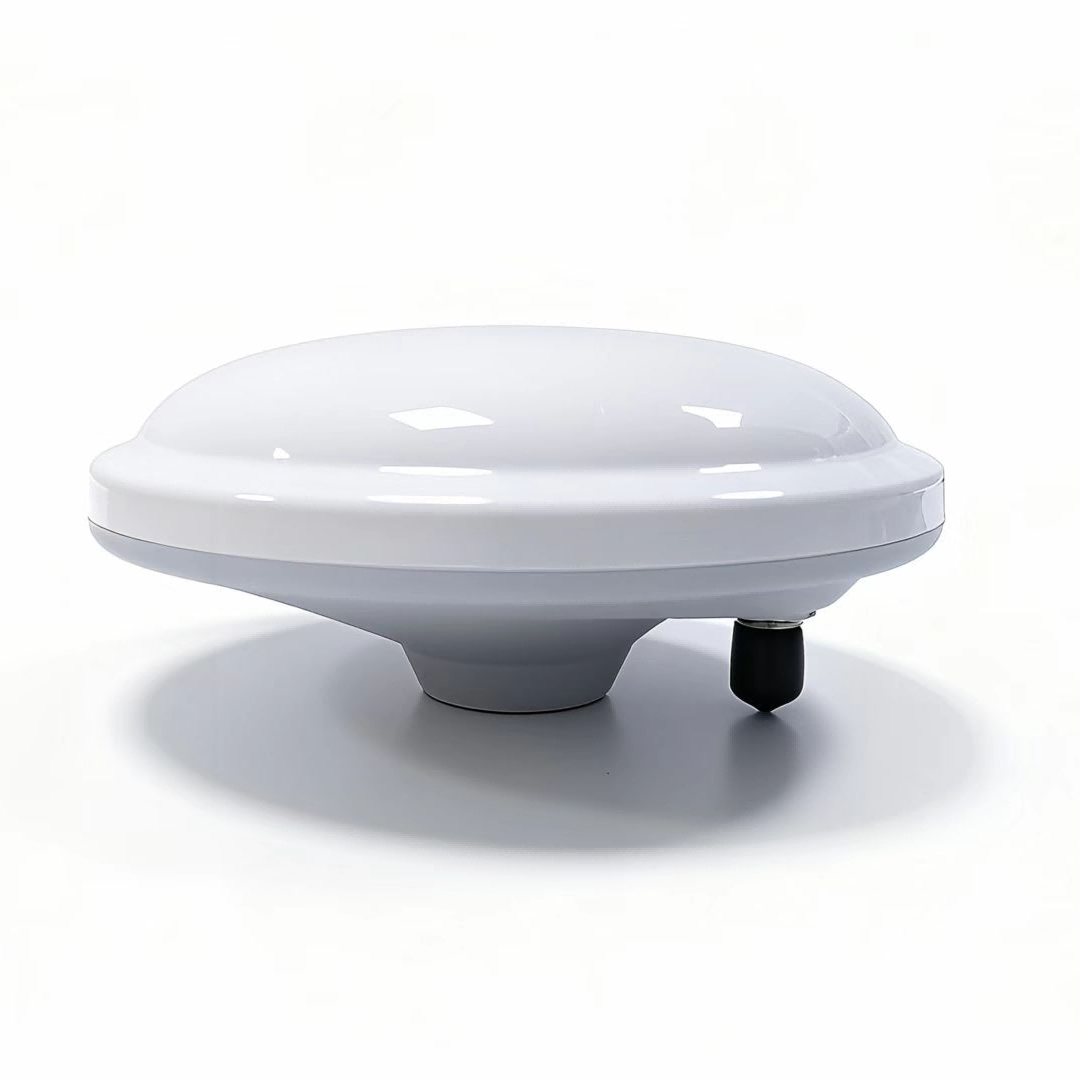
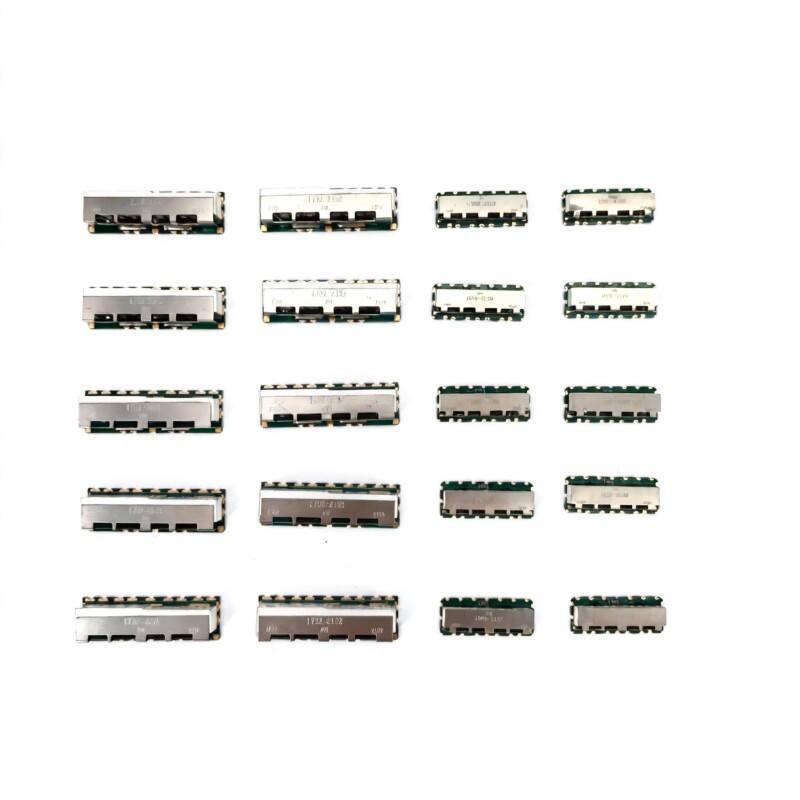
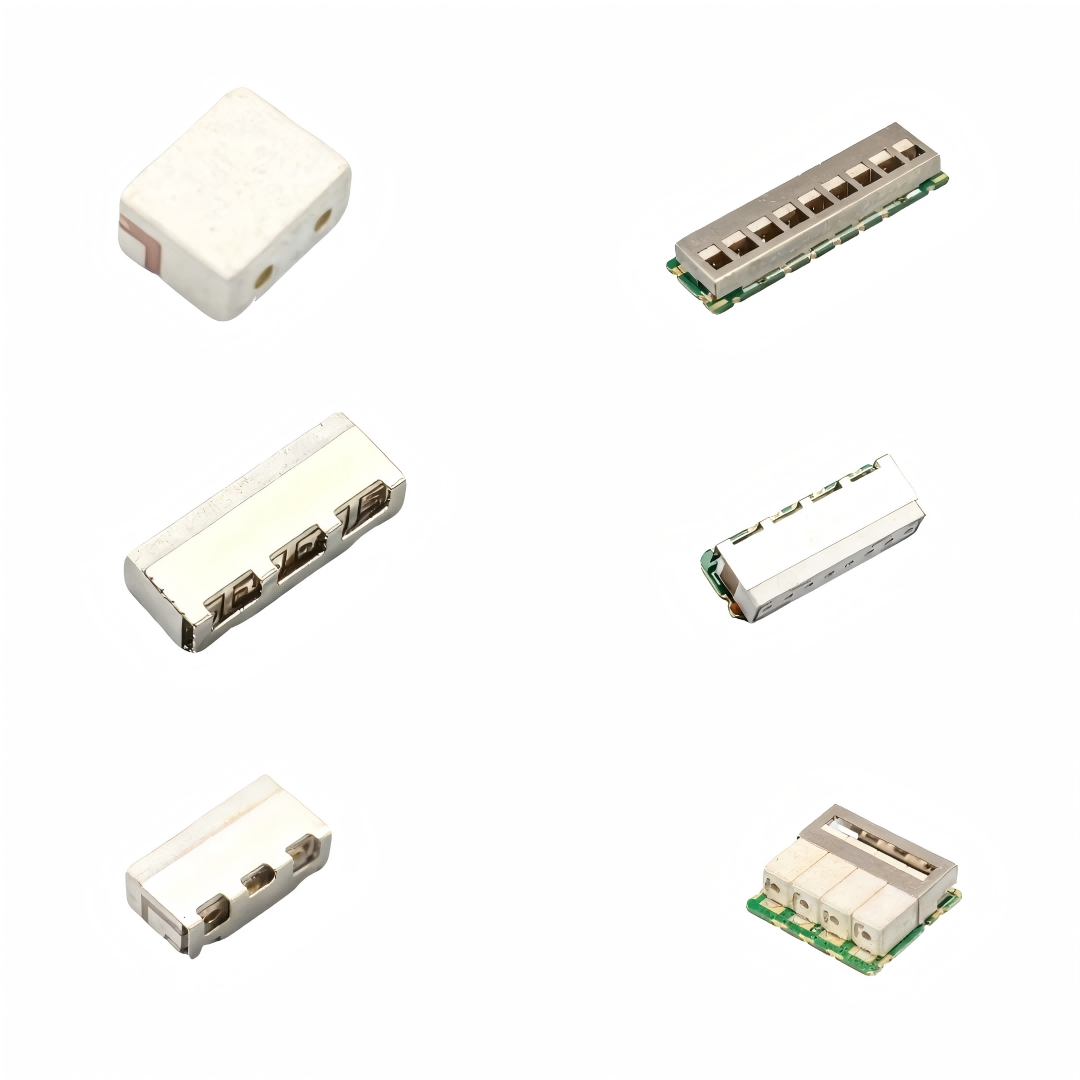
lc band-stop filter
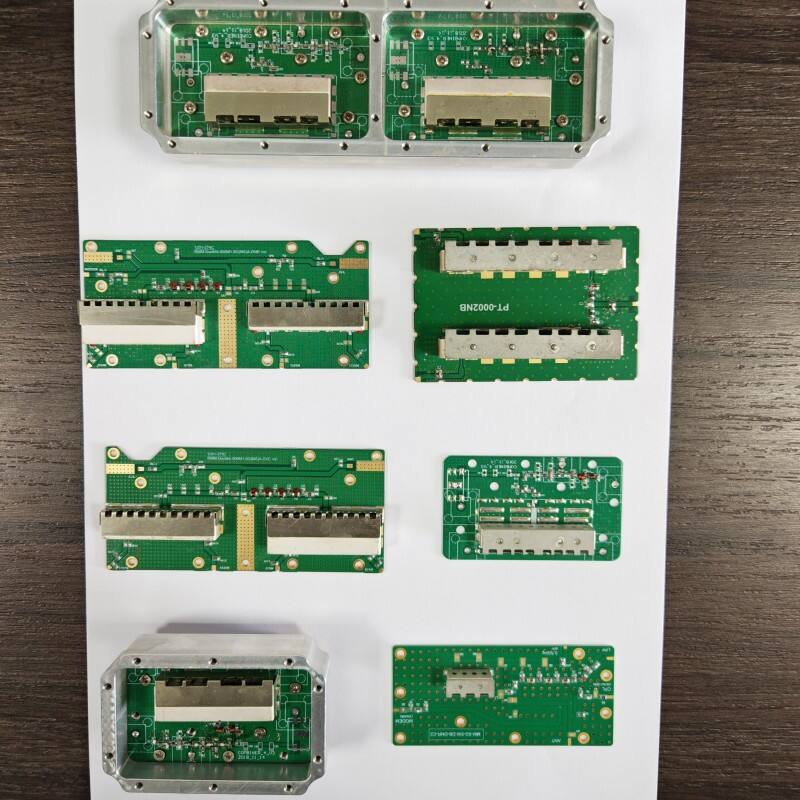
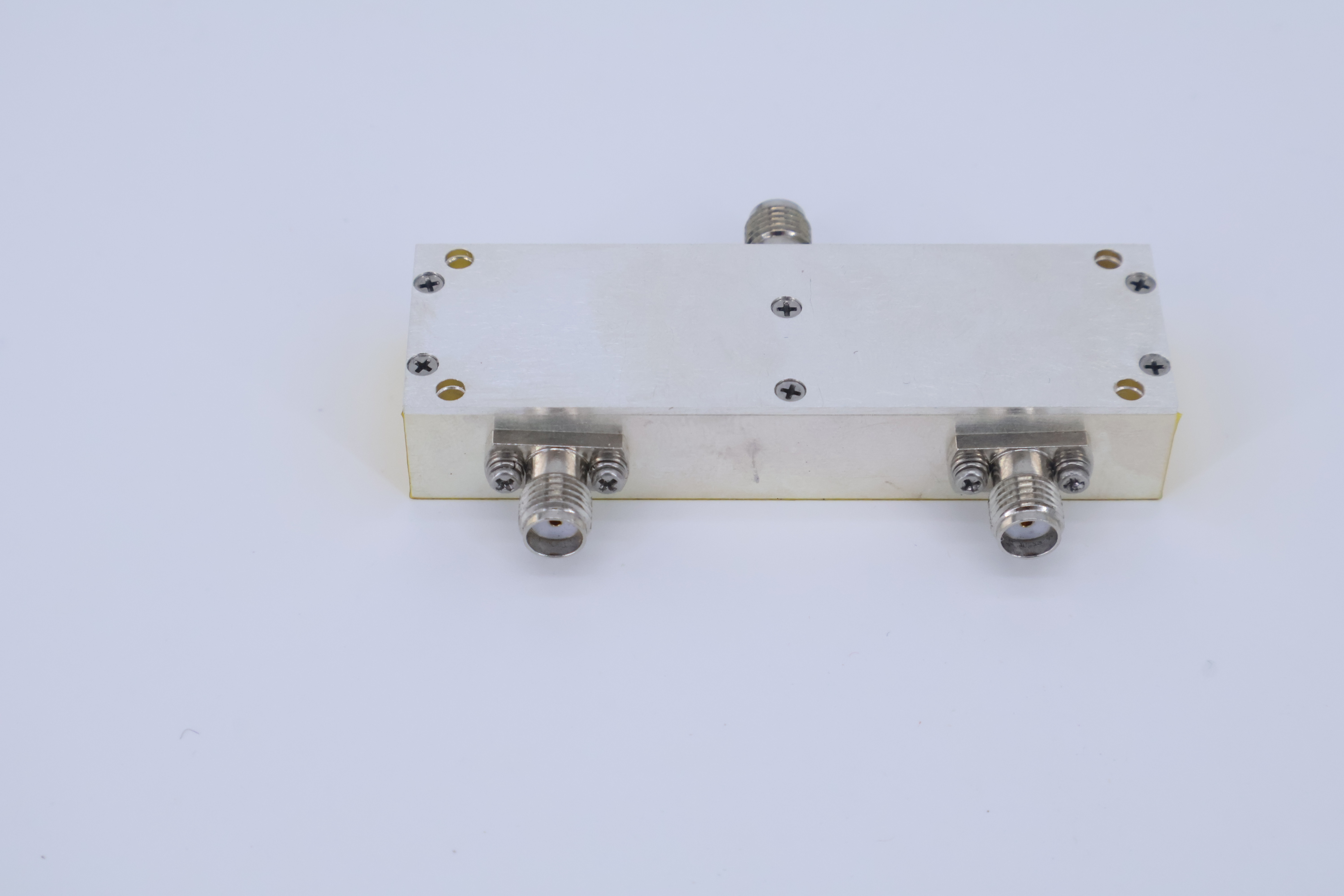
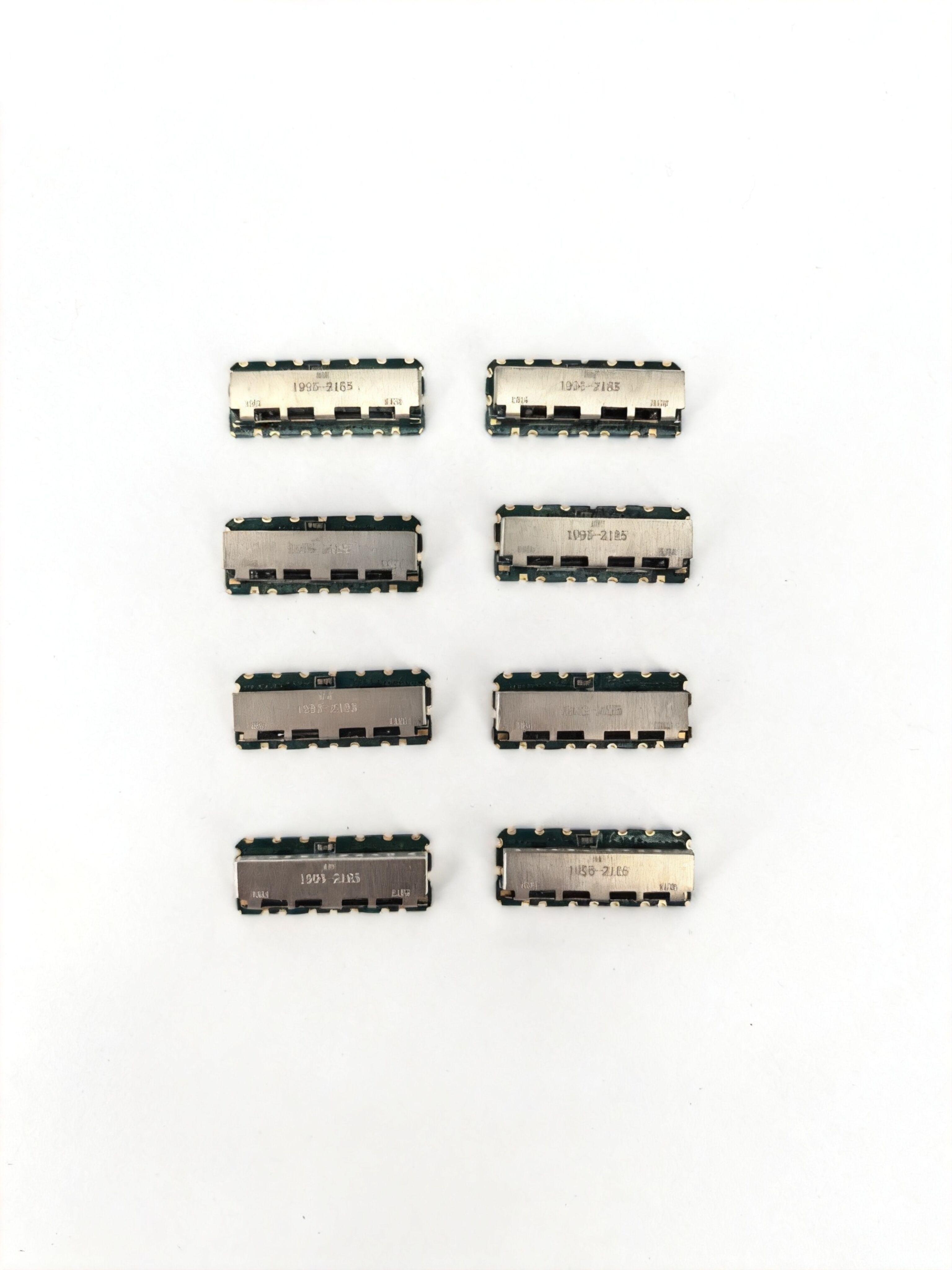
The LC band-stop filter, also known as a notch filter, is a sophisticated electronic circuit designed to attenuate or reject specific frequency bands while allowing other frequencies to pass through unaffected. This filter combines inductors (L) and capacitors (C) in a precise configuration to create a high impedance path at the target frequency range. The fundamental operation relies on the resonant properties of LC circuits, where the filter exhibits maximum attenuation at its resonant frequency. The design typically incorporates parallel LC circuits connected in series with the signal path, creating a characteristic notch in the frequency response curve. Modern LC band-stop filters offer exceptional precision in frequency selection, with quality factors that can exceed 100, enabling highly selective frequency rejection. These filters find extensive applications in telecommunications, audio processing, and signal conditioning systems. They excel in eliminating unwanted interference, such as power line hum or specific noise frequencies, while maintaining the integrity of desired signals. The implementation can be scaled from simple single-notch designs to complex multiple-notch configurations, providing flexibility for various applications. The passive nature of LC band-stop filters ensures reliable operation without external power requirements, making them ideal for critical signal processing applications where signal purity is paramount.



 EN
EN