lc low pass filter
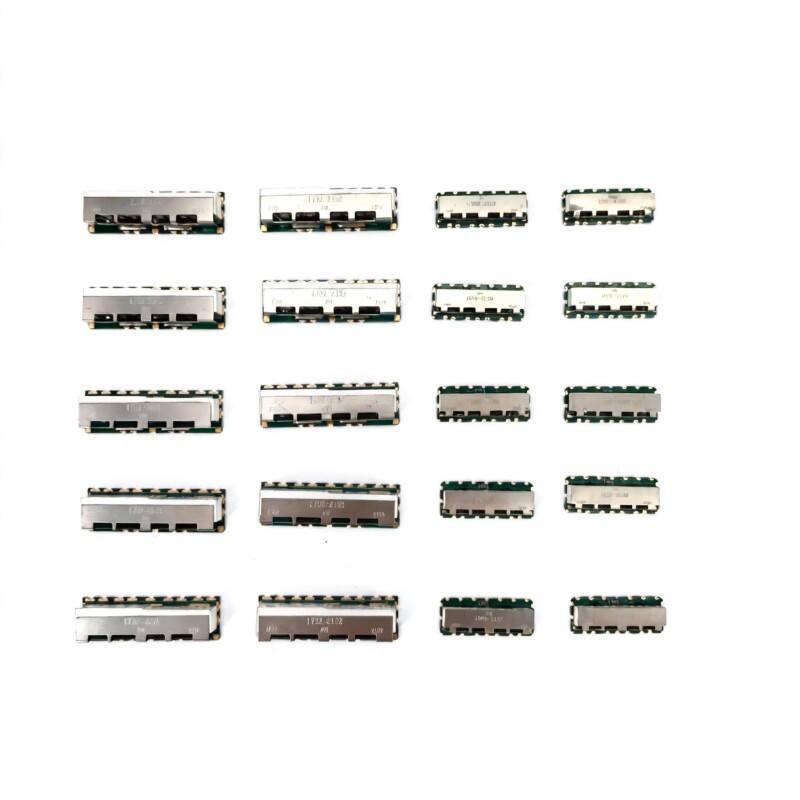
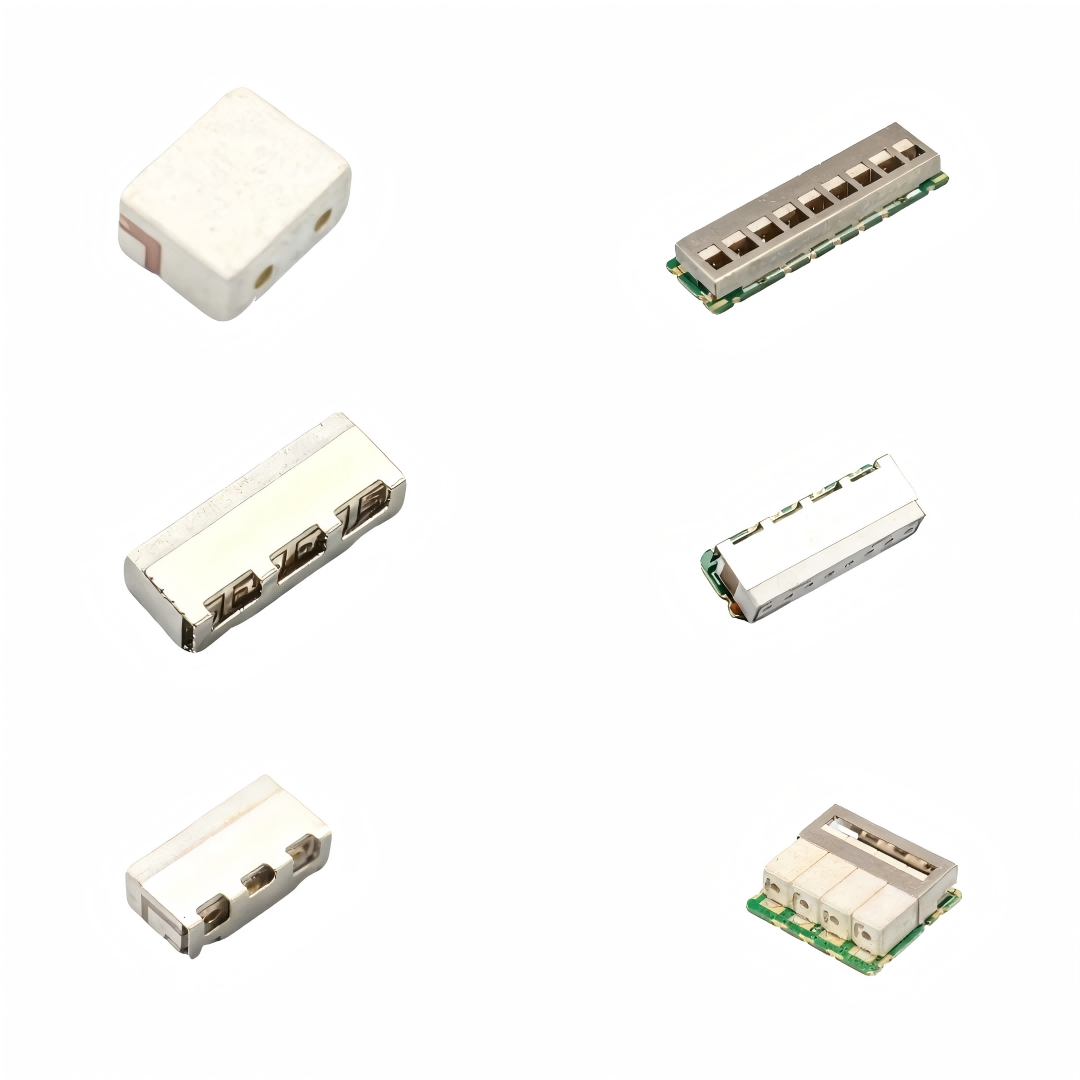
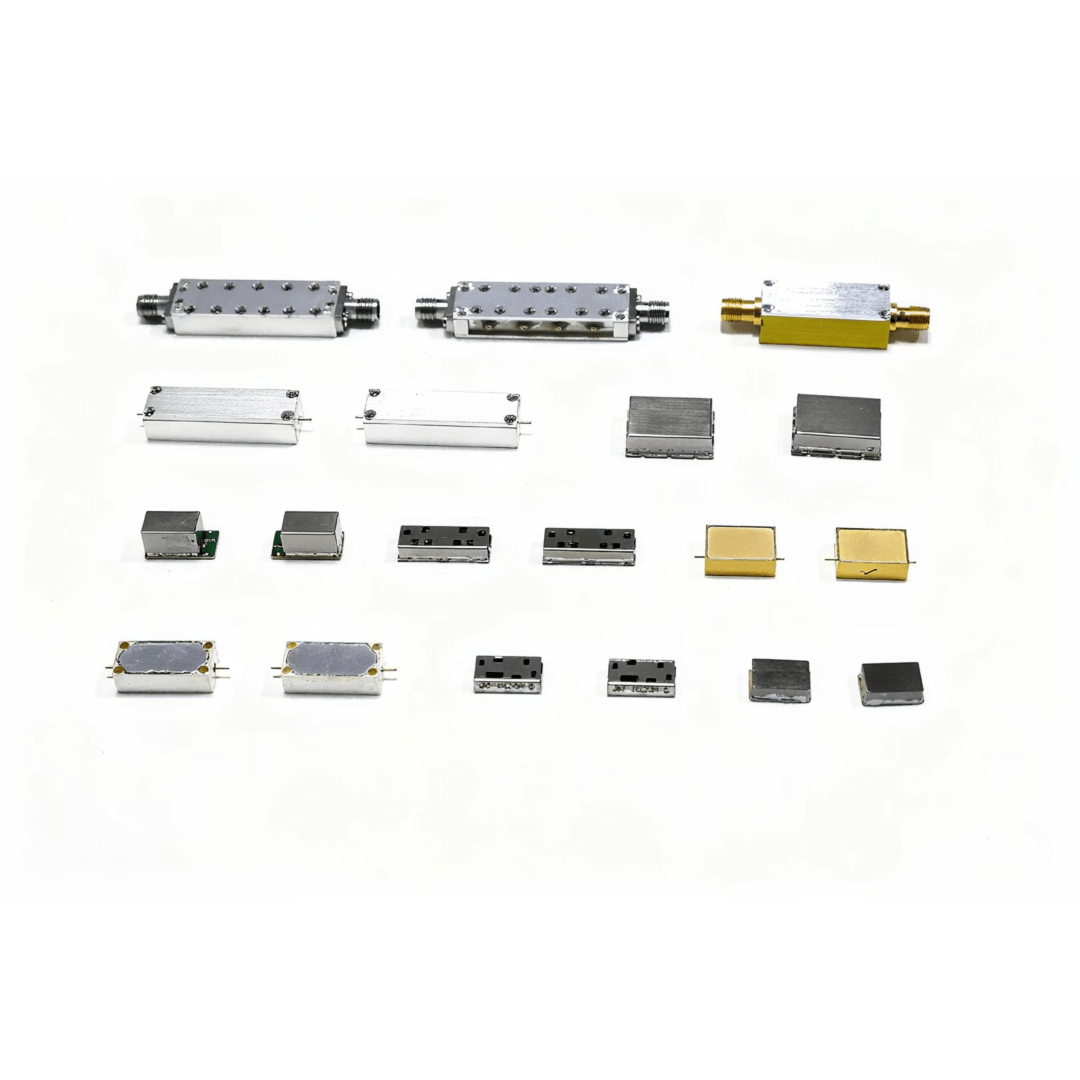
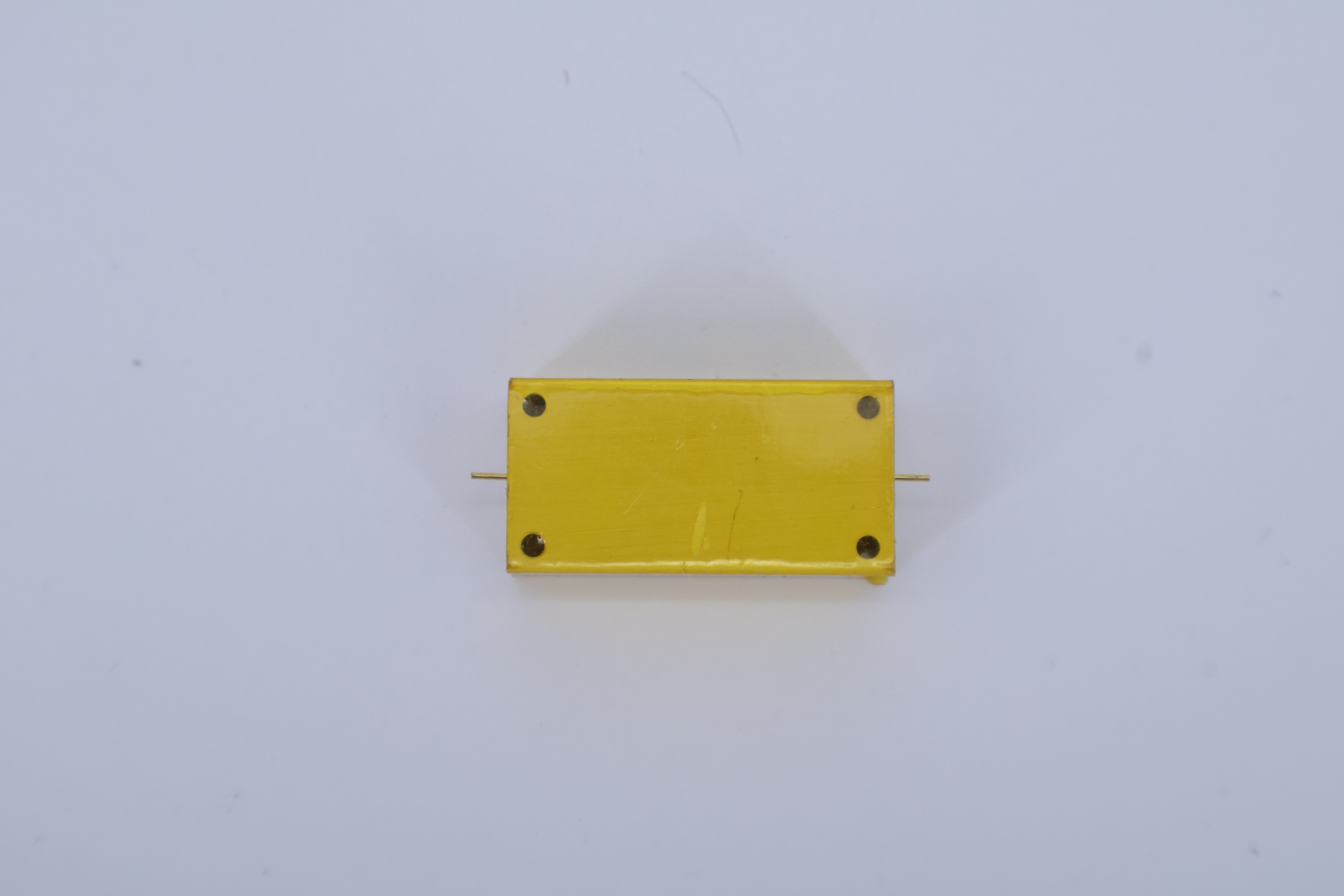
An LC low pass filter is a fundamental electronic circuit component that combines an inductor (L) and capacitor (C) to effectively remove high-frequency signals while allowing lower frequencies to pass through. This passive filter circuit works by creating a frequency-dependent voltage divider that attenuates signals above a specific cutoff frequency. The inductor, which resists changes in current, works in harmony with the capacitor, which resists changes in voltage, to create a precise filtering action. When signals enter the filter, the inductor impedes high-frequency components while the capacitor provides a low-impedance path to ground for these frequencies. At lower frequencies, the inductor presents minimal impedance while the capacitor maintains high impedance, allowing these signals to pass through relatively unchanged. The filter's response characteristics are determined by the values of the inductor and capacitor, which together establish the cutoff frequency and roll-off rate. Applications of LC low pass filters are widespread, ranging from audio systems and radio frequency circuits to power supplies and signal processing equipment. They are particularly valuable in scenarios requiring clean power delivery, signal conditioning, and harmonic suppression.



 EN
EN