lc filter design
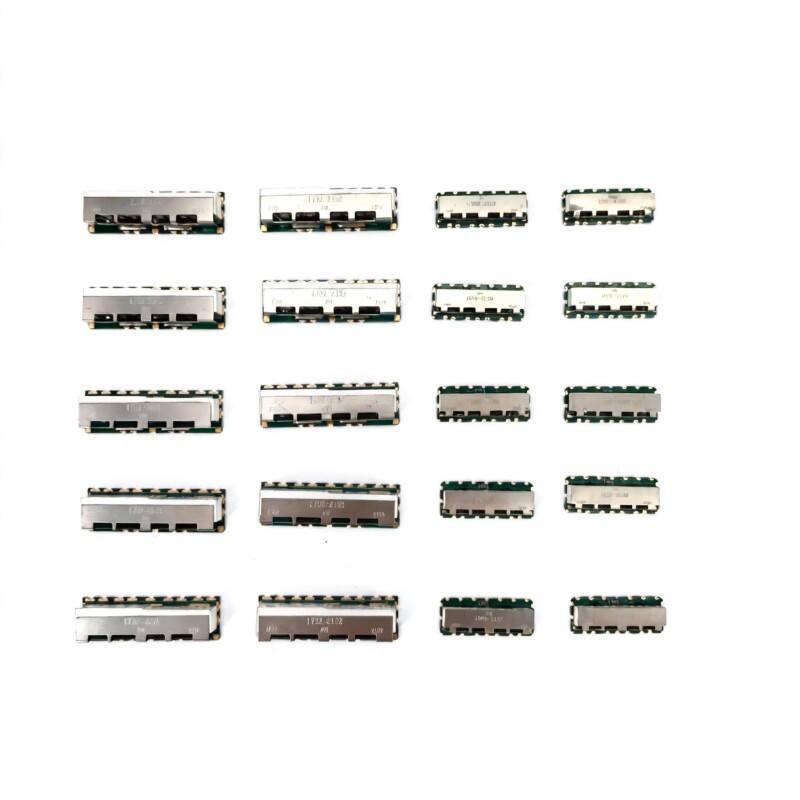
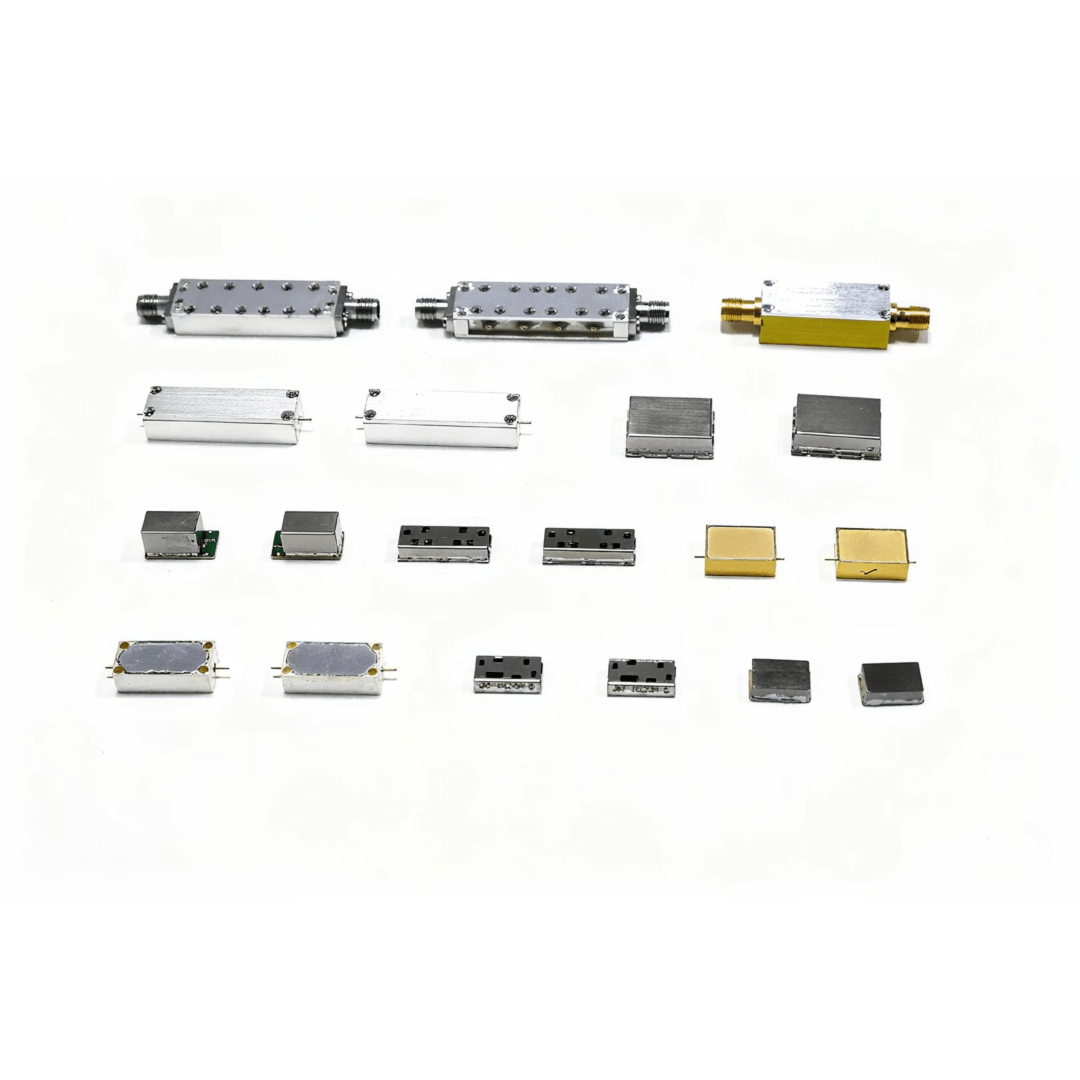
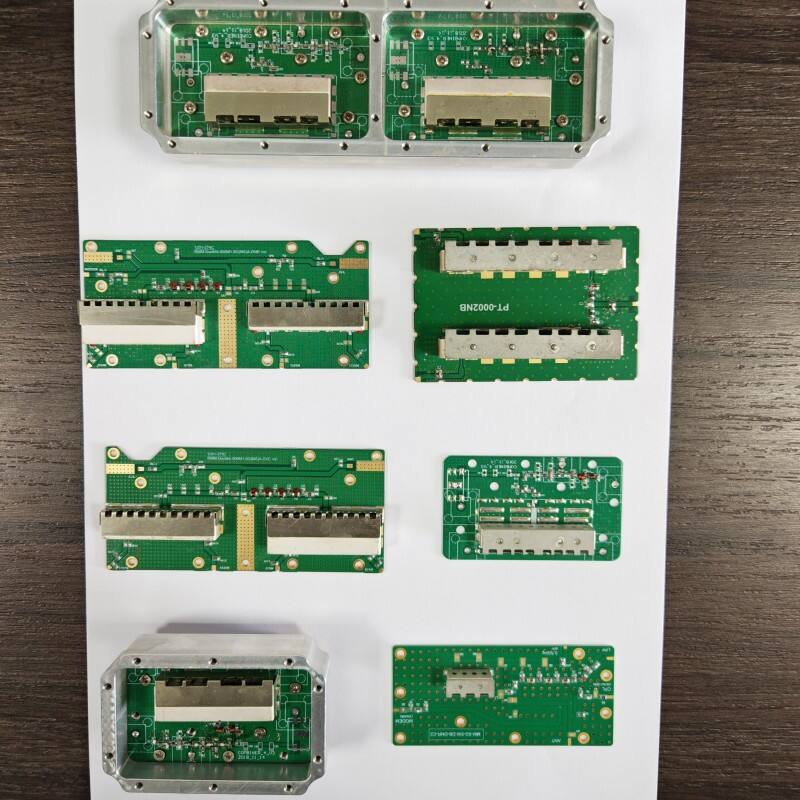
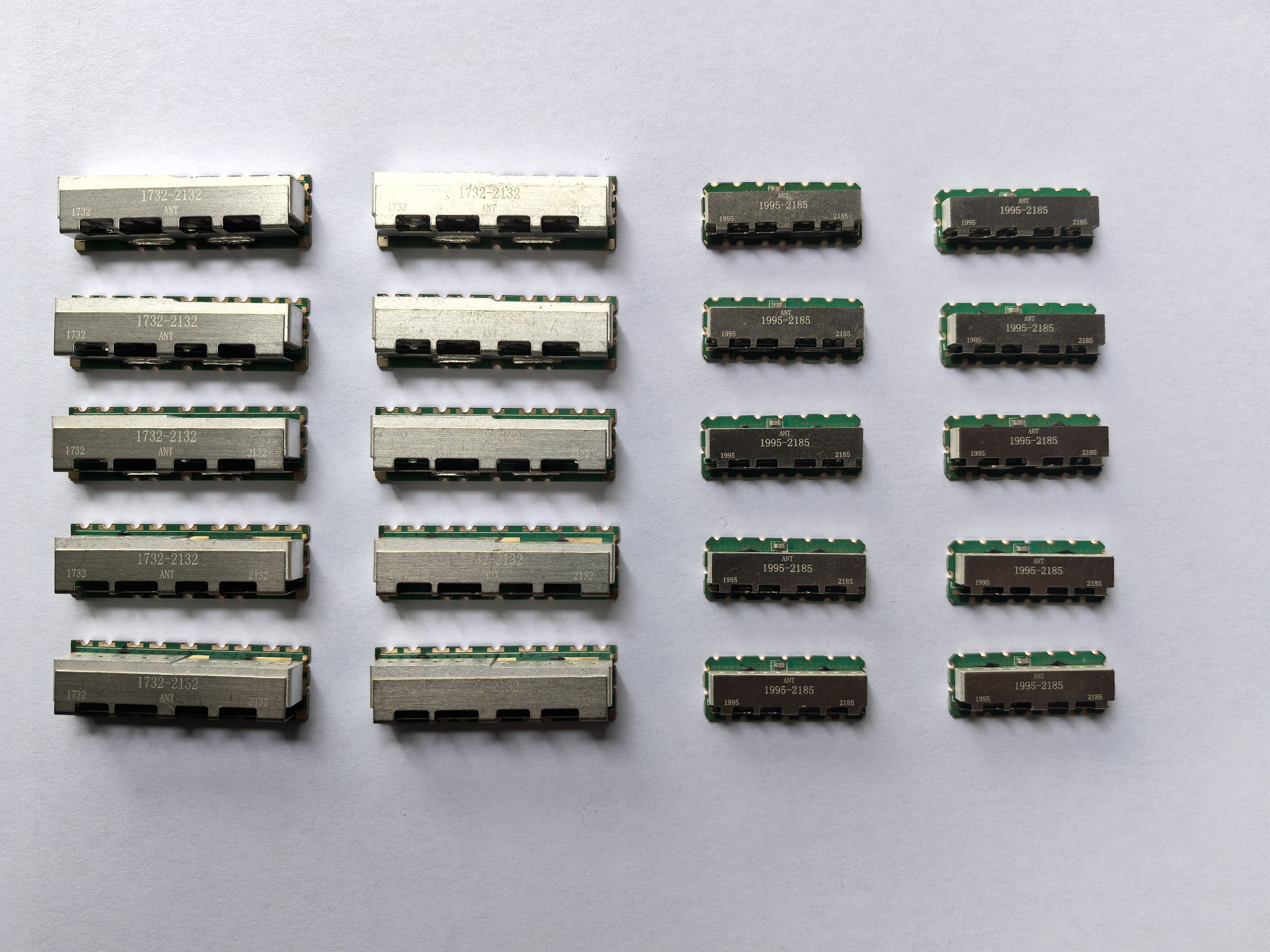
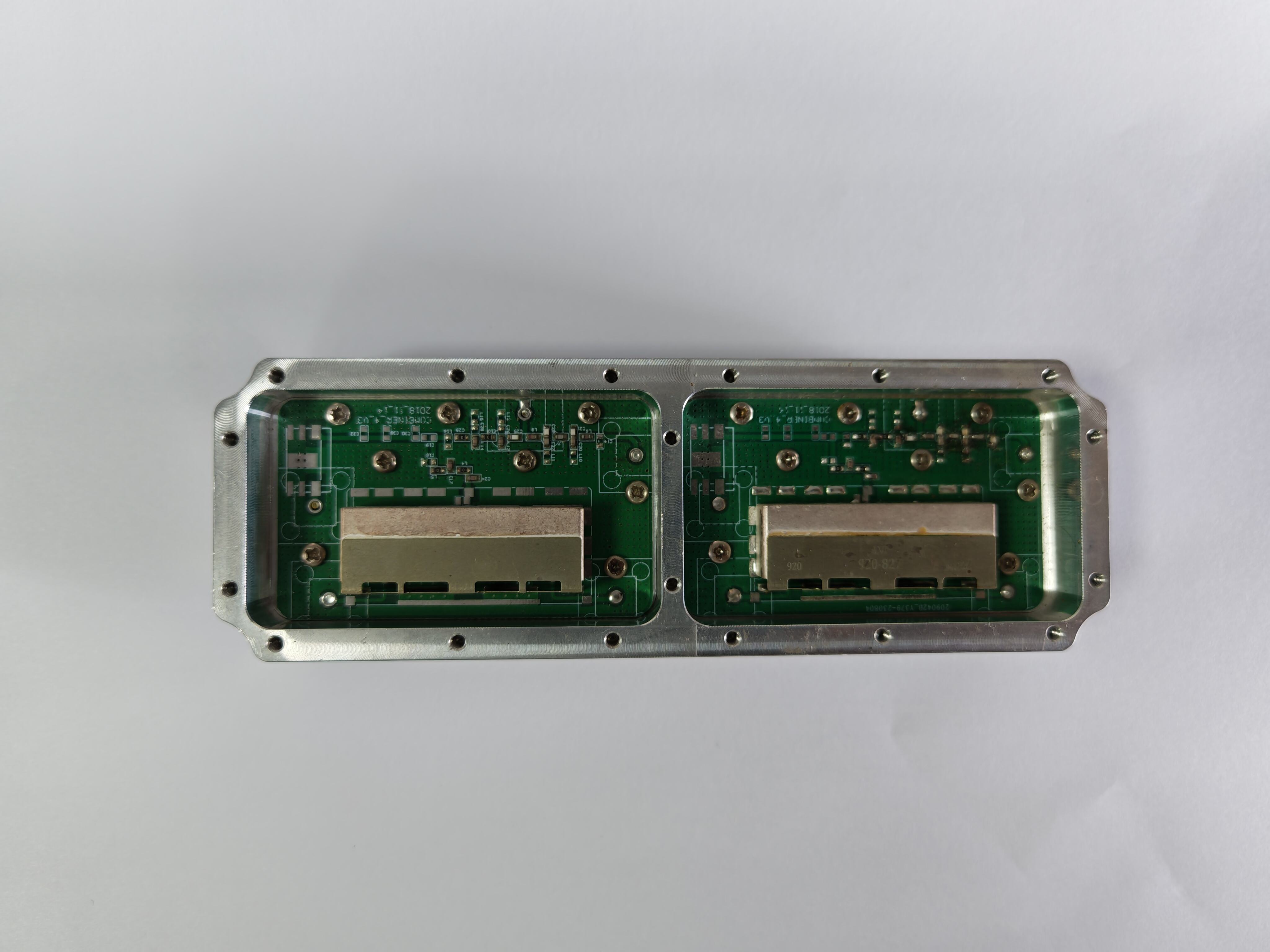
LC filter design represents a fundamental approach in electronic circuit engineering, combining inductors (L) and capacitors (C) to create efficient filtering solutions. These passive electronic components work together to effectively remove unwanted frequency components from electrical signals while allowing desired frequencies to pass through. The basic principle involves the interaction between inductors, which store energy in magnetic fields, and capacitors, which store energy in electric fields. This combination creates frequency-dependent behavior that can be precisely engineered for specific applications. LC filters are widely implemented in various electronic devices, from simple audio equipment to complex communication systems. They excel in applications requiring high power handling capability, as they operate without additional power sources. Common configurations include low-pass, high-pass, band-pass, and band-stop filters, each serving different filtering needs. The design process involves careful calculation of component values to achieve desired cutoff frequencies and response characteristics. Modern LC filter designs often incorporate advanced materials and manufacturing techniques to minimize losses and optimize performance across various operating conditions.



 EN
EN