
 EN
EN
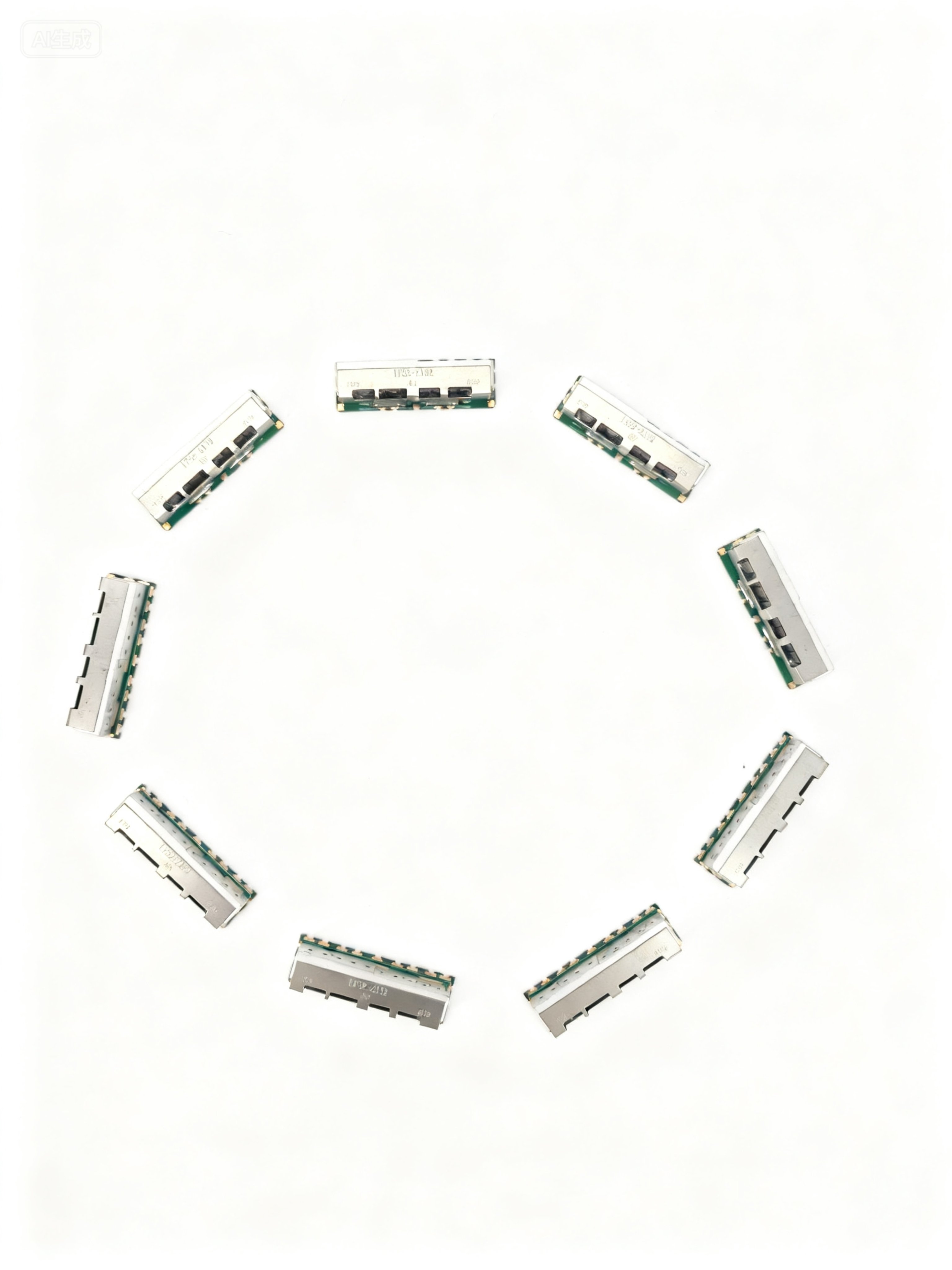
The modern telecommunications landscape demands precise signal management solutions that can handle complex frequency requirements with exceptional performance. A microwave dielectric ceramic duplexer represents one of the most advanced filtering technologies available today, offering superior isolation, low insertion loss, and compact design characteristics that meet the rigorous demands of contemporary wireless communication systems. These sophisticated components enable simultaneous transmission and reception operations while maintaining signal integrity across multiple frequency bands.

Modern wireless infrastructure relies heavily on efficient frequency separation techniques to maximize spectrum utilization and minimize interference. The microwave dielectric ceramic duplexer serves as a critical component in base stations, repeaters, and distributed antenna systems where multiple signals must coexist without degrading system performance. Understanding the technical specifications and operational characteristics of these devices becomes essential for engineers and procurement specialists working in telecommunications, aerospace, and defense applications.
Industry trends toward higher frequency bands, increased data throughput requirements, and miniaturization demands have elevated the importance of advanced filtering solutions. The ceramic dielectric technology offers unique advantages in terms of temperature stability, power handling capability, and manufacturing consistency that make it particularly suitable for mission-critical applications. Organizations investing in next-generation communication infrastructure must carefully evaluate the performance parameters and integration requirements of these sophisticated filtering components.
Technical Specifications and Performance Characteristics
Frequency Response and Bandwidth Control
The frequency response characteristics of a microwave dielectric ceramic duplexer determine its effectiveness in separating transmit and receive signals while maintaining optimal system performance. Modern ceramic duplexers typically operate across frequency ranges from 800 MHz to 6 GHz, with customizable bandwidth configurations that can be tailored to specific application requirements. The precise frequency control achieved through ceramic resonator technology enables sharp filter roll-off characteristics that maximize isolation between adjacent channels.
Insertion loss performance represents another critical specification that directly impacts overall system efficiency. High-quality microwave dielectric ceramic duplexer units typically exhibit insertion losses below 2 dB across their operating bandwidth, with some advanced designs achieving losses as low as 0.8 dB. This exceptional performance translates to improved signal strength, enhanced receiver sensitivity, and reduced power consumption in transmitter circuits.
Temperature stability characteristics ensure consistent performance across varying environmental conditions. Ceramic dielectric materials demonstrate superior temperature coefficient properties compared to traditional metallic cavity filters, maintaining frequency stability within ±10 ppm across temperature ranges from -40°C to +85°C. This stability proves crucial for outdoor installations and mobile applications where environmental conditions fluctuate significantly.
Isolation and Power Handling Capabilities
Isolation performance between transmit and receive ports determines the effectiveness of a microwave dielectric ceramic duplexer in preventing signal leakage and maintaining channel integrity. Modern ceramic duplexers achieve isolation levels exceeding 60 dB between TX and RX paths, with some specialized designs reaching 80 dB or higher. This exceptional isolation enables simultaneous operation of high-power transmitters and sensitive receivers without performance degradation.
Power handling capacity varies depending on specific design requirements and application constraints. Standard microwave dielectric ceramic duplexer configurations can handle continuous power levels from 10 watts to 200 watts, with peak power capabilities reaching several kilowatts for short-duration pulses. The ceramic material's inherent thermal properties and low-loss characteristics contribute to efficient heat dissipation and reliable operation under high-power conditions.
Return loss specifications indicate how effectively the duplexer matches the impedance of connected transmission lines and equipment. Quality ceramic duplexers typically exhibit return loss values better than 15 dB across their operating bandwidth, with premium designs achieving 20 dB or better. Proper impedance matching minimizes signal reflections, reduces standing wave ratios, and optimizes power transfer efficiency throughout the system.
Design Architecture and Construction Methods
Ceramic Resonator Technology
The core technology underlying microwave dielectric ceramic duplexer performance lies in the sophisticated ceramic resonator structures that provide precise frequency control and exceptional Q-factor characteristics. These resonators utilize high-dielectric-constant ceramic materials that enable compact physical dimensions while maintaining superior electrical performance. The manufacturing process involves carefully controlled sintering procedures that optimize the ceramic microstructure for consistent dielectric properties and low-loss operation.
Advanced ceramic formulations incorporate specialized additives that enhance temperature stability, reduce aging effects, and improve power handling capabilities. The dielectric constant values typically range from 20 to 100, depending on the specific application requirements and frequency band considerations. Higher dielectric constants enable more compact designs but may require careful optimization to maintain desired Q-factor performance and temperature stability characteristics.
Resonator coupling mechanisms control the bandwidth and filter response characteristics of the microwave dielectric ceramic duplexer. Electromagnetic coupling between adjacent resonators creates the desired filter transfer function, while mechanical tuning elements allow for precise frequency adjustment during manufacturing and field deployment. The coupling strength determines the filter bandwidth, with tighter coupling producing wider bandwidths and looser coupling resulting in narrower, higher-Q responses.
Packaging and Integration Considerations
The mechanical packaging of microwave dielectric ceramic duplexer assemblies must address multiple engineering challenges including electromagnetic shielding, thermal management, environmental protection, and mechanical stability. Modern designs utilize precision-machined aluminum or zinc-die-cast housings that provide excellent shielding effectiveness while maintaining cost-effective manufacturing processes. The housing design incorporates mounting features, connector interfaces, and tuning access points that facilitate system integration and field maintenance.
Connector selection and placement significantly impact overall system performance and installation convenience. Most microwave dielectric ceramic duplexer units feature standard coaxial connectors such as N-type, SMA, or specialized designs for specific applications. The connector positioning must minimize coupling between input and output ports while providing convenient access for cable connections and maintenance procedures.
Environmental sealing requirements vary depending on the intended application environment and protection standards. Outdoor installations typically require IP65 or higher protection ratings, necessitating specialized gaskets, cable entry systems, and corrosion-resistant materials. Indoor applications may utilize simplified packaging approaches that prioritize cost optimization while maintaining necessary performance specifications and electromagnetic compatibility requirements.
Application Areas and System Integration
Telecommunications Infrastructure Applications
Base station implementations represent the largest application segment for microwave dielectric ceramic duplexer technology, where these components enable efficient spectrum utilization in cellular networks. Modern 4G and 5G base stations require sophisticated filtering solutions that can handle multiple frequency bands simultaneously while maintaining strict isolation requirements between transmit and receive paths. The compact size and high performance of ceramic duplexers make them ideal for dense urban deployments where space constraints and interference concerns are paramount.
Distributed antenna systems utilize microwave dielectric ceramic duplexer components to manage signal distribution in large buildings, stadiums, and transportation hubs. These applications demand reliable performance across extended cable runs and multiple splitting stages, requiring low insertion loss and high isolation characteristics. The ceramic technology provides the necessary performance stability and power handling capability for these demanding installations.
Repeater stations and signal amplification systems benefit from the exceptional isolation performance of ceramic duplexers, which prevents oscillation and maintains stable operation in high-gain applications. The ability to separate transmit and receive signals with minimal loss enables efficient bidirectional amplification while preserving signal quality and preventing interference with adjacent channels or systems.
Defense and Aerospace Applications
Military communication systems require microwave dielectric ceramic duplexer components that can withstand harsh environmental conditions while maintaining reliable performance under combat conditions. The robust construction and temperature stability of ceramic technology make it well-suited for tactical radios, vehicle-mounted communication systems, and portable equipment used in field operations. These applications often require custom frequency bands and specialized packaging to meet military standards and security requirements.
Satellite communication systems utilize ceramic duplexers in ground terminals and mobile platforms where size, weight, and power constraints are critical design considerations. The high Q-factor and low loss characteristics of ceramic resonators enable efficient operation at microwave frequencies while minimizing power consumption and heat generation. Advanced designs incorporate tuning mechanisms that compensate for Doppler shifts and frequency variations encountered in mobile satellite applications.
Radar applications benefit from the wide instantaneous bandwidth and high power handling capabilities of microwave dielectric ceramic duplexer designs. These systems require components that can separate transmitted and received radar pulses with minimal distortion while maintaining stable performance across varying environmental conditions. The fast switching characteristics and low group delay variations of ceramic filters make them suitable for high-resolution radar applications and electronic warfare systems.
Selection Criteria and Procurement Considerations
Performance Parameter Evaluation
Selecting the appropriate microwave dielectric ceramic duplexer requires careful evaluation of multiple performance parameters that directly impact system operation and overall project success. Frequency specifications must align precisely with allocated spectrum assignments and regulatory requirements, while bandwidth characteristics should accommodate signal modulation formats and channel spacing requirements. Engineers must consider both current operational needs and future expansion possibilities when specifying frequency parameters.
Power handling requirements depend on transmitter output levels, safety margins, and operational duty cycles encountered in the specific application. The ceramic duplexer must handle both average and peak power levels without performance degradation or reliability concerns. Temperature derating factors should be applied based on the expected operating environment and available cooling provisions to ensure long-term reliability and performance stability.
Isolation specifications require careful analysis of system architecture and interference susceptibility requirements. Adjacent channel isolation, spurious response rejection, and intermodulation performance characteristics must be evaluated based on the specific signal environment and receiver sensitivity requirements. The microwave dielectric ceramic duplexer performance must provide adequate margins to accommodate component tolerances, aging effects, and operational variations.
Cost-Benefit Analysis and Lifecycle Considerations
Initial procurement costs for microwave dielectric ceramic duplexer components must be evaluated within the context of total system lifecycle expenses and performance benefits. While ceramic technology may require higher initial investment compared to alternative filtering approaches, the superior performance, reliability, and compact size often result in lower total cost of ownership through reduced installation expenses, maintenance requirements, and system downtime.
Manufacturing lead times and availability considerations become critical factors in project planning and procurement scheduling. Custom frequency configurations and specialized packaging requirements may extend delivery schedules, necessitating early supplier engagement and careful coordination with overall project timelines. Standard frequency band options typically offer shorter lead times and lower costs for applications that can accommodate existing product configurations.
Technical support and customization capabilities vary significantly among suppliers, with some manufacturers offering comprehensive design assistance, custom engineering services, and ongoing technical support throughout the product lifecycle. These services can provide significant value for complex applications or organizations with limited internal RF expertise, justifying premium pricing for enhanced supplier relationships and comprehensive support packages.
Installation and Maintenance Best Practices
Proper Installation Procedures
Successful installation of microwave dielectric ceramic duplexer components requires attention to multiple technical details that affect both immediate performance and long-term reliability. Mounting orientation must follow manufacturer specifications to ensure proper heat dissipation and mechanical stability, while connector torque specifications prevent damage to delicate ceramic structures and maintain reliable electrical connections. Proper grounding techniques minimize electromagnetic interference and ensure effective shielding performance.
Cable routing and connector management significantly impact overall system performance and maintenance accessibility. High-quality coaxial cables with appropriate impedance characteristics and loss specifications should be used to maintain signal integrity between the microwave dielectric ceramic duplexer and connected equipment. Proper cable strain relief prevents mechanical stress on connectors and maintains long-term connection reliability under thermal cycling and vibration conditions.
Environmental protection measures vary depending on installation location and protection requirements. Outdoor installations require weatherproof enclosures, proper drainage provisions, and corrosion protection to ensure reliable operation across varying climatic conditions. Indoor installations should consider electromagnetic compatibility requirements, ventilation needs, and accessibility for routine maintenance and performance monitoring activities.
Preventive Maintenance and Performance Monitoring
Regular performance monitoring enables early detection of potential issues and ensures continued optimal operation of microwave dielectric ceramic duplexer installations. Return loss measurements, insertion loss testing, and isolation verification should be performed periodically using calibrated test equipment and documented procedures. Trending analysis of key performance parameters helps identify gradual degradation and schedule appropriate maintenance interventions.
Visual inspection procedures should include examination of connectors, housing integrity, environmental seals, and mounting hardware for signs of corrosion, mechanical damage, or thermal stress. Connector cleaning and re-torquing may be necessary in harsh environments or high-vibration applications to maintain reliable electrical connections and prevent performance degradation over time.
Temperature monitoring provides valuable insight into thermal management effectiveness and potential reliability concerns. Excessive operating temperatures may indicate inadequate ventilation, high ambient conditions, or internal component degradation requiring investigation and corrective action. Thermal imaging surveys can identify hot spots and potential failure modes before they impact system operation or component reliability.
FAQ
What frequency ranges can microwave dielectric ceramic duplexers handle?
Microwave dielectric ceramic duplexers typically operate across frequency ranges from 800 MHz to 6 GHz, with some specialized designs extending coverage up to 18 GHz or higher. The specific frequency range depends on the ceramic material properties, resonator design, and application requirements. Custom frequency configurations can be developed for specific applications, though standard frequency bands offer better availability and cost-effectiveness for most commercial applications.
How does insertion loss affect system performance?
Insertion loss directly impacts signal strength and system efficiency, with lower insertion loss values providing better performance. A microwave dielectric ceramic duplexer with 1 dB insertion loss will preserve more signal power compared to alternatives with higher loss values, resulting in improved receiver sensitivity and reduced transmitter power requirements. Every decibel of insertion loss represents approximately 20% signal power reduction, making low-loss designs particularly valuable in power-limited applications.
What environmental conditions can ceramic duplexers withstand?
Microwave dielectric ceramic duplexer components are designed to operate reliably across temperature ranges from -40°C to +85°C, with some specialized designs extending to -55°C to +125°C for harsh environment applications. The ceramic materials provide excellent thermal stability and resistance to thermal shock, while proper packaging protects against moisture, contamination, and mechanical stress. Environmental protection ratings of IP65 or higher are available for outdoor and industrial applications.
How much isolation is needed between transmit and receive ports?
Isolation requirements depend on specific application characteristics, but most microwave dielectric ceramic duplexer installations require minimum isolation levels of 40-50 dB for basic functionality. High-performance applications may require 60-80 dB isolation to prevent interference and maintain signal quality. The required isolation level depends on transmitter power levels, receiver sensitivity, frequency separation, and system architecture considerations. Adequate isolation prevents transmitter noise from degrading receiver performance and enables simultaneous operation of both signal paths.