
 EN
EN
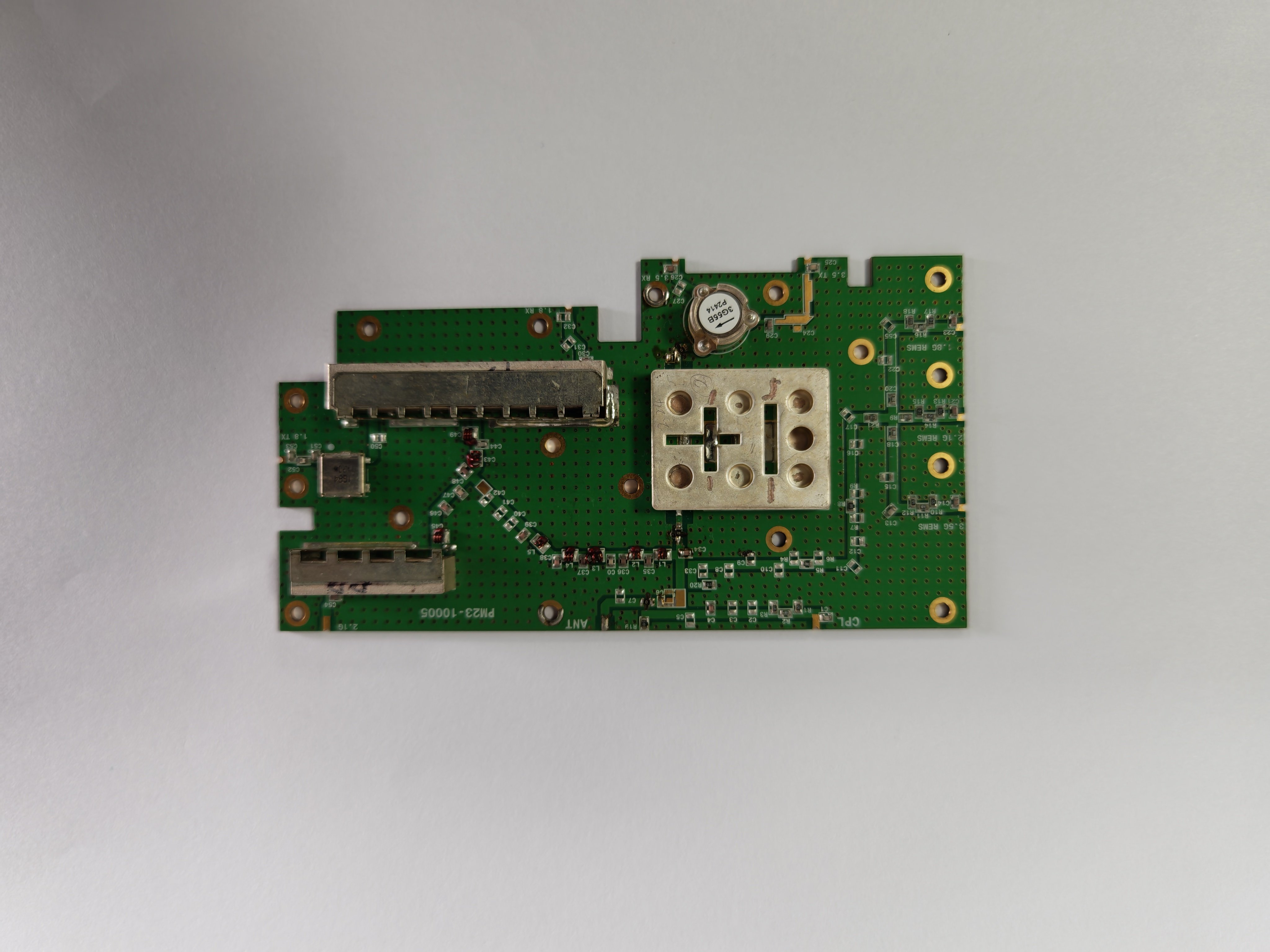
The telecommunications industry has witnessed remarkable advancements in frequency management technologies, with the microwave dielectric ceramic duplexer emerging as a critical component for modern communication systems. These sophisticated devices enable simultaneous transmission and reception of signals within the same frequency band, revolutionizing how we approach wireless communication infrastructure. As network operators demand higher performance and greater efficiency, understanding the applications and benefits of microwave dielectric ceramic duplexer technology becomes essential for engineers and decision-makers across multiple industries.

Fundamental Principles of Microwave Dielectric Ceramic Duplexers
Dielectric Resonator Technology
Microwave dielectric ceramic duplexers utilize advanced dielectric resonator technology to achieve precise frequency separation and minimal insertion loss. The ceramic materials employed in these devices exhibit exceptional temperature stability and low dielectric loss, making them ideal for high-frequency applications. These properties enable the microwave dielectric ceramic duplexer to maintain consistent performance across varying environmental conditions while delivering superior signal isolation between transmit and receive paths.
The manufacturing process involves carefully selecting ceramic compositions with specific dielectric constants and quality factors. This meticulous approach ensures that each microwave dielectric ceramic duplexer meets stringent performance requirements for modern communication systems. The resulting devices demonstrate remarkable frequency stability and excellent power handling capabilities, making them suitable for demanding applications in cellular base stations and satellite communication systems.
Frequency Separation Mechanisms
The core functionality of a microwave dielectric ceramic duplexer relies on sophisticated filtering mechanisms that separate uplink and downlink frequencies with minimal interference. These devices employ multiple resonant cavities arranged in precise configurations to achieve optimal frequency response characteristics. The ceramic materials used in construction provide the necessary mechanical stability and thermal performance required for reliable long-term operation.
Advanced coupling techniques between resonators enable fine-tuning of frequency response curves, allowing engineers to optimize the microwave dielectric ceramic duplexer for specific application requirements. This flexibility makes these devices particularly valuable in applications where standard filter solutions cannot meet performance specifications. The resulting frequency separation capabilities enable efficient spectrum utilization while maintaining excellent signal quality for both transmission and reception paths.
Cellular Base Station Applications
4G and 5G Network Integration
Modern cellular networks rely heavily on microwave dielectric ceramic duplexer technology to enable efficient frequency division duplex operations. In 4G LTE systems, these devices facilitate simultaneous voice and data transmission while maintaining the signal quality necessary for high-speed communication. The superior isolation characteristics of ceramic duplexers help minimize interference between adjacent frequency bands, ensuring optimal network performance even in dense urban environments.
The transition to 5G networks has created new opportunities for microwave dielectric ceramic duplexer applications, particularly in millimeter-wave frequency ranges. These advanced communication systems require exceptional frequency stability and low insertion loss to maintain signal integrity across extended transmission distances. The inherent properties of dielectric ceramic materials make them ideally suited for these demanding applications, providing the performance characteristics necessary for next-generation wireless networks.
Massive MIMO System Implementation
Massive Multiple-Input Multiple-Output systems represent one of the most challenging applications for microwave dielectric ceramic duplexer technology. These systems require precise frequency management across numerous antenna elements, demanding exceptional isolation and consistent performance characteristics. The compact size and excellent electrical properties of ceramic duplexers make them essential components for achieving the density and performance requirements of modern MIMO implementations.
The implementation of microwave dielectric ceramic duplexer technology in MIMO systems enables significant improvements in spectral efficiency and overall system capacity. These devices help minimize cross-talk between antenna elements while maintaining the signal quality necessary for advanced beamforming algorithms. The result is enhanced network performance with improved coverage and capacity characteristics that benefit end users through faster data rates and more reliable connections.
Satellite Communication Systems
Transponder Applications
Satellite communication systems present unique challenges for microwave dielectric ceramic duplexer applications due to the harsh operating environment and stringent reliability requirements. These devices must operate continuously in space for extended periods while maintaining consistent performance characteristics across extreme temperature variations. The exceptional temperature stability of ceramic materials makes them particularly well-suited for these demanding applications.
Transponder systems utilize microwave dielectric ceramic duplexer technology to separate uplink and downlink frequencies while minimizing signal degradation. The low insertion loss characteristics of these devices help preserve signal strength throughout the communication chain, improving overall system efficiency. This performance advantage translates to increased satellite capacity and improved service quality for end users across various communication applications.
Ground Station Integration
Ground station applications for microwave dielectric ceramic duplexer technology focus on achieving maximum sensitivity and minimal interference in satellite tracking and communication systems. These installations require exceptional frequency stability and low noise characteristics to maintain reliable communication links with orbiting satellites. The superior electrical properties of ceramic duplexers help ensure consistent performance across varying atmospheric conditions and temperature fluctuations.
Integration of microwave dielectric ceramic duplexer systems in ground stations enables simultaneous transmission and reception operations while maintaining the isolation necessary for sensitive measurement applications. These capabilities are particularly important for scientific satellites and deep space communication missions where signal strength may be extremely low. The excellent noise performance and thermal stability of ceramic devices contribute significantly to overall system sensitivity and reliability.
Radar and Defense Applications
Military Radar Systems
Military radar applications demand the highest levels of performance and reliability from microwave dielectric ceramic duplexer technology. These systems must operate effectively in challenging electromagnetic environments while maintaining precise frequency control and excellent isolation characteristics. The robust construction and superior electrical properties of ceramic duplexers make them essential components for modern radar implementations.
Defense applications require microwave dielectric ceramic duplexer systems that can withstand extreme environmental conditions while maintaining consistent performance characteristics. These devices must demonstrate exceptional reliability and long-term stability to ensure mission-critical operations remain uncompromised. The inherent durability and temperature stability of ceramic materials provide the foundation for meeting these demanding requirements in military and aerospace applications.
Electronic Warfare Systems
Electronic warfare applications present unique challenges for microwave dielectric ceramic duplexer technology due to the need for rapid frequency switching and exceptional dynamic range capabilities. These systems must maintain excellent isolation characteristics while operating across wide frequency ranges and varying power levels. The superior electrical properties of ceramic materials enable the development of duplexers that can meet these demanding performance requirements.
The implementation of microwave dielectric ceramic duplexer technology in electronic warfare systems enables simultaneous monitoring and jamming operations while maintaining the frequency agility necessary for modern threat environments. These capabilities are essential for protecting friendly forces and disrupting enemy communications across multiple frequency bands. The excellent power handling and thermal characteristics of ceramic devices contribute significantly to system effectiveness and operational reliability.
Industrial and Scientific Applications
Test and Measurement Equipment
Precision test and measurement applications rely on microwave dielectric ceramic duplexer technology to achieve accurate frequency separation and minimal measurement uncertainty. These devices enable simultaneous signal generation and analysis while maintaining the isolation necessary for precise measurements. The exceptional frequency stability and low insertion loss characteristics of ceramic duplexers contribute significantly to overall measurement accuracy and repeatability.
Laboratory environments require microwave dielectric ceramic duplexer systems that can maintain consistent performance characteristics across varying temperature and humidity conditions. These devices must demonstrate exceptional long-term stability to ensure measurement traceability and accuracy over extended periods. The inherent properties of ceramic materials provide the foundation for meeting these demanding requirements in scientific and industrial applications.
Medical Device Integration
Medical applications for microwave dielectric ceramic duplexer technology focus on achieving precise frequency control and minimal electromagnetic interference in sensitive diagnostic and therapeutic equipment. These systems require exceptional isolation characteristics to prevent interference with other medical devices while maintaining the performance necessary for accurate measurements and treatments. The biocompatible nature and excellent electrical properties of ceramic materials make them particularly suitable for medical applications.
Integration of microwave dielectric ceramic duplexer systems in medical devices enables advanced diagnostic capabilities while ensuring patient safety and regulatory compliance. These devices contribute to improved measurement accuracy and reduced interference in complex hospital environments where multiple electronic systems operate simultaneously. The reliability and consistency of ceramic duplexers help ensure that medical equipment performs as expected when patient care depends on accurate measurements and reliable operation.
FAQ
What are the key advantages of microwave dielectric ceramic duplexers over traditional designs?
Microwave dielectric ceramic duplexers offer superior temperature stability, lower insertion loss, and excellent frequency selectivity compared to traditional cavity-based designs. The ceramic materials used in construction provide exceptional mechanical stability and thermal performance, resulting in consistent operation across varying environmental conditions. These devices also offer compact size and excellent power handling capabilities, making them ideal for space-constrained applications where performance cannot be compromised.
How do microwave dielectric ceramic duplexers contribute to 5G network performance?
In 5G networks, microwave dielectric ceramic duplexers enable efficient frequency division duplex operations while maintaining the signal quality necessary for high-speed data transmission. These devices provide the exceptional isolation and low insertion loss characteristics required for millimeter-wave applications, helping to minimize interference between adjacent frequency bands. The result is improved network capacity, enhanced coverage, and more reliable connections for end users across various communication applications.
What environmental conditions can microwave dielectric ceramic duplexers withstand?
Microwave dielectric ceramic duplexers are designed to operate reliably across extreme temperature ranges, typically from -40°C to +85°C, while maintaining consistent electrical performance. These devices demonstrate excellent resistance to humidity, vibration, and thermal cycling, making them suitable for outdoor installations and harsh industrial environments. The ceramic materials used in construction provide inherent protection against corrosion and environmental degradation, ensuring long-term reliability in demanding applications.
How are microwave dielectric ceramic duplexers customized for specific applications?
Customization of microwave dielectric ceramic duplexers involves careful selection of ceramic materials with specific dielectric constants and quality factors to meet application requirements. Engineers can adjust resonator configurations, coupling mechanisms, and physical dimensions to achieve desired frequency response characteristics and performance specifications. This flexibility enables optimization for specific frequency bands, power levels, and environmental conditions while maintaining the superior electrical properties that make ceramic duplexers advantageous over alternative technologies.
Table of Contents
- Fundamental Principles of Microwave Dielectric Ceramic Duplexers
- Cellular Base Station Applications
- Satellite Communication Systems
- Radar and Defense Applications
- Industrial and Scientific Applications
-
FAQ
- What are the key advantages of microwave dielectric ceramic duplexers over traditional designs?
- How do microwave dielectric ceramic duplexers contribute to 5G network performance?
- What environmental conditions can microwave dielectric ceramic duplexers withstand?
- How are microwave dielectric ceramic duplexers customized for specific applications?