
 EN
EN
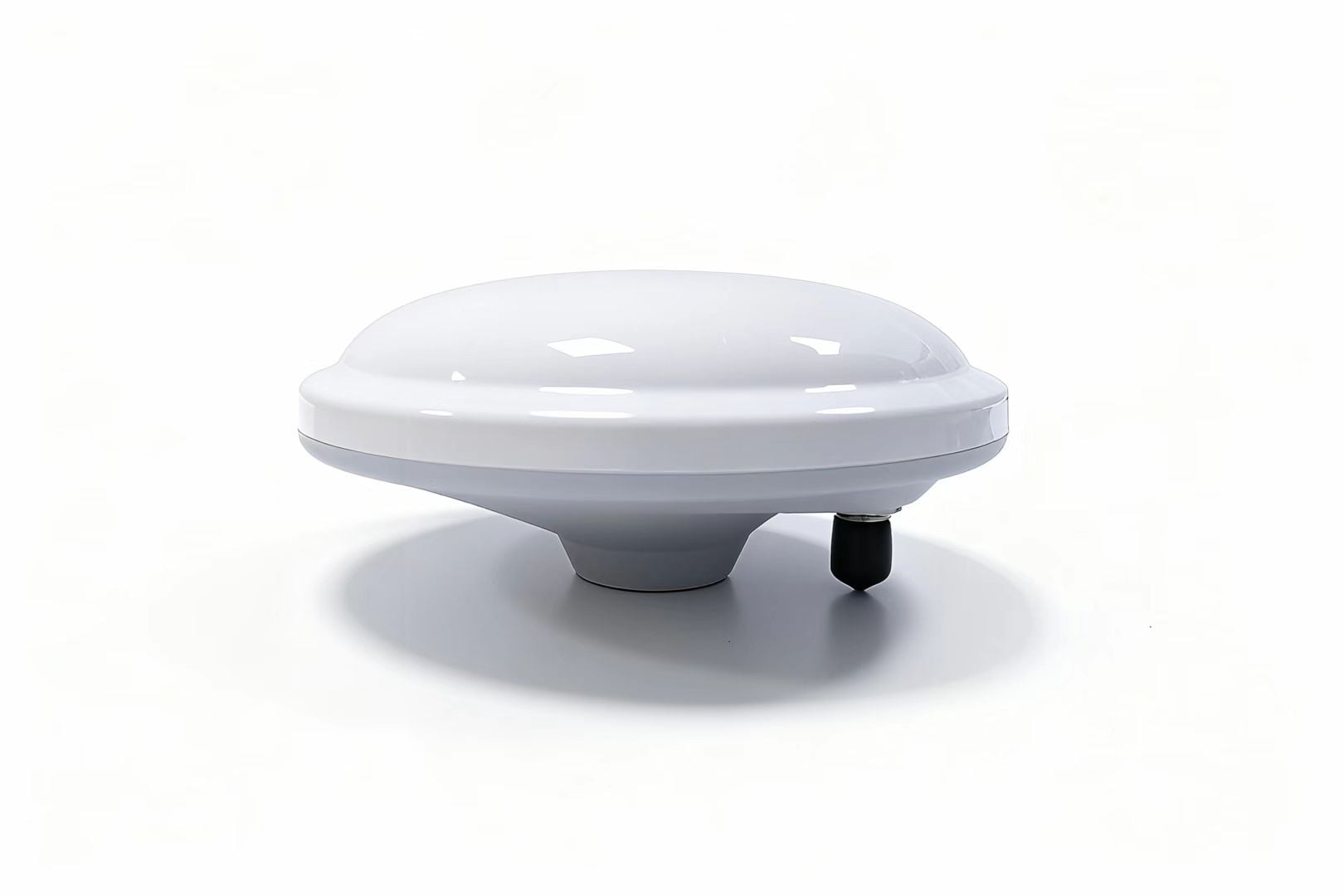
In today's rapidly evolving technological landscape, the demand for accurate positioning and navigation solutions has reached unprecedented levels. Industries ranging from autonomous vehicles to precision agriculture rely heavily on sophisticated navigation systems that deliver centimeter-level accuracy. At the heart of these systems lies the high-precision navigation antenna, a critical component that determines the overall performance and reliability of GNSS applications. Understanding the intricacies of selecting the right navigation antenna has become essential for engineers, procurement specialists, and system integrators who need to ensure optimal performance in their specific applications.
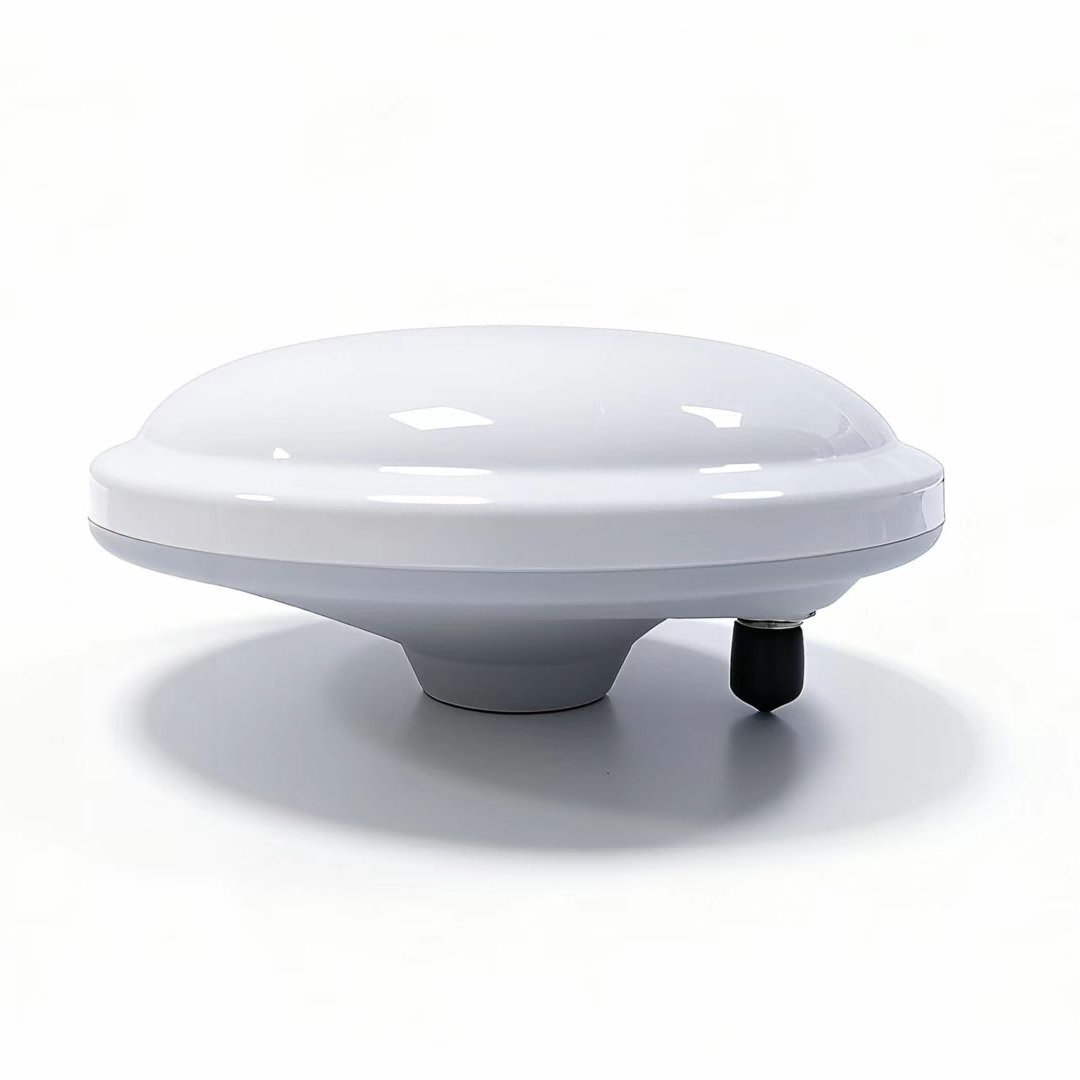
The evolution of GNSS technology has fundamentally transformed how we approach navigation and positioning challenges. Modern high-precision navigation antenna systems must accommodate multiple constellation signals simultaneously, including GPS, GLONASS, Galileo, and BeiDou, while maintaining exceptional signal quality across various environmental conditions. This comprehensive capability requires sophisticated antenna designs that can effectively capture and process signals from satellites positioned across different orbital planes and frequency bands.
Market trends indicate that the global demand for high-precision navigation antenna solutions continues to accelerate, driven by emerging applications in robotics, surveying, construction, and IoT connectivity. Organizations investing in these technologies must carefully evaluate their specific requirements against available antenna solutions to ensure long-term operational success and cost-effectiveness. The decision-making process involves multiple technical considerations, regulatory compliance factors, and performance specifications that directly impact system reliability and accuracy.
Technical Specifications and Performance Characteristics
Frequency Band Coverage and Compatibility
Modern high-precision navigation antenna systems must support multiple frequency bands to achieve optimal positioning accuracy. The most advanced antennas incorporate L1, L2, L5, and L6 band capabilities, enabling reception of signals from various satellite constellations simultaneously. This multi-band functionality significantly enhances positioning accuracy by providing redundancy and enabling advanced correction algorithms that compensate for atmospheric interference and multipath effects.
Compatibility across different GNSS constellations requires careful consideration of frequency allocation and signal characteristics. Each constellation operates on specific frequency ranges, and a comprehensive high-precision navigation antenna must demonstrate consistent performance across all supported bands. Engineers should evaluate antenna specifications to ensure adequate gain patterns, polarization characteristics, and phase center stability across the entire operational frequency range.
The integration of new frequency bands, such as the L5 band for GPS and E5 for Galileo, presents additional opportunities for enhanced accuracy and reliability. These newer signals offer improved resistance to interference and provide better penetration through atmospheric layers, making them particularly valuable for challenging operational environments where traditional L1 signals may be compromised.
Gain Patterns and Signal Reception
Antenna gain characteristics directly influence the quality and strength of received GNSS signals, making this specification crucial for high-precision applications. The ideal high-precision navigation antenna exhibits uniform gain patterns across elevation angles, ensuring consistent signal reception from satellites positioned at various points in the sky. This uniformity becomes particularly important in applications where satellite visibility may be limited by terrain, structures, or operational constraints.
Phase center stability represents another critical performance parameter that affects positioning accuracy. Variations in the electrical phase center location can introduce systematic errors that compromise measurement precision. High-quality antennas maintain consistent phase center positions across different frequencies and signal directions, enabling more accurate calculation of satellite ranges and improved overall positioning performance.
The relationship between antenna size and performance often requires careful optimization based on specific application requirements. While larger antennas generally provide better gain characteristics and improved multipath rejection, size constraints in mobile applications may necessitate compromises that must be carefully evaluated against accuracy requirements and operational conditions.
Environmental Considerations and Durability Factors
Weather Resistance and Outdoor Performance
Outdoor applications demand high-precision navigation antenna designs that can withstand extreme weather conditions while maintaining consistent performance characteristics. Temperature variations, humidity levels, precipitation, and solar radiation all affect antenna materials and electronic components in ways that can compromise signal quality and long-term reliability. Understanding these environmental impacts helps engineers select appropriate antenna solutions for specific deployment scenarios.
Ingress protection ratings provide standardized measures of antenna resistance to dust and moisture infiltration. IP67 and IP68 rated antennas offer superior protection against water ingress and are essential for applications exposed to harsh weather conditions. The antenna housing materials, connector specifications, and cable entry points all contribute to overall environmental protection and should be evaluated comprehensively during the selection process.
Thermal performance characteristics become particularly important in applications involving extreme temperature ranges. High-precision navigation antenna components must maintain stable electrical properties across operational temperature ranges, preventing performance degradation that could compromise positioning accuracy. Materials selection, thermal expansion coefficients, and component placement all influence thermal stability and long-term operational reliability.
Shock and Vibration Resistance
Mobile and vehicular applications subject navigation antennas to significant mechanical stresses that can affect both immediate performance and long-term durability. High-precision navigation antenna systems designed for these applications must incorporate robust mounting systems, shock-absorbing materials, and structural designs that minimize the transmission of vibrations to sensitive electronic components.
Military and aerospace specifications provide useful benchmarks for evaluating antenna mechanical performance, even in commercial applications. MIL-STD-810 testing protocols address shock, vibration, and environmental stress conditions that help validate antenna suitability for demanding operational environments. These standards ensure that antennas can maintain performance specifications under conditions that might compromise less robust designs.
The integration of high-precision navigation antenna systems with vehicle platforms requires careful consideration of mounting methods, cable routing, and electronic interference factors. Proper installation techniques and appropriate hardware selection contribute significantly to overall system reliability and measurement accuracy in mobile applications.
Integration and Connectivity Requirements
Interface Standards and Protocols
Modern high-precision navigation antenna systems must interface seamlessly with various receiver types and data processing equipment. Standard interface protocols, including NMEA 0183, RTCM, and proprietary formats, enable communication between antennas, receivers, and downstream processing systems. Understanding these interface requirements helps ensure compatibility and optimal data flow throughout the complete navigation system.
Power requirements and supply characteristics vary significantly between different antenna designs and capabilities. Active antennas require DC power to operate internal amplification circuits, while passive designs rely solely on receiver-provided power through coaxial cables. The high-precision navigation antenna power consumption specifications must align with available power budgets and system architecture constraints to ensure reliable operation.
Cable length limitations and signal attenuation factors influence antenna placement options and system configuration flexibility. Understanding the relationship between cable length, signal quality, and amplification requirements helps engineers optimize antenna positioning while maintaining signal integrity throughout the connection path.
Mounting and Installation Considerations
Proper mounting techniques significantly impact high-precision navigation antenna performance by affecting signal reception patterns, mechanical stability, and electronic interference characteristics. Ground plane requirements, mounting surface materials, and proximity to other electronic equipment all influence antenna performance and measurement accuracy. Comprehensive installation planning addresses these factors to ensure optimal system performance.
Antenna placement relative to other system components requires careful evaluation of potential interference sources and signal obstruction factors. Metallic structures, electronic devices, and even personnel movement can affect GNSS signal reception and introduce measurement errors. Strategic antenna positioning minimizes these influences while maximizing satellite visibility and signal quality.
Maintenance accessibility and serviceability considerations become important factors in long-term operational planning. Antenna locations should provide adequate access for routine inspections, connector maintenance, and potential replacement activities while maintaining optimal performance characteristics and environmental protection.
Cost Analysis and Value Considerations
Initial Investment and Total Cost of Ownership
The economic evaluation of high-precision navigation antenna solutions extends beyond initial purchase costs to encompass installation expenses, maintenance requirements, and long-term operational costs. Understanding the complete cost structure helps organizations make informed decisions that balance performance requirements with budget constraints and return on investment expectations.
Performance-per-dollar metrics provide valuable frameworks for comparing different antenna options and justifying investment decisions. Higher-performance antennas may command premium prices but deliver superior accuracy, reliability, and operational flexibility that translate into measurable business benefits. Quantifying these benefits helps establish clear value propositions for specific applications and use cases.
Lifecycle considerations include anticipated technology evolution, compatibility with future system upgrades, and potential obsolescence factors that could affect long-term value. Selecting high-precision navigation antenna solutions with expandable capabilities and forward compatibility helps protect investments against rapid technological changes in the GNSS industry.
Performance Validation and Testing Protocols
Comprehensive performance validation ensures that selected high-precision navigation antenna systems meet specified accuracy requirements under actual operational conditions. Field testing protocols should evaluate positioning accuracy, signal acquisition performance, and environmental resilience across representative conditions that reflect intended applications and deployment scenarios.
Comparative testing methodologies enable objective evaluation of different antenna options under controlled conditions. These assessments should include static accuracy measurements, dynamic performance evaluations, and interference resistance testing that provide quantitative data for decision-making processes. Standardized testing protocols ensure consistent and reliable comparison results.
Long-term performance monitoring and validation activities help verify that antenna systems continue to meet specifications throughout their operational lifetimes. Regular calibration procedures, performance benchmarking, and preventive maintenance activities contribute to sustained accuracy and reliability that justify initial investment decisions.
Application-Specific Selection Criteria
Surveying and Mapping Applications
Professional surveying applications demand exceptional accuracy and reliability from high-precision navigation antenna systems, often requiring centimeter or sub-centimeter positioning accuracy under challenging field conditions. Survey-grade antennas must demonstrate consistent performance across various terrain types, atmospheric conditions, and operational timeframes while maintaining calibration stability and measurement repeatability.
Real-time kinematic positioning capabilities require antennas that can effectively process correction signals and maintain continuous satellite tracking even in partially obstructed environments. The ability to rapidly acquire and maintain satellite locks directly impacts survey productivity and measurement confidence levels. High-precision navigation antenna designs optimized for surveying applications incorporate features that enhance signal tracking robustness and minimize initialization times.
Integration with survey data collection systems, including total stations, laser scanners, and mobile mapping platforms, requires careful consideration of mechanical interfaces, data synchronization capabilities, and coordinate system compatibility. Seamless integration between antenna systems and survey instruments enables efficient workflows and reduces potential sources of measurement error.
Autonomous Vehicle and Robotics Applications
Autonomous systems rely on continuous, high-accuracy positioning information to enable safe and effective navigation in complex environments. High-precision navigation antenna systems for these applications must provide consistent performance while vehicles are in motion, maintaining satellite tracking through turns, acceleration, and deceleration maneuvers that can affect antenna orientation and signal reception patterns.
Safety-critical applications require redundant positioning capabilities and robust fault detection mechanisms that can identify and compensate for antenna performance degradation or signal interference. Multi-antenna configurations and sensor fusion approaches enhance system reliability while providing backup positioning capabilities that maintain operational safety margins even when primary antenna systems experience performance issues.
Integration with vehicle control systems and navigation algorithms requires precise timing synchronization and low-latency data delivery that enable real-time decision-making and path planning activities. High-precision navigation antenna systems must deliver consistent, accurate positioning data with minimal delay to support autonomous navigation algorithms and safety systems.
FAQ
What accuracy levels can be achieved with modern high-precision navigation antennas
Modern high-precision navigation antenna systems can achieve positioning accuracies ranging from sub-meter to centimeter levels, depending on the specific application requirements and operational conditions. RTK-capable systems commonly deliver horizontal accuracies of 1-2 centimeters and vertical accuracies of 2-5 centimeters under optimal conditions. Post-processed applications using high-quality antennas and extended observation periods can achieve even higher accuracies, often reaching millimeter-level precision for static positioning applications.
How do environmental factors affect high-precision navigation antenna performance
Environmental conditions significantly impact antenna performance through various mechanisms including atmospheric interference, multipath reflections, and signal attenuation. Temperature variations can affect antenna materials and electronic components, potentially introducing measurement errors. Precipitation, particularly heavy rain or snow, can attenuate satellite signals and reduce positioning accuracy. Nearby reflective surfaces, such as buildings or water bodies, create multipath signals that can degrade measurement precision if not properly mitigated through antenna design and signal processing techniques.
What are the key differences between active and passive navigation antennas
Active high-precision navigation antenna systems incorporate built-in amplification circuits that boost received signals before transmission to the receiver, improving signal-to-noise ratios and enabling longer cable runs without significant signal degradation. These systems require external power supplies but offer superior performance in challenging signal environments. Passive antennas rely entirely on natural signal reception without amplification, making them simpler and more reliable but potentially limiting their effectiveness in weak signal conditions or applications requiring extended cable connections.
How should organizations evaluate the total cost of ownership for navigation antenna systems
Total cost of ownership evaluation should encompass initial hardware costs, installation expenses, ongoing maintenance requirements, calibration procedures, and potential upgrade costs over the system's operational lifetime. Organizations should also consider the cost implications of system downtime, accuracy requirements, and compatibility with existing infrastructure. Performance benefits, such as improved productivity, reduced survey time, or enhanced operational efficiency, should be quantified and weighed against total system costs to establish comprehensive value propositions for different antenna options.
Table of Contents
- Technical Specifications and Performance Characteristics
- Environmental Considerations and Durability Factors
- Integration and Connectivity Requirements
- Cost Analysis and Value Considerations
- Application-Specific Selection Criteria
-
FAQ
- What accuracy levels can be achieved with modern high-precision navigation antennas
- How do environmental factors affect high-precision navigation antenna performance
- What are the key differences between active and passive navigation antennas
- How should organizations evaluate the total cost of ownership for navigation antenna systems