
 EN
EN
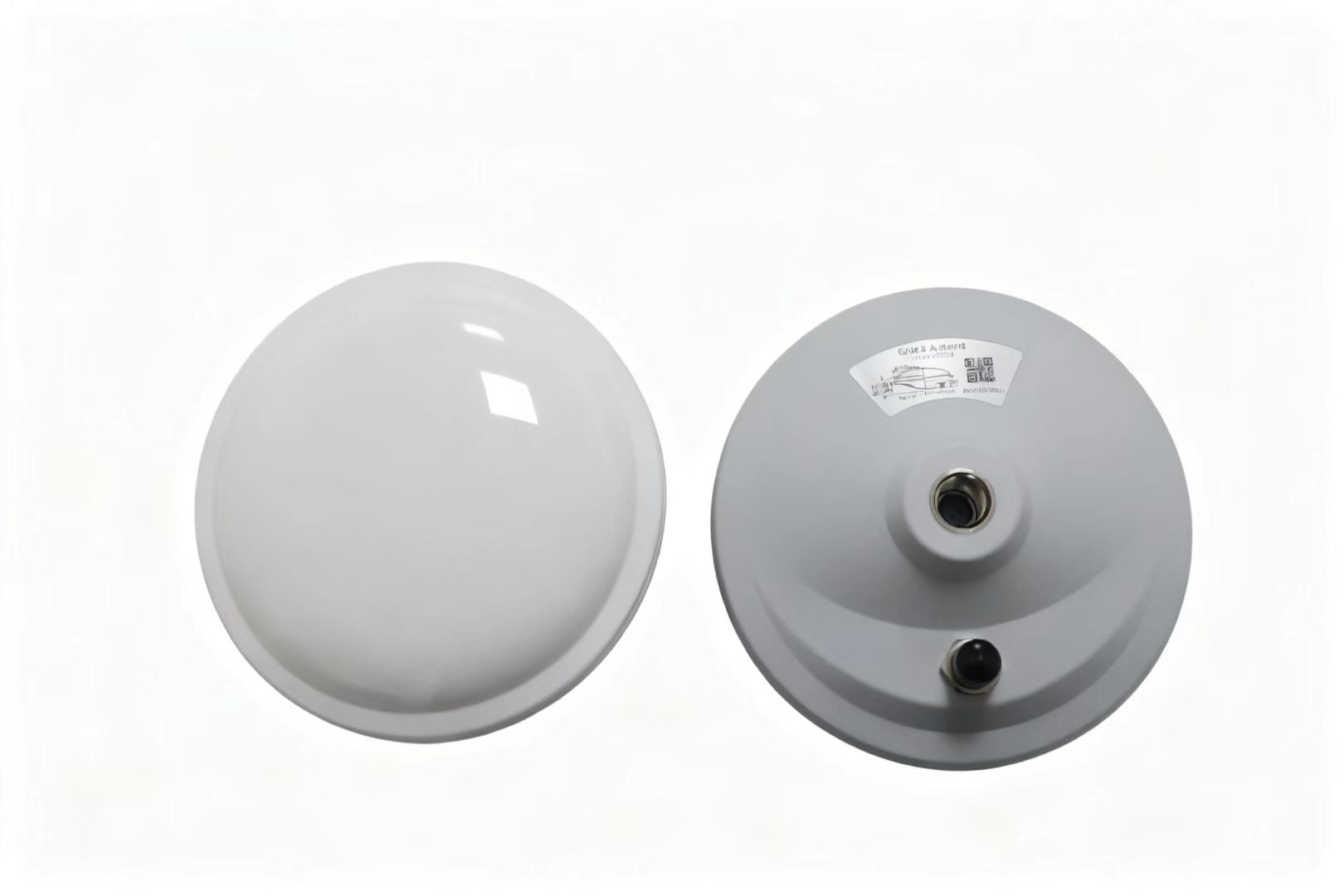
The demand for accurate positioning technology continues to surge across multiple industries, with maritime operations, surveying, construction, and autonomous vehicle development leading the charge. A high-precision navigation antenna serves as the critical component that determines the quality and reliability of satellite signal reception for GNSS applications. These specialized antennas are engineered to provide centimeter-level accuracy, making them indispensable for applications where standard GPS accuracy simply cannot meet operational requirements. Modern high-precision navigation antenna systems incorporate advanced signal processing capabilities, multi-frequency reception, and robust interference mitigation features that ensure consistent performance even in challenging environments.
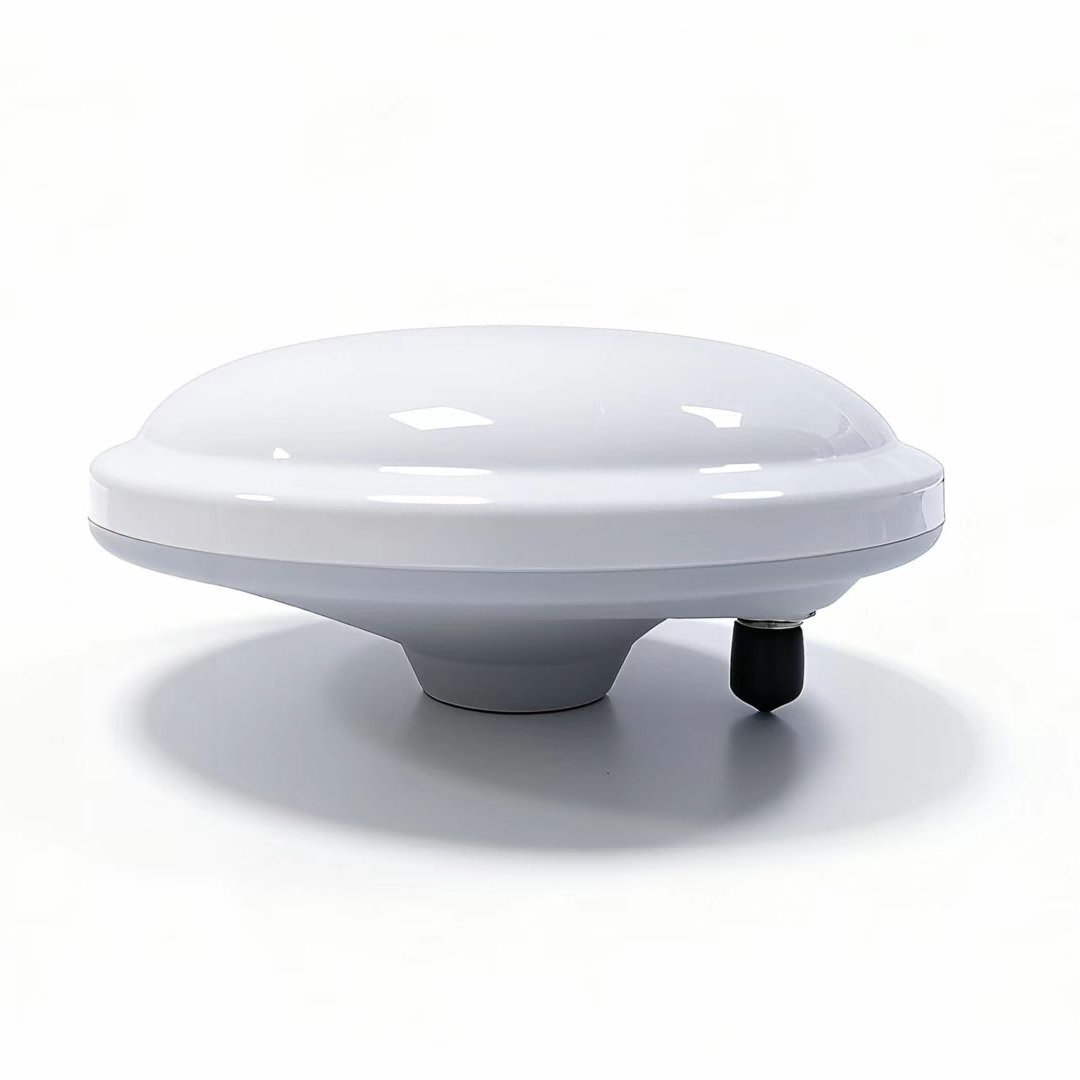
Professional-grade navigation systems require antennas that can simultaneously track multiple satellite constellations including GPS, GLONASS, Galileo, and BeiDou. The integration of these multi-constellation capabilities within a single high-precision navigation antenna unit significantly enhances positioning accuracy and system redundancy. Industry professionals increasingly recognize that antenna selection directly impacts the overall performance of their positioning systems, influencing everything from initialization times to long-term stability under varying atmospheric conditions.
The technological evolution of precision navigation has created distinct categories of antenna solutions, each optimized for specific operational scenarios. Marine applications demand antennas with superior multipath rejection and saltwater corrosion resistance, while terrestrial surveying requires compact designs with exceptional phase center stability. Understanding these application-specific requirements helps professionals make informed decisions when selecting the most appropriate high-precision navigation antenna for their projects.
Advanced Multi-Frequency Reception Technologies
Triple-Band Signal Processing Capabilities
Modern high-precision navigation antenna designs incorporate sophisticated triple-band reception capabilities that simultaneously process L1, L2, and L5 frequency signals. This multi-frequency approach enables advanced error correction techniques that significantly improve positioning accuracy compared to single-frequency systems. The ability to receive and process multiple frequency bands allows the antenna system to calculate and compensate for ionospheric delays, which represent one of the primary sources of positioning error in GNSS applications.
Professional survey-grade antennas leverage these multi-frequency capabilities to achieve real-time kinematic positioning with accuracy levels reaching sub-centimeter precision. The simultaneous processing of multiple frequency bands also enhances the antenna's ability to maintain signal lock in challenging environments where individual frequencies might experience interference or obstruction. Advanced signal processing algorithms within these systems continuously analyze signal quality across all received frequencies to optimize positioning calculations.
The integration of L5 frequency reception represents a significant advancement in high-precision navigation antenna technology, as this newer frequency band offers improved signal structure and enhanced resistance to interference. L5 signals provide better penetration through atmospheric disturbances and deliver more robust performance in urban canyon environments where multipath effects traditionally degrade positioning accuracy.
Constellation Diversity and Signal Redundancy
Contemporary high-precision navigation antenna systems are designed to track signals from all available global navigation satellite systems simultaneously, creating unprecedented levels of signal redundancy and positioning reliability. This multi-constellation approach ensures that positioning solutions remain available even when individual satellite systems experience outages or degraded performance due to atmospheric conditions or satellite maintenance activities.
The combination of GPS, GLONASS, Galileo, and BeiDou constellation tracking within a single antenna system provides users with access to over 100 satellites simultaneously, dramatically improving geometric dilution of precision factors. This enhanced satellite visibility is particularly valuable in environments with limited sky visibility, such as urban areas with tall buildings or forested regions where tree canopy obscures portions of the sky.
Advanced antenna designs incorporate intelligent signal selection algorithms that continuously evaluate the quality and reliability of signals from different constellations, automatically prioritizing the strongest and most stable signals for positioning calculations. This dynamic signal management ensures optimal performance regardless of geographic location or local environmental conditions that might affect satellite signal reception.
Precision Enhancement Through Advanced Design Features
Phase Center Stability and Multipath Mitigation
The electrical phase center of a high-precision navigation antenna represents the theoretical point from which satellite signals appear to be received, and maintaining precise control over this phase center location is crucial for achieving consistent positioning accuracy. Professional-grade antennas incorporate carefully engineered ground plane designs and element arrangements that minimize phase center variation across different elevation angles and azimuth directions.
Multipath rejection capabilities distinguish professional navigation antennas from consumer-grade alternatives, as these systems employ sophisticated design elements that minimize the reception of reflected satellite signals. Advanced ground plane geometries, combined with carefully positioned choke ring structures, create effective barriers against multipath signals while preserving the reception of direct satellite transmissions.
The implementation of adaptive beamforming technologies in premium high-precision navigation antenna models provides dynamic multipath suppression that automatically adjusts to changing environmental conditions. These intelligent systems continuously monitor signal characteristics and adjust reception patterns to maximize the quality of direct satellite signals while minimizing interference from reflected paths.
Environmental Durability and Operational Reliability
Professional navigation applications often require antenna systems to operate reliably in harsh environmental conditions, necessitating robust mechanical designs and superior weather resistance capabilities. High-quality navigation antennas incorporate corrosion-resistant materials and advanced sealing techniques that ensure long-term reliability in marine environments, where saltwater exposure poses significant challenges to electronic equipment.
Temperature stability represents another critical factor in high-precision navigation antenna performance, as thermal expansion and contraction can affect the electrical characteristics of antenna elements and potentially degrade positioning accuracy. Premium antenna designs incorporate temperature-compensated elements and thermal management features that maintain consistent performance across wide temperature ranges typically encountered in field applications.
Shock and vibration resistance capabilities are essential for mobile applications where the antenna system must maintain signal reception while subjected to mechanical stresses. Professional-grade antennas undergo rigorous testing to ensure reliable operation in vehicular applications, marine environments, and other dynamic operational scenarios where mechanical stability directly impacts system performance.
Application-Specific Performance Optimization
Maritime and Offshore Applications
Marine navigation applications present unique challenges that require specialized high-precision navigation antenna designs optimized for shipboard installation and operation. These antennas must deliver reliable performance while mounted on vessels that experience continuous motion due to wave action, requiring sophisticated motion compensation algorithms and enhanced signal processing capabilities.
Saltwater environments create additional challenges for antenna systems, as the conductive properties of seawater can affect signal propagation and create interference patterns that degrade positioning accuracy. Professional marine antennas incorporate specialized ground plane designs and shielding techniques that minimize these environmental effects while maintaining optimal signal reception characteristics.
The integration of heading and attitude determination capabilities within marine high-precision navigation antenna systems provides vessel operators with comprehensive positioning and orientation information essential for safe navigation. These integrated systems combine precision positioning with accurate heading measurements to support dynamic positioning applications and automated vessel control systems.
Surveying and Construction Applications
Land surveying applications demand high-precision navigation antenna systems that can deliver centimeter-level accuracy while maintaining portability and ease of deployment in diverse terrain conditions. Survey-grade antennas typically incorporate compact designs that facilitate mounting on surveying poles and rovers while preserving the electrical performance characteristics necessary for precision measurements.
Construction and earthmoving applications require antenna systems that can withstand the harsh conditions typical of construction sites while providing the positioning accuracy necessary for automated machinery control. These specialized antennas feature rugged enclosures and enhanced vibration resistance to ensure reliable operation on heavy equipment and construction vehicles.
Real-time kinematic surveying applications rely on high-precision navigation antenna systems that can establish and maintain centimeter-level positioning accuracy within seconds of initialization. The rapid convergence capabilities of modern antenna systems enable surveyors to achieve production-level accuracy quickly, significantly improving operational efficiency in time-sensitive projects.
Integration Technologies and System Compatibility
Multi-Protocol Communication Interfaces
Modern high-precision navigation antenna systems incorporate diverse communication interfaces that enable seamless integration with existing positioning and navigation equipment. These interfaces typically include standard serial protocols, Ethernet connectivity, and wireless communication options that facilitate data exchange with external systems and remote monitoring capabilities.
The implementation of industry-standard correction data protocols ensures compatibility with commercial and government-operated reference station networks, enabling users to access differential corrections that further enhance positioning accuracy. Professional antenna systems support multiple correction data formats, providing flexibility in selecting the most appropriate correction services for specific applications and geographic regions.
Advanced antenna systems incorporate intelligent data processing capabilities that can simultaneously output positioning information in multiple formats, accommodating the diverse requirements of different user applications and equipment interfaces. This multi-format capability eliminates the need for external data conversion equipment and simplifies system integration processes.
Power Management and Installation Considerations
Efficient power management represents a critical consideration for portable and remote high-precision navigation antenna installations, particularly in applications where external power sources may be limited or unreliable. Modern antenna systems incorporate intelligent power management features that optimize energy consumption while maintaining full operational capability.
Installation flexibility requirements vary significantly across different applications, necessitating antenna designs that accommodate diverse mounting scenarios and environmental constraints. Professional antenna systems typically include comprehensive mounting hardware and installation accessories that facilitate secure deployment in various operational environments.
Cable management and signal integrity considerations play crucial roles in maintaining the precision capabilities of navigation antenna systems, as improper installation techniques can introduce signal degradation that compromises positioning accuracy. Professional installation guidelines emphasize proper cable routing, connector sealing, and grounding techniques that preserve system performance throughout the operational lifecycle.
Performance Evaluation and Selection Criteria
Accuracy Specifications and Testing Methodologies
Understanding the various accuracy specifications associated with high-precision navigation antenna systems requires familiarity with standardized testing methodologies and performance metrics used throughout the industry. Professional antennas undergo comprehensive testing procedures that evaluate performance under controlled conditions as well as real-world operational scenarios.
Static positioning accuracy represents the fundamental performance metric for high-precision navigation antenna systems, typically measured under ideal conditions with unobstructed sky visibility and minimal environmental interference. However, operational accuracy in real-world applications may differ significantly from laboratory specifications due to environmental factors and installation constraints.
Dynamic positioning performance evaluation requires specialized testing procedures that assess antenna system capability while subjected to motion and changing environmental conditions. These tests provide valuable insights into system performance for mobile applications where traditional static accuracy measurements may not adequately represent operational capability.
Cost-Benefit Analysis and Return on Investment
Evaluating the economic benefits of high-precision navigation antenna systems requires consideration of both initial acquisition costs and long-term operational advantages that these systems provide. Professional-grade antennas typically command premium pricing compared to consumer alternatives, but deliver significant value through enhanced accuracy, reliability, and operational efficiency.
The productivity improvements achievable through high-precision navigation antenna implementation often justify the initial investment through reduced project completion times, improved accuracy that eliminates costly rework, and enhanced safety through more reliable positioning capabilities. These operational benefits accumulate over the system lifecycle, providing substantial returns on the initial antenna investment.
Maintenance and support considerations represent important factors in the total cost of ownership for high-precision navigation antenna systems, as professional applications require reliable technical support and access to calibration services that ensure continued accuracy throughout the operational lifecycle. Quality manufacturers provide comprehensive support programs that minimize operational disruptions and protect the investment in precision positioning technology.
FAQ
What factors determine the accuracy of a high-precision navigation antenna
The accuracy of a high-precision navigation antenna depends on several critical factors including the antenna's ability to receive multiple frequency bands simultaneously, its multipath rejection capabilities, phase center stability, and the quality of the integrated signal processing algorithms. Environmental conditions such as atmospheric interference, multipath reflections, and satellite geometry also significantly impact overall system accuracy. Additionally, the antenna's compatibility with correction data services and its ability to track multiple satellite constellations simultaneously plays a crucial role in achieving optimal positioning precision.
How do multi-frequency capabilities improve positioning performance
Multi-frequency capabilities in a high-precision navigation antenna enable advanced error correction techniques that significantly enhance positioning accuracy compared to single-frequency systems. By receiving L1, L2, and L5 signals simultaneously, the antenna can calculate and compensate for ionospheric delays, which represent a major source of positioning error. This multi-frequency approach also improves the antenna's ability to maintain signal lock in challenging environments and provides enhanced resistance to interference, ultimately resulting in more reliable and accurate positioning solutions.
What installation considerations are most important for optimal antenna performance
Optimal high-precision navigation antenna performance requires careful attention to installation factors including proper mounting height and stability, adequate sky visibility with minimal obstructions, and correct grounding techniques to prevent electrical interference. Cable routing and connector sealing must be executed properly to maintain signal integrity, while the antenna should be positioned away from potential sources of multipath reflections such as large metallic surfaces or buildings. Environmental considerations such as protection from extreme weather conditions and electromagnetic interference sources also significantly impact long-term system performance and reliability.
How do professional antennas compare to consumer-grade alternatives
Professional high-precision navigation antenna systems offer superior performance compared to consumer alternatives through advanced features such as multi-frequency reception, enhanced multipath rejection, superior phase center stability, and robust environmental protection. Professional antennas typically provide centimeter-level accuracy versus meter-level accuracy from consumer devices, along with faster signal acquisition times and better performance in challenging environments. Additionally, professional systems include comprehensive support services, calibration programs, and integration capabilities that ensure reliable operation in demanding commercial and industrial applications where positioning accuracy directly impacts operational success and safety.