
 EN
EN
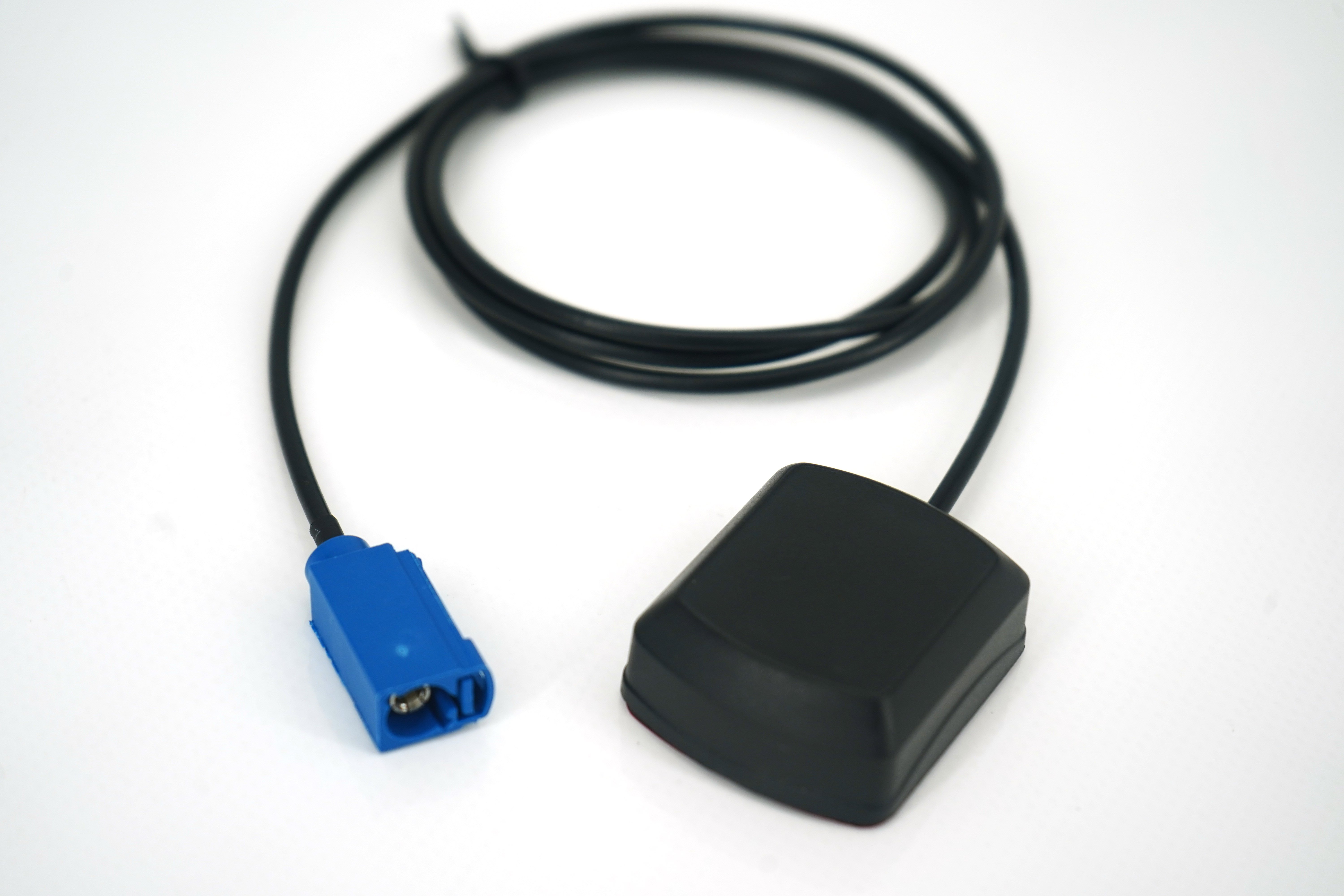
Modern navigation systems require exceptional accuracy and reliability to support critical applications across industries ranging from surveying and construction to autonomous vehicles and precision agriculture. At the heart of these sophisticated positioning systems lies the high-precision navigation antenna, a specialized component designed to receive and process signals from multiple satellite constellations with unprecedented accuracy. These advanced antennas have revolutionized how we approach location-based services, enabling centimeter-level positioning that was once considered impossible for commercial applications.
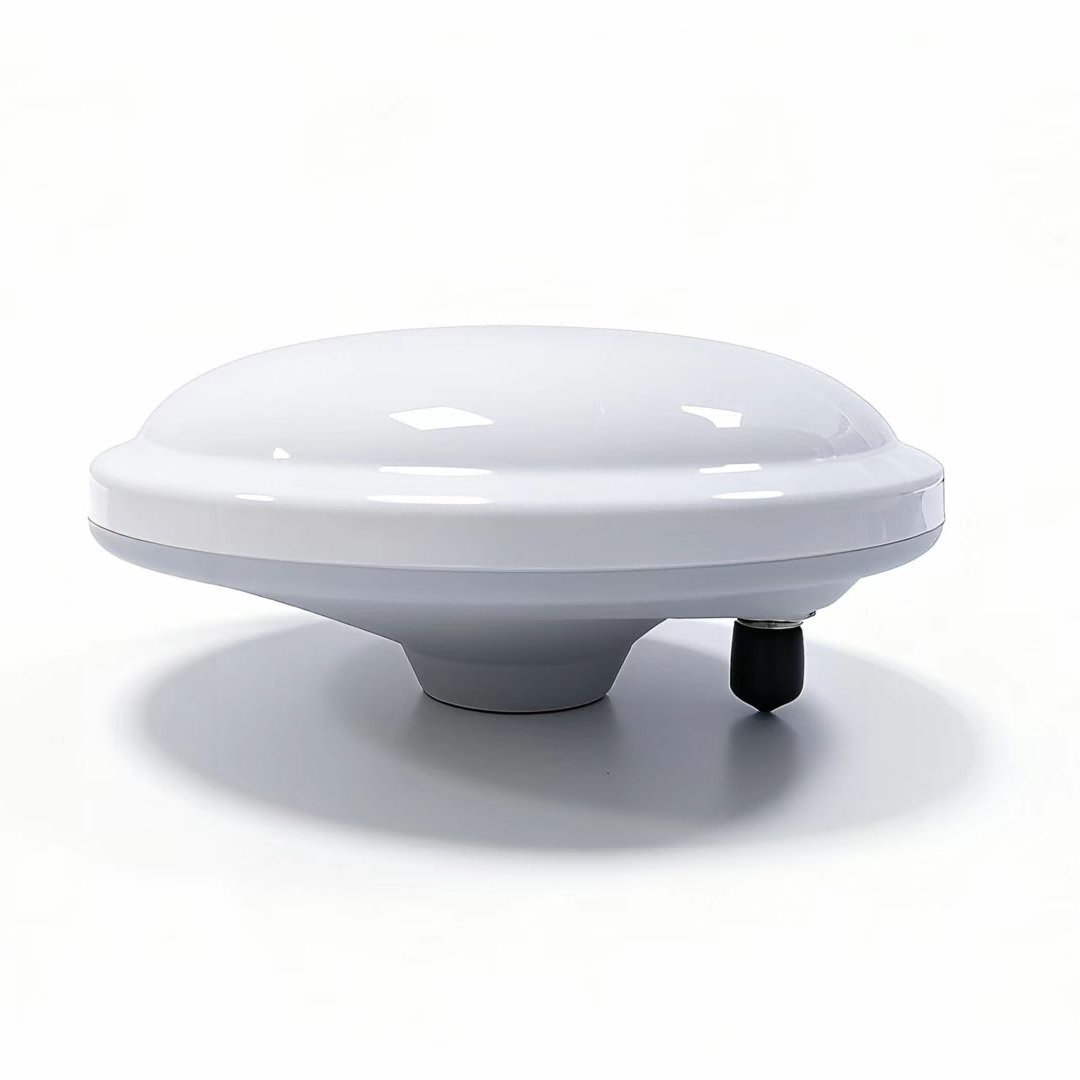
The evolution of satellite navigation technology has created an unprecedented demand for antennas capable of processing signals from multiple global navigation satellite systems simultaneously. Today's high-precision navigation antenna systems must handle GPS, GLONASS, Galileo, and BeiDou signals while maintaining exceptional phase accuracy and multipath rejection capabilities. This technological advancement has opened new possibilities for applications requiring sub-meter and even sub-centimeter positioning accuracy, fundamentally changing how industries approach location-dependent operations and measurements.
Understanding High-Precision Navigation Antenna Technology
Signal Reception and Processing Fundamentals
A high-precision navigation antenna operates on sophisticated principles that enable it to capture weak satellite signals transmitted from thousands of kilometers above Earth's surface. These antennas utilize advanced circular polarization techniques to receive right-hand circularly polarized signals from navigation satellites while rejecting left-hand polarized reflections that can cause positioning errors. The antenna's design incorporates specialized elements that maintain consistent phase center stability across multiple frequencies, ensuring that measurements remain accurate regardless of signal strength variations or environmental conditions.
The internal structure of a high-precision navigation antenna includes carefully engineered ceramic patches or helix elements that provide optimal gain patterns for satellite signal reception. These components work in conjunction with low-noise amplification circuits that boost weak signals while minimizing interference from terrestrial sources. The antenna's ground plane design plays a crucial role in suppressing multipath effects, where signals reflected from nearby surfaces can introduce measurement errors that compromise positioning accuracy.
Multi-Frequency Capability and Constellation Support
Modern high-precision navigation antenna systems support multiple frequency bands simultaneously, enabling them to receive signals from various satellite constellations operating on different transmission frequencies. This multi-frequency capability allows for advanced positioning techniques such as ionospheric error correction and improved signal availability in challenging environments. The antenna's broadband design ensures consistent performance across L1, L2, and L5 frequency bands used by GPS, while also supporting corresponding frequencies from GLONASS, Galileo, and BeiDou systems.
The integration of multiple constellation support within a single high-precision navigation antenna significantly enhances positioning reliability and accuracy. By tracking satellites from different constellations simultaneously, these antennas provide redundancy that maintains positioning capability even when individual satellites become unavailable due to orbital positions or atmospheric conditions. This multi-constellation approach also improves geometric dilution of precision, leading to more accurate position calculations in urban environments or areas with limited sky visibility.
Types of High-Precision Navigation Antennas
Patch Array Antennas
Patch array antennas represent one of the most common designs used in high-precision navigation antenna applications due to their compact size and excellent performance characteristics. These antennas utilize multiple ceramic or metallic patches arranged in specific patterns to achieve optimal signal reception across multiple frequency bands. The patch design provides inherent circular polarization and maintains stable phase center characteristics essential for precise positioning measurements. Advanced patch arrays incorporate sophisticated feeding networks that ensure uniform signal distribution and minimize phase variations across the antenna aperture.
The construction of patch array antennas involves precise manufacturing techniques that control dimensional tolerances to maintain consistent electrical performance. Each patch element is carefully tuned to resonate at specific frequencies while maintaining proper impedance matching throughout the operating bandwidth. The substrate materials used in these antennas are selected for their low dielectric loss characteristics and temperature stability, ensuring that the high-precision navigation antenna maintains consistent performance across varying environmental conditions. Ground plane optimization in patch designs helps suppress unwanted radiation patterns and reduces susceptibility to multipath interference.
Helical and Spiral Antenna Configurations
Helical and spiral antenna designs offer unique advantages for high-precision navigation antenna applications, particularly in environments requiring omnidirectional coverage or compact installation requirements. These antenna types utilize wound conductive elements that create circular polarization through their geometric structure, eliminating the need for complex feeding networks. The helical design provides excellent axial ratio performance across wide frequency ranges, making it ideal for multi-constellation navigation systems that operate on various frequency bands simultaneously.
Spiral antenna configurations excel in applications where size constraints are critical, as they can achieve comparable performance to larger patch arrays while occupying significantly less physical space. The self-complementary nature of spiral designs provides inherently wideband characteristics, allowing a single high-precision navigation antenna to cover multiple frequency bands without requiring separate elements for each band. Manufacturing considerations for helical and spiral antennas focus on maintaining precise wire spacing and support structure stability to preserve the antenna's electrical characteristics over its operational lifetime.
Key Features and Performance Characteristics
Phase Center Stability and Accuracy
Phase center stability represents a critical performance parameter that distinguishes professional-grade high-precision navigation antenna systems from standard consumer devices. The phase center defines the apparent electrical location where signals appear to originate within the antenna structure, and variations in this position directly translate to positioning errors in navigation calculations. Advanced antenna designs employ sophisticated modeling techniques and careful mechanical construction to minimize phase center variations across different signal directions and frequencies, ensuring consistent measurement accuracy regardless of satellite geometry.
Calibration procedures for high-precision navigation antenna systems involve detailed characterization of phase center variations under controlled laboratory conditions. These measurements create correction tables that navigation receivers use to compensate for any residual phase center offsets, further enhancing positioning accuracy. The antenna's mechanical design must maintain phase center stability despite temperature variations, mechanical stress, and aging effects that could otherwise introduce systematic errors into navigation measurements. Quality high-precision navigation antenna systems specify phase center stability within millimeter tolerances to support centimeter-level positioning applications.
Multipath Rejection and Signal Purity
Multipath rejection capability determines how effectively a high-precision navigation antenna can distinguish between direct satellite signals and potentially corrupting reflected signals from nearby surfaces. Advanced antenna designs incorporate specialized ground plane treatments, choke rings, or absorptive materials that suppress reflected signals while maintaining sensitivity to desired direct-path transmissions. The antenna's radiation pattern characteristics play a crucial role in multipath suppression, with carefully controlled sidelobe levels and front-to-back ratios that minimize reception of unwanted signals from directions other than the satellite positions.
Signal purity considerations extend beyond simple multipath rejection to include suppression of terrestrial interference sources and maintenance of low noise figure performance throughout the reception chain. A high-precision navigation antenna system incorporates filtering elements that reject out-of-band interference while preserving the integrity of navigation signals within the desired frequency ranges. Advanced designs may include adaptive nulling capabilities that automatically adjust radiation patterns to suppress specific interference sources while maintaining optimal sensitivity to satellite signals.
Applications and Industry Use Cases
Surveying and Geodetic Applications
Professional surveying applications represent one of the most demanding use cases for high-precision navigation antenna technology, requiring positioning accuracy at the centimeter or even millimeter level for boundary determination, construction layout, and topographic mapping. Survey-grade antennas must maintain exceptional phase center stability and provide consistent performance across extended observation periods to support static positioning techniques and real-time kinematic measurements. The antenna's mechanical design considerations include vibration resistance and thermal stability to ensure accurate measurements in field conditions.
Geodetic applications push high-precision navigation antenna performance requirements even further, as these measurements contribute to global reference frame maintenance and crustal deformation monitoring. Long-term stability becomes paramount in these applications, with antenna systems requiring consistent performance over years or decades of continuous operation. The high-precision navigation antenna designs used in geodetic networks undergo extensive calibration and validation procedures to ensure their measurements contribute accurately to international coordinate systems and scientific research programs.
Autonomous Vehicle Navigation Systems
The automotive industry's transition toward autonomous vehicles has created new requirements for high-precision navigation antenna systems that can provide real-time positioning accuracy sufficient for safe vehicle operation. These applications demand compact antenna designs that integrate seamlessly with vehicle aesthetics while maintaining the performance characteristics necessary for lane-level positioning accuracy. Automotive high-precision navigation antenna systems must operate reliably in challenging environments including urban canyons, tunnels, and areas with significant electromagnetic interference from vehicle systems.
Vehicle integration requirements for high-precision navigation antenna systems include considerations for mounting location optimization, cable routing, and electromagnetic compatibility with other vehicle systems. The antenna design must accommodate the dynamic nature of vehicle operation, maintaining consistent performance during acceleration, braking, and cornering maneuvers that could otherwise affect signal reception quality. Advanced automotive antennas incorporate multiple elements or diversity reception techniques to maintain signal availability even when individual elements become temporarily obstructed by vehicle structures or external objects.
Selection Criteria and Technical Specifications
Performance Requirements Analysis
Selecting an appropriate high-precision navigation antenna requires careful analysis of application-specific performance requirements including accuracy targets, environmental conditions, and operational constraints. The antenna's gain pattern characteristics must provide adequate signal levels across the entire satellite constellation coverage area while maintaining pattern stability under varying atmospheric conditions. Frequency coverage requirements depend on the specific navigation systems and positioning techniques employed, with multi-frequency capability becoming increasingly important for advanced applications requiring ionospheric correction and improved accuracy.
Environmental specifications for high-precision navigation antenna systems encompass temperature operating ranges, humidity tolerance, and resistance to precipitation and solar radiation effects. Industrial and outdoor applications may require additional protection against corrosive environments, mechanical shock, and electromagnetic interference from nearby equipment. The antenna's physical characteristics including size, weight, and mounting requirements must align with installation constraints while maintaining the structural integrity necessary for long-term reliable operation.
Integration and Compatibility Considerations
System integration aspects of high-precision navigation antenna selection include receiver compatibility, cable requirements, and power consumption characteristics that affect overall system design and installation costs. The antenna's output impedance and connector specifications must match receiver input requirements to ensure optimal signal transfer and minimize reflection losses that could degrade measurement accuracy. Cable length limitations and signal attenuation considerations may require integrated amplification or special cable specifications for installations with significant separation between antenna and receiver locations.
Compatibility with existing infrastructure and future upgrade requirements influences high-precision navigation antenna selection decisions, particularly in applications where system modifications or expansions are anticipated. Standardized interfaces and mounting systems facilitate easier maintenance and component replacement throughout the system's operational lifetime. The antenna's design should accommodate potential software updates or configuration changes that might modify operational parameters without requiring hardware modifications or recalibration procedures.
Installation and Maintenance Best Practices
Optimal Mounting and Placement Strategies
Proper installation of a high-precision navigation antenna significantly impacts overall system performance and measurement accuracy, with mounting location selection representing one of the most critical factors in achieving optimal results. The antenna should be positioned with maximum sky visibility and minimal obstruction from nearby structures, vegetation, or other objects that could block satellite signals or create multipath reflection sources. Ground plane considerations include ensuring adequate separation from conductive surfaces and implementing appropriate grounding techniques to minimize electrical noise and lightning protection concerns.
Mechanical mounting systems for high-precision navigation antenna installations must provide stable support that prevents movement or vibration during operation while accommodating thermal expansion and contraction cycles. The mounting hardware should maintain the antenna's specified orientation and prevent rotational movement that could affect measurement accuracy or phase center stability. Professional installations often incorporate surveyed reference marks or benchmarks that enable precise antenna positioning and facilitate future maintenance or replacement activities without loss of positional reference.
Preventive Maintenance and Performance Monitoring
Regular maintenance procedures for high-precision navigation antenna systems focus on preserving optimal signal reception quality and preventing performance degradation that could compromise positioning accuracy. Visual inspections should identify physical damage, corrosion, or environmental contamination that might affect antenna performance, with particular attention to connector integrity and cable condition. Cleaning procedures must use appropriate materials and techniques that remove accumulated debris without damaging antenna surfaces or altering electrical characteristics.
Performance monitoring protocols for high-precision navigation antenna systems include regular verification of signal quality metrics, positioning accuracy assessments, and comparison with reference measurements to detect gradual performance changes that might indicate developing problems. Automated monitoring systems can track key performance indicators and alert operators to conditions requiring attention before they significantly impact operational capabilities. Documentation of maintenance activities and performance trends supports long-term system optimization and helps identify patterns that inform future maintenance scheduling and component replacement decisions.
FAQ
What accuracy can be achieved with a high-precision navigation antenna
A high-precision navigation antenna can achieve positioning accuracy ranging from sub-meter to centimeter levels depending on the specific antenna design, receiver technology, and positioning techniques employed. Real-time kinematic applications using professional-grade systems can achieve centimeter-level accuracy, while post-processed static measurements may reach millimeter precision under optimal conditions. The actual accuracy achieved depends on factors including satellite geometry, atmospheric conditions, multipath environment, and observation duration.
How does environmental interference affect antenna performance
Environmental factors can significantly impact high-precision navigation antenna performance through various mechanisms including multipath reflections from nearby surfaces, atmospheric effects on signal propagation, and electromagnetic interference from electronic devices or power systems. Professional antenna designs incorporate features such as multipath rejection elements, filtering circuits, and shielding to minimize these effects. Proper site selection and installation techniques can further reduce environmental impacts on measurement accuracy.
What maintenance is required for optimal antenna operation
Regular maintenance for a high-precision navigation antenna includes visual inspections for physical damage or contamination, connector cleaning and tightening, cable integrity verification, and performance monitoring through signal quality assessments. Environmental factors may require more frequent cleaning or protective measures, particularly in coastal or industrial environments. Annual professional calibration checks ensure continued accuracy and may identify developing issues before they significantly impact performance.
Can multiple satellite systems be used simultaneously
Modern high-precision navigation antenna systems are designed to receive signals from multiple global navigation satellite systems simultaneously, including GPS, GLONASS, Galileo, and BeiDou constellations. This multi-system capability improves positioning accuracy, reliability, and availability by providing more satellite signals for position calculations and enabling advanced techniques such as ionospheric correction and improved geometric diversity. The antenna's broadband design ensures consistent performance across all supported frequency bands.