
 EN
EN
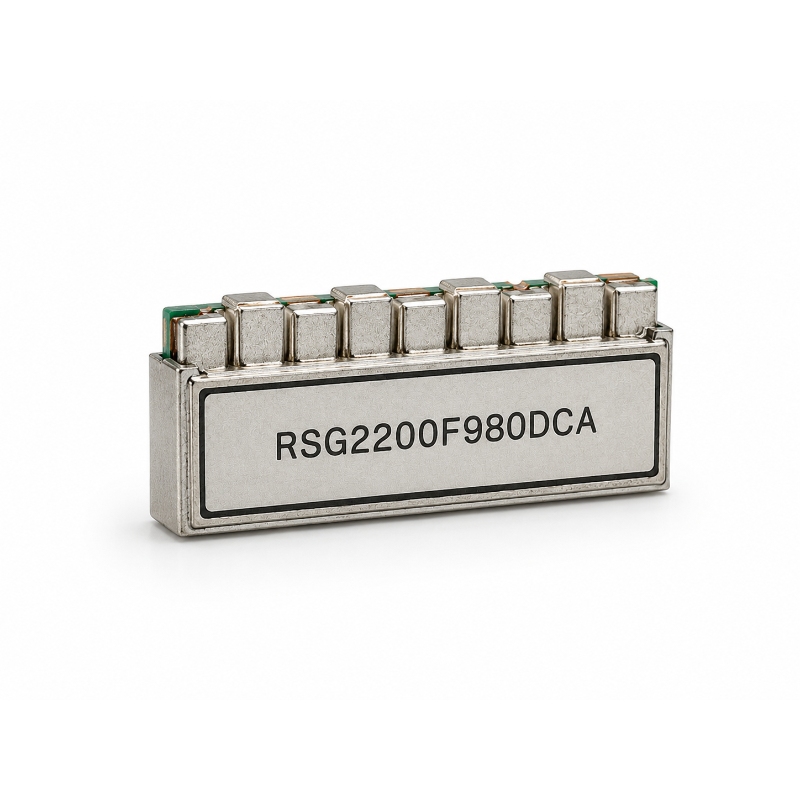
A 5G waveguide filter is a high-performance RF component used to control and clean radio frequency signals in 5G communication systems. It allows desired frequency bands to pass while blocking unwanted signals, interference, and noise. In simple terms, it helps a 5G system transmit and receive clearer, more stable signals.
As 5G networks continue to expand, especially in high-frequency and millimeter-wave applications, signal quality becomes more important. A waveguide filter is often used in 5G base stations, microwave links, radar systems, satellite communication, and other RF systems where low loss, high power handling, and strong frequency selectivity are required.
How Does a 5G Waveguide Filter Work?
A waveguide filter uses a metal waveguide structure to guide electromagnetic waves. Unlike ordinary cable-based or PCB-based filters, a waveguide filter usually has a hollow metallic cavity or specially designed internal structure. The shape and size of the cavity determine which frequencies can pass through.
For example, a waveguide bandpass filter is designed to pass a specific frequency range and reject frequencies outside that range. This is especially useful in 5G systems, where many signals operate close to each other. Without proper RF filtering, unwanted signals may reduce communication quality, increase noise, or cause interference between channels.
Why Are Waveguide Filters Important for 5G?
5G networks require faster data transmission, lower latency, and higher network capacity. To achieve this, many 5G systems use higher frequency bands, including microwave and mmWave frequencies. At these frequencies, signal loss and interference become more difficult to manage.
A 5G RF filter plays a key role in solving this problem. It improves signal purity, protects the receiver, and helps the transmitter work within the correct frequency band. Compared with some other filter types, waveguide filters are known for:
• Low insertion loss
• High power handling
• Excellent out-of-band rejection
• High Q-factor performance
• Stable operation at high frequencies
• Strong mechanical durability
Because of these advantages, a 5G waveguide filter is a reliable choice for demanding telecom and RF applications.
Common Applications of 5G Waveguide Filters
Waveguide filters are widely used in professional communication and high-frequency systems. Common applications include:
1. 5G Base Stations
In a 5G base station, waveguide filters help separate useful signals from unwanted frequency components. They support cleaner transmission and reception, improving overall network performance.
2. mmWave Communication Systems
A mmWave filter is important in high-frequency 5G systems because mmWave signals are more sensitive to loss and interference. Waveguide filters can maintain better performance in these frequency ranges.
3. Microwave Backhaul Links
Telecom operators often use microwave links to connect network sites. Waveguide filters help maintain signal stability and reduce interference in point-to-point communication.
4. Radar and Satellite Systems
Although this article focuses on 5G, waveguide filters are also common in radar, aerospace, defense, and satellite communication systems because of their high reliability.
5G Waveguide Filter vs. Other RF Filters
There are many types of RF filters, including cavity filters, ceramic filters, SAW filters, BAW filters, and microstrip filters. Each type has its own advantages.
Waveguide filters are usually preferred when the system requires high frequency performance, low loss, and high power capacity. However, they may be larger than some compact PCB or chip-level filters. Therefore, engineers choose a waveguide filter when performance is more important than size.
For compact devices such as smartphones, smaller filter technologies may be more suitable. For infrastructure equipment such as 5G base stations and microwave communication systems, waveguide filters are often a practical and stable solution.
Key Factors When Choosing a 5G Waveguide Filter
When selecting a 5G base station filter or waveguide RF filter, engineers usually consider:
• Operating frequency range
• Bandwidth
• Insertion loss
• Return loss
• Power handling capability
• Rejection level
• Size and installation method
• Environmental stability
• Customization requirements
A good 5G waveguide filter should match the exact RF system requirements. Even a small mismatch in frequency or bandwidth can affect signal quality.
Conclusion
A 5G waveguide filter is an important RF filtering solution for modern telecom systems. It helps 5G equipment manage frequency bands, reduce interference, and improve signal quality. With advantages such as low loss, high power handling, and strong frequency selectivity, waveguide filters are especially valuable in 5G base stations, mmWave communication, microwave links, radar, and satellite systems.
As 5G networks move toward higher frequencies and more complex signal environments, reliable RF filtering will become even more important. For companies working with 5G infrastructure or high-frequency communication systems, choosing the right waveguide filter can make a significant difference in performance and long-term stability.