
 EN
EN
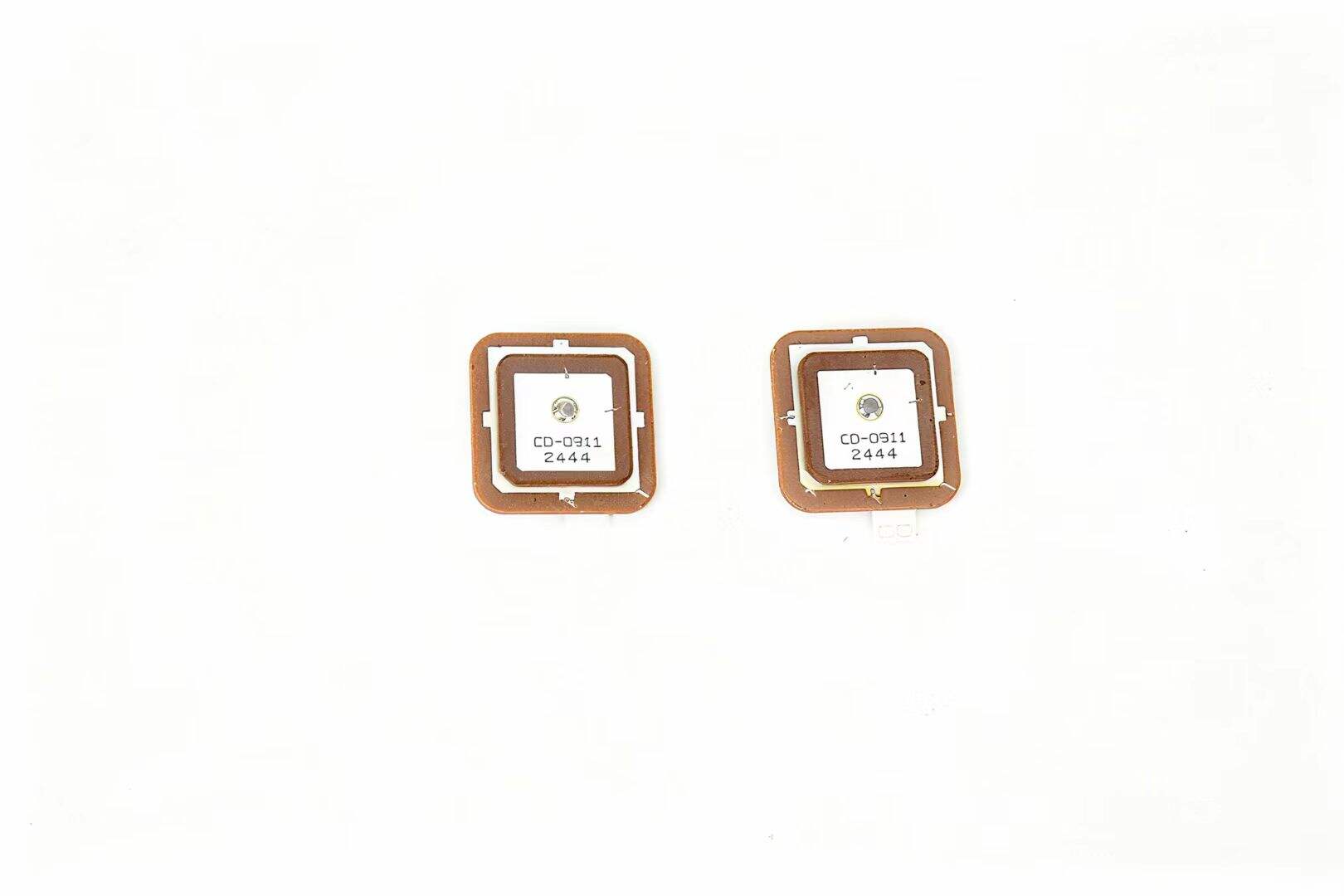
The evolution of wireless communications continues to drive innovation in antenna technology, with microwave dielectric antenna systems emerging as critical components for next-generation applications. These advanced antenna solutions leverage specialized ceramic materials to achieve superior performance characteristics that traditional metal-based antennas cannot match. As industries demand higher frequencies, improved efficiency, and miniaturization, the microwave dielectric antenna has become indispensable across multiple sectors including 5G infrastructure, satellite communications, automotive radar, and IoT devices.

The unique properties of dielectric materials enable these antennas to operate with exceptional precision in microwave frequency ranges, typically between 1 GHz and 100 GHz. Unlike conventional antennas that rely primarily on metallic conductors, the microwave dielectric antenna utilizes the electromagnetic wave propagation characteristics of carefully engineered ceramic substrates. This fundamental difference allows for reduced size, enhanced gain stability, and superior temperature coefficient performance that makes them ideal for demanding applications where reliability and consistency are paramount.
5G Infrastructure and Cellular Base Stations
Massive MIMO Array Integration
The deployment of 5G networks has created unprecedented demand for advanced antenna technologies capable of supporting massive multiple-input multiple-output systems. The microwave dielectric antenna plays a crucial role in these implementations by enabling dense array configurations with minimal mutual coupling. These antennas can be precisely manufactured to operate at specific frequency bands while maintaining consistent performance across temperature variations and environmental conditions. The ceramic substrate materials used in microwave dielectric antenna construction provide excellent thermal stability, ensuring reliable operation in outdoor base station installations.
Engineers designing 5G infrastructure particularly value the compact form factor achievable with dielectric antenna technology. Traditional metallic patch antennas require significant spacing to prevent interference, but microwave dielectric antenna elements can be positioned closer together without performance degradation. This density advantage translates directly to improved spectral efficiency and enhanced data throughput capabilities. Moreover, the low-loss characteristics of high-quality dielectric materials ensure that signal integrity remains intact even in high-power transmission scenarios typical of cellular base stations.
Beamforming and Spatial Multiplexing
Advanced beamforming techniques essential for 5G performance rely heavily on precise antenna element characteristics and predictable radiation patterns. The microwave dielectric antenna excels in these applications due to its inherently stable electromagnetic properties and manufacturing repeatability. Each antenna element in a beamforming array must exhibit identical performance characteristics to enable accurate phase control and beam steering. The ceramic materials used in dielectric antenna construction can be formulated to exact specifications, ensuring consistent dielectric constant and loss tangent values across production runs.
Spatial multiplexing applications benefit significantly from the high Q-factor achievable with properly designed microwave dielectric antenna systems. The quality factor directly impacts the antenna's ability to maintain narrow bandwidth operation while maximizing gain within the desired frequency range. This characteristic proves especially valuable in dense urban environments where spectrum efficiency and interference mitigation are critical concerns. The predictable performance of dielectric antennas enables network planners to optimize coverage patterns and capacity allocation with greater confidence than traditional antenna technologies allow.
Satellite Communication Systems
Low Earth Orbit Constellation Support
The rapid expansion of low Earth orbit satellite constellations for global broadband coverage has created substantial opportunities for specialized antenna technologies. The microwave dielectric antenna addresses several critical requirements for ground-based terminals communicating with LEO satellites. These applications demand antennas capable of rapid beam steering to track satellites as they traverse the sky, combined with high gain performance to maintain reliable links despite the relatively low power transmitted by small satellites.
The miniaturization potential of microwave dielectric antenna technology enables the development of compact earth terminals suitable for mobile and portable applications. Traditional parabolic dish antennas used for satellite communications are impractical for many modern use cases due to size constraints and mechanical complexity. Dielectric antenna arrays can achieve comparable gain performance while occupying significantly less physical space and offering electronic beam steering capabilities. This combination makes them ideal for applications ranging from maritime communications to emergency response systems.
Geostationary Satellite Ground Terminals
High-throughput satellite systems operating in Ka-band and higher frequencies place stringent requirements on ground terminal antenna performance. The microwave dielectric antenna technology provides several advantages for these demanding applications, including excellent gain stability across wide temperature ranges and superior cross-polarization discrimination. These characteristics are essential for maintaining link quality in commercial satellite communication systems where service level agreements mandate consistent performance metrics.
The inherent weather resistance of ceramic-based dielectric antennas makes them particularly suitable for outdoor satellite terminal installations. Unlike metallic antennas that may suffer from thermal expansion effects or corrosion issues, properly designed microwave dielectric antenna systems maintain their electrical characteristics throughout extended exposure to environmental extremes. This reliability translates to reduced maintenance requirements and improved system availability, factors that significantly impact the total cost of ownership for satellite communication infrastructure.
Automotive Radar and ADAS Systems
Adaptive Cruise Control and Collision Avoidance
Modern automotive safety systems rely extensively on radar sensors operating at 24 GHz and 77 GHz frequencies for adaptive cruise control, collision avoidance, and automated parking assistance. The microwave dielectric antenna serves as a key component in these systems, providing the precise beam control necessary for accurate object detection and ranging. Automotive applications present unique challenges including vibration resistance, temperature cycling, and electromagnetic interference from vehicle electrical systems that traditional antenna technologies struggle to address effectively.
The compact integration possible with dielectric antenna technology enables automotive manufacturers to embed radar sensors seamlessly into vehicle bodywork without compromising aesthetic design. Traditional horn antennas or metallic patch arrays require substantial mounting hardware and protective radomes that can interfere with vehicle aerodynamics. Microwave dielectric antenna systems can be manufactured as low-profile assemblies that integrate directly into bumpers, grilles, or body panels while maintaining optimal electromagnetic performance.
Autonomous Vehicle Sensor Fusion
The development of fully autonomous vehicles demands sophisticated sensor fusion capabilities that combine inputs from multiple radar units positioned around the vehicle. Each radar sensor requires precise calibration and consistent performance characteristics to enable accurate environmental mapping and object tracking. The microwave dielectric antenna technology provides the stability and repeatability necessary for these applications, ensuring that sensor outputs remain accurate throughout the vehicle's operational lifetime.
Manufacturing scalability represents another significant advantage of dielectric antenna technology for automotive applications. The ceramic materials and fabrication processes used in microwave dielectric antenna production are well-suited to high-volume manufacturing with consistent quality control. This scalability is essential for automotive suppliers who must deliver millions of units annually while maintaining strict performance specifications. The resulting cost efficiencies make advanced radar-based safety systems accessible across broader vehicle market segments.
Internet of Things and Industrial IoT Applications
Smart City Infrastructure Monitoring
Smart city initiatives worldwide are driving deployment of extensive sensor networks that require reliable wireless connectivity across diverse environmental conditions. The microwave dielectric antenna technology addresses several key requirements for these applications, including long-term stability, low maintenance requirements, and consistent performance across wide temperature ranges. Urban sensor deployments often involve installation in challenging locations where antenna replacement would be difficult or expensive, making reliability a primary selection criterion.
The compact size achievable with dielectric antenna designs enables discrete sensor installations that minimize visual impact while maintaining connectivity performance. Smart city applications often face aesthetic constraints that limit the types of antennas that can be deployed in public spaces. Microwave dielectric antenna systems can be designed with form factors that integrate seamlessly into street furniture, building facades, or utility infrastructure without compromising electromagnetic performance. This integration capability proves essential for gaining public acceptance of smart city technology deployments.
Industrial Process Monitoring and Control
Industrial IoT applications frequently require wireless sensors capable of operating reliably in harsh environments including high temperatures, chemical exposure, and electromagnetic interference from heavy machinery. The microwave dielectric antenna technology offers superior environmental resistance compared to traditional metallic antennas, with ceramic materials that maintain their properties despite exposure to corrosive chemicals or extreme temperatures. These characteristics make dielectric antennas particularly valuable for monitoring applications in chemical processing, steel production, and other heavy industrial sectors.
The precision manufacturing possible with ceramic-based antenna technology enables optimization for specific industrial frequency bands and regulatory requirements. Different industrial sectors often operate within allocated spectrum bands that may vary by region or application type. Microwave dielectric antenna systems can be precisely tuned during manufacturing to optimize performance within narrow frequency ranges, ensuring compliance with regulatory requirements while maximizing link performance. This flexibility proves essential for global industrial equipment manufacturers who must adapt their products to diverse regulatory environments.
Emerging Applications and Future Developments
Wireless Power Transfer Systems
Wireless power transfer technology represents an emerging application area where microwave dielectric antenna systems show significant promise. These applications require antennas capable of handling substantial power levels while maintaining precise beam control to ensure efficient energy transfer and safety compliance. The power handling capabilities of properly designed dielectric materials, combined with their thermal stability, make them suitable for wireless charging applications ranging from consumer electronics to electric vehicle charging systems.
The development of wireless power transfer systems for industrial applications presents unique technical challenges that align well with the strengths of microwave dielectric antenna technology. Industrial wireless charging applications may involve transferring kilowatts of power across air gaps while maintaining strict safety requirements and electromagnetic compatibility standards. The predictable electromagnetic properties of ceramic dielectric materials enable precise system modeling and optimization that would be difficult to achieve with conventional antenna technologies.
6G Research and Development
Research into sixth-generation wireless communication systems is already identifying requirements that will likely favor microwave dielectric antenna implementations. Proposed 6G systems anticipate operation at terahertz frequencies where traditional antenna materials and manufacturing techniques may prove inadequate. The scalability of ceramic processing techniques and the availability of specialized dielectric materials with appropriate properties at these frequencies position microwave dielectric antenna technology as a leading candidate for future wireless infrastructure.
The integration requirements anticipated for 6G systems include massive antenna arrays with thousands of elements operating in coordination to achieve unprecedented data rates and coverage capabilities. Manufacturing such systems economically will require antenna technologies that can be produced with high precision at scale while maintaining consistent performance characteristics. The established manufacturing processes for ceramic-based microwave dielectric antenna systems provide a foundation for scaling to the volumes and precision levels that 6G deployment will likely demand.
FAQ
What frequency ranges are best suited for microwave dielectric antenna applications
Microwave dielectric antenna systems typically operate most effectively in frequency ranges from 1 GHz to 100 GHz, with optimal performance characteristics usually achieved between 10 GHz and 40 GHz. The specific frequency response depends on the dielectric material properties and antenna geometry. Lower frequencies may not fully utilize the advantages of dielectric materials, while extremely high frequencies can present manufacturing challenges that offset the benefits.
How do environmental conditions affect microwave dielectric antenna performance
Environmental factors such as temperature, humidity, and atmospheric pressure have minimal impact on properly designed microwave dielectric antenna systems compared to traditional metallic antennas. The ceramic materials used in these antennas exhibit excellent thermal stability with temperature coefficients typically below 10 ppm per degree Celsius. Humidity effects are negligible due to the non-porous nature of ceramic substrates, while atmospheric pressure variations have no significant impact on performance.
What are the manufacturing cost considerations for microwave dielectric antenna systems
Manufacturing costs for microwave dielectric antenna systems depend heavily on production volume, material specifications, and precision requirements. While initial tooling costs may be higher than traditional antenna technologies, the scalability of ceramic processing techniques enables competitive unit costs at moderate to high production volumes. The elimination of complex mechanical assembly processes often required for metallic antennas can provide cost advantages in many applications.
Can microwave dielectric antenna designs be customized for specific applications
Microwave dielectric antenna systems offer extensive customization possibilities through material formulation, geometric optimization, and manufacturing parameter control. Engineers can tailor dielectric constant values, loss tangent characteristics, and temperature coefficients to meet specific application requirements. Antenna geometries can be optimized for particular radiation patterns, impedance matching, or size constraints. This flexibility makes dielectric antenna technology suitable for highly specialized applications where standard antenna solutions prove inadequate.
Table of Contents
- 5G Infrastructure and Cellular Base Stations
- Satellite Communication Systems
- Automotive Radar and ADAS Systems
- Internet of Things and Industrial IoT Applications
- Emerging Applications and Future Developments
-
FAQ
- What frequency ranges are best suited for microwave dielectric antenna applications
- How do environmental conditions affect microwave dielectric antenna performance
- What are the manufacturing cost considerations for microwave dielectric antenna systems
- Can microwave dielectric antenna designs be customized for specific applications