
 EN
EN
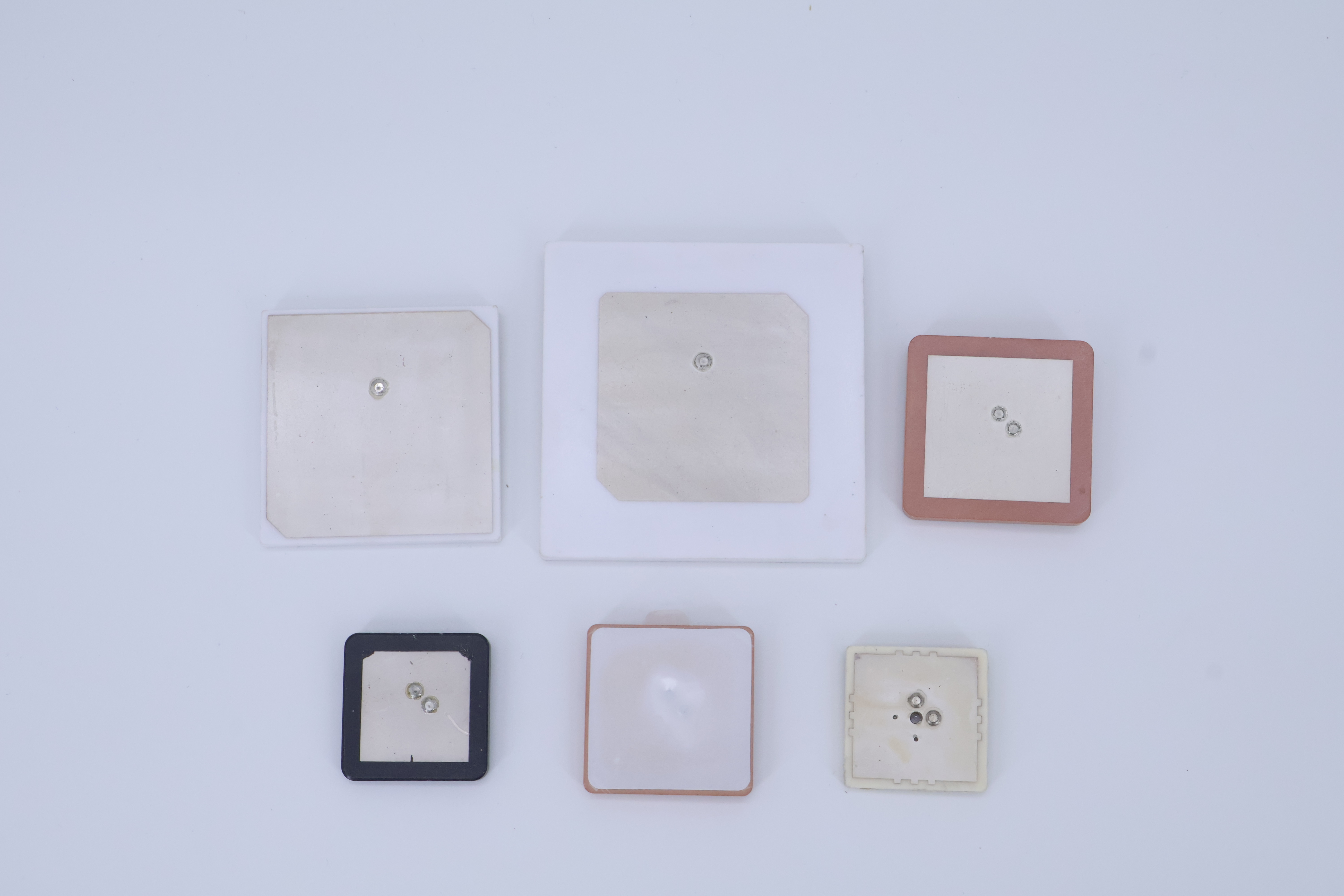
The demand for high-performance wireless communication systems continues to drive innovation in antenna technology, with microwave dielectric antenna solutions emerging as critical components for modern RF applications. These specialized antennas leverage advanced ceramic materials to deliver superior electromagnetic performance across a wide frequency spectrum, making them indispensable for telecommunications, radar systems, and satellite communications. Engineers and procurement specialists seeking optimal antenna solutions must understand the intricate balance between technical specifications, cost considerations, and long-term reliability when evaluating microwave dielectric antenna options. The unique properties of dielectric materials enable these antennas to achieve exceptional bandwidth characteristics while maintaining compact form factors essential for space-constrained installations.

Understanding Microwave Dielectric Antenna Technology
Fundamental Principles and Design Architecture
Microwave dielectric antenna technology represents a sophisticated approach to electromagnetic wave propagation and reception, utilizing specially formulated ceramic materials with precise dielectric constants to optimize signal transmission. The core principle revolves around the ability of dielectric materials to concentrate electromagnetic fields and reduce the physical dimensions required for effective antenna operation. Unlike traditional metallic antenna structures, a microwave dielectric antenna achieves resonance through the interaction between electromagnetic waves and the dielectric substrate, creating a more efficient radiating element. This fundamental design approach enables engineers to develop compact antenna solutions that maintain excellent performance characteristics across demanding frequency ranges.
The architectural design of these antennas incorporates multiple layers of dielectric materials, each carefully selected for specific electrical properties including permittivity, loss tangent, and temperature stability. Advanced manufacturing techniques ensure precise control over material composition and geometric parameters, resulting in antennas that exhibit consistent performance under varying environmental conditions. The integration of feeding mechanisms and impedance matching networks requires careful consideration of the dielectric material properties to achieve optimal energy transfer and minimize return losses throughout the operational bandwidth.
Material Properties and Performance Characteristics
The selection of appropriate dielectric materials forms the foundation of successful microwave dielectric antenna design, with ceramic compositions offering superior stability and performance compared to conventional alternatives. High-quality dielectric ceramics exhibit low loss tangent values, typically ranging from 0.0001 to 0.001, ensuring minimal signal attenuation and maximum radiation efficiency. Temperature coefficient characteristics play a crucial role in maintaining consistent performance across operational temperature ranges, with premium microwave dielectric antenna solutions demonstrating exceptional stability from -40°C to +85°C. The dielectric constant values, typically ranging from 10 to 100, directly influence the antenna's physical dimensions and resonant frequency characteristics.
Manufacturing precision becomes paramount when working with dielectric materials, as even minor variations in composition or dimensions can significantly impact antenna performance. Advanced quality control processes ensure that each microwave dielectric antenna meets stringent specifications for electrical performance, mechanical durability, and environmental resistance. The inherent properties of ceramic dielectrics provide excellent resistance to moisture, chemical exposure, and thermal cycling, making them ideal for harsh operating environments where traditional antenna solutions might fail.
Performance Analysis and Technical Specifications
Frequency Response and Bandwidth Characteristics
The frequency response characteristics of a microwave dielectric antenna depend heavily on the material properties and geometric design parameters, with modern solutions capable of operating effectively across multiple gigahertz of bandwidth. Careful engineering of the dielectric loading and antenna geometry enables designers to achieve specific frequency responses tailored to particular applications, whether narrow-band or ultra-wideband operation is required. The inherent stability of ceramic dielectric materials ensures that frequency response remains consistent over extended periods and varying environmental conditions, providing reliable performance for critical communication systems.
Bandwidth performance typically exceeds that of comparable metallic antenna designs, with voltage standing wave ratio (VSWR) values remaining below 1.5:1 across the operational frequency range. The low dispersion characteristics of quality dielectric materials minimize group delay variations, making these antennas particularly suitable for high-data-rate digital communication applications where signal integrity is paramount. Advanced modeling techniques and electromagnetic simulation tools enable precise prediction of frequency response characteristics during the design phase, reducing development time and ensuring optimal performance.
Radiation Pattern and Efficiency Metrics
Radiation pattern characteristics represent a key performance indicator for any microwave dielectric antenna system, with well-designed units exhibiting predictable and stable patterns across their operational frequency range. The dielectric loading effect creates unique radiation pattern properties that can be precisely controlled through careful material selection and geometric optimization. Front-to-back ratio performance typically exceeds 20 dB for directional designs, while omnidirectional configurations maintain excellent pattern circularity with minimal variation across frequency bands.
Efficiency measurements consistently demonstrate the superior performance of quality microwave dielectric antenna designs, with radiation efficiency values exceeding 85% being readily achievable through proper material selection and manufacturing techniques. The low loss characteristics of premium dielectric materials contribute directly to high efficiency performance, while the compact design reduces conductor losses typically associated with larger metallic antenna structures. Cross-polarization discrimination exceeds 25 dB for most applications, ensuring excellent signal quality and minimal interference in demanding RF environments.
Cost Analysis and Value Proposition
Initial Investment and Long-term Economics
The initial cost structure for a microwave dielectric antenna reflects the sophisticated materials and precision manufacturing processes required to achieve superior performance characteristics. While the upfront investment may exceed that of conventional antenna solutions, the total cost of ownership typically demonstrates significant advantages over the system lifecycle. Reduced maintenance requirements, extended operational lifetime, and superior performance characteristics contribute to favorable long-term economics that justify the initial investment for most professional applications.
Volume pricing structures become increasingly attractive for organizations requiring multiple antenna units, with manufacturers often providing significant discounts for large-quantity orders. The standardization of manufacturing processes and materials has helped reduce production costs while maintaining quality standards, making microwave dielectric antenna technology more accessible across a broader range of applications and budgets. Return on investment calculations must consider not only the antenna cost but also the potential savings from reduced system complexity and improved reliability.
Comparative Cost Analysis with Alternative Technologies
When comparing costs against alternative antenna technologies, the superior performance characteristics of microwave dielectric antenna solutions often justify premium pricing through enhanced system capabilities and reduced operational complexity. Traditional patch antenna arrays may require significantly more physical space and supporting infrastructure, resulting in higher total installation costs despite lower individual component prices. The compact nature of dielectric antenna designs reduces mechanical support requirements and simplifies installation procedures, contributing to lower overall project costs.
Maintenance cost considerations favor dielectric antenna technology due to the inherent stability and durability of ceramic materials, which resist environmental degradation and maintain performance characteristics over extended periods. The absence of moving parts or sensitive mechanical adjustments reduces the likelihood of field failures and minimizes ongoing maintenance requirements. Total cost of ownership analysis consistently demonstrates the value proposition of investing in quality microwave dielectric antenna solutions for professional and commercial applications.
Applications and Market Opportunities
Telecommunications and Wireless Infrastructure
The telecommunications sector represents the largest market opportunity for microwave dielectric antenna technology, with 5G network deployments driving unprecedented demand for high-performance antenna solutions. Base station applications benefit significantly from the compact size and superior performance characteristics of dielectric antennas, enabling network operators to deploy equipment in space-constrained urban environments while maintaining excellent coverage and capacity. The ability to integrate multiple frequency bands within a single antenna structure makes microwave dielectric antenna designs particularly attractive for multi-standard base station applications.
Small cell and distributed antenna system applications leverage the compact form factor and excellent performance characteristics of dielectric antenna technology to enable dense network deployments. Indoor wireless systems benefit from the aesthetic advantages of low-profile antenna designs while achieving the performance levels required for high-capacity wireless networks. The inherent broadband characteristics of properly designed dielectric antennas support multiple wireless standards simultaneously, reducing infrastructure complexity and installation costs.
Aerospace and Defense Applications
Military and aerospace applications demand the highest levels of performance and reliability, making microwave dielectric antenna technology an ideal solution for demanding operational environments. Radar systems utilize the precise frequency response and pattern characteristics of dielectric antennas to achieve superior target detection and tracking capabilities. The temperature stability and environmental resistance of ceramic materials ensure consistent performance under extreme conditions commonly encountered in aerospace applications.
Satellite communication systems benefit from the lightweight and compact characteristics of microwave dielectric antenna designs, enabling more efficient spacecraft designs with improved payload capacity. Ground-based satellite terminals leverage the superior gain and efficiency characteristics of dielectric antennas to achieve reliable communication links with minimal power consumption. The inherent resistance to electromagnetic interference makes these antennas particularly suitable for military applications where signal security and reliability are paramount concerns.
Selection Criteria and Procurement Guidelines
Technical Specification Requirements
Establishing comprehensive technical specifications forms the foundation of successful microwave dielectric antenna procurement, requiring careful consideration of frequency range, gain requirements, and environmental conditions. Operating frequency specifications must account for not only the primary communication bands but also potential future expansion requirements that might necessitate broader bandwidth capabilities. Power handling requirements directly impact material selection and antenna sizing, with high-power applications demanding specialized dielectric materials and enhanced thermal management capabilities.
Environmental specifications must address temperature ranges, humidity conditions, salt spray resistance, and mechanical shock requirements specific to the intended application. The specification of appropriate connector types and mounting interfaces ensures compatibility with existing system infrastructure while providing reliable mechanical and electrical connections. Electromagnetic compatibility requirements may necessitate specific shielding or filtering capabilities integrated within the microwave dielectric antenna design.
Vendor Evaluation and Quality Assessment
Vendor selection for microwave dielectric antenna procurement requires thorough evaluation of manufacturing capabilities, quality control processes, and technical support resources. ISO certification and established quality management systems provide confidence in consistent manufacturing processes and product reliability. The availability of comprehensive testing data and performance verification reports demonstrates vendor commitment to quality and provides the documentation necessary for system integration and regulatory compliance.
Technical support capabilities become particularly important for complex applications requiring custom antenna designs or specialized integration requirements. Vendors with strong engineering teams and simulation capabilities can provide valuable support during system design and optimization phases. The availability of field application engineers and responsive technical support services contributes significantly to project success and long-term system reliability.
Installation and Integration Considerations
Mechanical Installation Requirements
Proper mechanical installation of microwave dielectric antenna systems requires careful attention to mounting methods, structural support, and environmental protection measures. The ceramic nature of dielectric antennas demands specific handling procedures to prevent damage during installation, with proper lifting techniques and protective measures being essential for large antenna assemblies. Mounting hardware must provide adequate mechanical support while maintaining electrical isolation where required by the antenna design.
Weather protection and environmental sealing become critical factors for outdoor installations, requiring appropriate selection of gaskets, sealants, and protective coatings. The expansion characteristics of ceramic materials must be accommodated in mounting designs to prevent mechanical stress under temperature cycling conditions. Proper grounding techniques ensure both safety and optimal electrical performance while protecting against lightning strikes and static discharge events.
Electrical Integration and Testing
Electrical integration of microwave dielectric antenna systems requires careful attention to impedance matching, cable routing, and RF connector installation to maintain optimal performance characteristics. The use of appropriate transmission line types and lengths ensures minimal signal loss between the antenna and associated RF equipment. Proper installation of weatherproof connectors and surge protection devices protects the antenna system from environmental damage and electrical transients.
Post-installation testing procedures verify proper antenna performance and system integration, with measurements including VSWR, radiation patterns, and gain characteristics across the operational frequency range. The establishment of baseline performance measurements provides valuable reference data for ongoing system monitoring and maintenance activities. Regular performance verification ensures continued optimal operation and early detection of potential issues that might impact system reliability.
Future Trends and Technology Evolution
Advanced Material Development
Ongoing research and development in advanced ceramic materials promises to deliver even better performance characteristics for future microwave dielectric antenna designs. Low-temperature co-fired ceramic (LTCC) technology enables the integration of complex RF circuits directly within the antenna structure, reducing system complexity and improving overall performance. Nanocomposite dielectric materials offer the potential for ultra-low loss characteristics and enhanced temperature stability, expanding the application range for dielectric antenna technology.
Additive manufacturing techniques are beginning to impact microwave dielectric antenna production, enabling complex geometric designs that were previously impossible to manufacture using conventional methods. Three-dimensional printing of ceramic materials with precisely controlled dielectric properties opens new possibilities for custom antenna designs tailored to specific applications. The integration of metamaterial concepts with traditional dielectric antenna designs promises to deliver unprecedented performance characteristics and miniaturization capabilities.
Market Growth and Industry Adoption
The continued expansion of wireless communication networks drives sustained growth in demand for high-performance microwave dielectric antenna solutions across multiple market segments. The deployment of mmWave 5G networks creates particular opportunities for dielectric antenna technology, where the compact size and superior performance characteristics provide significant advantages over alternative solutions. Internet of Things applications demand antenna solutions that combine miniaturization with excellent performance, making dielectric technology increasingly attractive for these growing markets.
Automotive radar and communication applications represent emerging opportunities for microwave dielectric antenna technology, where the combination of performance, reliability, and compact size meets the demanding requirements of automotive manufacturers. The standardization of manufacturing processes and materials continues to reduce costs while improving quality, making dielectric antenna technology more accessible across a broader range of applications and market segments.
FAQ
What factors determine the cost of a microwave dielectric antenna
The cost of a microwave dielectric antenna depends on several key factors including the complexity of the design, frequency range requirements, power handling capabilities, and manufacturing volume. Premium dielectric materials with ultra-low loss characteristics command higher prices but deliver superior performance and reliability. Custom designs typically cost more than standard configurations due to additional engineering and tooling requirements. Environmental specifications and quality standards also impact pricing, with military and aerospace applications requiring more expensive materials and testing procedures.
How does performance compare to traditional metal antennas
Microwave dielectric antenna performance typically exceeds that of traditional metal antennas in several key areas including bandwidth, efficiency, and temperature stability. The dielectric loading effect enables smaller physical dimensions while maintaining excellent electrical performance characteristics. Lower loss tangent values in quality dielectric materials result in higher radiation efficiency and better signal quality. The inherent stability of ceramic materials provides consistent performance across wide temperature ranges, unlike metal antennas that may suffer from thermal expansion effects and oxidation over time.
What maintenance requirements should be expected
Microwave dielectric antenna systems require minimal maintenance due to the inherent stability and durability of ceramic materials. Regular visual inspections should check for physical damage, connector corrosion, and environmental seal integrity. Performance monitoring through periodic VSWR measurements can identify potential issues before they impact system operation. Weather seals and connector gaskets may require replacement every few years depending on environmental conditions, but the antenna element itself typically requires no maintenance throughout its operational lifetime.
How do I select the right specifications for my application
Selecting appropriate microwave dielectric antenna specifications requires careful analysis of frequency requirements, gain targets, environmental conditions, and power handling needs. Start by defining the complete frequency range including any future expansion requirements, then specify minimum gain and pattern characteristics needed for adequate coverage. Environmental specifications should account for the most extreme conditions expected during operation, including temperature ranges, humidity levels, and mechanical stress factors. Consulting with experienced antenna engineers can help optimize specifications and avoid over-specification that unnecessarily increases costs.
Table of Contents
- Understanding Microwave Dielectric Antenna Technology
- Performance Analysis and Technical Specifications
- Cost Analysis and Value Proposition
- Applications and Market Opportunities
- Selection Criteria and Procurement Guidelines
- Installation and Integration Considerations
- Future Trends and Technology Evolution
- FAQ