
 EN
EN
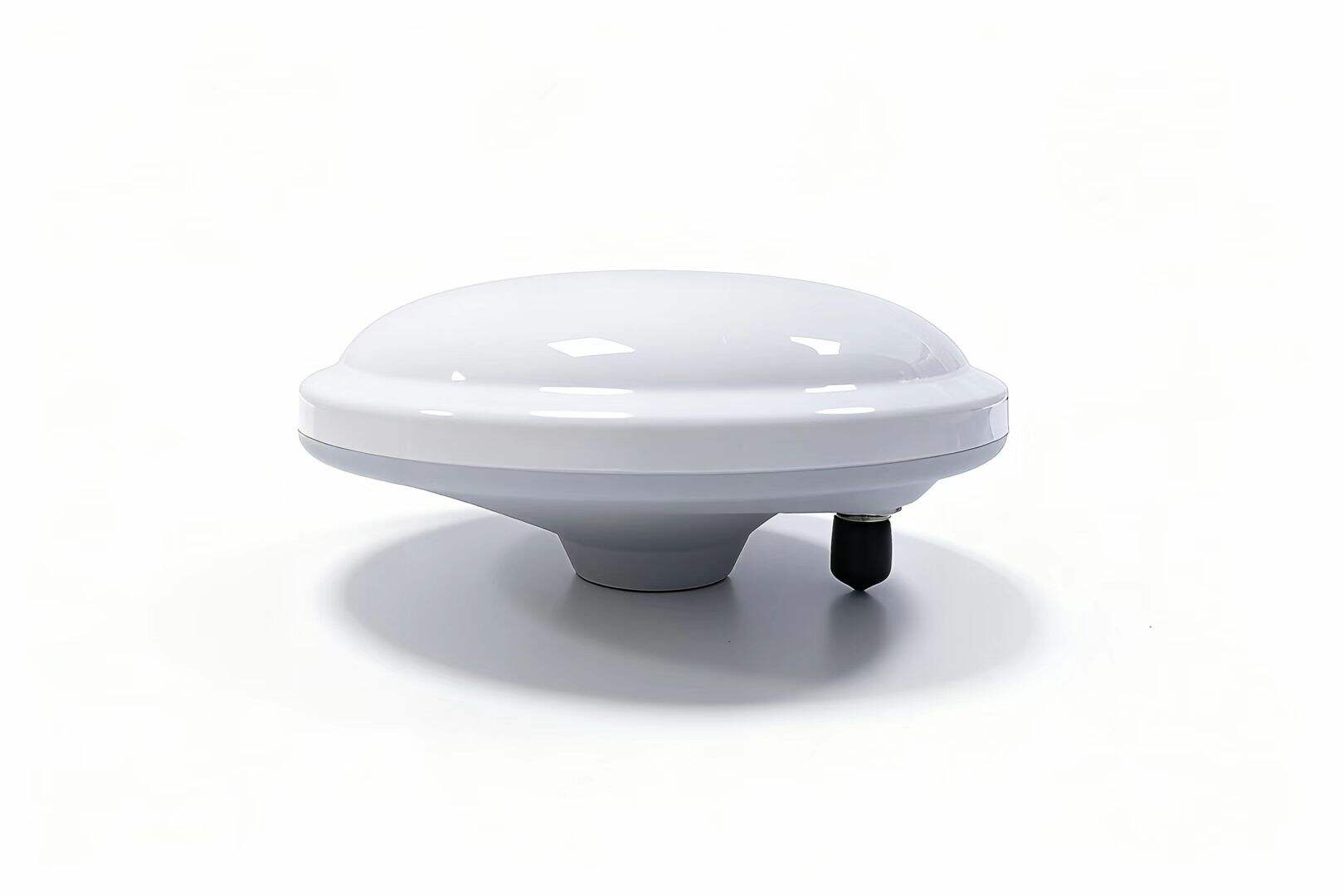
The global positioning system has revolutionized how we navigate, track assets, and conduct precision operations across numerous industries. At the heart of every reliable GPS system lies a critical component: the GPS navigation antenna. This sophisticated device serves as the primary interface between satellites and your navigation equipment, determining the accuracy, reliability, and overall performance of your positioning system. Understanding the intricacies of GPS navigation antenna technology becomes essential when selecting the optimal solution for your specific applications, whether for automotive navigation, marine operations, surveying, or industrial automation.
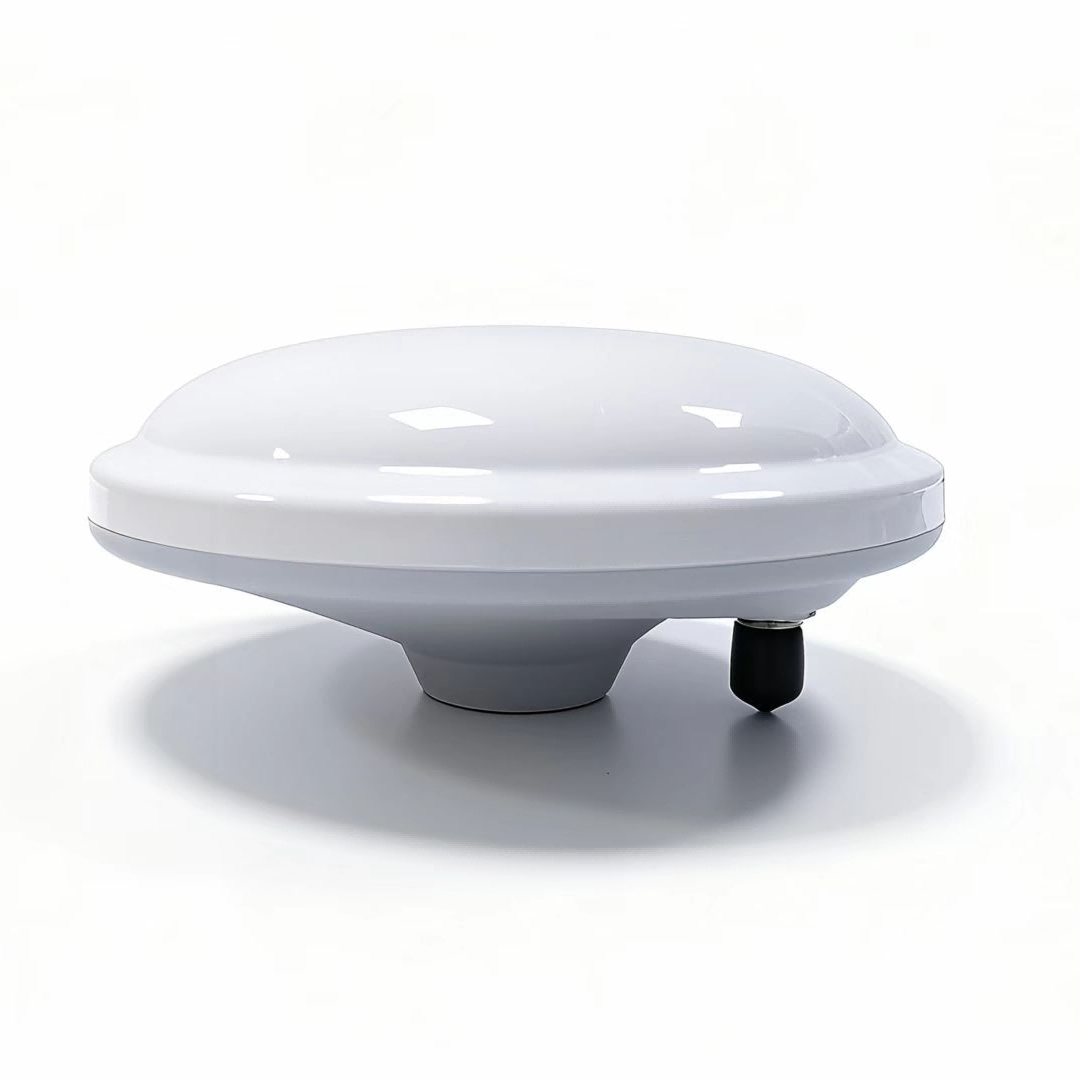
Understanding GPS Navigation Antenna Fundamentals
Signal Reception Technology and Architecture
GPS navigation antenna systems operate by capturing radio frequency signals transmitted from satellites orbiting approximately 20,200 kilometers above Earth. These signals carry precise timing information and orbital data that GPS receivers use to calculate position coordinates through trilateration. The GPS navigation antenna must maintain optimal gain patterns and polarization characteristics to ensure consistent signal acquisition across varying environmental conditions. Modern antenna designs incorporate advanced materials and geometric configurations that maximize signal-to-noise ratio while minimizing multipath interference.
The fundamental architecture of a GPS navigation antenna includes several key components working in harmony. The radiating element, typically a patch or helix configuration, captures electromagnetic energy from satellite transmissions. Ground plane structures provide proper impedance matching and radiation pattern shaping. Low-noise amplifiers integrated within the antenna assembly boost weak satellite signals before transmission to the GPS receiver, ensuring robust performance even in challenging reception environments.
Frequency Band Considerations and Compatibility
Contemporary GPS navigation antenna designs must accommodate multiple frequency bands to achieve optimal positioning accuracy and reliability. The L1 band operating at 1575.42 MHz remains the primary civilian GPS frequency, providing standard positioning services worldwide. However, dual-band and multi-band GPS navigation antenna configurations also support L2 frequencies at 1227.60 MHz, enabling enhanced accuracy through differential correction techniques and improved atmospheric error compensation.
Advanced GPS navigation antenna systems extend compatibility beyond traditional GPS constellations to include GLONASS, Galileo, and BeiDou satellite systems. This multi-constellation capability significantly improves position availability and accuracy, particularly in urban environments where satellite visibility may be limited. The antenna design must maintain consistent performance across all supported frequency bands while preserving compact form factors suitable for various mounting applications.
Performance Characteristics and Technical Specifications
Gain Patterns and Directivity Requirements
The radiation pattern of a GPS navigation antenna directly influences its ability to maintain reliable satellite tracking across the entire visible sky hemisphere. Optimal designs feature broad beamwidth patterns with consistent gain levels from horizon to zenith, typically maintaining at least 3 dBi gain at elevation angles as low as 10 degrees above the horizon. This characteristic ensures reliable signal acquisition even when satellites appear near the horizon, where atmospheric effects and signal path lengths are maximized.
Polarization matching represents another critical aspect of GPS navigation antenna performance. GPS satellites transmit right-hand circularly polarized signals, requiring antennas with matching polarization characteristics to achieve maximum signal coupling efficiency. Cross-polarization discrimination ratios exceeding 10 dB help minimize interference from reflected signals that may arrive with reversed polarization, reducing multipath-induced positioning errors.
Environmental Durability and Operating Conditions
Professional-grade GPS navigation antenna systems must withstand extreme environmental conditions while maintaining consistent performance parameters. Temperature stability becomes particularly important for applications involving precision positioning, as thermal expansion and material property changes can shift antenna characteristics. High-quality designs maintain stable performance across temperature ranges from -40°C to +85°C, ensuring reliable operation in harsh industrial and outdoor environments.
Weather resistance standards for GPS navigation antenna assemblies typically include IP67 or IP68 ratings, providing protection against dust ingress and water immersion. Ultraviolet radiation resistance prevents degradation of antenna radome materials during prolonged outdoor exposure. Vibration and shock resistance specifications ensure continued operation in mobile applications subject to mechanical stress, such as vehicle-mounted navigation systems or marine installations.
Selection Criteria for Optimal GPS Navigation Antenna Performance
Application-Specific Requirements Analysis
Selecting the appropriate GPS navigation antenna requires careful consideration of specific application requirements and operating constraints. Automotive applications typically prioritize compact size, low profile mounting, and resistance to road vibration and weather exposure. The antenna must maintain reliable performance while mounted on metallic vehicle surfaces that can affect radiation patterns and impedance characteristics. Integrated amplification helps overcome cable losses in vehicle installations where antenna placement may be distant from GPS receivers.
Marine and aviation applications demand GPS navigation antenna solutions with enhanced accuracy and reliability characteristics. These environments often require rapid satellite reacquisition after signal blockage and superior multipath rejection capabilities. The antenna must perform consistently despite motion-induced Doppler shifts and varying orientation angles. Salt spray resistance and corrosion protection become essential for marine installations, while aviation applications may require specific certification standards for airworthiness compliance.
Integration and Mounting Considerations
Proper GPS navigation antenna integration involves more than simple mechanical mounting considerations. The antenna requires an adequate ground plane to achieve specified performance characteristics, typically requiring a metallic surface measuring at least one wavelength in diameter. Insufficient ground plane size can degrade antenna gain patterns and introduce undesirable radiation lobes that may increase multipath susceptibility or reduce satellite visibility.
Cable selection and routing significantly impact overall system performance when implementing gps navigation antenna installations. Low-loss coaxial cables minimize signal attenuation between antenna and receiver, particularly important for installations with extended cable runs. Proper cable shielding prevents interference from nearby electronic equipment while maintaining signal integrity throughout the frequency range of interest. Surge protection devices may be necessary for outdoor installations to protect against lightning-induced damage.
Advanced Technologies and Future Developments
Multi-Constellation and Multi-Frequency Capabilities
Modern GPS navigation antenna technology increasingly incorporates multi-constellation reception capabilities, supporting simultaneous tracking of GPS, GLONASS, Galileo, and BeiDou satellite systems. This advancement significantly improves positioning accuracy and availability, particularly in challenging environments where individual constellation visibility may be limited. Multi-constellation GPS navigation antenna designs require broader frequency coverage and more complex matching networks to maintain optimal performance across all supported signal types.
Dual-frequency and triple-frequency GPS navigation antenna configurations enable advanced positioning techniques such as real-time kinematic processing and precise point positioning. These systems achieve centimeter-level accuracy by utilizing carrier phase measurements from multiple frequency bands to eliminate ionospheric delay errors and improve ambiguity resolution. The enhanced accuracy capabilities make these antenna systems ideal for surveying, precision agriculture, and autonomous vehicle applications requiring sub-meter positioning accuracy.
Beamforming and Adaptive Array Technologies
Emerging GPS navigation antenna technologies incorporate adaptive beamforming and array processing techniques to enhance signal reception and interference rejection capabilities. Phased array configurations enable electronic beam steering to maximize gain toward desired satellites while creating nulls in directions of interference sources. This adaptive capability proves particularly valuable in dense urban environments or military applications where intentional interference may be present.
Smart antenna technologies integrate digital signal processing capabilities directly within the GPS navigation antenna assembly, enabling real-time optimization of reception characteristics based on current signal conditions. These systems can automatically adjust gain patterns, polarization, and frequency response to maintain optimal performance despite changing environmental conditions or interference scenarios. Machine learning algorithms may eventually enable predictive optimization based on historical performance data and environmental pattern recognition.
Installation Best Practices and Optimization Techniques
Site Selection and Positioning Strategies
Optimal GPS navigation antenna installation requires careful site selection to maximize satellite visibility while minimizing potential interference sources. The antenna should be positioned with clear line-of-sight access to the sky hemisphere, avoiding nearby structures, vegetation, or metallic objects that could obstruct satellite signals or create multipath reflections. Elevated mounting locations often provide improved performance by reducing masking angles and increasing the number of simultaneously visible satellites.
Proximity to potential interference sources requires careful evaluation during GPS navigation antenna site planning. Radio frequency transmitters, radar installations, and high-power electrical equipment can generate interference that degrades positioning accuracy or prevents satellite signal acquisition. Maintaining adequate separation distances from these sources, typically several wavelengths at GPS frequencies, helps ensure reliable operation. Site surveys using spectrum analyzers can identify existing interference sources before final antenna placement.
Maintenance and Performance Monitoring
Regular maintenance procedures help ensure continued optimal performance of GPS navigation antenna installations throughout their operational lifetime. Visual inspections should verify antenna radome integrity, connector sealing, and mounting hardware security. Environmental contamination such as ice accumulation, bird nesting, or vegetation growth can degrade antenna performance and should be promptly addressed. Cable inspection for damage, corrosion, or water ingress prevents signal degradation and potential system failures.
Performance monitoring systems enable proactive identification of GPS navigation antenna degradation before complete system failure occurs. Signal strength monitoring, satellite tracking statistics, and position accuracy measurements provide indicators of antenna health and environmental changes affecting performance. Automated monitoring systems can alert operators to performance degradation, enabling timely maintenance interventions and minimizing operational disruptions.
FAQ
What factors determine GPS navigation antenna accuracy and reliability
GPS navigation antenna accuracy depends on several interconnected factors including antenna gain pattern consistency, polarization matching with satellite signals, and multipath rejection capabilities. The antenna design must maintain stable performance across temperature variations and environmental conditions while providing adequate signal amplification to overcome cable losses and receiver noise floors. Quality of the ground plane, proper impedance matching, and freedom from nearby interference sources also significantly impact overall system accuracy and reliability.
How does GPS navigation antenna installation affect system performance
Proper installation directly influences GPS navigation antenna performance through factors such as sky visibility, ground plane adequacy, and interference environment. The antenna requires clear line-of-sight access to satellites across the entire sky hemisphere, with minimal masking from nearby objects. Adequate ground plane size ensures proper radiation pattern formation, while proper cable selection and routing maintain signal integrity between antenna and receiver. Poor installation practices can degrade accuracy by several meters or prevent reliable position fixes entirely.
What maintenance requirements apply to GPS navigation antenna systems
GPS navigation antenna systems require periodic inspection and maintenance to ensure continued optimal performance throughout their operational lifetime. Visual inspections should verify radome integrity, connector weatherproofing, and mounting security while checking for environmental contamination or physical damage. Cable inspection for wear, corrosion, or moisture ingress prevents signal degradation, while performance monitoring helps identify developing issues before complete failure occurs. Cleaning of antenna surfaces and verification of grounding connections should be performed according to manufacturer recommendations.
Which GPS navigation antenna specifications matter most for different applications
Application-specific GPS navigation antenna requirements vary significantly based on accuracy needs, environmental conditions, and integration constraints. Surveying applications prioritize multi-frequency capability and phase center stability for centimeter accuracy, while automotive applications emphasize compact size, vibration resistance, and reliable performance on metallic mounting surfaces. Marine applications require corrosion resistance and rapid satellite reacquisition after signal blockage, while aviation applications may need specific certification standards and enhanced reliability characteristics for safety-critical operations.