
 EN
EN
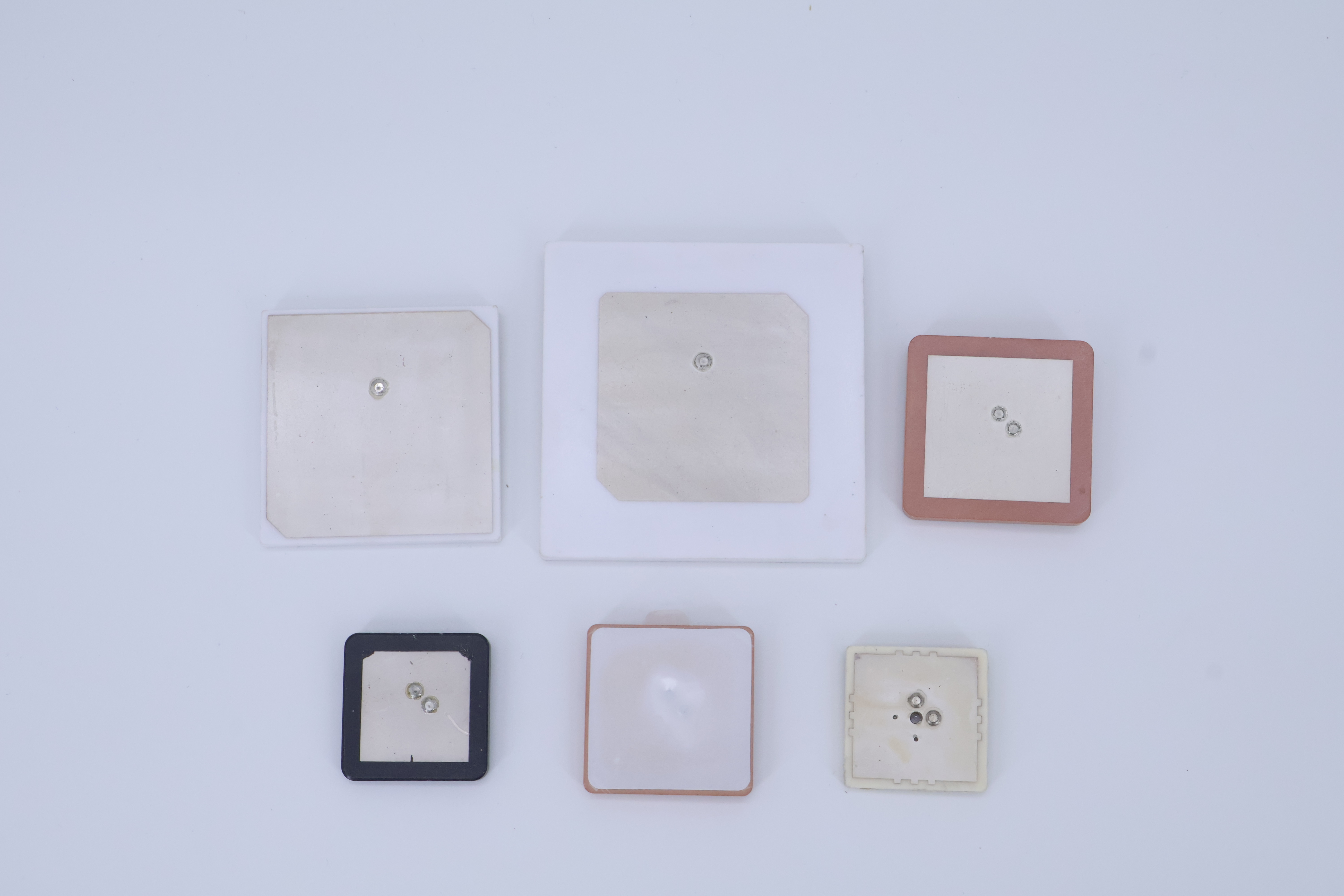
The evolution of antenna technology has reached a critical juncture where engineers must choose between conventional designs and advanced solutions. A microwave dielectric antenna represents the next generation of wireless communication components, offering superior performance characteristics compared to traditional metallic antennas. This technology utilizes specialized ceramic materials with unique dielectric properties to achieve enhanced efficiency, reduced size, and improved signal quality across various frequency bands.

Modern telecommunications infrastructure demands antennas that can handle increasing data rates while maintaining compact form factors. Traditional antenna designs often struggle to meet these requirements due to physical limitations and material constraints. The emergence of dielectric antenna technology addresses these challenges by leveraging advanced ceramics that exhibit exceptional electrical properties at microwave frequencies.
Understanding Microwave Dielectric Antenna Technology
Fundamental Operating Principles
A microwave dielectric antenna operates on fundamentally different principles compared to conventional metallic designs. Instead of relying on conductive elements to radiate electromagnetic energy, these antennas utilize high-permittivity ceramic materials that create resonant cavities. The dielectric resonator acts as the primary radiating element, with electromagnetic fields concentrated within the ceramic structure and efficiently coupled to free space through carefully designed feeding mechanisms.
The resonant frequency of a microwave dielectric antenna depends on the physical dimensions of the ceramic element and the dielectric constant of the material. This relationship allows engineers to achieve very compact designs while maintaining excellent radiation characteristics. The Q-factor of dielectric resonators is typically much higher than traditional metallic antennas, resulting in improved frequency stability and reduced losses.
Temperature stability represents another significant advantage of dielectric antenna technology. High-quality ceramic materials exhibit minimal temperature coefficient variations, ensuring consistent performance across wide operating temperature ranges. This characteristic proves particularly valuable in outdoor installations and harsh environmental conditions where traditional antennas might experience performance degradation.
Material Properties and Construction
The construction of a microwave dielectric antenna requires specialized ceramic materials with specific electrical and mechanical properties. These materials typically feature high dielectric constants ranging from 10 to 100, combined with extremely low loss tangents at microwave frequencies. The manufacturing process involves precise control of ceramic composition, sintering temperatures, and dimensional tolerances to achieve optimal performance.
Modern ceramic formulations used in microwave dielectric antenna applications often incorporate titanium dioxide, barium titanate, or other advanced compounds. These materials undergo extensive quality control testing to ensure consistency in dielectric properties, thermal expansion coefficients, and mechanical strength. The resulting ceramic elements can withstand significant thermal cycling and mechanical stress while maintaining stable electrical characteristics.
Surface finish and geometric precision play crucial roles in antenna performance. Manufacturing tolerances must be maintained within micrometers to ensure proper resonant behavior and impedance matching. Advanced machining techniques and quality assurance protocols help achieve the required specifications for commercial and military applications.
Traditional Antenna Limitations and Challenges
Size and Weight Constraints
Traditional metallic antennas face inherent limitations related to their physical dimensions and operating wavelengths. At microwave frequencies, conventional designs often require substantial ground planes, parasitic elements, or extended radiating structures to achieve acceptable performance. These requirements result in bulky assemblies that may not suit modern compact electronic systems or portable applications.
The relationship between antenna size and operating frequency becomes particularly problematic at lower microwave bands where wavelengths approach several centimeters. Traditional patch antennas, dipoles, and monopoles must maintain specific dimensional ratios relative to the operating wavelength, limiting miniaturization possibilities. Weight considerations also become significant in aerospace, automotive, and handheld device applications where every gram matters.
Manufacturing tolerances for traditional antennas can be less stringent than those required for dielectric designs, but achieving consistent performance across production batches remains challenging. Variations in substrate properties, conductor thickness, and assembly processes can lead to performance variations that affect overall system reliability.
Bandwidth and Efficiency Limitations
Conventional antenna designs often struggle to achieve wide bandwidth operation while maintaining high efficiency levels. The fundamental trade-offs between antenna size, bandwidth, and gain create design constraints that limit application flexibility. Traditional microstrip antennas, for example, typically exhibit narrow bandwidth characteristics that may not accommodate modern wideband communication requirements.
Efficiency losses in traditional antennas occur through various mechanisms including conductor losses, dielectric losses in substrate materials, and mismatch losses due to impedance variations. These losses become more significant at higher frequencies where skin effect and other parasitic effects increase. The cumulative impact of these loss mechanisms can substantially reduce overall system performance, particularly in applications requiring maximum power transfer efficiency.
Environmental sensitivity represents another challenge for traditional antenna designs. Temperature variations, humidity changes, and mechanical stress can alter the electrical properties of substrate materials and affect antenna performance. This sensitivity requires additional compensation circuits or environmental protection measures that add complexity and cost to the overall system.
Performance Comparison Analysis
Radiation Characteristics and Efficiency
When comparing radiation characteristics, a microwave dielectric antenna demonstrates superior efficiency levels compared to traditional designs. The high Q-factor of ceramic resonators translates directly to reduced losses and improved radiation efficiency. Typical efficiency values for dielectric antennas range from 85% to 95%, significantly higher than conventional microstrip designs that may achieve 60% to 80% efficiency under similar operating conditions.
Radiation patterns from microwave dielectric antenna systems exhibit excellent symmetry and low cross-polarization levels. The three-dimensional field distribution within the ceramic resonator creates naturally balanced radiation characteristics without requiring complex feeding networks or additional matching circuits. This inherent balance contributes to improved antenna gain and reduced interference with adjacent systems.
Frequency stability represents a critical advantage of dielectric technology. The temperature coefficient of resonant frequency for high-quality ceramic materials can be near zero, ensuring stable operation across wide temperature ranges. Traditional antennas typically exhibit frequency drift due to thermal expansion of metallic elements and substrate materials, requiring compensation techniques or acceptance of reduced performance.
Size and Integration Benefits
The compact nature of microwave dielectric antenna designs enables significant space savings in modern electronic systems. A typical dielectric resonator antenna can achieve the same performance as a traditional patch antenna while occupying 30% to 50% less volume. This size reduction proves particularly valuable in applications where space constraints limit design options or where multiple antennas must coexist in close proximity.
Integration flexibility represents another key advantage of dielectric antenna technology. The ceramic elements can be mounted directly on circuit boards using standard surface-mount techniques, eliminating the need for additional mechanical support structures. This integration approach simplifies manufacturing processes and reduces assembly costs while improving overall system reliability.
The three-dimensional nature of dielectric resonators allows for innovative antenna array configurations that would be difficult or impossible to achieve with traditional planar designs. Stacked configurations, clustered arrangements, and conformal installations become feasible when using ceramic antenna elements, opening new possibilities for system-level optimization.
Application Domains and Use Cases
Telecommunications Infrastructure
Modern cellular base station equipment increasingly relies on microwave dielectric antenna technology to achieve the performance levels required for 5G and beyond. The combination of high efficiency, compact size, and excellent frequency stability makes dielectric antennas ideal for massive MIMO applications where hundreds of antenna elements must operate in coordinated arrays. Base station manufacturers appreciate the consistent performance characteristics and simplified thermal management requirements.
Point-to-point microwave communication links benefit significantly from the superior efficiency and stability of dielectric antenna systems. Long-distance communication requires maximum power transfer efficiency to achieve acceptable link budgets, making the high efficiency of ceramic antennas particularly valuable. The reduced size also simplifies tower installation and reduces wind loading concerns in outdoor installations.
Satellite communication terminals represent another growing application area for microwave dielectric antenna technology. The combination of wide bandwidth capability and temperature stability makes these antennas suitable for both mobile and fixed satellite terminals. Military and commercial satellite systems increasingly specify dielectric antennas for critical communication links where reliability and performance cannot be compromised.
Automotive and IoT Applications
The automotive industry has embraced microwave dielectric antenna technology for advanced driver assistance systems, vehicle-to-everything communication, and infotainment applications. The compact size and high efficiency of ceramic antennas enable seamless integration into vehicle body panels and electronic control units without compromising aesthetic design or aerodynamic performance.
Internet of Things devices benefit from the miniaturization possibilities offered by dielectric antenna designs. Battery-powered sensors, smart meters, and wearable devices require antennas that maximize efficiency while minimizing size and cost. The inherent efficiency advantages of ceramic antennas directly translate to extended battery life and improved system performance in these applications.
Industrial automation systems increasingly rely on reliable wireless communication links for sensor networks, machine monitoring, and process control applications. The robust performance characteristics and environmental stability of microwave dielectric antenna systems make them ideal for harsh industrial environments where traditional antennas might fail due to temperature extremes, vibration, or chemical exposure.
Cost Considerations and Economic Factors
Initial Investment and Manufacturing Costs
The initial cost of microwave dielectric antenna components typically exceeds that of conventional designs due to specialized materials and precise manufacturing requirements. High-quality ceramic materials and tight dimensional tolerances contribute to higher unit costs, particularly for low-volume applications. However, this cost differential continues to narrow as manufacturing volumes increase and production processes become more refined.
Manufacturing complexity for dielectric antennas involves specialized ceramic processing techniques, precision machining capabilities, and extensive quality control procedures. These requirements may necessitate significant capital investment in production equipment and skilled personnel training. However, the resulting manufacturing process offers excellent repeatability and consistent product quality once properly established.
Economies of scale play a significant role in determining the cost-effectiveness of microwave dielectric antenna technology. Large-volume applications such as consumer electronics and automotive systems can achieve competitive pricing through optimized production processes and bulk material purchasing. The trend toward higher integration levels and automated assembly techniques continues to drive down manufacturing costs.
Total Cost of Ownership Benefits
Long-term cost analysis often favors microwave dielectric antenna solutions due to superior reliability and reduced maintenance requirements. The inherent stability of ceramic materials translates to extended service life and fewer field failures compared to traditional antenna designs. This reliability advantage becomes particularly valuable in applications where service access is difficult or expensive.
System-level cost savings result from the improved efficiency and performance characteristics of dielectric antennas. Higher radiation efficiency reduces power amplifier requirements, leading to lower power consumption and reduced cooling needs. The compact size enables smaller enclosures and simplified mechanical designs, contributing to overall system cost reductions.
Design flexibility offered by microwave dielectric antenna technology can accelerate product development cycles and reduce engineering costs. The predictable performance characteristics and wide range of available configurations allow engineers to optimize designs more quickly and achieve first-pass design success more frequently than with traditional approaches.
Future Technology Trends and Developments
Material Science Advances
Ongoing research in ceramic materials science continues to push the boundaries of microwave dielectric antenna performance. New material formulations promise even higher dielectric constants, lower loss tangents, and improved temperature stability. Advanced processing techniques including additive manufacturing and precision molding enable new geometric configurations that were previously impossible to produce economically.
Metamaterial integration represents an exciting frontier for dielectric antenna technology. Combining traditional ceramic resonators with engineered metamaterial structures opens possibilities for unprecedented control over electromagnetic field distributions and radiation characteristics. These hybrid approaches may enable new antenna functions such as beam steering, polarization control, and frequency agility within compact ceramic packages.
Multifunctional ceramic materials that combine dielectric properties with other useful characteristics such as thermal conductivity, mechanical strength, or sensing capabilities are emerging from research laboratories. These materials could enable new applications where antennas serve multiple system functions beyond basic radiation, further increasing the value proposition of microwave dielectric antenna technology.
Integration and System-Level Innovations
The trend toward higher levels of integration continues to drive innovation in microwave dielectric antenna packaging and mounting techniques. Direct integration with semiconductor devices, embedding within multilayer circuit boards, and incorporation into system-in-package solutions are becoming more common. These integration approaches reduce assembly complexity and improve overall system performance.
Artificial intelligence and machine learning techniques are beginning to influence microwave dielectric antenna design optimization processes. Advanced simulation tools combined with AI-driven optimization algorithms enable exploration of complex design spaces that would be impractical using traditional design methods. This computational approach promises to unlock new performance levels and accelerate development timelines.
Reconfigurable and adaptive antenna systems based on dielectric technology are emerging as solutions for next-generation wireless systems. By combining multiple ceramic resonators with switching networks or variable coupling mechanisms, these systems can adapt their radiation characteristics to changing environmental conditions or system requirements, maximizing performance under varying operating scenarios.
FAQ
What are the main advantages of microwave dielectric antennas over traditional designs
Microwave dielectric antennas offer several key advantages including higher efficiency typically ranging from 85% to 95%, significantly smaller size requiring 30% to 50% less volume, excellent temperature stability with near-zero frequency drift, and superior Q-factor resulting in better frequency selectivity. These antennas also demonstrate lower cross-polarization levels and more symmetric radiation patterns compared to traditional metallic designs.
How does the cost of microwave dielectric antennas compare to conventional options
Initial costs for microwave dielectric antennas are typically higher due to specialized ceramic materials and precision manufacturing requirements. However, total cost of ownership often favors dielectric solutions due to superior reliability, reduced maintenance needs, lower power consumption from higher efficiency, and system-level savings from compact size enabling smaller enclosures and simplified mechanical designs.
What applications benefit most from microwave dielectric antenna technology
Applications that benefit most include 5G base stations and massive MIMO systems, satellite communication terminals, automotive radar and communication systems, IoT devices requiring extended battery life, point-to-point microwave links, and industrial automation systems operating in harsh environments. Any application requiring high efficiency, compact size, or excellent temperature stability will find significant advantages in dielectric antenna technology.
Are there any limitations or drawbacks to using microwave dielectric antennas
The main limitations include higher initial material costs, more complex manufacturing processes requiring specialized equipment and expertise, and the need for precise dimensional tolerances that can increase quality control requirements. Additionally, the ceramic materials can be more fragile than traditional metallic antennas, requiring careful handling during assembly and installation processes.
Table of Contents
- Understanding Microwave Dielectric Antenna Technology
- Traditional Antenna Limitations and Challenges
- Performance Comparison Analysis
- Application Domains and Use Cases
- Cost Considerations and Economic Factors
- Future Technology Trends and Developments
-
FAQ
- What are the main advantages of microwave dielectric antennas over traditional designs
- How does the cost of microwave dielectric antennas compare to conventional options
- What applications benefit most from microwave dielectric antenna technology
- Are there any limitations or drawbacks to using microwave dielectric antennas