
 EN
EN
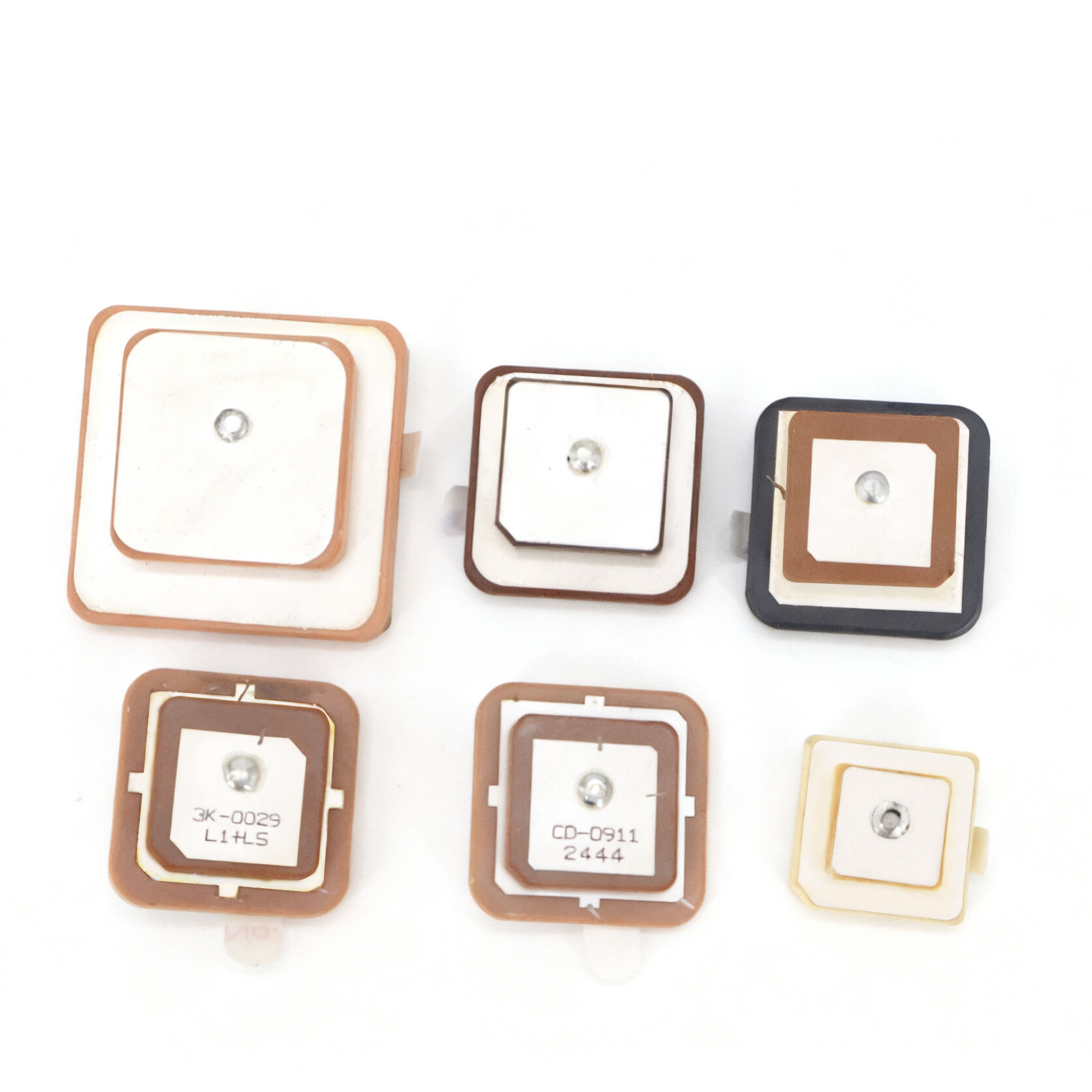
The evolution of wireless communication systems has driven unprecedented demand for compact, high-performance antenna solutions. Modern microwave dielectric antenna technology represents a breakthrough in addressing the growing need for efficient signal transmission across diverse applications. These sophisticated components leverage advanced ceramic materials to achieve superior electrical properties while maintaining reduced form factors that traditional antenna designs simply cannot match.

Engineering teams across industries are increasingly adopting microwave dielectric antenna solutions to overcome the limitations of conventional metallic antennas. The unique properties of dielectric materials enable engineers to design compact systems that deliver exceptional performance in challenging electromagnetic environments. This technology has become particularly crucial in applications where space constraints and performance requirements create seemingly impossible design challenges.
Understanding the fundamental principles behind microwave dielectric antenna operation requires examining both the material science and electromagnetic theory that govern their behavior. The integration of specialized ceramic compounds creates opportunities for enhanced signal propagation while minimizing unwanted interference. These characteristics make dielectric antennas indispensable components in modern communication infrastructure.
Fundamental Principles of Dielectric Antenna Technology
Material Properties and Electromagnetic Behavior
The foundation of microwave dielectric antenna performance lies in the unique electromagnetic properties of carefully engineered ceramic materials. These materials exhibit high dielectric constants that concentrate electromagnetic fields, enabling significant size reduction compared to air-filled antenna structures. The dielectric constant directly influences the wavelength of electromagnetic waves within the material, allowing engineers to create compact designs without sacrificing performance.
Advanced ceramic compositions used in microwave dielectric antenna construction typically feature low loss tangents, ensuring efficient energy transfer with minimal dissipation. The temperature stability of these materials maintains consistent performance across varying environmental conditions. Quality factor measurements demonstrate the superior efficiency achieved through precise material selection and processing techniques.
Permittivity control represents another critical aspect of dielectric antenna design. Engineers can manipulate the dielectric properties through careful selection of ceramic compositions, creating tailored solutions for specific frequency ranges. This flexibility enables optimization for diverse applications while maintaining the compact form factor that distinguishes dielectric antennas from traditional alternatives.
Wave Propagation Mechanisms
Electromagnetic wave propagation within microwave dielectric antenna structures follows complex patterns determined by the interaction between the dielectric material and the surrounding environment. Surface waves propagate along the dielectric-air interface, while volume waves travel through the bulk material. Understanding these propagation modes is essential for optimizing antenna radiation patterns and efficiency.
The boundary conditions at dielectric interfaces create unique field distributions that enhance radiation characteristics. Mode coupling between different propagation mechanisms can be engineered to achieve desired performance objectives. Proper design consideration of these wave interactions enables engineers to maximize radiation efficiency while minimizing unwanted losses.
Resonant frequency determination in microwave dielectric antenna systems depends on the physical dimensions and material properties of the dielectric structure. The relationship between geometry and resonance enables precise frequency control through dimensional optimization. This predictable behavior simplifies the design process and enables reliable performance across manufacturing variations.
Design Considerations and Performance Optimization
Geometric Configuration Strategies
Successful microwave dielectric antenna design requires careful consideration of geometric parameters that influence both electrical and mechanical performance. Shape optimization plays a crucial role in determining radiation patterns, bandwidth characteristics, and overall system efficiency. Engineers must balance competing requirements such as size constraints, frequency response, and manufacturing feasibility.
Aspect ratio selection significantly impacts the resonant behavior and bandwidth of microwave dielectric antenna systems. Cylindrical configurations offer advantages in certain applications, while rectangular geometries may be preferred for others. The choice of geometric configuration depends on specific application requirements and integration constraints within larger systems.
Surface treatments and metallization patterns provide additional design flexibility for performance enhancement. Strategic placement of conductive elements can modify current distributions and improve impedance matching. These techniques enable fine-tuning of antenna characteristics without requiring major changes to the underlying dielectric structure.
Frequency Response Characteristics
The frequency response of microwave dielectric antenna systems exhibits distinctive characteristics that distinguish them from conventional antenna technologies. Bandwidth performance depends on the interaction between material properties, geometric factors, and excitation methods. Understanding these relationships enables engineers to optimize designs for specific frequency requirements.
Harmonic suppression represents a significant advantage of microwave dielectric antenna technology compared to traditional metallic structures. The inherent properties of dielectric materials naturally attenuate unwanted harmonic content, improving signal quality and reducing interference potential. This characteristic proves particularly valuable in dense electromagnetic environments.
Temperature stability of frequency response ensures reliable operation across varying environmental conditions. The low temperature coefficient of resonant frequency exhibited by quality dielectric materials maintains consistent performance without requiring complex compensation mechanisms. This stability reduces system complexity and improves long-term reliability.
Manufacturing Processes and Quality Control
Ceramic Processing Techniques
Manufacturing high-performance microwave dielectric antenna components requires sophisticated ceramic processing techniques that ensure consistent material properties and dimensional accuracy. The powder preparation stage involves careful selection and blending of raw materials to achieve target dielectric characteristics. Particle size distribution and chemical purity directly influence the final electrical properties of the ceramic structure.
Forming processes for microwave dielectric antenna ceramics include pressing, casting, and extrusion techniques, each offering specific advantages for different geometric configurations. Die pressing provides excellent dimensional control for simple shapes, while isostatic pressing enables uniform density distribution in complex geometries. The selection of forming method depends on production volume requirements and geometric complexity.
Sintering parameters critically affect the microstructure and electrical properties of microwave dielectric antenna ceramics. Temperature profiles, atmosphere control, and heating rates must be precisely controlled to achieve optimal density and minimize porosity. Advanced sintering techniques such as hot pressing or spark plasma sintering may be employed for specialized applications requiring enhanced performance.
Testing and Validation Procedures
Comprehensive testing protocols ensure that microwave dielectric antenna products meet stringent performance specifications required for demanding applications. Dielectric property measurements using resonant cavity techniques provide accurate characterization of permittivity and loss tangent values. These measurements must be performed across the intended frequency range to verify consistent performance.
Radiation pattern measurements in anechoic chambers validate the antenna performance under controlled conditions. Far-field measurements provide essential data on directivity, gain, and polarization characteristics. Near-field scanning techniques enable detailed analysis of current distributions and identification of potential performance issues.
Environmental testing subjects microwave dielectric antenna components to thermal cycling, humidity exposure, and mechanical stress to verify long-term reliability. Accelerated aging tests provide confidence in the durability of ceramic materials under challenging operating conditions. These validation procedures ensure consistent performance throughout the product lifecycle.
Application Areas and Industry Implementation
Wireless Communication Systems
Modern wireless communication infrastructure relies heavily on microwave dielectric antenna technology to enable compact base station designs and improved coverage patterns. The size reduction achieved through dielectric loading allows integration of multiple antenna elements in space-constrained installations. This capability proves essential for dense urban deployments where physical space limitations constrain traditional antenna solutions.
Cellular network evolution toward higher frequencies drives increased adoption of microwave dielectric antenna solutions. The superior performance characteristics at millimeter-wave frequencies make dielectric antennas particularly attractive for 5G and beyond applications. Beamforming capabilities enabled by compact antenna arrays enhance network capacity and user experience.
Satellite communication systems benefit from the lightweight and compact characteristics of microwave dielectric antenna technology. The reduced size and weight enable more efficient spacecraft designs while maintaining communication performance requirements. Ground-based satellite terminals also leverage these advantages for portable and mobile applications.
Automotive and Transportation Applications
The automotive industry has embraced microwave dielectric antenna technology for various vehicle communication systems, including GPS navigation, cellular connectivity, and emerging vehicle-to-everything communication protocols. The compact form factor enables seamless integration into vehicle body panels without compromising aesthetic design. The robust nature of ceramic materials withstands the harsh automotive environment.
Advanced driver assistance systems rely on microwave dielectric antenna components for radar and communication functions. The precise beam control achieved through dielectric antenna arrays enhances detection accuracy and reduces false alarms. Integration challenges in modern vehicles drive continued innovation in miniaturization and performance optimization.
Transportation infrastructure applications include traffic monitoring systems, toll collection, and fleet management solutions that utilize microwave dielectric antenna technology. The reliability and performance consistency of these systems support critical transportation operations. Weather resistance and long-term stability prove essential for outdoor installations.
Future Developments and Emerging Technologies
Advanced Material Research
Ongoing research in microwave dielectric antenna materials focuses on developing new ceramic compositions with enhanced performance characteristics. Novel dopant systems and processing techniques promise improved temperature stability and reduced losses. Metamaterial concepts integrated with traditional dielectric approaches open new possibilities for performance enhancement.
Additive manufacturing techniques are being explored for producing complex microwave dielectric antenna geometries that cannot be achieved through conventional processing methods. Three-dimensional printing of ceramic materials enables rapid prototyping and customization of antenna designs. These manufacturing advances may revolutionize the design and production of specialized antenna solutions.
Composite material approaches combine the advantages of different dielectric materials to optimize specific performance characteristics. Gradient dielectric structures enable tailored electromagnetic field distributions for enhanced performance. These advanced material concepts push the boundaries of what is achievable with conventional microwave dielectric antenna designs.
Integration and System-Level Innovations
System-level integration of microwave dielectric antenna technology with active electronic components creates opportunities for enhanced functionality and reduced system complexity. Embedded antenna approaches integrate dielectric elements directly into circuit board substrates. These integration techniques enable more compact and cost-effective solutions.
Smart antenna systems incorporating microwave dielectric antenna elements with adaptive control algorithms offer dynamic performance optimization. Machine learning approaches enable real-time adjustment of antenna characteristics based on environmental conditions and system requirements. These intelligent systems represent the future direction of antenna technology development.
Reconfigurable microwave dielectric antenna designs using tunable materials or mechanical adjustment mechanisms provide unprecedented flexibility in antenna performance. Electrically controlled tuning enables optimization for changing operating conditions without manual intervention. These adaptive capabilities expand the application possibilities for dielectric antenna technology.
FAQ
What advantages do microwave dielectric antennas offer over traditional metallic antennas
Microwave dielectric antennas provide significant size reduction compared to traditional metallic antennas due to the wavelength compression effect in high dielectric constant materials. They also offer better harmonic suppression, improved temperature stability, and enhanced bandwidth characteristics. The ceramic materials used in dielectric antennas are inherently more resistant to corrosion and environmental degradation than metallic structures.
How do material properties affect microwave dielectric antenna performance
The dielectric constant directly determines the size reduction achievable in microwave dielectric antenna designs, with higher values enabling more compact structures. Loss tangent affects the efficiency and quality factor of the antenna, with lower values providing better performance. Temperature coefficient of dielectric constant influences frequency stability across varying environmental conditions.
What manufacturing challenges are associated with microwave dielectric antenna production
Manufacturing microwave dielectric antennas requires precise control of ceramic processing parameters including powder preparation, forming techniques, and sintering conditions. Achieving consistent dielectric properties across production batches demands careful material selection and process control. Dimensional accuracy and surface finish requirements add complexity to the manufacturing process compared to traditional antenna fabrication.
What applications benefit most from microwave dielectric antenna technology
Applications requiring compact antenna solutions with high performance benefit most from microwave dielectric antenna technology. These include mobile communication devices, automotive radar systems, satellite communications, and IoT sensors. Any application where size constraints limit traditional antenna performance while demanding reliable electromagnetic characteristics represents an ideal candidate for dielectric antenna implementation.
Table of Contents
- Fundamental Principles of Dielectric Antenna Technology
- Design Considerations and Performance Optimization
- Manufacturing Processes and Quality Control
- Application Areas and Industry Implementation
- Future Developments and Emerging Technologies
-
FAQ
- What advantages do microwave dielectric antennas offer over traditional metallic antennas
- How do material properties affect microwave dielectric antenna performance
- What manufacturing challenges are associated with microwave dielectric antenna production
- What applications benefit most from microwave dielectric antenna technology