
 EN
EN
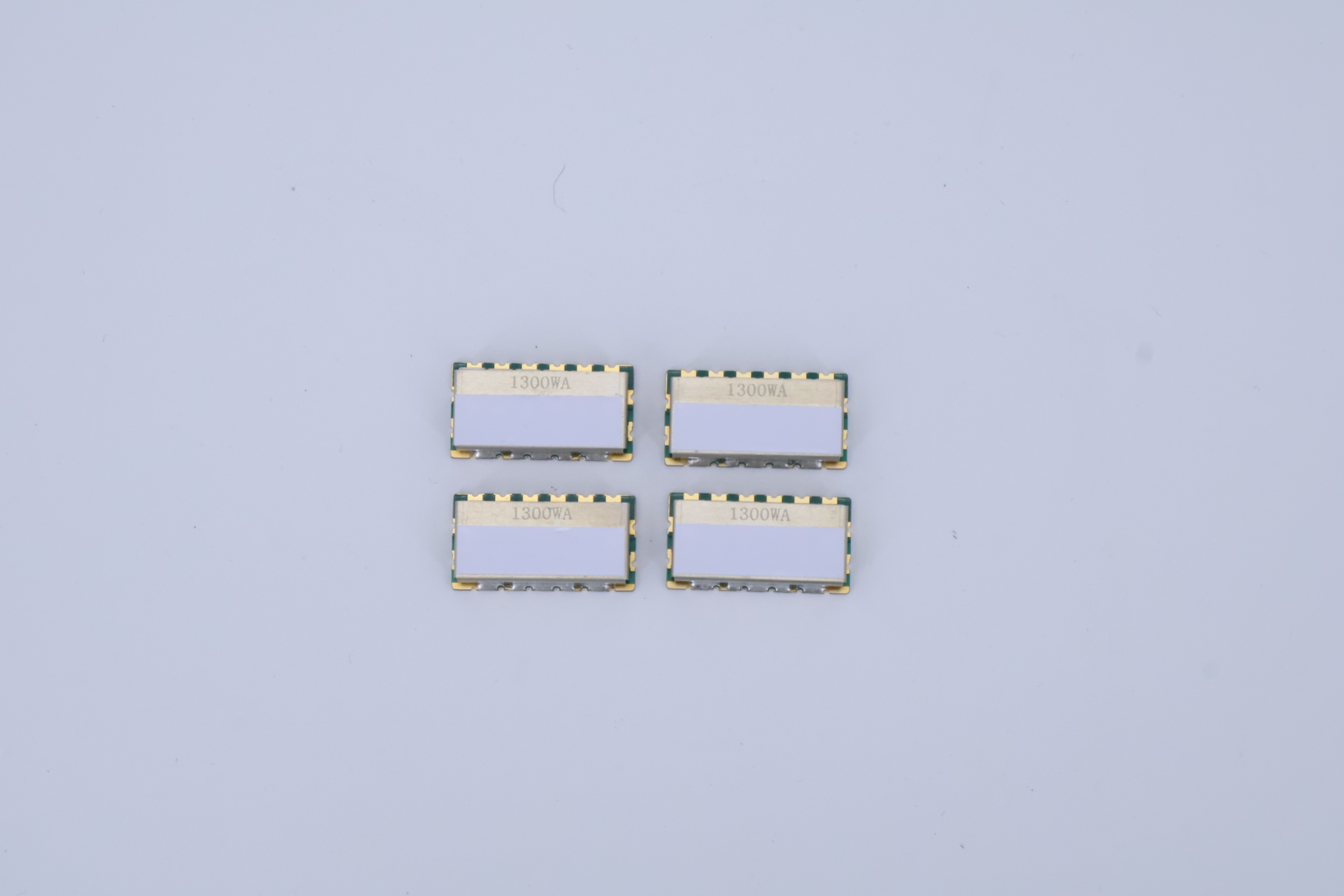
The Internet of Things ecosystem continues to expand rapidly, driving demand for compact, efficient antenna solutions that can handle diverse connectivity requirements. When designing IoT devices, selecting the right antenna technology becomes crucial for ensuring reliable communication across various environments and applications. A ceramic patch antenna represents one of the most versatile and performance-oriented solutions available for modern IoT deployments, offering unique advantages in terms of miniaturization, durability, and electromagnetic performance.

IoT applications span countless industries, from smart agriculture and industrial monitoring to healthcare devices and connected vehicles. Each application presents unique challenges regarding size constraints, environmental conditions, power consumption, and communication requirements. Understanding these factors helps engineers make informed decisions when evaluating antenna technologies for their specific use cases.
Understanding Ceramic Patch Antenna Technology
Fundamental Design Principles
A ceramic patch antenna utilizes high-permittivity ceramic materials as the substrate, enabling significant size reduction compared to traditional printed circuit board antennas. The ceramic substrate typically features dielectric constants ranging from 10 to 100, allowing for substantial miniaturization while maintaining acceptable radiation characteristics. This technology combines the radiating patch element with a ground plane, creating a resonant structure that efficiently converts electrical energy into electromagnetic waves.
The ceramic material properties play a critical role in determining antenna performance characteristics. High-quality ceramic substrates exhibit low loss tangents, stable temperature coefficients, and consistent dielectric properties across frequency ranges. These materials enable the ceramic patch antenna to maintain consistent performance across varying environmental conditions, making them particularly suitable for demanding IoT applications.
Manufacturing and Construction Methods
Modern ceramic patch antenna manufacturing employs advanced ceramic processing techniques to achieve precise dimensional control and consistent electrical properties. The process typically involves forming ceramic green tape, screen printing conductive patterns, and firing at high temperatures to create the final antenna structure. This manufacturing approach enables excellent repeatability and allows for integration of multiple antenna elements or additional passive components.
Surface mount technology integration represents another significant advantage of ceramic patch antenna designs. The ceramic substrate provides excellent mechanical stability and thermal management, allowing for reliable soldering and mounting on printed circuit boards. Many designs incorporate integrated baluns or matching networks, simplifying system integration and reducing overall component count.
Performance Characteristics and Advantages
Size Reduction Benefits
The primary advantage of ceramic patch antenna technology lies in its exceptional miniaturization capability. Compared to air-dielectric patch antennas, ceramic versions can achieve size reductions of 70-90% while maintaining similar radiation patterns and efficiency levels. This dramatic size reduction proves essential for IoT devices where space constraints represent major design challenges.
Miniaturization benefits extend beyond simple space savings. Smaller antenna footprints enable more flexible device form factors, allowing designers to optimize product aesthetics and functionality. The compact nature of ceramic patch antenna designs also facilitates integration into wearable devices, sensors, and other space-constrained applications where traditional antenna solutions would be impractical.
Environmental Stability and Durability
Ceramic materials exhibit exceptional stability across wide temperature ranges, making ceramic patch antenna solutions ideal for harsh environment applications. The ceramic substrate maintains consistent electrical properties from -40°C to +85°C or higher, ensuring reliable communication performance regardless of operating conditions. This temperature stability proves particularly valuable for outdoor IoT deployments, automotive applications, and industrial monitoring systems.
Chemical resistance represents another significant advantage of ceramic patch antenna technology. Unlike organic substrates that may degrade when exposed to moisture, chemicals, or UV radiation, ceramic materials maintain their properties indefinitely under normal operating conditions. This durability translates to improved long-term reliability and reduced maintenance requirements for IoT systems.
Frequency Band Considerations for IoT Applications
Multi-Band Design Capabilities
Modern IoT devices often require connectivity across multiple frequency bands to support different communication standards such as WiFi, Bluetooth, cellular, and proprietary protocols. A well-designed ceramic patch antenna can accommodate multiple resonant frequencies through careful geometric optimization and multi-layer construction techniques.
Dual-band and tri-band ceramic patch antenna configurations enable IoT devices to maintain connectivity across different network types while minimizing antenna count and system complexity. These designs typically incorporate multiple radiating elements or utilize higher-order modes to achieve the desired frequency coverage. Advanced simulation tools and optimization algorithms help engineers develop multi-band solutions that meet specific application requirements.
Bandwidth Optimization Strategies
IoT applications may require different bandwidth characteristics depending on data transmission requirements and regulatory constraints. Narrow-band applications such as sensor networks can utilize high-Q ceramic patch antenna designs that maximize efficiency while minimizing interference. Conversely, broadband applications requiring high data rates benefit from bandwidth enhancement techniques such as parasitic elements, thick substrates, or aperture coupling.
Bandwidth optimization involves careful balance between antenna size, efficiency, and frequency coverage. Engineers must consider trade-offs between these parameters when developing ceramic patch antenna solutions for specific IoT applications. Advanced design techniques such as metamaterial integration or frequency-agile configurations can help achieve optimal bandwidth characteristics while maintaining compact form factors.
Integration and Mounting Considerations
PCB Integration Strategies
Successful ceramic patch antenna integration requires careful consideration of printed circuit board layout, ground plane configuration, and component placement. The antenna's ground plane connection significantly impacts radiation pattern characteristics and impedance matching. Proper ground plane design ensures optimal antenna performance while minimizing interference from nearby electronic components.
Keep-out zones around ceramic patch antenna installations help maintain performance specifications by preventing electromagnetic coupling with adjacent circuitry. These zones typically extend several wavelengths from the antenna structure and should remain clear of metal objects, high-frequency traces, or switching circuits that could degrade antenna performance. Proper PCB layout guidelines help engineers maximize antenna effectiveness within space-constrained IoT device designs.
Mechanical Mounting Solutions
Ceramic patch antenna mounting solutions must accommodate both electrical and mechanical requirements while providing reliable long-term performance. Surface mount packages offer the most compact integration approach, utilizing standard pick-and-place assembly equipment and reflow soldering processes. These packages typically feature gold-plated terminals and standardized footprints that simplify manufacturing and quality control procedures.
Alternative mounting approaches include direct ceramic bonding, wire bonding, or connector-based solutions depending on specific application requirements. Each mounting method presents different trade-offs regarding size, cost, performance, and assembly complexity. Engineers must evaluate these factors against their specific IoT device requirements to select the optimal mounting approach for their ceramic patch antenna implementation.
Performance Testing and Validation
Laboratory Measurement Procedures
Comprehensive ceramic patch antenna testing requires specialized equipment and procedures to validate performance characteristics across all operating conditions. Vector network analyzers measure impedance matching, return loss, and transmission characteristics across the desired frequency range. Anechoic chamber testing evaluates radiation patterns, gain, and efficiency parameters under controlled electromagnetic environments.
Temperature cycling tests verify ceramic patch antenna stability across the intended operating temperature range. These tests typically involve multiple temperature cycles while monitoring electrical parameters to identify potential performance degradation or reliability issues. Accelerated aging tests help predict long-term performance characteristics and validate design margins for extended operational lifetimes.
Real-World Performance Validation
Field testing provides essential validation of ceramic patch antenna performance under actual operating conditions. Real-world environments present challenges such as multipath propagation, interference, and varying atmospheric conditions that laboratory testing cannot fully replicate. Field validation helps identify potential performance issues and validates theoretical predictions against measured results.
Over-the-air testing with actual IoT communication protocols provides the most comprehensive performance validation. These tests evaluate communication range, data throughput, and connection reliability under various environmental conditions. Comparative testing against alternative antenna solutions helps quantify the specific advantages of ceramic patch antenna technology for targeted IoT applications.
Cost and Manufacturing Considerations
Economic Factors in Design Selection
Ceramic patch antenna cost considerations extend beyond initial component pricing to include system-level factors such as integration complexity, testing requirements, and manufacturing yield. While ceramic antennas may carry higher unit costs compared to printed antennas, their superior performance and reliability often justify the premium for demanding IoT applications. Total cost of ownership calculations should include factors such as field failure rates, maintenance requirements, and product lifetime.
Volume pricing considerations significantly impact ceramic patch antenna economic viability for different IoT applications. High-volume consumer applications may benefit from simplified ceramic antenna designs that balance performance with cost optimization. Conversely, low-volume specialized applications can justify premium ceramic patch antenna solutions that maximize performance and reliability characteristics.
Supply Chain and Manufacturing Scalability
Ceramic patch antenna supply chains require specialized manufacturing capabilities and quality control procedures that may differ from standard electronic component suppliers. Establishing reliable supplier relationships becomes crucial for maintaining consistent product quality and delivery schedules. Many suppliers offer design support services that help optimize ceramic patch antenna specifications for specific IoT applications.
Manufacturing scalability considerations include production capacity, lead times, and customization capabilities. Standard ceramic patch antenna products offer shorter lead times and lower costs but may require design compromises. Custom designs provide optimal performance characteristics but typically require longer development cycles and higher minimum order quantities. Engineers must balance these factors against their specific project timelines and volume requirements.
Future Trends and Innovations
Advanced Materials and Technologies
Emerging ceramic materials promise to further enhance ceramic patch antenna performance characteristics for next-generation IoT applications. Low-temperature co-fired ceramic technologies enable integration of passive components and complex multi-layer structures within single ceramic substrates. These advances facilitate more sophisticated antenna designs with enhanced functionality and reduced system complexity.
Metamaterial integration represents another promising avenue for ceramic patch antenna enhancement. Engineered metamaterial structures can modify electromagnetic wave propagation characteristics, enabling novel antenna behaviors such as beam steering, bandwidth enhancement, or size reduction beyond conventional limits. Research continues into practical metamaterial implementations that can be manufactured cost-effectively for IoT applications.
Integration with Emerging Technologies
Fifth-generation cellular networks and emerging IoT communication standards present new challenges and opportunities for ceramic patch antenna technology. Massive MIMO systems require antenna arrays with precise phase relationships and minimal coupling between elements. Ceramic substrates provide excellent platform stability and repeatable electrical characteristics essential for these demanding applications.
Artificial intelligence and machine learning technologies increasingly influence ceramic patch antenna design and optimization processes. AI-driven design tools can explore vast parameter spaces to identify optimal antenna geometries for specific performance targets. These tools accelerate development cycles and enable exploration of complex multi-objective optimization problems that would be impractical using traditional design approaches.
FAQ
What are the main advantages of ceramic patch antenna over traditional PCB antennas for IoT devices
Ceramic patch antenna designs offer significant size reduction compared to PCB antennas due to their high-dielectric constant substrates, typically achieving 70-90% smaller footprints. They provide superior temperature stability, maintaining consistent performance from -40°C to +85°C, and exhibit excellent chemical resistance for harsh environment applications. The ceramic material also enables better mechanical stability and improved long-term reliability compared to organic PCB substrates.
How do I determine the appropriate frequency bands for my IoT application
Frequency band selection depends on your specific communication requirements, regulatory constraints, and deployment environment. Consider factors such as data rate requirements, communication range, power consumption limits, and interference levels. Many IoT applications benefit from multi-band ceramic patch antenna designs that support multiple protocols such as WiFi, Bluetooth, and cellular simultaneously, providing connectivity redundancy and flexibility.
What mounting and integration challenges should I expect with ceramic patch antenna implementation
Key integration challenges include proper ground plane design, maintaining adequate keep-out zones around the antenna, and ensuring reliable soldering connections. The ceramic patch antenna requires careful PCB layout to prevent electromagnetic interference from nearby components. Surface mount packages typically offer the most straightforward integration approach, but proper thermal management during reflow soldering remains critical to prevent ceramic cracking or performance degradation.
How can I validate ceramic patch antenna performance for my specific IoT application
Comprehensive validation requires both laboratory testing and real-world field trials. Laboratory measurements using vector network analyzers and anechoic chambers verify basic electrical parameters such as impedance matching, radiation patterns, and efficiency. Field testing under actual operating conditions validates communication range, data throughput, and reliability performance. Consider conducting comparative testing against alternative antenna solutions to quantify specific performance advantages for your application requirements.
Table of Contents
- Understanding Ceramic Patch Antenna Technology
- Performance Characteristics and Advantages
- Frequency Band Considerations for IoT Applications
- Integration and Mounting Considerations
- Performance Testing and Validation
- Cost and Manufacturing Considerations
- Future Trends and Innovations
-
FAQ
- What are the main advantages of ceramic patch antenna over traditional PCB antennas for IoT devices
- How do I determine the appropriate frequency bands for my IoT application
- What mounting and integration challenges should I expect with ceramic patch antenna implementation
- How can I validate ceramic patch antenna performance for my specific IoT application