
 EN
EN
In the rapidly changing arena of modern wireless communications, the engineering demand for processing high-frequency electromagnetic signals has reached unprecedented levels. To understand this technological progression, we have to look closely at the underlying components that make it possible. Among these critical devices are ceramic filters, which have transitioned from specialized radio components into the foundational building blocks of 5G base stations and low-Earth orbit (LEO) satellite constellations like Starlink. Companies such as Jiaxing Ruishang Electronic Technology Co., Ltd. (RSWave, online at www.rswave.com) have been at the forefront of this industrial shift, developing advanced radio frequency (RF) components to meet the requirements of today's connected world. This article will examine how ceramic filters have evolved, their technical mechanisms, and how they bridge the gap between terrestrial 5G infrastructure and space-based communication networks.
The Fundamentals of Ceramic Filters and Dielectric Resonators
Before diving into the high-level applications, it is necessary to first build a clear understanding of what a ceramic filter actually is and how it functions within a high-frequency system. At its core, a ceramic filter is an electronic component that is designed to perform the action of allowing specific frequencies to pass through while simultaneously working to block or suppress other unwanted frequencies. It achieves this filtering capability by leveraging the physical properties of ceramic materials that exhibit a high dielectric constant (often represented by the symbol εr\varepsilon_rεr).
When an electromagnetic wave enters the ceramic material, the wave's speed is reduced due to the high dielectric constant of the material. This allows the physical wavelength of the signal to become much shorter inside the ceramic than it would be in free space. Consequently, engineers are able to design resonators that are significantly smaller than traditional hollow metal cavity resonators. By coupling multiple dielectric resonators together, a bandpass filter is created. The key performance metrics of these components include:
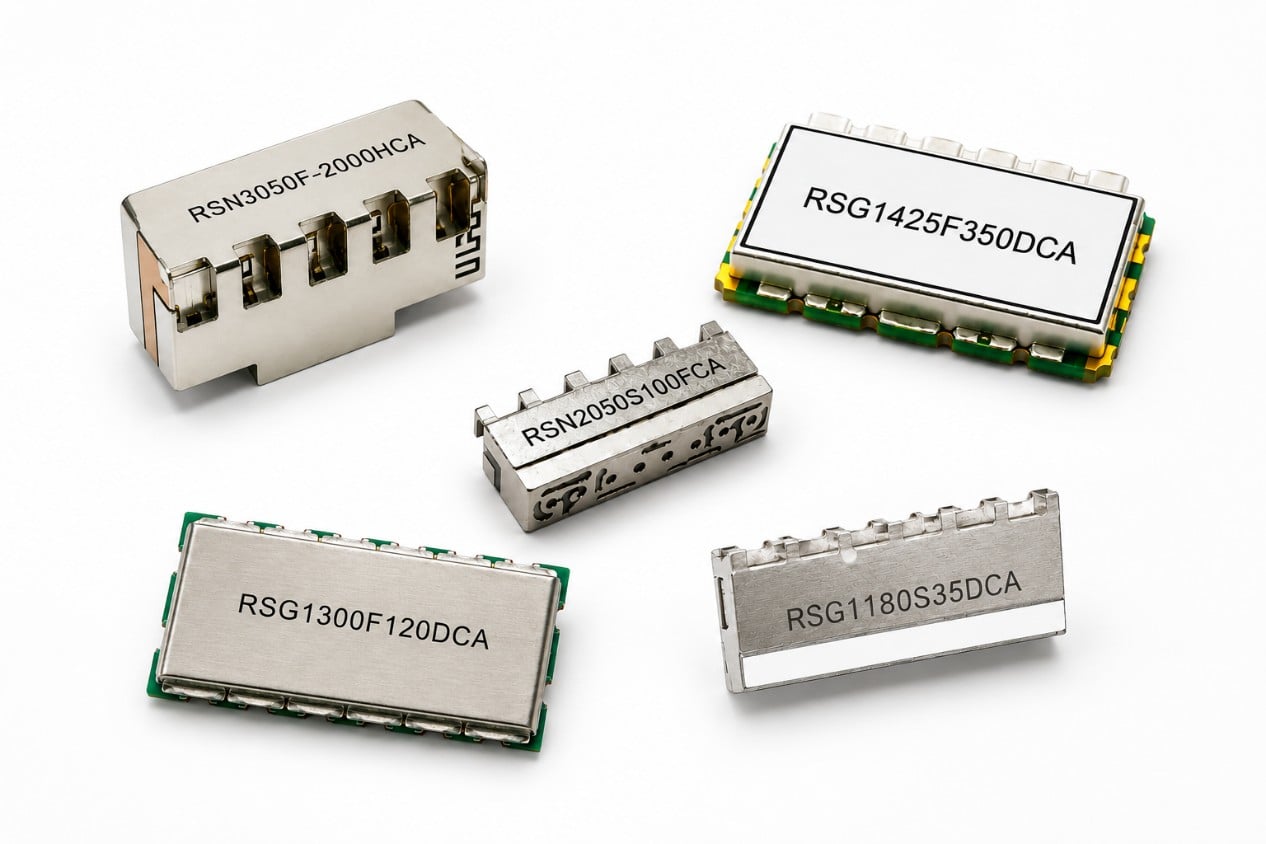
- Quality Factor (Q-value): This metric represents the efficiency of the energy storage within the resonator. A higher Q-value means lower insertion loss, which ensures the signal does not lose its strength.
- Temperature Coefficient of Frequency (TCF): This determines how stable the filter’s center frequency remains when the temperature changes. Excellent TCF is critical for outdoor base stations and space environments.
- Dielectric Constant (εr\varepsilon_rεr): The higher this value, the smaller the physical dimensions of the filter can be, which is a major factor in modern miniaturization.
The 5G Base Station Revolution: Driving Miniaturization and Integration
With the transition from 4G LTE to 5G technology, the telecommunications industry faced a major physical challenge. 5G networks utilize Massive MIMO (Multiple-Input Multiple-Output) antenna arrays, which require up to 64 transmit and 64 receive channels (64T64R) on a single base station tower. In older 4G systems, metal cavity filters were the standard. However, placing 64 heavy, bulky metal cavity filters onto a single antenna pole is structurally impossible due to weight and wind resistance limitations.
This is where ceramic dielectric waveguide filters stepped in to solve the problem. By utilizing specialized ceramic formulations, manufacturers like RSWave were able to produce filters that are up to 80% smaller and 70% lighter than their metal counterparts.
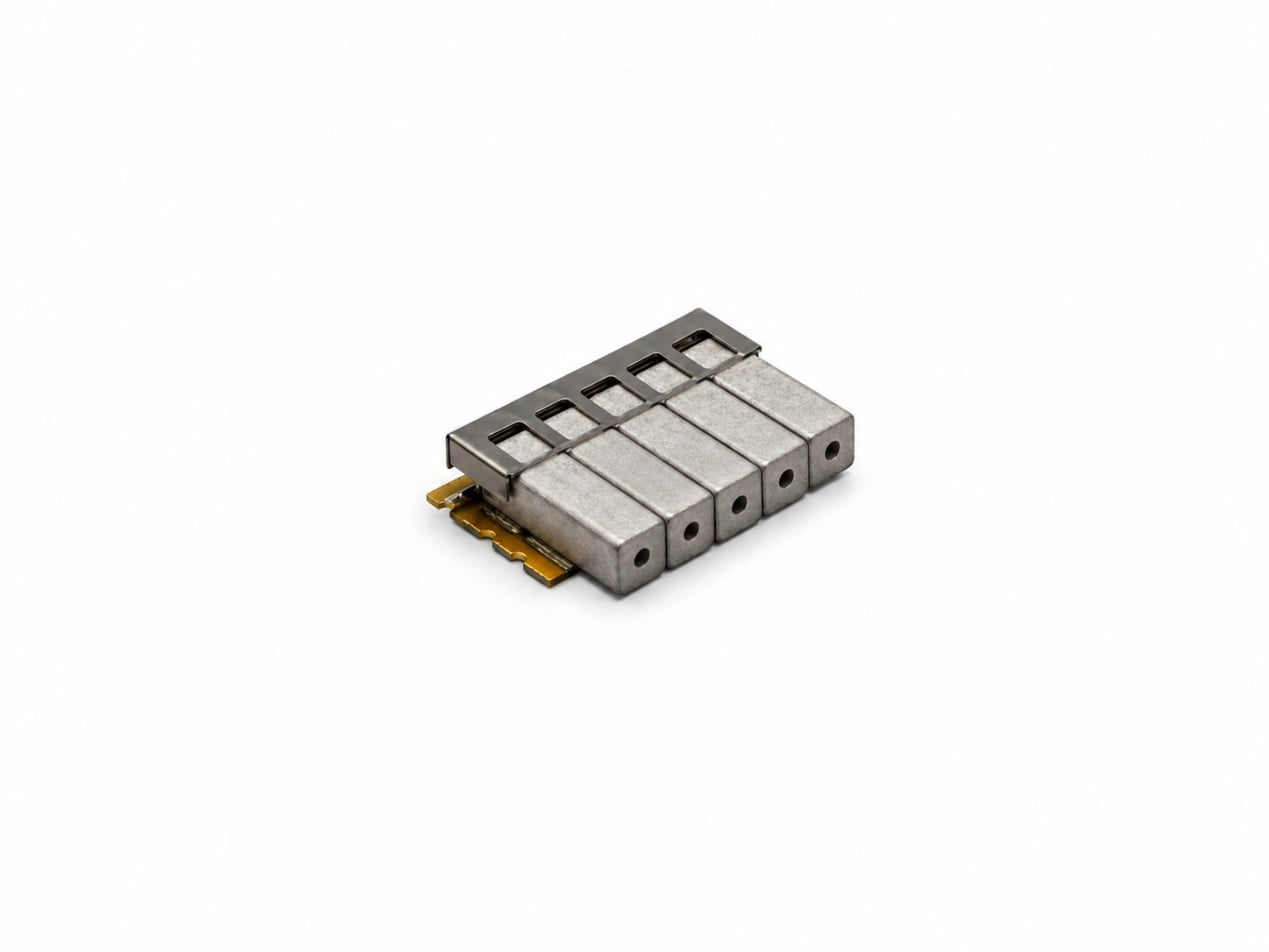
On the one hand, these ceramic filters provide the necessary power handling and low insertion loss required for high-power base stations. On the other hand, their compact size allows them to be directly integrated onto the antenna's transceiver PCB board.
Furthermore, 5G operates in higher frequency bands, such as the sub-6 GHz range (3.5 GHz, 4.8 GHz) and millimeter-wave (mmWave) bands. At these higher frequencies, signal loss is naturally much higher. Ceramic filters help mitigate this by providing sharp out-of-band rejection, preventing interference from neighboring frequency bands while keeping insertion loss to an absolute minimum.
Starlink and LEO Satellites: The New Frontier for RF Components
While 5G was transforming terrestrial communications, companies like SpaceX were beginning to build mega-constellations of low-Earth orbit (LEO) satellites, such as Starlink, to provide global broadband internet access. The RF requirements for space-based communication are significantly different and far more demanding than those for ground-based base stations.
LEO satellites orbit the Earth at altitudes ranging from 300 to 1,200 kilometers. They communicate using high-frequency bands, primarily the Ku-band (12–18 GHz) and Ka-band (26.5–40 GHz). To handle these ultra-high frequencies while operating in the harsh environment of space, RF filters must meet extreme standards:
- Thermal Extremes: In space, a satellite can experience rapid temperature swings from -55°C when in the Earth's shadow to over +125°C when exposed directly to solar radiation. Ceramic filters must maintain their frequency stability without drifting, requiring materials with near-zero TCF.
- Size and Weight Constraints: Every gram of payload launched into orbit costs money. The lightweight property of ceramic dielectric materials is highly beneficial here, allowing satellite manufacturers to optimize their payload capacity.
- Outgassing and Vacuum Stability: Materials used in space must not release volatile organic compounds in a vacuum. Advanced ceramic filters are manufactured with inorganic, inorganic-metallized surfaces that are completely stable in high-vacuum environments.
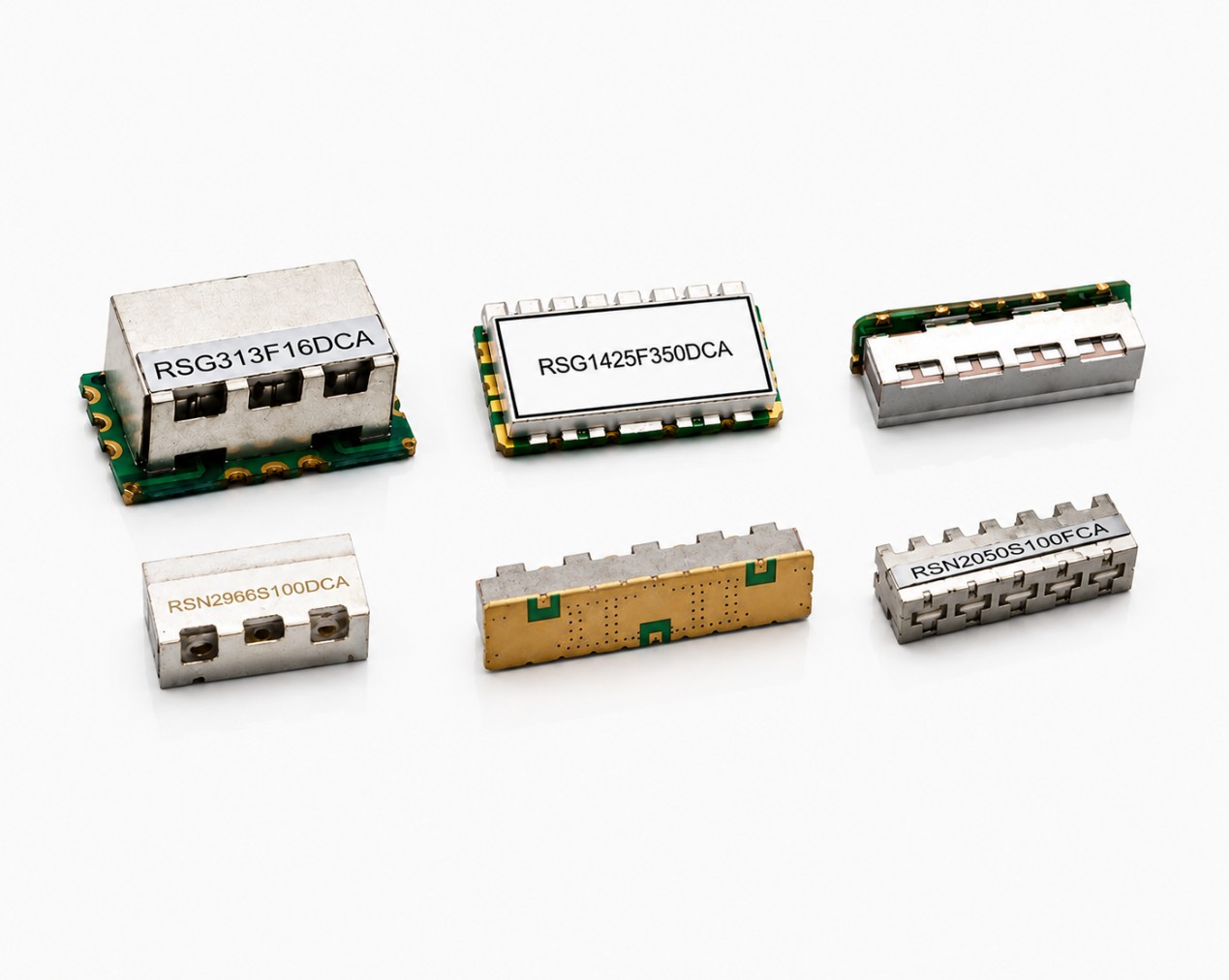
RSWave’s high-frequency ceramic bandpass filters and duplexers are specifically designed to address these challenges, ensuring reliable signal routing between the satellite's phased array antennas and transceiver systems.
The Chemistry and Engineering Behind High-Performance Ceramics
To achieve the level of performance required for both 5G and satellite applications, advanced materials engineering is critical. The ceramics used in these filters are not ordinary pottery clays; they are sophisticated microwave dielectric ceramic compounds, often containing oxides of barium, titanium, neodymium, and samarium.
The manufacturing process involves several highly controlled steps:
- Powder Preparation: Mixing raw materials with precise stoichiometry to control the dielectric constant (εr\varepsilon_rεr) and Q-factor.
- Sintering: Firing the shaped ceramic bodies at temperatures exceeding 1300°C to achieve a dense, uniform crystalline structure.
- Metallization: Applying a thin layer of highly conductive silver (Ag) or copper (Cu) to the outer surfaces of the ceramic to form the ground plane and electrode patterns.
- Precision Tuning: Using laser trimming or mechanical tuning to adjust the frequency response to exact specifications.
By controlling these variables, RSWave can customize filters for specific center frequencies, bandwidths, and rejection profiles, ensuring that customers receive components tailored exactly to their system requirements.
E-E-A-T and Industry Standards: Why Material Quality Matters
In high-reliability fields like aerospace and telecommunications, product failures can result in massive financial losses or system downtime. Therefore, verifying the engineering authority and testing protocols of component manufacturers is crucial.
At RSWave, quality control is integrated into every step of the production process. The company utilizes advanced vector network analyzers (VNAs) to test parameters such as insertion loss, return loss, and out-of-band rejection across wide temperature ranges. Furthermore, all products comply with environmental regulations such as RoHS and REACH, ensuring that they are safe for global deployment.
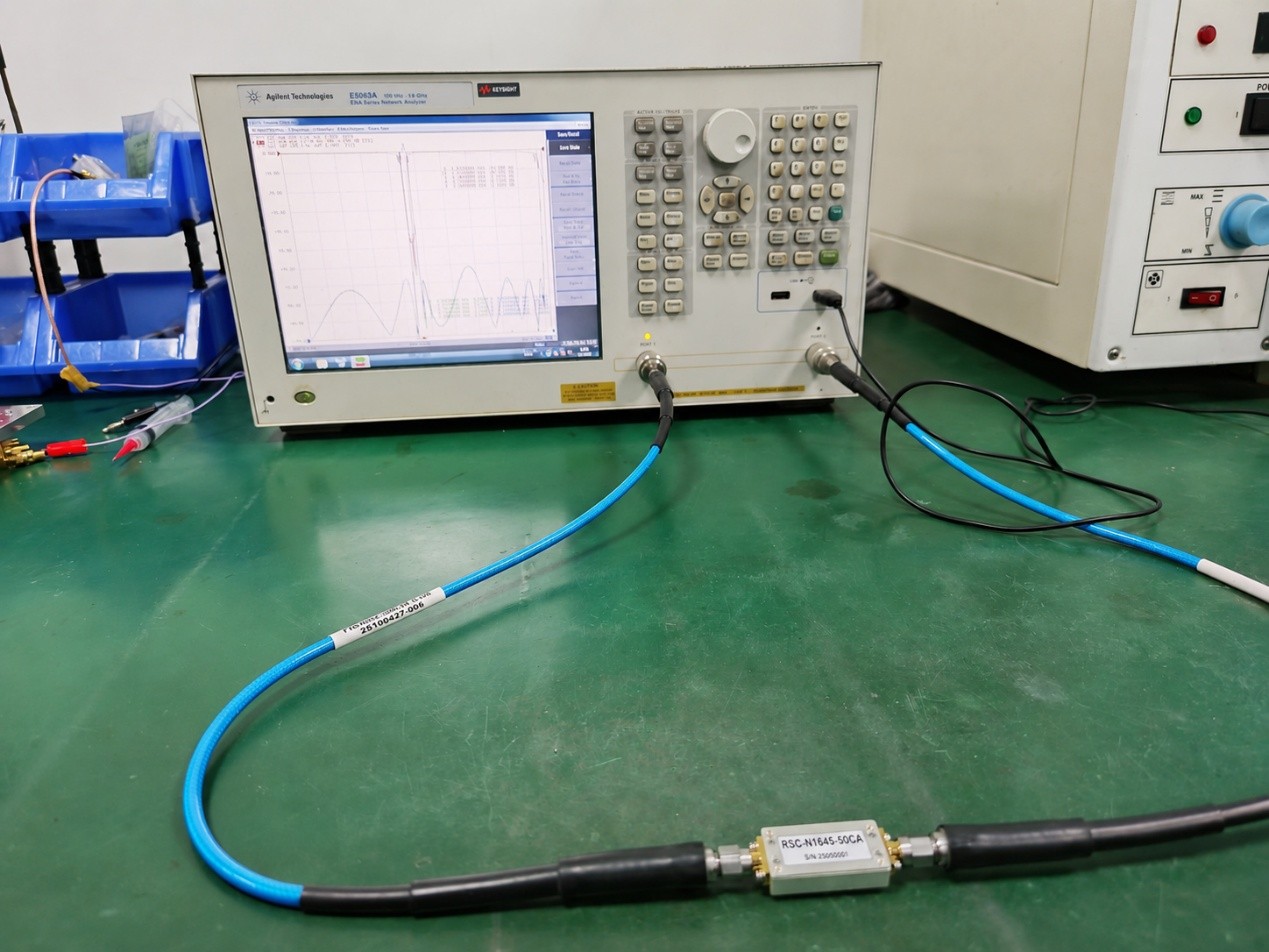
By providing fully documented datasheets, mechanical drawings, and RF simulation models, RSWave demonstrates its commitment to engineering transparency and trustworthiness, aligning with the industry's highest standards.
Conclusion: Bridging the Gap
As we move toward the next generation of communication technology—including 6G and deeper space exploration—the evolution of ceramic filters will continue. From the crowded streets of cities utilizing 5G to the silent orbits of LEO satellites like Starlink, these small ceramic components are the unsung heroes keeping our world connected.
As a professional manufacturer of microwave and RF components, Jiaxing Ruishang Electronic Technology Co., Ltd. (RSWave) remains dedicated to pushing the boundaries of ceramic dielectric technology. Whether you require standard 5G filters or custom RF solutions for satellite payloads, RSWave provides the technical expertise and manufacturing capability to support your project.
For more detailed product specifications, data sheets, and customized design consultations, please visit our official website at www.rswave.com.
Table of Contents
- The Fundamentals of Ceramic Filters and Dielectric Resonators
- The 5G Base Station Revolution: Driving Miniaturization and Integration
- Starlink and LEO Satellites: The New Frontier for RF Components
- The Chemistry and Engineering Behind High-Performance Ceramics
- E-E-A-T and Industry Standards: Why Material Quality Matters
- Conclusion: Bridging the Gap