
 EN
EN
As Low Earth Orbit (LEO) satellite constellations continue to transform global connectivity, Starlink has become one of the world's most recognized satellite broadband networks. By deploying thousands of satellites in low Earth orbit, Starlink delivers high-speed internet access to remote communities, maritime operations, aviation, emergency response, and industrial applications where traditional terrestrial infrastructure is difficult or impossible to deploy.
Behind every reliable satellite communication link is a sophisticated RF front-end architecture. One of the most critical components within this architecture is the RF filter. Although often overlooked, RF filters determine how efficiently a communication system transmits, receives, and protects high-frequency signals from interference. As operating frequencies continue moving into Ku-band and Ka-band, high-performance microwave dielectric ceramic filters have become indispensable for maintaining signal quality, minimizing insertion loss, and improving overall communication reliability.
For manufacturers specializing in RF passive components, such as Jiaxing Ruishang Electronic Technology Co., Ltd. (RSWave), advanced microwave ceramic filter technology plays an increasingly important role in supporting next-generation satellite communication infrastructure.
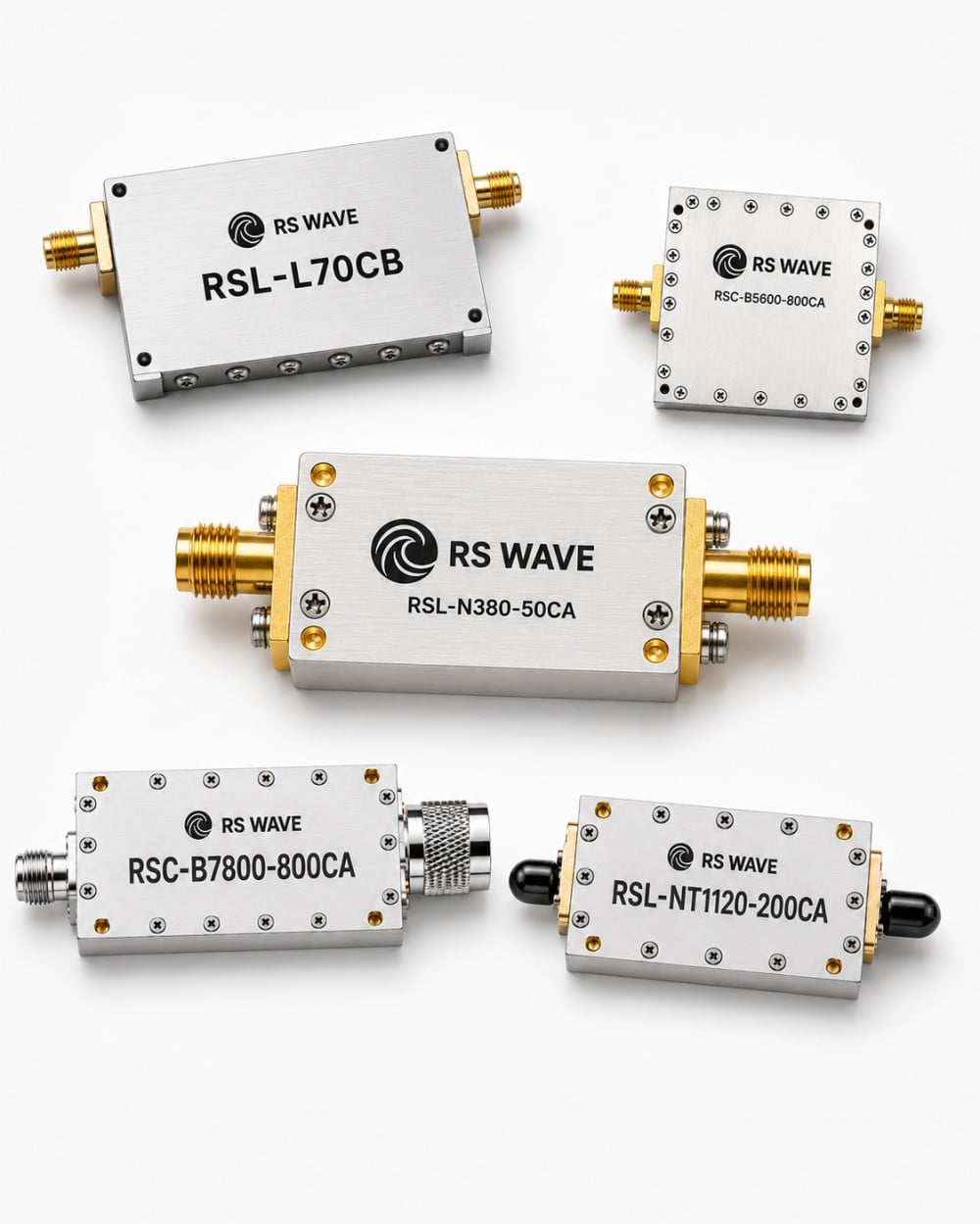
Why RF Filters Are Essential in Starlink Satellite Systems
Unlike conventional cellular networks, Starlink terminals simultaneously communicate with rapidly moving satellites using highly directional phased-array antennas. These systems operate across crowded RF environments where multiple wireless services share adjacent frequency bands.
Without effective RF filtering, satellite receivers may experience:
- Adjacent channel interference
- Harmonic distortion
- Out-of-band electromagnetic noise
- Reduced receiver sensitivity
- Lower data throughput
- Increased bit error rates
RF filters selectively pass desired communication frequencies while suppressing unwanted signals, allowing both the satellite payload and user terminal to maintain stable and efficient communication.
In modern satellite communication, RF filters are not simply signal-cleaning components—they are fundamental building blocks of the entire RF front end.
Low Insertion Loss Maximizes Signal Efficiency
One of the most important specifications for any satellite RF filter is low insertion loss.
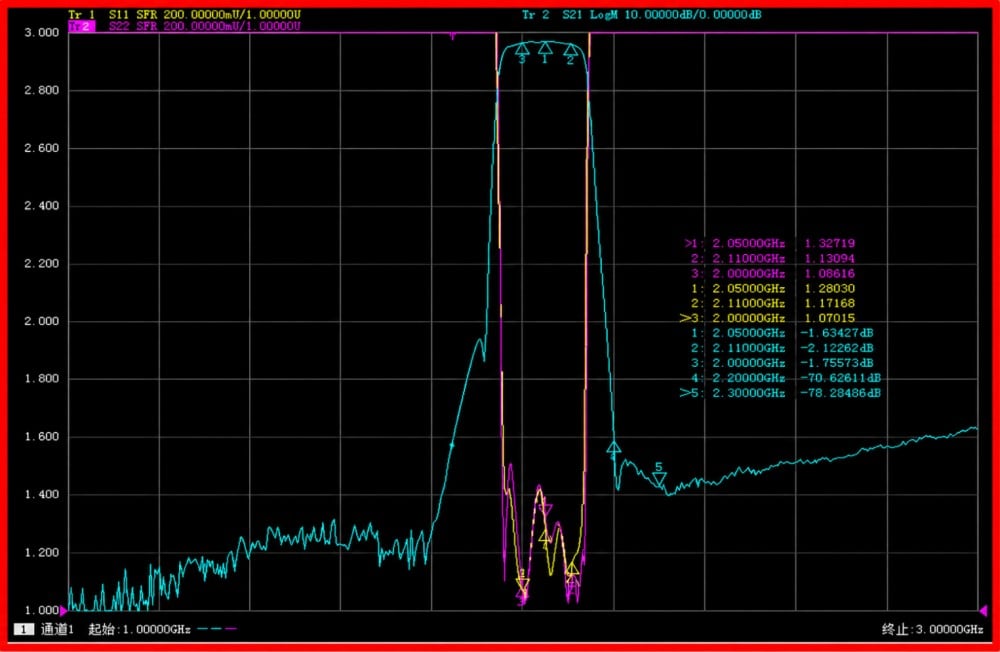
Insertion loss represents the amount of signal power lost when RF energy passes through a filter. Even a small increase in insertion loss can significantly reduce communication performance over long transmission distances.
For Starlink-style LEO communication systems, low insertion loss provides several advantages:
- Higher receiver sensitivity
- Stronger uplink and downlink signals
- Improved signal-to-noise ratio (SNR)
- Lower power amplifier requirements
- Greater communication range
- Reduced energy consumption
Because Starlink satellites continuously establish and hand off communication links, minimizing signal attenuation helps maintain seamless broadband connectivity even under challenging environmental conditions.
Microwave dielectric ceramic filters are particularly valued because they combine low insertion loss with excellent frequency selectivity, making them ideal for high-frequency satellite applications.
High Selectivity Reduces Interference
Satellite communication systems operate in increasingly congested spectrum environments.
Besides Starlink satellites, communication terminals may encounter signals from:
- 5G base stations
- Wi-Fi networks
- Radar systems
- Aviation communication
- Earth observation satellites
- Other LEO and GEO satellite constellations
High-selectivity RF filters effectively isolate the desired operating band while rejecting nearby interference.
For phased-array antennas, cleaner RF signals improve beamforming accuracy, communication stability, and overall network efficiency.
This capability becomes increasingly valuable as satellite bandwidth continues expanding to support higher data rates.
Ceramic Filters Deliver Superior High-Frequency Performance
Traditional LC filters often struggle at microwave frequencies because component losses increase rapidly as frequency rises.
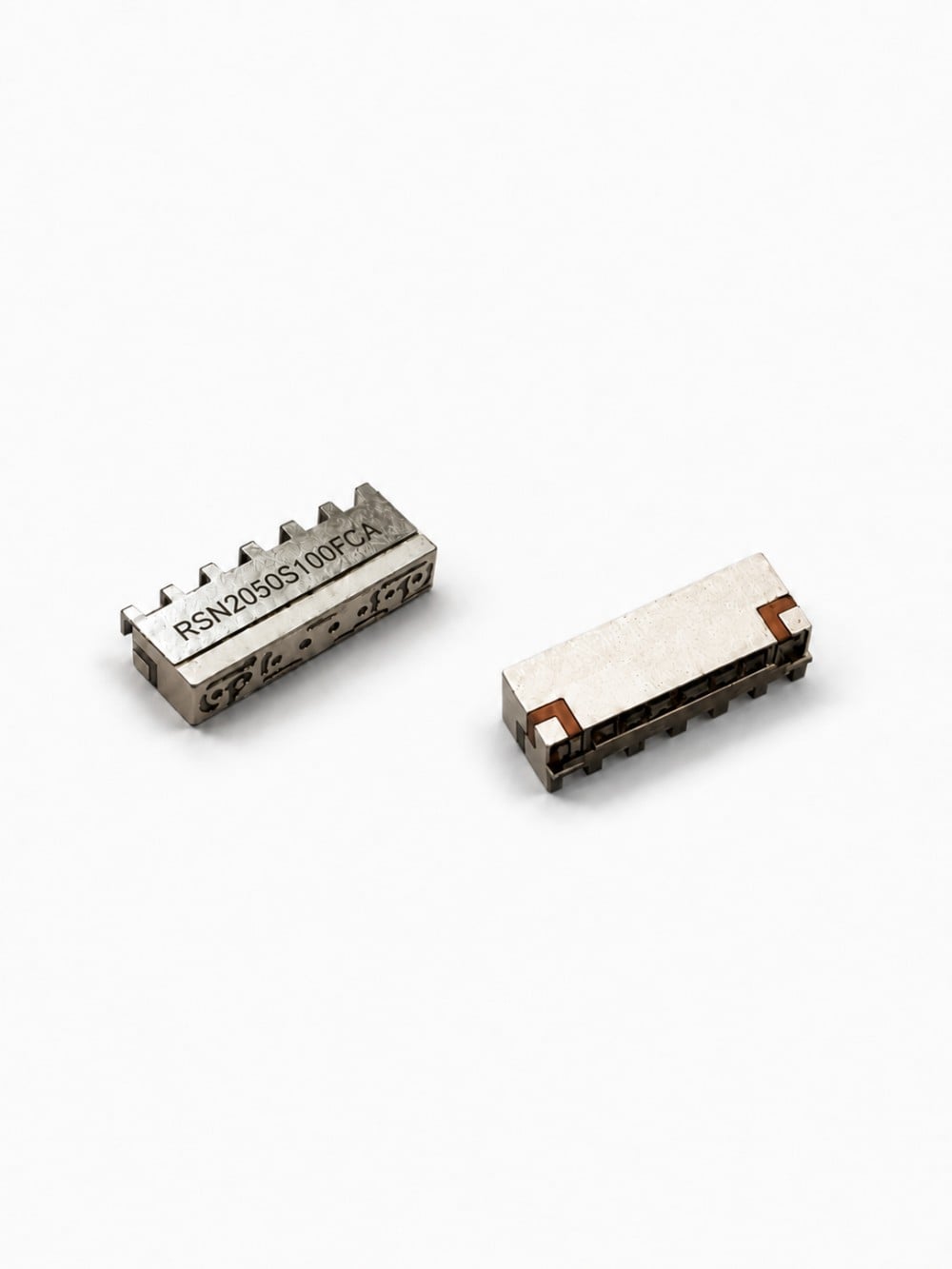
Microwave dielectric ceramic filters overcome these limitations through high dielectric constant materials and high unloaded Q-factor resonators.
Compared with conventional RF filter technologies, ceramic filters offer:
- Lower insertion loss
- Higher unloaded Q
- Better temperature stability
- Smaller physical dimensions
- Excellent frequency consistency
- Strong out-of-band rejection
- Long operational lifetime
These characteristics make microwave ceramic filters particularly suitable for Ku-band, Ka-band, and other satellite communication frequencies where both performance and compact size are essential.
Supporting Reliable RF Front-End Design
Every Starlink user terminal contains a sophisticated RF front-end consisting of multiple passive and active components, including:
- Antennas
- Low-noise amplifiers (LNA)
- Power amplifiers (PA)
- Duplexers
- RF filters
- Frequency converters
- Phase shifters
Each component contributes to the overall RF link budget.
A poorly designed filter can reduce receiver sensitivity, increase system noise figure, and force the power amplifier to compensate for unnecessary losses.
High-performance ceramic filters help optimize the complete RF signal chain by preserving signal integrity while minimizing unwanted attenuation.
Applications Beyond Starlink
Although Starlink has accelerated interest in satellite broadband, the same RF filter technologies are widely used across numerous satellite communication markets.
Typical applications include:
- LEO satellite terminals
- Satellite gateways
- VSAT communication systems
- Military communication equipment
- UAV communication links
- Maritime broadband
- Aircraft connectivity
- Satellite navigation receivers
- Earth observation systems
- Remote sensing equipment
As satellite communication continues expanding worldwide, demand for compact, high-Q ceramic RF filters is expected to grow rapidly.
Why Microwave Dielectric Ceramic Filters Are Preferred
Microwave dielectric ceramic filters have become one of the preferred technologies for modern satellite communication because they provide an excellent balance between electrical performance and mechanical reliability.
Their key advantages include:
- Excellent insertion loss performance
- High power handling capability
- Outstanding frequency stability
- Compact size for space-constrained designs
- High selectivity for crowded spectrum environments
- Stable operation across wide temperature ranges
These advantages help engineers design RF systems capable of supporting high-speed satellite broadband with improved reliability and reduced maintenance requirements.
RSWave's RF Filter Solutions for Advanced Wireless Communication
As a professional manufacturer of microwave passive RF components, RSWave develops customized microwave dielectric ceramic filters, duplexers, resonators, and related RF products for demanding wireless communication applications.
Its engineering capabilities support a broad range of industries, including:
- Satellite communication
- 5G infrastructure
- Radar systems
- GNSS positioning
- Microwave backhaul
- Industrial wireless communication
- Aerospace and defense electronics
RSWave's microwave ceramic filters are engineered to provide:
- Low insertion loss
- High unloaded Q factor
- Excellent temperature stability
- Compact mechanical design
- Customized center frequencies and bandwidths
- Consistent manufacturing quality
By combining advanced ceramic material technology with precision RF simulation and manufacturing expertise, RSWave delivers solutions that help equipment manufacturers improve RF front-end efficiency while meeting increasingly demanding communication requirements.
Conclusion
As satellite broadband networks like Starlink continue reshaping global communications, RF front-end performance has become more critical than ever. High-quality RF filters are essential for preserving signal integrity, minimizing interference, improving receiver sensitivity, and maximizing communication efficiency.
Among today's available filtering technologies, microwave dielectric ceramic filters offer an exceptional combination of low insertion loss, high selectivity, compact size, and long-term reliability, making them an ideal choice for modern satellite communication systems.
For companies developing next-generation wireless and satellite equipment, partnering with an experienced RF component manufacturer such as RSWave provides access to advanced ceramic filter solutions designed to support the evolving demands of LEO satellite networks, 5G infrastructure, and future high-frequency communication technologies.
Table of Contents
- Why RF Filters Are Essential in Starlink Satellite Systems
- Low Insertion Loss Maximizes Signal Efficiency
- High Selectivity Reduces Interference
- Ceramic Filters Deliver Superior High-Frequency Performance
- Supporting Reliable RF Front-End Design
- Applications Beyond Starlink
- Why Microwave Dielectric Ceramic Filters Are Preferred
- RSWave's RF Filter Solutions for Advanced Wireless Communication
- Conclusion