
 EN
EN
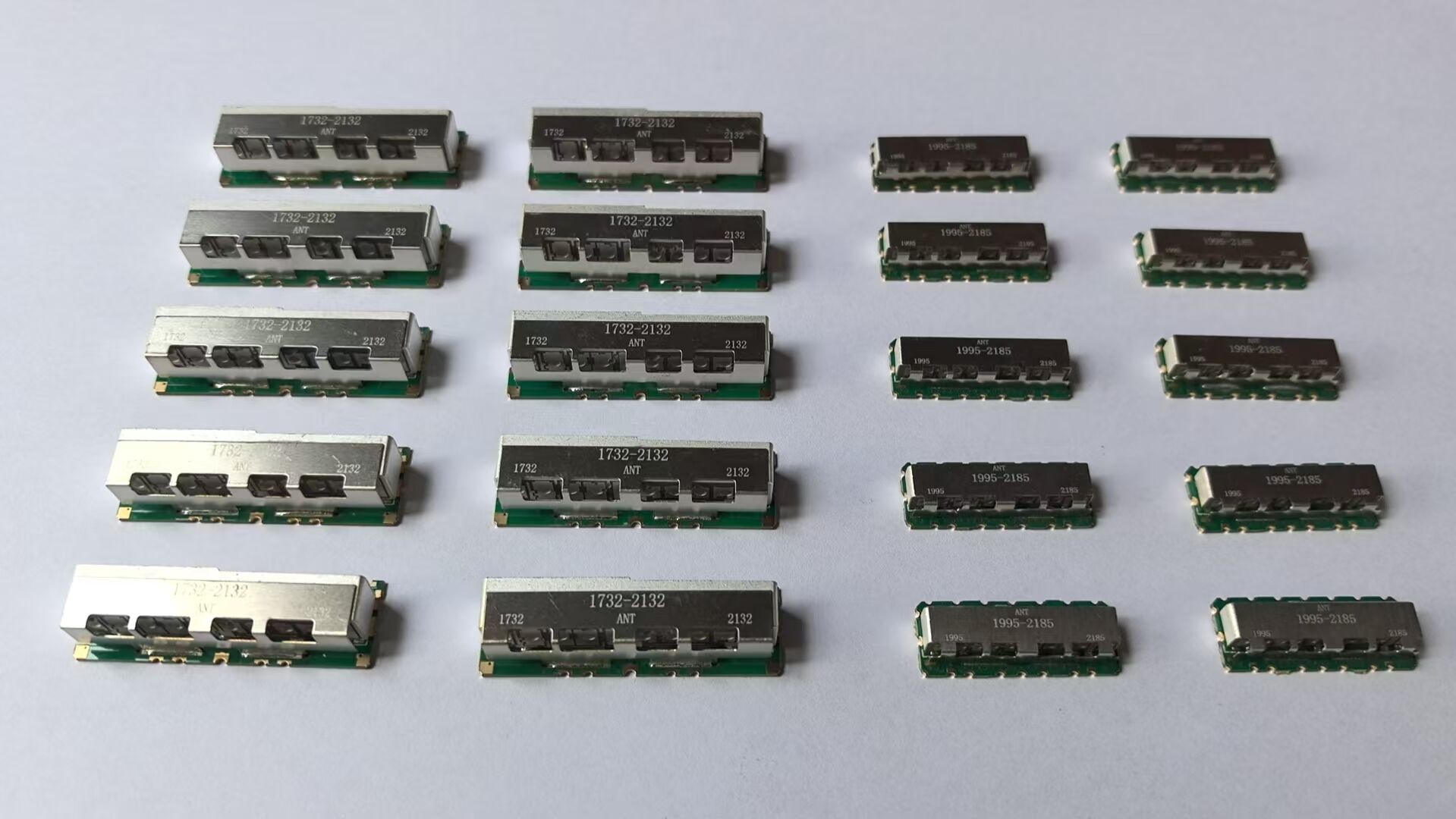
In today's rapidly evolving telecommunications landscape, the demand for efficient and reliable signal processing components has never been higher. The microwave dielectric ceramic duplexer stands as a cornerstone technology in modern communication systems, enabling simultaneous transmission and reception of signals across different frequency bands. These sophisticated devices have revolutionized how we approach wireless communication infrastructure, offering superior performance characteristics that make them indispensable in applications ranging from cellular base stations to satellite communications. Understanding the capabilities and benefits of these advanced components is crucial for engineers and decision-makers looking to optimize their communication systems for maximum efficiency and reliability.
Understanding Microwave Dielectric Ceramic Duplexer Technology
Fundamental Operating Principles
The microwave dielectric ceramic duplexer operates on sophisticated electromagnetic principles that allow it to separate transmit and receive signals within the same frequency spectrum. This technology leverages the unique properties of dielectric ceramic materials, which exhibit exceptional stability and low loss characteristics at microwave frequencies. The ceramic substrate provides a stable platform for precise frequency control, while the dielectric properties enable efficient signal routing without significant attenuation. These devices utilize cavity resonator designs that create specific frequency responses, allowing for precise filtering and signal separation capabilities that are essential in modern communication systems.
The engineering behind a microwave dielectric ceramic duplexer involves carefully calculated cavity dimensions and coupling mechanisms that determine the device's frequency response characteristics. The ceramic material's high dielectric constant allows for compact designs while maintaining excellent performance parameters. Temperature stability is another critical advantage, as the ceramic materials exhibit minimal frequency drift across wide temperature ranges, ensuring consistent performance in various environmental conditions. This stability is particularly important in outdoor installations and mobile applications where temperature fluctuations are common.
Material Properties and Advantages
Dielectric ceramic materials used in these duplexers offer several distinct advantages over traditional metallic cavity designs. The high Q-factor achievable with ceramic materials results in extremely low insertion loss and excellent selectivity, making them ideal for applications requiring high performance standards. The ceramic substrate also provides superior mechanical stability, resisting vibration and shock better than conventional designs. Additionally, the manufacturing process for ceramic components allows for precise dimensional control, resulting in consistent electrical characteristics across production runs.
The thermal properties of ceramic materials contribute significantly to the overall performance of the microwave dielectric ceramic duplexer. Unlike metal cavities that can experience significant frequency shifts due to thermal expansion, ceramic materials maintain their dimensional stability across wide temperature ranges. This characteristic is particularly valuable in applications where the duplexer must operate reliably in harsh environmental conditions. The corrosion resistance of ceramic materials also extends the operational lifetime of these devices, reducing maintenance requirements and overall system costs.
Applications and Industry Implementation
Cellular and Mobile Communication Systems
In cellular base stations, the microwave dielectric ceramic duplexer plays a crucial role in enabling full-duplex communication between mobile devices and network infrastructure. These devices allow base stations to simultaneously transmit and receive signals on closely spaced frequency bands, maximizing spectrum efficiency. The excellent isolation characteristics of ceramic duplexers prevent interference between transmit and receive paths, ensuring clear communication quality. Modern 4G and 5G networks rely heavily on these components to achieve the high data throughput rates demanded by today's mobile applications.
The compact size of ceramic duplexers makes them particularly suitable for small cell deployments and distributed antenna systems. As mobile networks evolve toward higher frequency bands and denser deployment scenarios, the space-saving advantages of ceramic technology become increasingly important. The microwave dielectric ceramic duplexer provides the necessary performance characteristics while occupying minimal space in equipment enclosures, enabling more efficient network designs.
Satellite Communication Applications
Satellite communication systems benefit significantly from the superior performance characteristics of ceramic duplexers. The harsh environment of space operation demands components that can withstand extreme temperature variations, radiation exposure, and mechanical stress. Ceramic materials excel in these conditions, providing reliable operation over extended mission durations. The low loss characteristics of these duplexers are particularly important in satellite applications where power efficiency directly impacts mission capability and operational costs.
Ground-based satellite terminals also utilize microwave dielectric ceramic duplexer technology to achieve optimal performance. These systems require exceptional frequency stability and low noise characteristics to maintain reliable communication links with orbiting satellites. The precise frequency control possible with ceramic duplexers enables tight frequency coordination, maximizing spectrum utilization efficiency. Weather resistance is another important factor, as ground terminals must operate reliably in various environmental conditions without degradation in performance.
Performance Characteristics and Technical Specifications
Frequency Response and Selectivity
The frequency response characteristics of a microwave dielectric ceramic duplexer are among its most critical performance parameters. These devices typically achieve extremely steep filter skirts, providing excellent selectivity between transmit and receive frequency bands. The sharp cutoff characteristics minimize interference between adjacent channels while maximizing usable bandwidth. Insertion loss within the passband is typically very low, often less than 1 dB, ensuring minimal signal degradation during transmission or reception.
Return loss performance is another important specification, with ceramic duplexers typically achieving better than 20 dB return loss across their operational bandwidth. This excellent matching characteristic minimizes signal reflections that could cause system instability or reduced efficiency. The isolation between transmit and receive ports often exceeds 80 dB, providing exceptional protection against self-interference in full-duplex communication systems. These performance characteristics make the microwave dielectric ceramic duplexer ideal for demanding applications where signal quality is paramount.
Power Handling and Environmental Specifications
Power handling capability is a critical consideration in many communication system applications. Ceramic duplexers can typically handle significant RF power levels while maintaining their electrical characteristics. The thermal properties of ceramic materials allow for efficient heat dissipation, preventing performance degradation under high power conditions. Maximum power ratings vary depending on the specific design and frequency range, but modern ceramic duplexers can often handle several hundred watts of continuous RF power.
Environmental specifications for these devices are typically very robust, reflecting the inherent stability of ceramic materials. Operating temperature ranges often extend from -40°C to +85°C or wider, making them suitable for outdoor installations and mobile applications. Humidity resistance is excellent, as ceramic materials are not susceptible to moisture absorption that can affect electrical performance. Vibration and shock specifications also exceed those of many alternative technologies, reflecting the mechanical robustness of ceramic construction.
Selection Criteria and Design Considerations
Frequency Band Requirements
Selecting the appropriate microwave dielectric ceramic duplexer begins with careful analysis of frequency band requirements. The specific transmit and receive frequencies, along with their separation, determine the basic design parameters of the duplexer. Bandwidth requirements for each port must also be considered, as this affects the filter design and overall performance characteristics. Guard band spacing between transmit and receive frequencies influences the achievable isolation and filter selectivity.
Future frequency requirements should also be considered during the selection process. Many communication systems evolve over time, potentially requiring operation on additional frequency bands or modified channel plans. The flexibility of ceramic duplexer designs allows for some accommodation of changing requirements, but initial planning is essential for optimal long-term performance. Harmonic and spurious response characteristics must also be evaluated to ensure compliance with regulatory requirements and system specifications.
Integration and Interface Requirements
Physical integration requirements play a significant role in duplexer selection. Connector types, mounting arrangements, and overall dimensions must be compatible with system packaging constraints. The microwave dielectric ceramic duplexer is available in various form factors, from compact surface-mount packages to larger chassis-mount configurations. Thermal management considerations may influence the choice between different packaging options, particularly in high power applications.
Electrical interface requirements extend beyond basic RF specifications to include considerations such as DC grounding, temperature compensation, and monitoring capabilities. Some advanced ceramic duplexers incorporate temperature sensors or tuning elements that allow for real-time performance optimization. These features can be particularly valuable in applications where environmental conditions vary significantly or where maximum performance must be maintained across all operating conditions.
Installation and Maintenance Best Practices
Proper Installation Procedures
Successful installation of a microwave dielectric ceramic duplexer requires attention to several critical factors. Proper handling procedures are essential, as ceramic components can be more susceptible to mechanical shock than metal alternatives. Electrostatic discharge protection should be maintained throughout the installation process to prevent damage to sensitive internal components. Connector torque specifications must be carefully followed to ensure reliable electrical connections without over-stressing ceramic materials.
Environmental protection during installation is particularly important for outdoor applications. Proper sealing and weatherproofing prevent moisture ingress that could affect performance over time. Thermal considerations include ensuring adequate ventilation for heat dissipation while protecting the device from extreme temperature variations. Grounding requirements should be carefully implemented according to manufacturer specifications to prevent electromagnetic interference and ensure optimal performance.
Maintenance and Monitoring Strategies
Routine maintenance requirements for microwave dielectric ceramic duplexer installations are generally minimal due to the inherent stability of ceramic materials. Regular inspection of connectors and mounting hardware helps identify potential issues before they affect system performance. Performance monitoring can be implemented through regular measurement of key parameters such as insertion loss, return loss, and isolation. These measurements provide early indication of any degradation that might require corrective action.
Preventive maintenance strategies should focus on environmental protection and connector integrity. Moisture intrusion is one of the primary long-term reliability concerns, making regular inspection of seals and enclosures important. Temperature monitoring can help identify potential thermal stress conditions that might affect long-term reliability. Documentation of performance measurements over time enables trending analysis that can predict maintenance needs and optimize replacement schedules.
FAQ
What are the main advantages of ceramic duplexers over traditional metal cavity designs
Ceramic duplexers offer several key advantages including superior temperature stability, lower insertion loss, more compact size, and better mechanical stability. The high dielectric constant of ceramic materials allows for much smaller physical dimensions while maintaining excellent electrical performance. Additionally, ceramic materials exhibit minimal frequency drift with temperature changes, providing more stable operation across varying environmental conditions compared to metal cavities that can expand and contract significantly.
How do I determine the correct power rating for my application
Power rating selection depends on both average and peak power requirements of your system. Consider the maximum continuous power that will be applied, peak power levels during transmission bursts, and any derating factors based on operating temperature. It's recommended to select a microwave dielectric ceramic duplexer with a power rating at least 20-30% higher than your maximum expected power level to ensure reliable long-term operation and account for potential system modifications.
What maintenance is required for ceramic duplexers in outdoor installations
Outdoor installations require periodic inspection of weatherproofing seals, connector integrity, and mounting hardware. Check for any signs of moisture ingress, corrosion on external components, or physical damage from environmental factors. Performance monitoring through regular RF measurements helps detect any degradation early. Most ceramic duplexers require minimal active maintenance due to their inherent stability, but environmental protection systems should be maintained according to manufacturer recommendations.
Can ceramic duplexers be customized for specific frequency requirements
Yes, microwave dielectric ceramic duplexer designs can typically be customized for specific frequency bands, bandwidth requirements, and performance specifications. Customization options include center frequency adjustment, bandwidth optimization, connector types, and packaging configurations. However, custom designs may require longer lead times and minimum order quantities. Many manufacturers offer semi-custom solutions that provide flexibility while maintaining reasonable delivery schedules and cost structures for specialized applications.