
 EN
EN
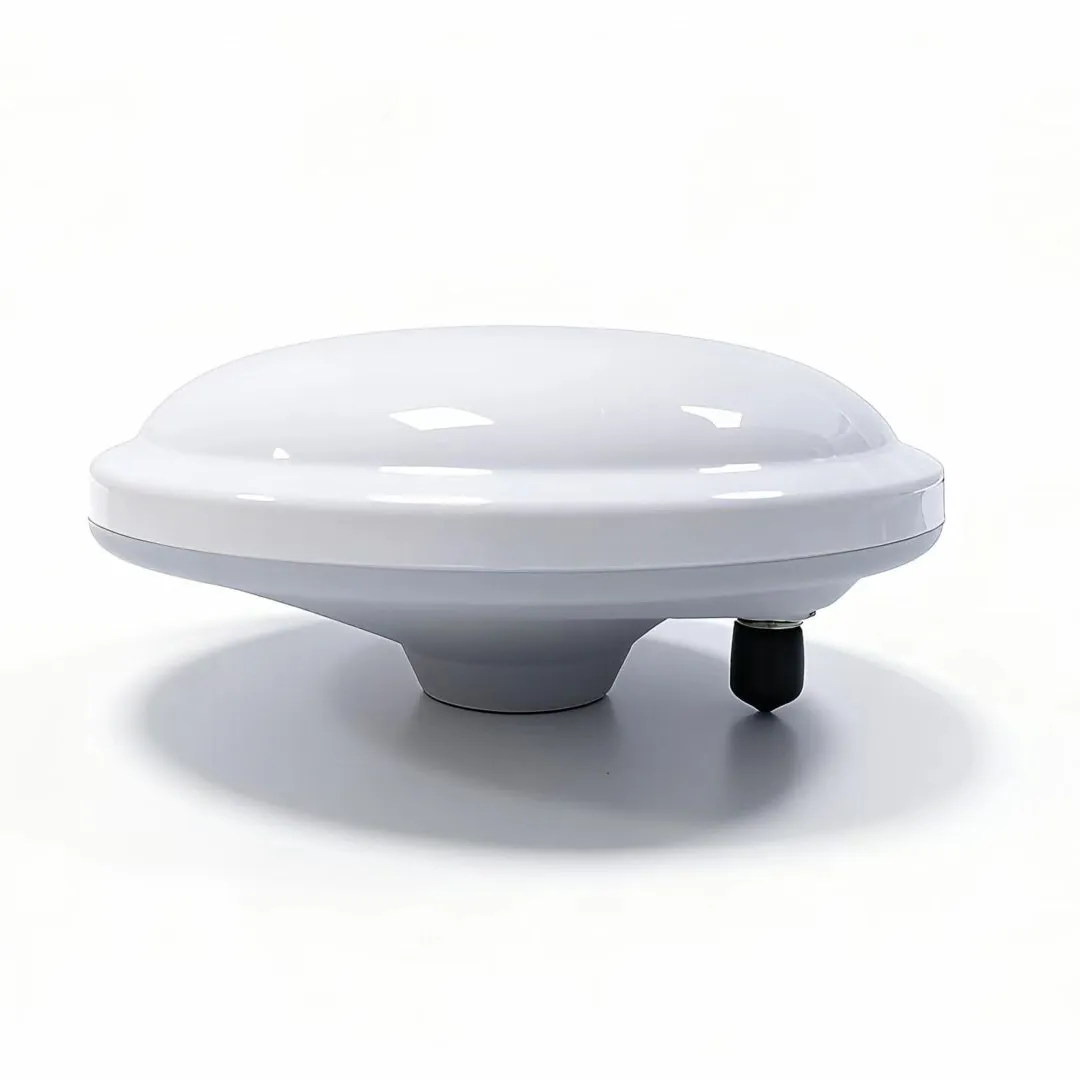
Modern navigation systems depend heavily on reliable satellite signal reception, making the choice of gnss antenna technology crucial for precision applications. Whether you're working in surveying, agriculture, autonomous vehicles, or maritime navigation, selecting the right gnss antenna directly impacts measurement accuracy and operational efficiency. The evolution of global navigation satellite systems has created unprecedented opportunities for high-precision positioning, but only when paired with appropriate antenna solutions that can effectively capture and process satellite signals across multiple constellation frequencies.
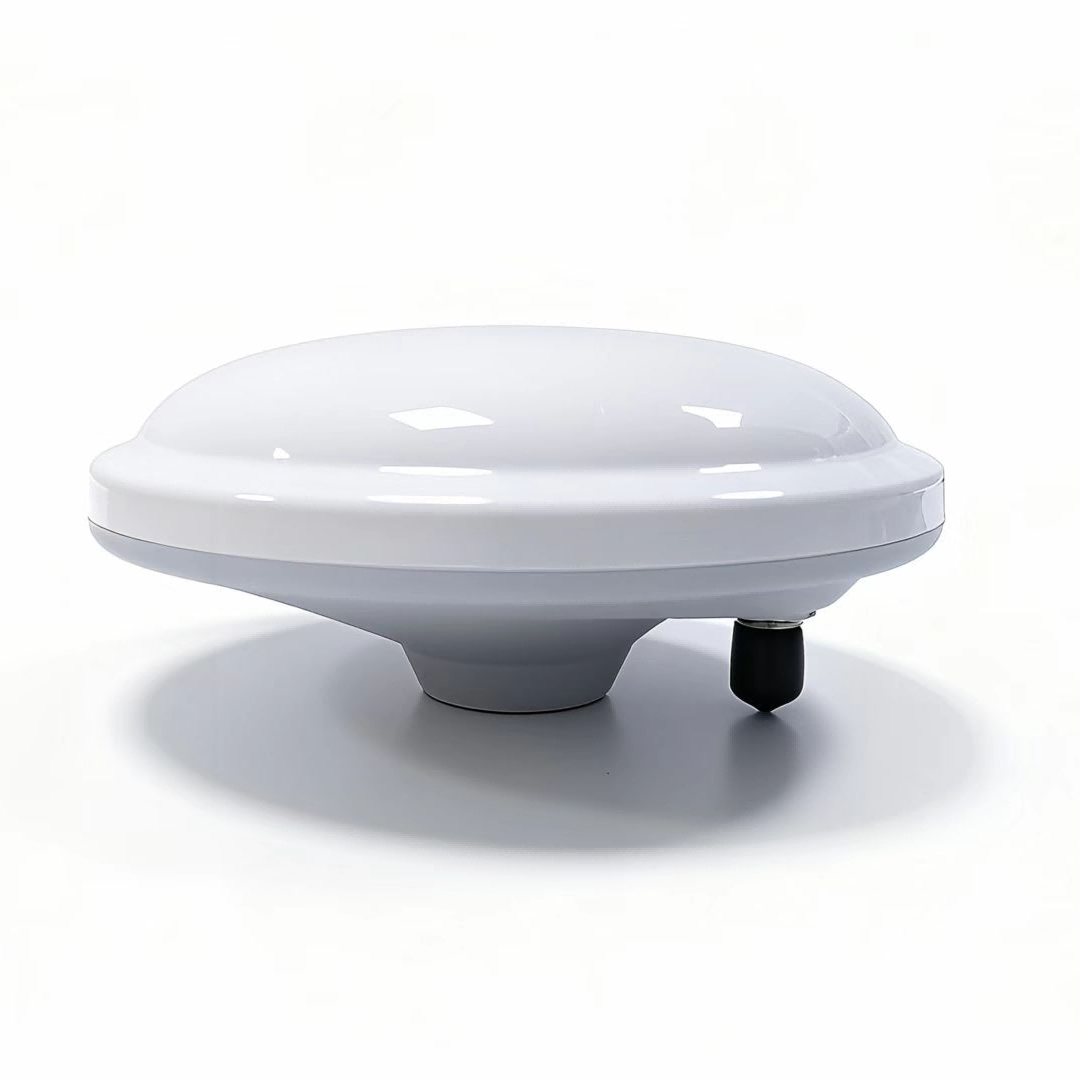
Understanding GNSS Antenna Fundamentals
Signal Reception Principles
A gnss antenna operates by capturing electromagnetic signals transmitted from satellites orbiting approximately 20,000 kilometers above Earth. These signals contain timing information and satellite position data essential for calculating precise location coordinates through trilateration methods. The antenna must maintain consistent signal reception across multiple frequency bands, including L1, L2, and L5 frequencies used by GPS, GLONASS, Galileo, and BeiDou systems. Signal quality depends on antenna gain patterns, polarization characteristics, and the ability to reject multipath interference that can degrade positioning accuracy.
Effective gnss antenna design incorporates low noise amplification to boost weak satellite signals while maintaining signal integrity. The antenna element typically features circular polarization to match satellite transmission characteristics and minimize signal loss due to polarization mismatch. Ground plane design plays a critical role in shaping radiation patterns and reducing interference from nearby objects or structures that could affect signal reception quality.
Frequency Band Considerations
Modern gnss antenna systems must accommodate multiple frequency bands to achieve optimal positioning performance across different satellite constellations. GPS operates primarily on L1 (1575.42 MHz) and L2 (1227.60 MHz) frequencies, while newer civilian signals utilize L5 (1176.45 MHz) for enhanced accuracy and reliability. GLONASS employs frequency division multiple access across L1 and L2 bands with slight frequency variations, requiring broadband antenna designs capable of covering these ranges effectively.
Galileo and BeiDou systems introduce additional frequency considerations, with Galileo broadcasting on E1, E5a, E5b, and E6 frequencies, while BeiDou utilizes B1, B2, and B3 bands. A comprehensive gnss antenna solution must demonstrate consistent performance across these diverse frequency ranges to maximize satellite availability and positioning accuracy. Multi-frequency capability enables advanced correction techniques like ionospheric delay compensation, significantly improving measurement precision in professional applications.
Types of GNSS Antennas for Different Applications
Survey Grade Antennas
Survey grade gnss antenna systems represent the pinnacle of positioning accuracy, designed for applications requiring millimeter-level precision such as geodetic surveying, construction layout, and geophysical monitoring. These antennas feature sophisticated choke ring designs or similar ground plane technologies to minimize multipath effects that can introduce centimeter-level errors in measurements. Phase center stability across different elevation angles ensures consistent performance regardless of satellite geometry or observation conditions.
Professional survey antennas incorporate advanced filtering and amplification circuits to maintain signal clarity in challenging environments with high electromagnetic interference. Temperature compensation mechanisms prevent performance degradation across extreme operating conditions, while robust mechanical construction withstands harsh field conditions. Many survey grade systems include integrated tilt compensation using accelerometers and gyroscopes, allowing precise measurements even when the antenna is not perfectly level.
Automotive and Transportation Antennas
Automotive applications require gnss antenna designs optimized for mobile platforms with specific considerations for vehicle dynamics, mounting constraints, and cost-effectiveness. These antennas must maintain reliable signal tracking during acceleration, turning, and vibration while fitting within limited space allocations typical of vehicle installations. Low-profile designs minimize aerodynamic drag and aesthetic impact while delivering adequate performance for navigation and fleet management applications.
Advanced automotive gnss antenna systems integrate dead reckoning capabilities using inertial sensors to maintain positioning accuracy during signal outages in tunnels or urban canyon environments. Multi-constellation support ensures optimal satellite availability across global markets, while integrated cellular or WiFi connectivity enables real-time correction services for enhanced accuracy. Durability testing according to automotive standards ensures long-term reliability under temperature cycling, vibration, and moisture exposure conditions typical of vehicle operations.
Performance Characteristics and Selection Criteria
Accuracy and Precision Specifications
Selecting an appropriate gnss antenna requires understanding the relationship between antenna performance and achievable positioning accuracy. Single-frequency consumer antennas typically provide 3-5 meter accuracy suitable for basic navigation applications, while dual-frequency systems can achieve sub-meter accuracy when combined with correction services. Survey grade antennas paired with RTK or PPP correction techniques can deliver centimeter-level accuracy for professional applications requiring high precision measurements.
Antenna phase center stability directly impacts measurement repeatability and long-term accuracy performance. Variations in phase center location with satellite elevation angle introduce systematic errors that must be calibrated or minimized through careful antenna design. Quality gnss antenna specifications include phase center variation data across different frequencies and elevation angles, enabling users to evaluate suitability for specific accuracy requirements and correction methodologies.
Environmental Durability Factors
Environmental resilience represents a critical selection criterion for gnss antenna deployments in outdoor or harsh operating conditions. Temperature cycling from -40°C to +85°C tests antenna stability and prevents performance degradation across seasonal variations. Humidity resistance and waterproofing protect internal electronics from moisture damage, while UV-resistant materials prevent plastic degradation during extended outdoor exposure periods.
Vibration and shock resistance ensure reliable operation in mobile applications or installations subject to mechanical stress. Salt spray resistance becomes essential for maritime applications where corrosive environments can rapidly degrade antenna performance and structural integrity. Quality gnss antenna systems undergo comprehensive environmental testing according to relevant industry standards, providing confidence in long-term operational reliability across diverse deployment scenarios.
Installation and Integration Best Practices
Mounting and Positioning Guidelines
Proper gnss antenna installation significantly impacts system performance and measurement accuracy. The antenna should be mounted on a stable platform with minimal vibration and maximum sky visibility to ensure consistent satellite signal reception. Metal structures or large objects within several meters can create multipath reflections that degrade positioning accuracy, requiring careful site selection and mounting height considerations to minimize these effects.
Ground plane design affects antenna radiation patterns and must be appropriately sized for optimal performance across operating frequencies. Minimum ground plane dimensions typically range from 100mm to 200mm diameter depending on frequency bands and accuracy requirements. Coaxial cable selection and routing practices prevent signal loss and maintain system noise figure, with high-quality low-loss cables recommended for installations with cable runs exceeding 10 meters.
System Integration Considerations
Successful gnss antenna integration requires careful attention to power supply requirements, communication interfaces, and software compatibility with existing systems. Most professional antennas require stable DC power with specific voltage and current specifications that must be verified during system design. Communication protocols vary between manufacturers, with standard interfaces like RS-232, USB, or Ethernet enabling integration with various receiver platforms and data logging systems.
Electromagnetic compatibility testing ensures that the gnss antenna system operates reliably in the presence of other electronic equipment without causing or experiencing interference. Proper grounding and shielding practices prevent noise coupling that could degrade signal quality and positioning performance. System commissioning should include verification of positioning accuracy against known reference points and validation of performance under expected operating conditions and satellite geometries.
Advanced Features and Future Technologies
Multi-Constellation Support
Modern gnss antenna designs increasingly incorporate multi-constellation capability to maximize satellite availability and improve positioning robustness across global deployments. Supporting GPS, GLONASS, Galileo, BeiDou, and regional systems like QZSS or IRNSS provides redundancy against individual constellation outages and enhanced accuracy through increased satellite diversity. Advanced signal processing algorithms leverage observations from multiple constellations to improve positioning solution reliability and reduce convergence times.
Multi-constellation gnss antenna systems require broadband RF front-ends capable of simultaneously processing signals across diverse frequency allocations while maintaining sensitivity and dynamic range performance. Interference mitigation becomes more complex with increased signal diversity, necessitating sophisticated filtering and adaptive algorithms to maintain signal quality in challenging RF environments. These capabilities represent the current state-of-the-art in professional positioning systems.
Integration with Correction Services
Advanced gnss antenna systems increasingly integrate with real-time correction services to achieve survey-grade accuracy without requiring expensive base station infrastructure. Satellite-based augmentation systems (SBAS) like WAAS or EGNOS provide free corrections achieving meter-level accuracy, while commercial services offer centimeter-level precision through precise point positioning (PPP) or network RTK methodologies.
Internet connectivity enables gnss antenna systems to access correction data streams via cellular or WiFi connections, automatically improving positioning accuracy without user intervention. Cloud-based processing services can further enhance performance by leveraging advanced atmospheric models and satellite orbit corrections not available through traditional correction methods. This integration represents the future direction of high-accuracy positioning systems for mainstream applications.
FAQ
What factors determine gnss antenna accuracy performance
GNSS antenna accuracy depends on several key factors including antenna design quality, multi-frequency capability, phase center stability, and environmental conditions. High-quality antennas with stable phase centers can achieve centimeter-level accuracy when combined with appropriate correction services, while basic single-frequency designs typically provide 3-5 meter accuracy. Multipath rejection capabilities and signal-to-noise ratio also significantly impact measurement precision and reliability.
How do I choose between single and multi-frequency gnss antenna systems
Single-frequency gnss antenna systems offer cost-effective solutions for basic navigation applications requiring meter-level accuracy, while multi-frequency systems enable advanced correction techniques for sub-meter or centimeter-level precision. Multi-frequency capability becomes essential for professional surveying, precision agriculture, or autonomous vehicle applications where high accuracy justifies the additional cost and complexity. Consider your accuracy requirements, budget constraints, and integration needs when making this decision.
What installation considerations affect gnss antenna performance
Proper installation significantly impacts gnss antenna performance, with sky visibility, mounting stability, and multipath mitigation being primary concerns. The antenna should be installed with maximum sky view and minimal obstructions, while avoiding proximity to reflective surfaces that can cause multipath errors. Adequate ground plane sizing, proper cable selection, and stable mounting platforms ensure optimal signal reception and measurement accuracy across all operating conditions.
Can gnss antenna systems work in challenging environments
Modern gnss antenna systems are designed for operation in challenging environments including extreme temperatures, high humidity, vibration, and electromagnetic interference conditions. Environmental durability specifications should match your deployment requirements, with marine applications requiring salt spray resistance and mobile applications needing vibration tolerance. Advanced systems incorporate interference mitigation and signal processing algorithms to maintain performance in urban canyons, under foliage, or in high RF noise environments.