
 EN
EN
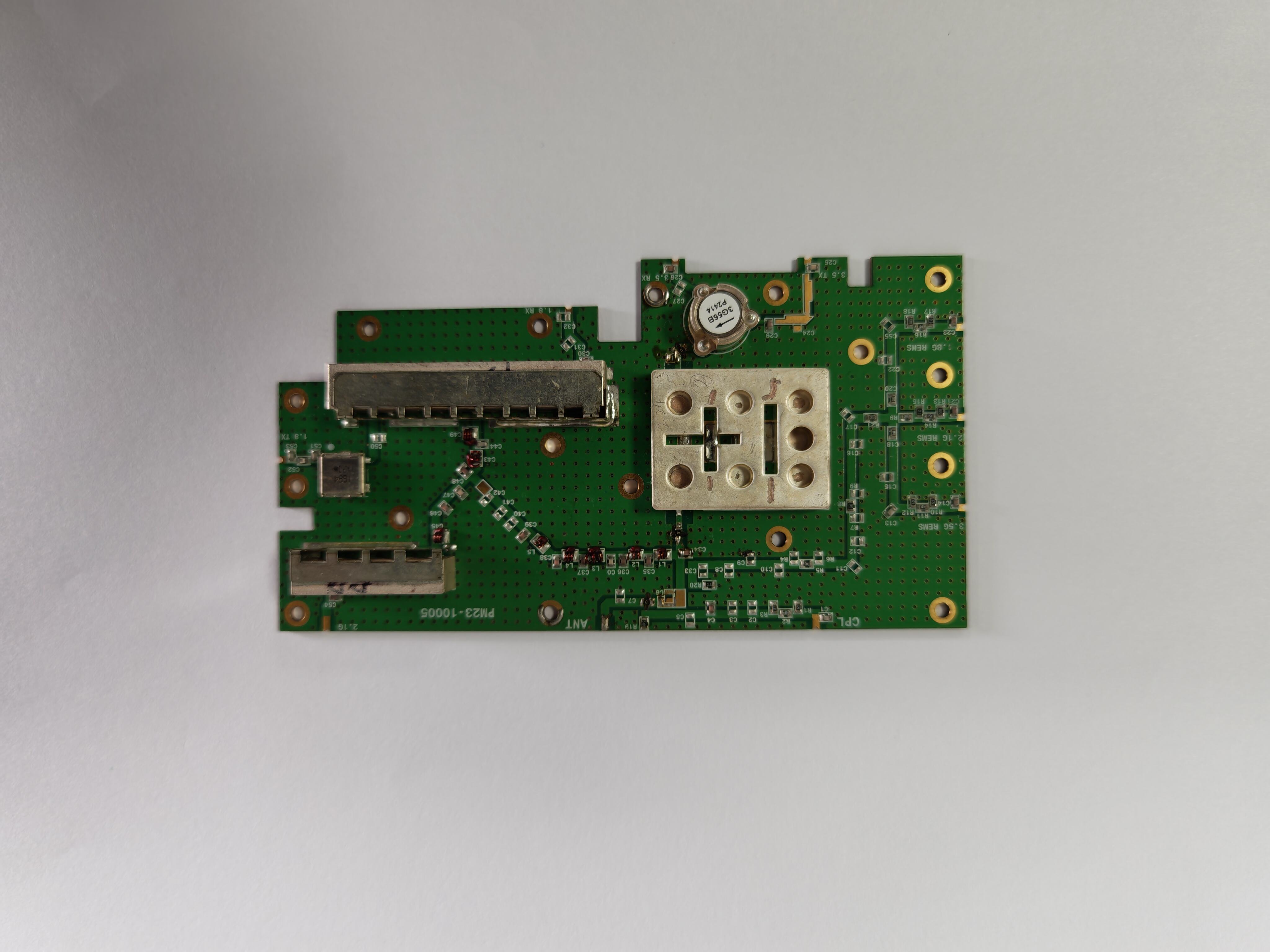
A microwave dielectric ceramic duplexer represents one of the most sophisticated components in modern wireless communication systems, enabling simultaneous transmission and reception on different frequencies through a single antenna. These precision-engineered devices utilize advanced ceramic materials with exceptional dielectric properties to achieve the frequency separation and isolation required for optimal signal performance. Understanding how these critical components function provides valuable insights into the complex world of RF engineering and telecommunications infrastructure.
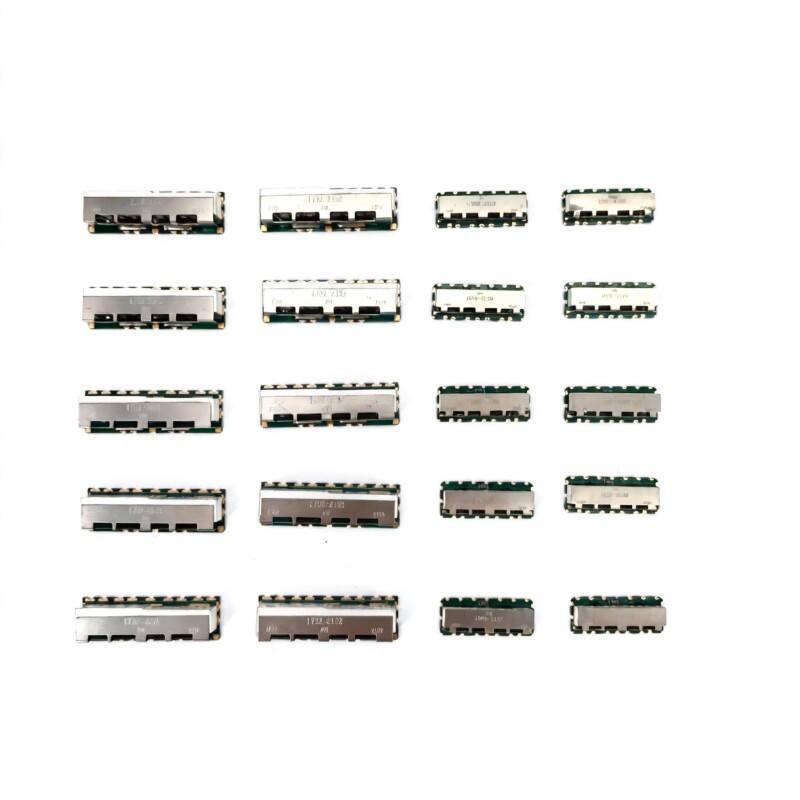
Fundamental Operating Principles of Ceramic Duplexers
Frequency Domain Separation Technology
The core functionality of a microwave dielectric ceramic duplexer relies on its ability to create distinct frequency paths for transmit and receive signals. This separation occurs through carefully engineered ceramic resonators that exhibit extremely high quality factors and precise frequency selectivity. The dielectric ceramic materials used in these devices possess unique electromagnetic properties that allow for tight frequency control and minimal signal loss across the operating bandwidth.
Each ceramic resonator within the duplexer structure is dimensioned to resonate at specific frequencies, creating bandpass and bandstop characteristics that effectively isolate the transmit and receive channels. The coupling between adjacent resonators determines the overall filter response, with precise mechanical tolerances ensuring consistent performance across temperature and environmental variations. This intricate design enables the microwave dielectric ceramic duplexer to maintain exceptional isolation between channels while preserving signal integrity.
Dielectric Material Properties and Performance
The selection of dielectric ceramic materials significantly impacts the overall performance characteristics of the duplexer system. High permittivity ceramics enable miniaturization while maintaining excellent electrical performance, making them ideal for space-constrained applications. These materials exhibit low loss tangent values, ensuring minimal signal attenuation and maximum power transfer efficiency throughout the operational frequency range.
Temperature stability represents another critical aspect of ceramic duplexer performance, with advanced ceramic formulations providing near-zero temperature coefficient of frequency. This stability ensures consistent operation across wide temperature ranges without requiring additional compensation circuitry. The mechanical robustness of ceramic materials also contributes to long-term reliability in demanding environmental conditions, making them suitable for both commercial and military applications.
Advanced Filter Design and Implementation
Resonator Coupling Mechanisms
The sophisticated coupling mechanisms employed in microwave dielectric ceramic duplexer designs enable precise control over the filter response characteristics. Electric field coupling occurs between adjacent resonators through carefully positioned coupling apertures or gaps, while magnetic field coupling utilizes inductive elements to achieve the desired frequency response. The combination of these coupling types allows engineers to create complex filter topologies with multiple transmission zeros for enhanced rejection performance.
Cross-coupling techniques introduce additional signal paths between non-adjacent resonators, creating transmission zeros at specific frequencies to improve selectivity and isolation. These advanced coupling schemes enable the microwave dielectric ceramic duplexer to achieve superior performance compared to conventional filter designs. The precise positioning and sizing of coupling elements requires sophisticated electromagnetic modeling and manufacturing techniques to ensure optimal performance.
Bandwidth Control and Optimization
Bandwidth control in ceramic duplexer systems involves careful management of the quality factor and coupling strength throughout the filter structure. The loaded quality factor of each resonator determines the insertion loss and bandwidth characteristics, while the external quality factors control the input and output coupling. Optimizing these parameters requires iterative design processes and advanced simulation techniques to achieve the desired performance specifications.
The bandwidth optimization process also considers the trade-offs between insertion loss, return loss, and group delay characteristics. Wider bandwidths generally result in lower quality factors and increased insertion loss, while narrower bandwidths provide better selectivity at the expense of manufacturing tolerance sensitivity. Engineers must balance these competing requirements to create duplexer designs that meet specific application needs while maintaining manufacturable tolerances.
Manufacturing Processes and Quality Control
Ceramic Material Processing Techniques
The manufacturing of microwave dielectric ceramic duplexer components begins with the precise formulation and processing of ceramic powders with controlled particle size distributions and chemical compositions. High-temperature sintering processes create dense ceramic structures with minimal porosity and consistent dielectric properties. The sintering temperature profile and atmosphere control significantly impact the final electrical and mechanical properties of the ceramic resonators.
Advanced machining techniques enable the creation of complex three-dimensional resonator geometries with tight dimensional tolerances. Diamond tooling and precision grinding operations achieve surface finishes and dimensional accuracy critical for optimal electrical performance. The machining process must maintain consistent material properties while creating the intricate coupling features and mounting interfaces required for proper duplexer assembly.
Assembly and Testing Procedures
The assembly of microwave dielectric ceramic duplexer systems requires precise positioning and secure mounting of individual resonator elements within the housing structure. Specialized fixtures and alignment tools ensure proper spacing and orientation of ceramic components during the assembly process. Soldering or brazing operations create reliable electrical connections while maintaining mechanical integrity under thermal cycling conditions.
Comprehensive testing protocols verify the electrical performance of each completed duplexer unit across the specified frequency range and environmental conditions. Network analyzer measurements characterize the insertion loss, return loss, and isolation performance, while temperature cycling tests validate long-term stability. These rigorous testing procedures ensure that every microwave dielectric ceramic duplexer meets the stringent performance requirements of modern communication systems.
Applications and Industry Implementation
Telecommunications Infrastructure Systems
Modern cellular base stations rely heavily on microwave dielectric ceramic duplexer technology to enable efficient spectrum utilization and interference mitigation. These devices separate the uplink and downlink frequency bands in cellular systems, allowing simultaneous bidirectional communication through shared antenna systems. The high isolation performance of ceramic duplexers prevents transmitter noise from degrading receiver sensitivity, ensuring optimal system performance in dense urban environments.
Satellite communication systems also benefit from the exceptional performance characteristics of ceramic duplexer designs. The low insertion loss and high power handling capability enable efficient signal transmission over long distances while maintaining signal quality. The compact size and lightweight construction of ceramic duplexers make them particularly attractive for space-based applications where size and weight constraints are critical design considerations.
Emerging Wireless Technologies
The deployment of advanced wireless technologies such as 5G networks creates new demands for high-performance duplexer solutions with enhanced bandwidth and isolation characteristics. Microwave dielectric ceramic duplexer designs are being optimized for millimeter-wave frequencies to support the increased data rates and capacity requirements of next-generation wireless systems. These applications require exceptional performance stability across wide temperature ranges and extended operational lifetimes.
Internet of Things applications and smart city infrastructure also drive demand for compact, efficient duplexer solutions that can operate reliably in diverse environmental conditions. The robust construction and excellent electrical performance of ceramic duplexers make them ideal for these demanding applications where maintenance access may be limited and long-term reliability is essential for system success.
Performance Optimization and Design Considerations
Electromagnetic Simulation and Modeling
Advanced electromagnetic simulation tools enable engineers to optimize microwave dielectric ceramic duplexer designs before physical prototyping, reducing development time and costs. Three-dimensional field solvers accurately predict the electrical behavior of complex ceramic structures, including the effects of material anisotropy and manufacturing tolerances. These simulation capabilities allow for iterative design refinement and performance optimization across multiple operating parameters.
The modeling process considers the frequency-dependent characteristics of ceramic materials, including dispersion effects and temperature variations that impact overall duplexer performance. Monte Carlo analysis techniques evaluate the sensitivity of design parameters to manufacturing variations, enabling robust designs that maintain performance specifications despite normal production tolerances. This comprehensive simulation approach ensures optimal microwave dielectric ceramic duplexer performance in real-world applications.
Environmental Considerations and Reliability
Environmental testing protocols evaluate the performance stability of ceramic duplexer systems under extreme temperature, humidity, and mechanical stress conditions. Thermal cycling tests verify the integrity of ceramic-to-metal joints and solder connections over extended temperature ranges. Vibration and shock testing ensures mechanical robustness for mobile and aerospace applications where dynamic loading conditions are encountered.
Long-term aging studies characterize the stability of electrical parameters over extended operational periods, providing confidence in the reliability projections for critical system applications. The inherent stability of ceramic materials contributes to excellent long-term performance, with minimal drift in frequency response and electrical characteristics over time. These reliability characteristics make microwave dielectric ceramic duplexer solutions ideal for applications requiring consistent performance over decades of operation.
FAQ
What advantages do ceramic materials offer in duplexer construction compared to other technologies
Ceramic materials provide exceptional temperature stability, high quality factors, and excellent power handling capabilities that make them superior to metal cavity and surface acoustic wave alternatives. The high dielectric constant of ceramics enables significant size reduction while maintaining performance, and their inherent stability eliminates the need for temperature compensation circuitry. Additionally, ceramic duplexers offer excellent long-term reliability and consistent performance across wide environmental ranges.
How do manufacturing tolerances affect the performance of ceramic duplexers
Manufacturing tolerances directly impact the frequency accuracy and performance consistency of microwave dielectric ceramic duplexer systems. Dimensional variations in resonator geometry can shift operating frequencies and alter coupling strengths, potentially degrading isolation and insertion loss performance. Advanced manufacturing techniques and quality control procedures minimize these variations, while design optimization ensures robust performance despite normal production tolerances.
What frequency ranges are suitable for microwave dielectric ceramic duplexer applications
Microwave dielectric ceramic duplexer technology is most commonly applied in frequency ranges from 800 MHz to 6 GHz, covering cellular, WiFi, and various wireless communication bands. The technology can be extended to higher frequencies with appropriate design modifications, though the physical dimensions become increasingly challenging to manufacture with required precision. Lower frequencies are possible but may result in larger device sizes due to the relationship between wavelength and resonator dimensions.
How do ceramic duplexers maintain isolation between transmit and receive channels
Isolation in ceramic duplexer systems is achieved through carefully designed filter responses that create high rejection at the opposite channel frequencies. The transmit filter provides low insertion loss at transmit frequencies while offering high attenuation at receive frequencies, and vice versa for the receive filter. Additional isolation is achieved through proper housing design and shielding techniques that prevent electromagnetic coupling between the transmit and receive signal paths.
Table of Contents
- Fundamental Operating Principles of Ceramic Duplexers
- Advanced Filter Design and Implementation
- Manufacturing Processes and Quality Control
- Applications and Industry Implementation
- Performance Optimization and Design Considerations
-
FAQ
- What advantages do ceramic materials offer in duplexer construction compared to other technologies
- How do manufacturing tolerances affect the performance of ceramic duplexers
- What frequency ranges are suitable for microwave dielectric ceramic duplexer applications
- How do ceramic duplexers maintain isolation between transmit and receive channels