
 EN
EN
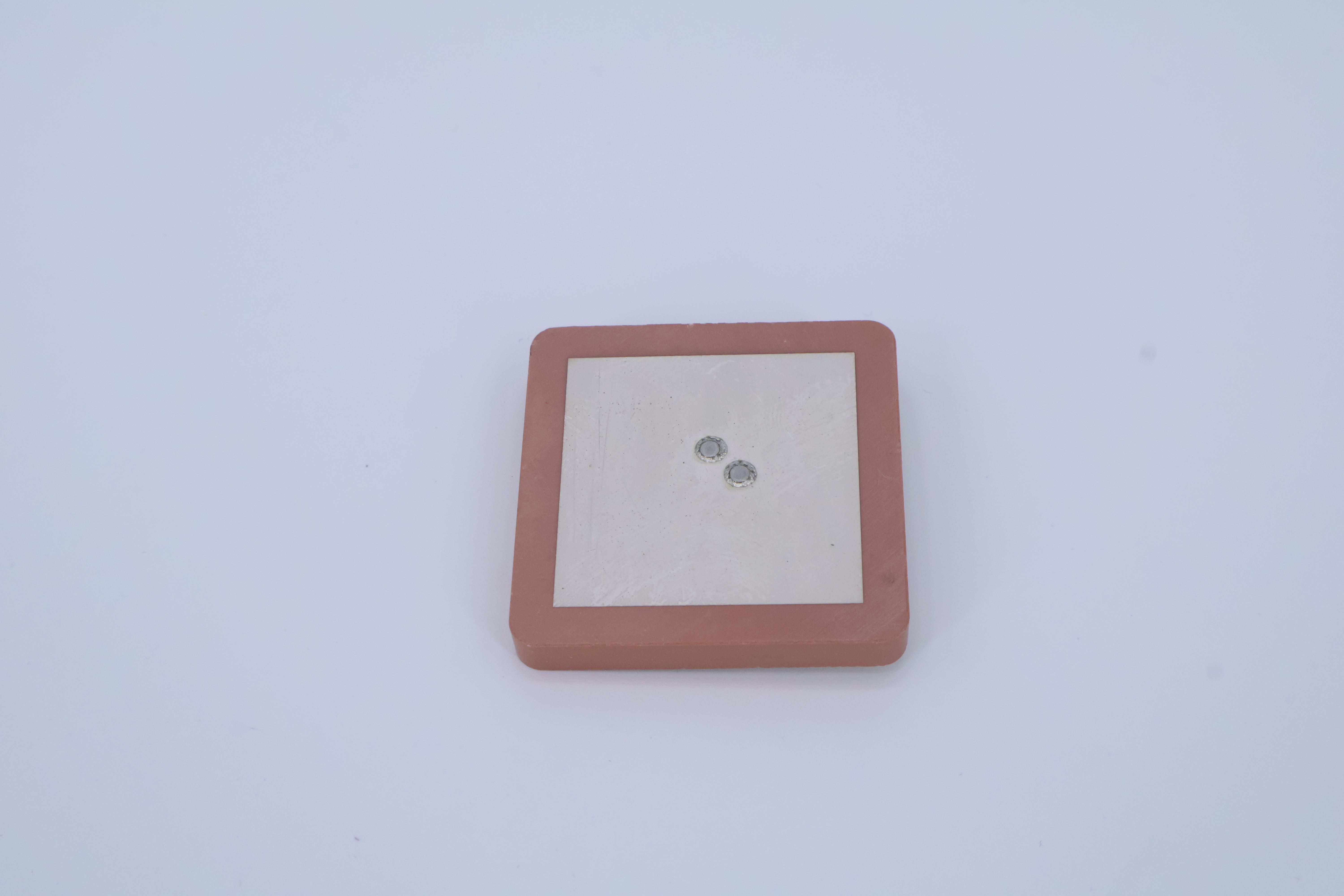
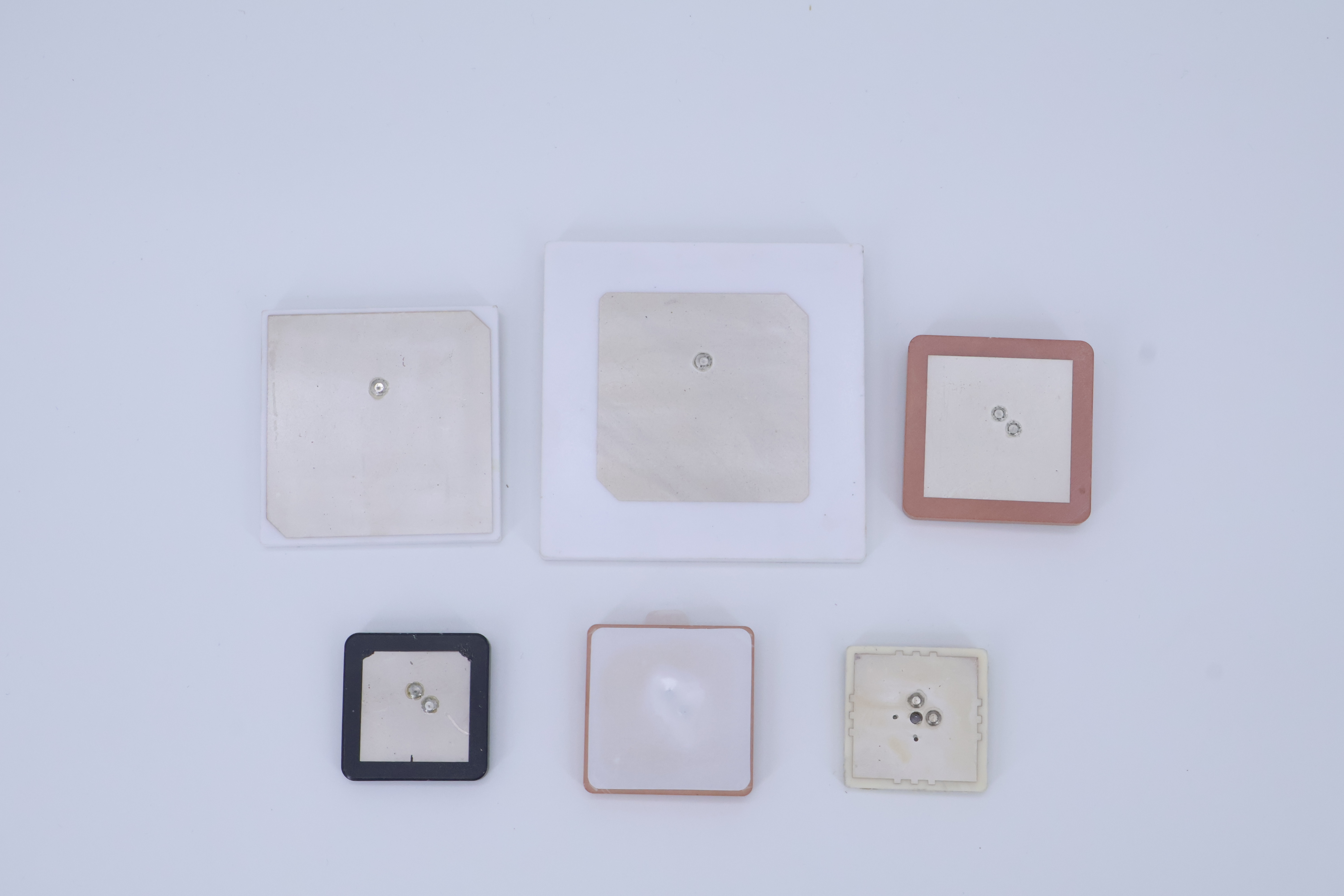
Modern wireless communication systems increasingly rely on efficient antenna technologies that can deliver superior performance in compact form factors. The microwave dielectric antenna has emerged as a cornerstone technology for engineers seeking to optimize signal transmission and reception across various frequency bands. These specialized components combine advanced ceramic materials with precise engineering to achieve exceptional performance characteristics that traditional metallic antennas often cannot match. Understanding the fundamental principles and design considerations for microwave dielectric antenna systems is essential for developing next-generation communication solutions that meet today's demanding performance requirements.
Fundamental Design Principles for Microwave Dielectric Antennas
Material Selection and Dielectric Properties
The foundation of any effective microwave dielectric antenna begins with careful material selection that directly impacts performance characteristics. High-quality ceramic materials with specific dielectric constants enable engineers to achieve miniaturization while maintaining excellent radiation efficiency. These materials typically feature low loss tangents and stable temperature coefficients, ensuring consistent performance across varying environmental conditions. The dielectric constant of the chosen material fundamentally determines the physical dimensions of the antenna structure while influencing impedance matching and bandwidth characteristics.
Advanced ceramic compositions incorporating titanium dioxide, barium titanate, and other specialized compounds provide the necessary dielectric properties for optimal antenna performance. Material homogeneity plays a crucial role in maintaining consistent electromagnetic field distribution throughout the antenna structure. Engineers must consider factors such as thermal expansion coefficients, mechanical strength, and manufacturing tolerances when selecting appropriate dielectric materials for specific applications.
Resonant Frequency Optimization Techniques
Achieving precise resonant frequency control requires careful consideration of geometric parameters and dielectric material properties in microwave dielectric antenna designs. The physical dimensions of the ceramic resonator directly correlate with the desired operating frequency, following established electromagnetic principles that govern dielectric resonator behavior. Fine-tuning techniques involve adjusting the aspect ratio, implementing coupling mechanisms, and optimizing feed structures to achieve desired frequency response characteristics.
Temperature stability represents another critical factor in frequency optimization, as thermal variations can cause unwanted frequency drift in poorly designed systems. Implementing temperature compensation techniques through material selection and structural design helps maintain stable operation across wide temperature ranges. Advanced simulation tools enable engineers to predict frequency response accurately before physical prototyping, reducing development time and improving design efficiency.
Advanced Coupling and Feed Network Strategies
Proximity Coupling Implementation
Proximity coupling offers significant advantages for microwave dielectric antenna systems by eliminating the need for direct physical connections that can introduce unwanted parasitic effects. This coupling method utilizes electromagnetic field interactions between the dielectric resonator and adjacent feed structures to achieve efficient energy transfer. The coupling strength can be precisely controlled through gap spacing, feed line geometry, and relative positioning of coupling elements.
Optimizing proximity coupling requires careful analysis of field distribution patterns and coupling coefficient calculations to ensure maximum power transfer efficiency. The microwave dielectric antenna benefits from this coupling approach through improved bandwidth characteristics and reduced manufacturing complexity compared to direct-contact feeding methods.
Aperture Coupling Design Considerations
Aperture coupling provides another effective method for exciting microwave dielectric antenna structures while maintaining isolation between feed networks and radiating elements. This technique utilizes strategically placed slots or apertures in ground planes to couple electromagnetic energy into the dielectric resonator. The aperture size, shape, and positioning significantly influence coupling efficiency and bandwidth characteristics of the overall antenna system.
Design optimization for aperture coupling involves balancing coupling strength with spurious radiation from the aperture itself. Advanced computational electromagnetic modeling helps predict coupling behavior and optimize aperture parameters for specific performance requirements. This coupling method proves particularly valuable in array configurations where individual element isolation is critical for proper array operation.
Bandwidth Enhancement and Impedance Matching
Multi-Mode Excitation Techniques
Expanding the operational bandwidth of microwave dielectric antenna systems often requires sophisticated multi-mode excitation strategies that leverage multiple resonant modes within the dielectric structure. These techniques involve carefully controlling the excitation of different electromagnetic modes to create overlapping resonances that effectively broaden the overall frequency response. The key lies in proper mode selection and optimized excitation mechanisms that maintain radiation pattern stability across the extended bandwidth.
Implementing multi-mode operation requires detailed understanding of modal characteristics and field distributions within the dielectric material. Engineers must consider mode orthogonality, coupling between different modes, and potential unwanted interactions that could degrade antenna performance. Advanced design approaches utilize specialized feed structures and geometric modifications to achieve controlled multi-mode excitation while maintaining desirable radiation characteristics.
Impedance Transformer Integration
Achieving optimal impedance matching across wide frequency ranges often necessitates the integration of specialized transformer networks with microwave dielectric antenna structures. These matching networks can be implemented using various techniques including quarter-wave transformers, multi-section transformers, and broadband matching circuits tailored to specific impedance requirements. The transformer design must account for the unique impedance characteristics of dielectric resonator antennas while minimizing insertion losses.
Advanced matching techniques may incorporate frequency-dependent elements or active tuning capabilities to maintain optimal impedance matching across varying operating conditions. The integration of these matching networks requires careful consideration of size constraints, loss characteristics, and compatibility with the overall antenna system architecture. Proper implementation of impedance matching significantly improves power transfer efficiency and reduces unwanted reflections that can degrade system performance.
Radiation Pattern Control and Beam Shaping
Directivity Enhancement Methods
Controlling radiation patterns in microwave dielectric antenna applications often requires implementing directivity enhancement techniques that focus electromagnetic energy in desired directions while minimizing unwanted radiation. Ground plane optimization represents one fundamental approach to improving directivity characteristics by providing proper image currents and reducing back radiation. The size, shape, and positioning of ground planes significantly influence the overall radiation pattern and antenna gain.
Reflector integration offers another effective method for enhancing directivity in microwave dielectric antenna designs. Parabolic or shaped reflectors can be positioned to redirect radiated energy and create highly directive beam patterns suitable for point-to-point communication applications. These reflector systems must be carefully designed to account for the unique radiation characteristics of dielectric resonator antennas and avoid unwanted interactions that could degrade performance.
Array Configuration Strategies
Implementing microwave dielectric antenna elements in array configurations enables sophisticated beam shaping capabilities and improved system performance for demanding applications. Array design considerations include element spacing, mutual coupling effects, and feed network architecture that collectively determine the overall array performance characteristics. Proper element spacing prevents unwanted grating lobes while maintaining desired beam characteristics across the operational frequency range.
Advanced array configurations may incorporate amplitude and phase tapering techniques to achieve specific beam shapes and sidelobe suppression characteristics. The unique properties of microwave dielectric antenna elements, including their compact size and stable radiation patterns, make them particularly suitable for dense array implementations where space constraints are critical. Careful attention to mutual coupling mitigation ensures that individual array elements perform as designed while contributing to the desired collective array response.
Manufacturing and Quality Control Considerations
Ceramic Processing Optimization
The manufacturing quality of microwave dielectric antenna components directly impacts their electrical performance and long-term reliability in practical applications. Ceramic processing techniques must ensure uniform dielectric properties, precise dimensional control, and minimal defects that could affect electromagnetic performance. Advanced sintering processes and quality control measures help achieve the tight tolerances required for consistent antenna performance across production batches.
Material purity and processing consistency play crucial roles in maintaining stable dielectric properties throughout the manufacturing process. Contamination control, atmosphere management during sintering, and proper thermal cycling help ensure that finished components meet stringent electrical specifications. Regular testing and characterization of material properties enable manufacturers to maintain consistent quality standards and identify potential issues before they affect final product performance.
Performance Testing and Validation
Comprehensive testing protocols for microwave dielectric antenna systems must evaluate both individual component performance and system-level characteristics to ensure compliance with design specifications. Standard measurement procedures include resonant frequency verification, impedance characterization, radiation pattern analysis, and gain measurements performed under controlled laboratory conditions. These measurements provide essential feedback for design optimization and manufacturing process refinement.
Environmental testing represents another critical aspect of validation procedures, evaluating antenna performance under various temperature, humidity, and vibration conditions that simulate real-world operating environments. Accelerated aging tests help predict long-term reliability and identify potential failure modes before products reach market deployment. Advanced measurement techniques utilizing vector network analyzers and anechoic chambers provide precise characterization of microwave dielectric antenna performance across specified frequency ranges.
Applications and Integration Strategies
Wireless Communication System Integration
Modern wireless communication systems benefit significantly from the compact size and excellent performance characteristics of microwave dielectric antenna solutions. These antennas prove particularly valuable in base station applications where space constraints and performance requirements demand optimized antenna solutions. The inherent stability and low loss characteristics of dielectric materials make them ideal for maintaining consistent communication quality across varying environmental conditions.
Integration considerations for wireless systems include compatibility with existing infrastructure, mounting requirements, and interconnection methods that minimize signal degradation. The microwave dielectric antenna technology enables system designers to achieve superior performance in smaller form factors compared to traditional antenna solutions. This size advantage proves particularly important in dense urban deployments where aesthetic considerations and space limitations constrain antenna installations.
Automotive and Transportation Applications
The automotive industry increasingly relies on microwave dielectric antenna technology to support advanced driver assistance systems, vehicle-to-vehicle communication, and autonomous driving capabilities. These applications demand antennas that can operate reliably in challenging environments while maintaining consistent performance across wide temperature ranges and mechanical stress conditions. The robust nature of ceramic dielectric materials makes them well-suited for automotive applications where durability and reliability are paramount.
Integration challenges in automotive applications include conformal mounting requirements, electromagnetic compatibility with vehicle electronics, and cost considerations for high-volume production. Microwave dielectric antenna solutions address these challenges through their compact size, stable performance characteristics, and compatibility with automated manufacturing processes. Advanced packaging techniques enable seamless integration into vehicle body panels and other structural elements without compromising antenna performance.
Future Trends and Technology Developments
Advanced Material Innovations
Ongoing research in dielectric material science continues to push the boundaries of microwave dielectric antenna performance through the development of new ceramic compositions and processing techniques. Advanced materials with ultra-low loss characteristics and enhanced temperature stability promise to enable even better antenna performance in future applications. Nanostructured ceramics and composite materials offer potential improvements in mechanical properties while maintaining excellent electromagnetic characteristics.
Manufacturing innovations including additive manufacturing techniques and advanced sintering processes may revolutionize how microwave dielectric antenna components are produced. These technological advances could enable more complex geometries, improved material utilization, and reduced manufacturing costs while maintaining the high quality standards required for demanding applications. Research into self-healing materials and adaptive dielectric properties may lead to antennas with enhanced reliability and performance optimization capabilities.
Integration with Emerging Technologies
The convergence of microwave dielectric antenna technology with emerging communication standards and system architectures presents exciting opportunities for enhanced performance and new application areas. Integration with beamforming networks, software-defined radio systems, and artificial intelligence-driven optimization algorithms may enable unprecedented levels of performance and adaptability in future antenna systems.
Fifth-generation wireless systems and beyond will likely require increasingly sophisticated antenna solutions that can operate across multiple frequency bands while maintaining compact form factors. Microwave dielectric antenna technology provides an excellent foundation for meeting these challenging requirements through its inherent performance advantages and design flexibility. The continued evolution of this technology will play a crucial role in enabling next-generation communication systems and applications.
FAQ
What are the main advantages of microwave dielectric antenna technology compared to traditional metallic antennas
Microwave dielectric antenna systems offer several significant advantages over traditional metallic antenna designs, including superior size reduction capabilities due to the high dielectric constant of ceramic materials, improved temperature stability through inherent material properties, and reduced losses at microwave frequencies. These antennas also provide excellent radiation efficiency, stable impedance characteristics across wide frequency ranges, and superior mechanical durability in challenging environmental conditions. Additionally, the absence of ohmic losses associated with metallic conductors results in better overall performance and longer operational lifespans.
How does the dielectric constant of ceramic materials affect antenna performance and size
The dielectric constant directly influences both the physical dimensions and electromagnetic performance of microwave dielectric antenna structures. Higher dielectric constants enable significant size reduction compared to equivalent air-filled antennas, with the physical size scaling approximately as the inverse square root of the dielectric constant. This size reduction comes with trade-offs including narrower bandwidth and more sensitive tuning requirements. The dielectric constant also affects impedance matching, radiation resistance, and coupling characteristics, requiring careful optimization to achieve desired performance specifications.
What are the key design considerations for achieving optimal bandwidth in microwave dielectric antenna applications
Achieving optimal bandwidth in microwave dielectric antenna designs requires careful consideration of several interconnected factors including resonator geometry optimization, coupling mechanism selection, and impedance matching network design. Multi-mode excitation techniques can effectively broaden bandwidth by utilizing multiple resonant modes within the dielectric structure. The quality factor of the dielectric material significantly influences bandwidth characteristics, with lower Q materials generally providing broader bandwidth at the expense of radiation efficiency. Feed network design and proximity coupling optimization also play crucial roles in determining the achievable bandwidth and impedance matching performance across the desired frequency range.
What testing and validation procedures are essential for ensuring microwave dielectric antenna performance quality
Comprehensive testing of microwave dielectric antenna systems requires multiple measurement procedures including vector network analyzer characterization for impedance and scattering parameters, anechoic chamber measurements for radiation pattern analysis, and environmental testing under various temperature and humidity conditions. Material property verification ensures that dielectric constants and loss tangents meet specifications, while mechanical testing validates structural integrity under stress conditions. Long-term stability testing and accelerated aging procedures help predict operational lifetime and identify potential failure modes. Quality control procedures must also include dimensional verification, surface finish analysis, and electromagnetic compatibility testing to ensure compliance with system requirements.
Table of Contents
- Fundamental Design Principles for Microwave Dielectric Antennas
- Advanced Coupling and Feed Network Strategies
- Bandwidth Enhancement and Impedance Matching
- Radiation Pattern Control and Beam Shaping
- Manufacturing and Quality Control Considerations
- Applications and Integration Strategies
- Future Trends and Technology Developments
-
FAQ
- What are the main advantages of microwave dielectric antenna technology compared to traditional metallic antennas
- How does the dielectric constant of ceramic materials affect antenna performance and size
- What are the key design considerations for achieving optimal bandwidth in microwave dielectric antenna applications
- What testing and validation procedures are essential for ensuring microwave dielectric antenna performance quality