
 EN
EN
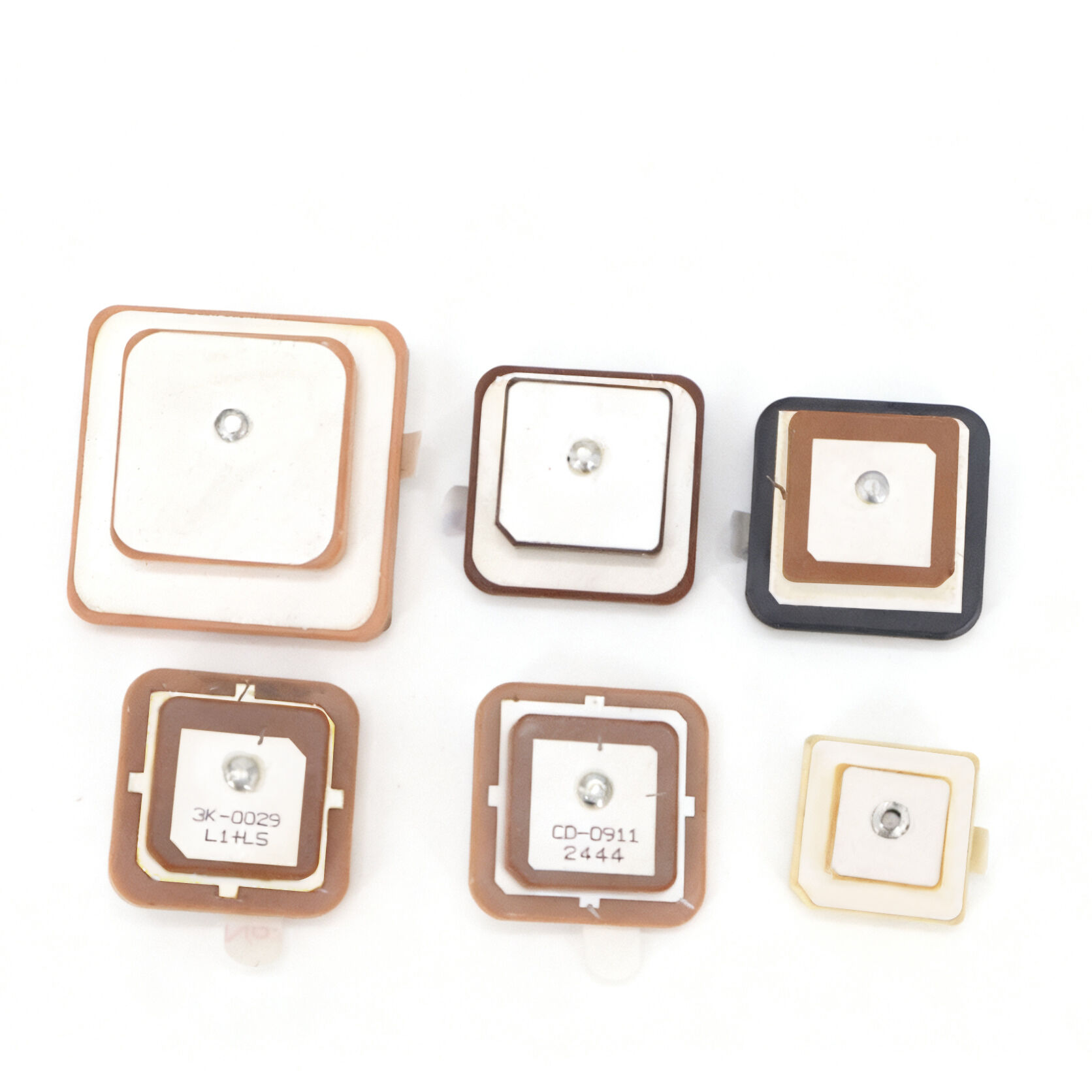
Modern wireless communication systems demand exceptional performance from their antenna components, particularly in applications requiring high frequency operation and compact form factors. The microwave ceramic antenna has emerged as a superior solution for engineers seeking reliable, efficient, and space-saving RF components. These advanced antenna systems leverage the unique properties of specialized ceramic materials to deliver outstanding performance across various frequency bands while maintaining structural integrity in demanding environments.

The evolution of ceramic antenna technology has revolutionized how RF engineers approach system design challenges. Unlike traditional metallic antennas, ceramic-based solutions offer enhanced dielectric properties that enable superior miniaturization without compromising signal integrity. This breakthrough technology has found applications across telecommunications, aerospace, automotive, and industrial sectors where space constraints and performance requirements are equally critical.
Understanding Microwave Ceramic Antenna Technology
Fundamental Principles of Ceramic Antenna Design
Ceramic antennas operate on the principle of utilizing high-dielectric-constant materials to concentrate electromagnetic fields within a smaller physical volume. The microwave ceramic antenna architecture takes advantage of the unique electrical properties of advanced ceramic compounds to achieve resonance at desired frequencies while maintaining compact dimensions. This design approach enables engineers to create antenna systems that would be impossible to realize using conventional materials.
The dielectric properties of ceramic materials play a crucial role in determining antenna performance characteristics. High permittivity ceramics allow for significant size reduction compared to air-filled designs, while maintaining excellent radiation efficiency. The microwave ceramic antenna benefits from precise control over these dielectric properties through careful material selection and processing techniques.
Material Science Behind Ceramic Antenna Performance
Advanced ceramic materials used in microwave antenna construction exhibit exceptional thermal stability and mechanical strength. These materials maintain their electrical properties across wide temperature ranges, making them ideal for harsh operating environments. The crystalline structure of ceramic compounds provides consistent dielectric behavior that translates to reliable antenna performance over extended operational periods.
Manufacturing precision in ceramic antenna production directly impacts final performance specifications. Modern fabrication techniques allow for tight dimensional tolerances and controlled material properties that ensure consistent frequency response and radiation patterns. The microwave ceramic antenna manufacturing process involves sophisticated material formulation, precision forming, and controlled sintering to achieve optimal electrical and mechanical properties.
Performance Advantages in RF Applications
Size Reduction and Integration Benefits
One of the most significant advantages of ceramic antenna technology is the dramatic size reduction achievable compared to conventional designs. The high dielectric constant of ceramic materials enables antenna miniaturization by factors of three to five while maintaining equivalent performance levels. This size advantage becomes increasingly important as electronic systems become more compact and integration requirements more demanding.
The compact nature of microwave ceramic antenna designs facilitates easier integration into space-constrained applications. Modern communication devices benefit from the ability to incorporate high-performance antennas without dedicating excessive board space or volume to RF components. This integration advantage extends to cost savings in overall system design and manufacturing.
Frequency Response and Bandwidth Characteristics
Ceramic antennas demonstrate exceptional frequency stability and controlled bandwidth characteristics essential for precise RF applications. The inherent properties of ceramic materials provide natural filtering effects that can enhance system selectivity while reducing interference susceptibility. microwave ceramic antenna systems exhibit predictable frequency response that remains stable across varying environmental conditions.
Advanced ceramic formulations enable bandwidth optimization for specific application requirements. Engineers can tailor antenna performance by adjusting ceramic composition and geometry to achieve desired frequency response characteristics. This flexibility in design parameters allows for optimized solutions across diverse application requirements while maintaining consistent manufacturing processes.
Application Domains and Use Cases
Telecommunications Infrastructure Applications
Telecommunications networks increasingly rely on microwave ceramic antenna technology to meet growing capacity and coverage demands. Base station applications benefit from the compact size and excellent performance characteristics of ceramic antennas, enabling more efficient site utilization and reduced infrastructure costs. These antennas provide reliable connectivity while occupying minimal space on crowded cell towers and rooftops.
The microwave ceramic antenna technology proves particularly valuable in small cell deployments where space constraints are critical. Urban deployments require antenna solutions that deliver excellent performance while maintaining low visual impact. Ceramic antennas meet these requirements through their compact form factor and ability to blend seamlessly with architectural elements.
Aerospace and Defense Systems
Military and aerospace applications demand antenna systems that can withstand extreme environmental conditions while delivering consistent performance. Ceramic antennas excel in these demanding applications due to their inherent durability and thermal stability. The rugged nature of ceramic materials ensures reliable operation across temperature extremes and mechanical stress conditions typical in aerospace environments.
Satellite communication systems benefit significantly from microwave ceramic antenna technology. The space environment presents unique challenges including temperature cycling, radiation exposure, and mechanical vibration. Ceramic antennas demonstrate exceptional resilience to these conditions while maintaining precise frequency response and radiation pattern characteristics essential for reliable satellite links.
Design Considerations and Implementation
Electrical Performance Optimization
Successful microwave ceramic antenna implementation requires careful attention to impedance matching and resonance tuning. The high dielectric constant of ceramic materials affects impedance characteristics, requiring specialized matching networks for optimal performance. Engineers must consider these factors during initial design phases to ensure seamless integration with existing RF systems and achieve maximum power transfer efficiency.
Radiation pattern control represents another critical aspect of ceramic antenna design optimization. The interaction between ceramic material properties and antenna geometry influences directivity and gain characteristics. Proper design methodology considers these interactions to achieve desired radiation patterns while maintaining efficient power transfer and minimal side lobe levels.
Environmental and Reliability Factors
Environmental stability stands as a primary advantage of ceramic antenna technology in challenging operating conditions. The microwave ceramic antenna demonstrates exceptional resistance to moisture absorption, temperature cycling, and chemical exposure. These characteristics ensure consistent performance across diverse deployment scenarios from outdoor base stations to harsh industrial environments.
Long-term reliability considerations favor ceramic antenna solutions due to their inherent material stability and resistance to degradation mechanisms that affect other antenna technologies. Ceramic materials do not suffer from corrosion or oxidation issues common in metallic components, resulting in extended service life and reduced maintenance requirements.
Manufacturing and Quality Control
Production Techniques and Process Control
Modern microwave ceramic antenna manufacturing employs sophisticated production techniques to ensure consistent quality and performance. Precision molding processes create accurate dimensional control essential for frequency response predictability. Advanced sintering techniques optimize material density and electrical properties while maintaining tight dimensional tolerances throughout production runs.
Quality control procedures in ceramic antenna manufacturing involve comprehensive electrical and mechanical testing protocols. Each production batch undergoes rigorous verification to ensure compliance with specified performance parameters. This attention to quality control ensures that every microwave ceramic antenna meets demanding application requirements and provides reliable long-term performance.
Testing and Validation Procedures
Comprehensive testing protocols validate ceramic antenna performance across all critical parameters including frequency response, radiation patterns, and impedance characteristics. Anechoic chamber measurements provide accurate assessment of antenna performance under controlled conditions. Environmental testing verifies performance stability across temperature, humidity, and mechanical stress conditions representative of actual deployment scenarios.
Validation procedures extend beyond initial performance verification to include long-term reliability testing and failure mode analysis. This comprehensive approach ensures that microwave ceramic antenna products meet stringent reliability requirements essential for critical communication applications. Statistical process control methods help maintain consistent quality levels throughout production operations.
Future Developments and Innovations
Advanced Material Technologies
Ongoing research in ceramic material science continues to push the boundaries of antenna performance capabilities. New ceramic compositions promise even higher dielectric constants and improved temperature stability for next-generation applications. These material advances enable further miniaturization while enhancing electrical performance characteristics across wider frequency ranges.
Metamaterial concepts integrated with ceramic antenna technology offer exciting possibilities for enhanced functionality. These hybrid approaches combine the proven benefits of microwave ceramic antenna technology with advanced electromagnetic manipulation capabilities. Such innovations may enable unprecedented control over radiation patterns and frequency response characteristics.
Integration with Smart Systems
The evolution toward intelligent antenna systems presents new opportunities for ceramic antenna integration. Active control systems combined with ceramic antenna elements enable adaptive radiation patterns and frequency tuning capabilities. These smart antenna concepts leverage the stable platform provided by ceramic elements to implement sophisticated signal processing functions.
Internet of Things applications increasingly demand antenna solutions that combine compact size with multi-band operation capabilities. Ceramic antenna technology provides an ideal foundation for these requirements through inherent size advantages and design flexibility. Future microwave ceramic antenna developments will likely focus on enhanced multi-band performance and seamless integration with IoT sensor systems.
FAQ
What are the primary advantages of microwave ceramic antennas over traditional metal antennas
Microwave ceramic antennas offer significant size reduction, typically 60-80% smaller than equivalent metal designs, while maintaining similar or superior performance characteristics. They provide excellent temperature stability, moisture resistance, and mechanical durability. The high dielectric constant of ceramic materials enables compact designs without performance compromise, making them ideal for space-constrained applications where traditional antennas would be impractical.
How do environmental conditions affect ceramic antenna performance
Ceramic antennas demonstrate exceptional environmental stability compared to other antenna technologies. They maintain consistent electrical properties across wide temperature ranges and show minimal performance degradation due to humidity or chemical exposure. The inherent stability of ceramic materials ensures reliable operation in harsh environments including aerospace, maritime, and industrial applications where temperature cycling and environmental stress are common concerns.
What frequency ranges are typically supported by microwave ceramic antenna designs
Modern microwave ceramic antenna technology supports frequency ranges from several hundred MHz to over 100 GHz, depending on specific design requirements and ceramic material properties. Common applications include cellular bands, WiFi, GPS, and millimeter-wave frequencies. The broad frequency capability results from the flexibility in ceramic material formulation and geometric design parameters that can be optimized for specific frequency ranges.
How does the manufacturing process affect ceramic antenna performance consistency
Manufacturing precision directly impacts ceramic antenna performance consistency through dimensional control and material property uniformity. Advanced production techniques including precision molding, controlled sintering, and comprehensive quality testing ensure tight performance tolerances. Statistical process control methods monitor critical parameters throughout production to maintain consistent electrical and mechanical properties across production volumes, ensuring reliable performance in deployed applications.
Table of Contents
- Understanding Microwave Ceramic Antenna Technology
- Performance Advantages in RF Applications
- Application Domains and Use Cases
- Design Considerations and Implementation
- Manufacturing and Quality Control
- Future Developments and Innovations
-
FAQ
- What are the primary advantages of microwave ceramic antennas over traditional metal antennas
- How do environmental conditions affect ceramic antenna performance
- What frequency ranges are typically supported by microwave ceramic antenna designs
- How does the manufacturing process affect ceramic antenna performance consistency