
 EN
EN
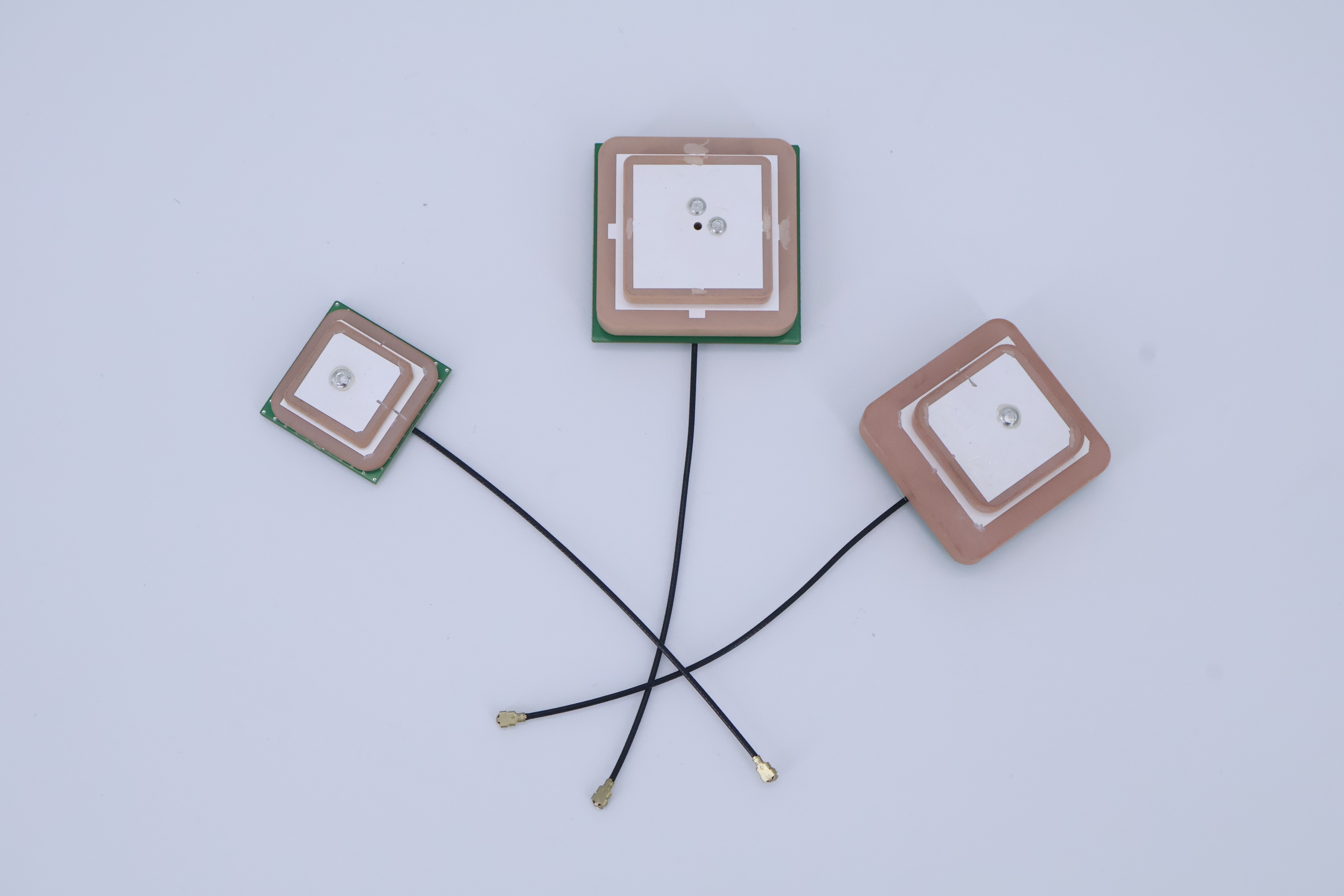
The evolution of modern wireless communication systems has brought unprecedented demands for high-performance antenna solutions. Among these innovations, the microwave ceramic antenna stands out as a revolutionary technology that combines exceptional electrical properties with superior mechanical durability. These advanced antenna systems utilize specialized ceramic materials engineered to optimize electromagnetic wave propagation while maintaining compact form factors essential for contemporary applications. The unique dielectric properties of ceramic materials enable engineers to achieve remarkable miniaturization without compromising signal integrity or transmission efficiency.

Modern telecommunications infrastructure relies heavily on antenna technologies that can deliver consistent performance across diverse environmental conditions. The microwave ceramic antenna technology addresses critical challenges faced by traditional antenna designs, including size constraints, bandwidth limitations, and environmental stability concerns. These ceramic-based solutions offer superior temperature stability, enhanced moisture resistance, and exceptional durability compared to conventional metallic antenna structures. The integration of advanced ceramic materials enables the development of antenna systems that maintain optimal performance characteristics across extended operational lifespans.
Understanding Microwave Ceramic Antenna Technology
Material Science Foundations
The fundamental principle behind microwave ceramic antenna performance lies in the unique electromagnetic properties of ceramic dielectric materials. These specialized ceramics exhibit carefully controlled permittivity values that enable precise manipulation of electromagnetic field distributions within the antenna structure. The molecular composition of ceramic materials allows for exceptional control over dielectric constant values, typically ranging from 6 to 100, depending on the specific application requirements. This wide range of dielectric constants provides engineers with unprecedented flexibility in antenna design optimization.
Temperature stability represents another critical advantage of ceramic dielectric materials in antenna applications. Unlike traditional antenna substrates that may experience significant performance variations across temperature ranges, microwave ceramic antenna systems maintain consistent electrical characteristics from -40°C to +85°C. This thermal stability ensures reliable communication performance in harsh environmental conditions, making these antennas ideal for outdoor installations, automotive applications, and aerospace systems where temperature fluctuations are common.
Electromagnetic Wave Propagation Characteristics
The propagation of electromagnetic waves within ceramic antenna structures follows well-defined physical principles that differ significantly from traditional antenna designs. The high dielectric constant of ceramic materials enables significant wavelength reduction within the antenna medium, allowing for substantial miniaturization while maintaining optimal radiation patterns. This wavelength compression effect is particularly beneficial in applications where space constraints are critical, such as mobile communication devices and compact base station installations.
Radiation efficiency in microwave ceramic antenna designs typically exceeds 85%, representing a significant improvement over many conventional antenna technologies. The low loss tangent properties of quality ceramic materials minimize energy dissipation during electromagnetic wave propagation, resulting in enhanced overall system efficiency. This improved efficiency translates directly into extended battery life in portable devices and reduced power consumption in fixed installations, making ceramic antenna technology an environmentally sustainable choice for modern communication systems.
Design Principles and Engineering Considerations
Geometric Optimization Strategies
The geometric design of microwave ceramic antenna systems requires careful consideration of multiple interconnected parameters to achieve optimal performance characteristics. Antenna designers must balance size constraints with performance requirements while accounting for the unique electromagnetic properties of ceramic materials. The shape and dimensions of ceramic antenna elements directly influence radiation patterns, impedance matching, and bandwidth characteristics, requiring sophisticated computational modeling techniques for optimal results.
Modern design methodologies employ advanced electromagnetic simulation software to predict microwave ceramic antenna performance before physical prototyping. These simulation tools enable engineers to explore complex geometric configurations and material property combinations that would be impractical to evaluate through experimental methods alone. The iterative design process involves continuous refinement of antenna geometry based on simulation results, ultimately leading to optimized performance across all critical parameters including gain, bandwidth, and radiation pattern characteristics.
Impedance Matching Techniques
Achieving proper impedance matching in microwave ceramic antenna designs requires specialized techniques that account for the unique electrical characteristics of ceramic dielectric materials. The high dielectric constant of ceramic materials creates impedance transformation challenges that must be addressed through careful design of matching networks and feed structures. Quarter-wave transformers, tapered transmission lines, and multi-section matching networks are commonly employed to ensure optimal power transfer between the antenna and associated circuitry.
The broadband impedance matching capabilities of well-designed ceramic antenna systems enable operation across wide frequency ranges without significant performance degradation. This broadband operation is particularly valuable in modern communication systems that utilize multiple frequency bands simultaneously or require frequency agility for optimal spectrum utilization. Advanced matching techniques can achieve voltage standing wave ratio (VSWR) values below 1.5:1 across bandwidths exceeding 30% of the center frequency.
Manufacturing Processes and Quality Control
Ceramic Material Processing
The manufacturing of high-quality microwave ceramic antenna components begins with the careful selection and processing of raw ceramic materials. The powder preparation stage involves precise control of particle size distribution, chemical purity, and homogeneity to ensure consistent dielectric properties throughout the final product. Advanced mixing techniques, including ball milling and spray drying, are employed to achieve uniform material composition essential for predictable electromagnetic performance.
Sintering processes play a crucial role in determining the final electrical and mechanical properties of ceramic antenna components. Controlled atmosphere furnaces operating at temperatures typically ranging from 1200°C to 1600°C are used to achieve optimal ceramic densification while maintaining precise dimensional tolerances. The sintering profile, including heating rates, peak temperatures, and cooling schedules, must be carefully optimized for each specific ceramic composition to achieve target dielectric properties and mechanical strength characteristics.
Precision Machining and Assembly
Post-sintering machining operations require specialized equipment and techniques to achieve the tight dimensional tolerances necessary for optimal microwave ceramic antenna performance. Diamond tooling and ultrasonic machining techniques are commonly employed to create complex geometric features while minimizing material stress and maintaining surface quality. The precision requirements for ceramic antenna components often demand tolerances of ±0.05mm or better, particularly for critical dimensions that directly affect electromagnetic performance.
Assembly processes for microwave ceramic antenna systems involve the integration of ceramic components with metallic feed structures, mounting hardware, and protective enclosures. Specialized bonding techniques, including high-temperature brazing and conductive adhesives, are used to create reliable electrical and mechanical connections between ceramic and metallic components. Quality control procedures throughout the assembly process ensure that each completed antenna system meets stringent performance specifications before final testing and packaging.
Performance Advantages and Benefits
Size Reduction and Integration Benefits
One of the most significant advantages of microwave ceramic antenna technology is the substantial size reduction achievable compared to traditional antenna designs. The high dielectric constant of ceramic materials enables antenna miniaturization by factors of 2 to 10, depending on the specific application and frequency range. This dramatic size reduction opens new possibilities for antenna integration in space-constrained applications where conventional antennas would be impractical or impossible to implement.
The compact form factor of ceramic antenna systems facilitates integration into modern electronic devices without compromising aesthetic design or functionality. Mobile communication devices, Internet of Things (IoT) sensors, and wearable technology platforms benefit significantly from the reduced antenna footprint enabled by ceramic technology. The ability to embed microwave ceramic antenna systems within product housings while maintaining excellent performance characteristics represents a major advancement in product design flexibility.
Environmental Durability and Reliability
Ceramic materials exhibit exceptional resistance to environmental stresses that commonly degrade the performance of traditional antenna systems. The inherent chemical stability of ceramic materials provides excellent resistance to corrosion, oxidation, and chemical attack from atmospheric pollutants or industrial chemicals. This environmental resilience ensures consistent antenna performance over extended operational periods, reducing maintenance requirements and overall system lifecycle costs.
Mechanical durability represents another critical advantage of ceramic antenna technology, particularly in applications subject to vibration, shock, or mechanical stress. The high compressive strength and fracture toughness of engineered ceramic materials enable antenna systems to withstand harsh mechanical environments without performance degradation. This mechanical robustness is essential for automotive, aerospace, and industrial applications where antenna systems must operate reliably despite exposure to significant mechanical stresses.
Applications Across Industries
Telecommunications Infrastructure
The telecommunications industry has embraced microwave ceramic antenna technology for a wide range of infrastructure applications, from cellular base stations to satellite communication systems. The superior performance characteristics of ceramic antennas enable network operators to deploy more efficient communication systems with reduced power consumption and improved coverage patterns. Base station applications particularly benefit from the enhanced gain and directional characteristics achievable with ceramic antenna arrays.
5G network deployments have created new demands for high-performance antenna solutions capable of operating across multiple frequency bands simultaneously. Microwave ceramic antenna technology provides the bandwidth and efficiency characteristics necessary to support the complex modulation schemes and high data rates required by 5G systems. The ability to integrate multiple antenna elements within compact form factors enables the development of advanced beamforming systems essential for 5G network optimization.
Aerospace and Defense Systems
Military and aerospace applications demand antenna systems that can operate reliably under extreme environmental conditions while maintaining precise performance characteristics. The temperature stability and mechanical durability of microwave ceramic antenna systems make them ideal for radar applications, satellite communications, and electronic warfare systems. The low observable characteristics of ceramic materials also provide stealth advantages in military applications where electromagnetic signature reduction is critical.
Satellite communication systems benefit significantly from the high efficiency and directional characteristics of ceramic antenna technology. The ability to maintain consistent performance across wide temperature ranges is particularly important for space-based applications where thermal cycling presents ongoing challenges for conventional antenna systems. The radiation resistance of ceramic materials also enables operation in high-radiation environments encountered in space applications without significant performance degradation.
Future Developments and Emerging Technologies
Advanced Material Innovations
Ongoing research in ceramic material science continues to push the boundaries of microwave ceramic antenna performance through the development of new material compositions and processing techniques. Low-temperature co-fired ceramic (LTCC) technologies enable the integration of antenna elements with complex multilayer circuits, creating highly integrated communication modules with unprecedented functionality. These advanced materials enable the realization of antenna systems with tailored electromagnetic properties optimized for specific application requirements.
Metamaterial-enhanced ceramic antenna designs represent an emerging frontier in antenna technology, combining the advantages of ceramic dielectric materials with the unique electromagnetic properties of metamaterial structures. These hybrid designs enable the achievement of performance characteristics that exceed the limitations of conventional antenna technologies, including negative refractive index effects and enhanced directivity characteristics. The integration of metamaterial concepts with ceramic antenna technology promises to unlock new possibilities for ultra-compact, high-performance antenna systems.
Manufacturing Technology Advancements
Additive manufacturing technologies are beginning to enable new approaches to microwave ceramic antenna fabrication, allowing for the creation of complex three-dimensional structures that would be difficult or impossible to achieve through conventional manufacturing methods. 3D printing of ceramic materials enables rapid prototyping of antenna designs and the production of customized antenna solutions for specialized applications. These manufacturing advances are expected to reduce development time and costs while enabling greater design flexibility.
Precision manufacturing techniques continue to evolve, enabling the production of ceramic antenna components with ever-tighter dimensional tolerances and improved surface finish characteristics. Advanced metrology systems ensure consistent quality control throughout the manufacturing process, while automated production equipment enables high-volume manufacturing of ceramic antenna components with excellent repeatability and cost effectiveness. These manufacturing improvements support the widespread adoption of ceramic antenna technology across diverse applications.
FAQ
What are the primary advantages of microwave ceramic antenna technology over traditional designs
Microwave ceramic antenna systems offer significant size reduction capabilities, typically achieving 50-90% smaller footprints compared to conventional antennas while maintaining equivalent performance. The high dielectric constant of ceramic materials enables this miniaturization without compromising radiation efficiency or bandwidth characteristics. Additionally, ceramic antennas demonstrate superior environmental stability, with consistent performance across temperature ranges from -40°C to +85°C and excellent resistance to moisture, corrosion, and mechanical stress.
How do ceramic materials improve antenna efficiency and performance
Ceramic materials enhance antenna performance through their unique electromagnetic properties, including controlled dielectric constants and low loss tangents. These characteristics enable efficient electromagnetic wave propagation with minimal energy dissipation, typically achieving radiation efficiencies exceeding 85%. The wavelength compression effect within ceramic materials allows for optimal antenna dimensions while maintaining desired radiation patterns and impedance matching characteristics across wide frequency ranges.
What applications benefit most from microwave ceramic antenna technology
Applications requiring compact, high-performance antenna solutions benefit significantly from ceramic antenna technology. These include mobile communication devices, IoT sensors, automotive radar systems, satellite communications, and 5G base stations. The technology is particularly valuable in space-constrained environments where traditional antennas would be impractical, and in harsh operating conditions requiring exceptional environmental durability and long-term reliability.
What factors should be considered when selecting a microwave ceramic antenna system
Key selection criteria include frequency range requirements, size constraints, environmental operating conditions, and performance specifications such as gain, bandwidth, and radiation pattern characteristics. The dielectric constant of the ceramic material must be matched to the specific application requirements, while mechanical considerations including mounting methods and integration requirements should be evaluated. Power handling capabilities, temperature stability requirements, and cost considerations also play important roles in the selection process for optimal system performance.
Table of Contents
- Understanding Microwave Ceramic Antenna Technology
- Design Principles and Engineering Considerations
- Manufacturing Processes and Quality Control
- Performance Advantages and Benefits
- Applications Across Industries
- Future Developments and Emerging Technologies
-
FAQ
- What are the primary advantages of microwave ceramic antenna technology over traditional designs
- How do ceramic materials improve antenna efficiency and performance
- What applications benefit most from microwave ceramic antenna technology
- What factors should be considered when selecting a microwave ceramic antenna system