
 EN
EN
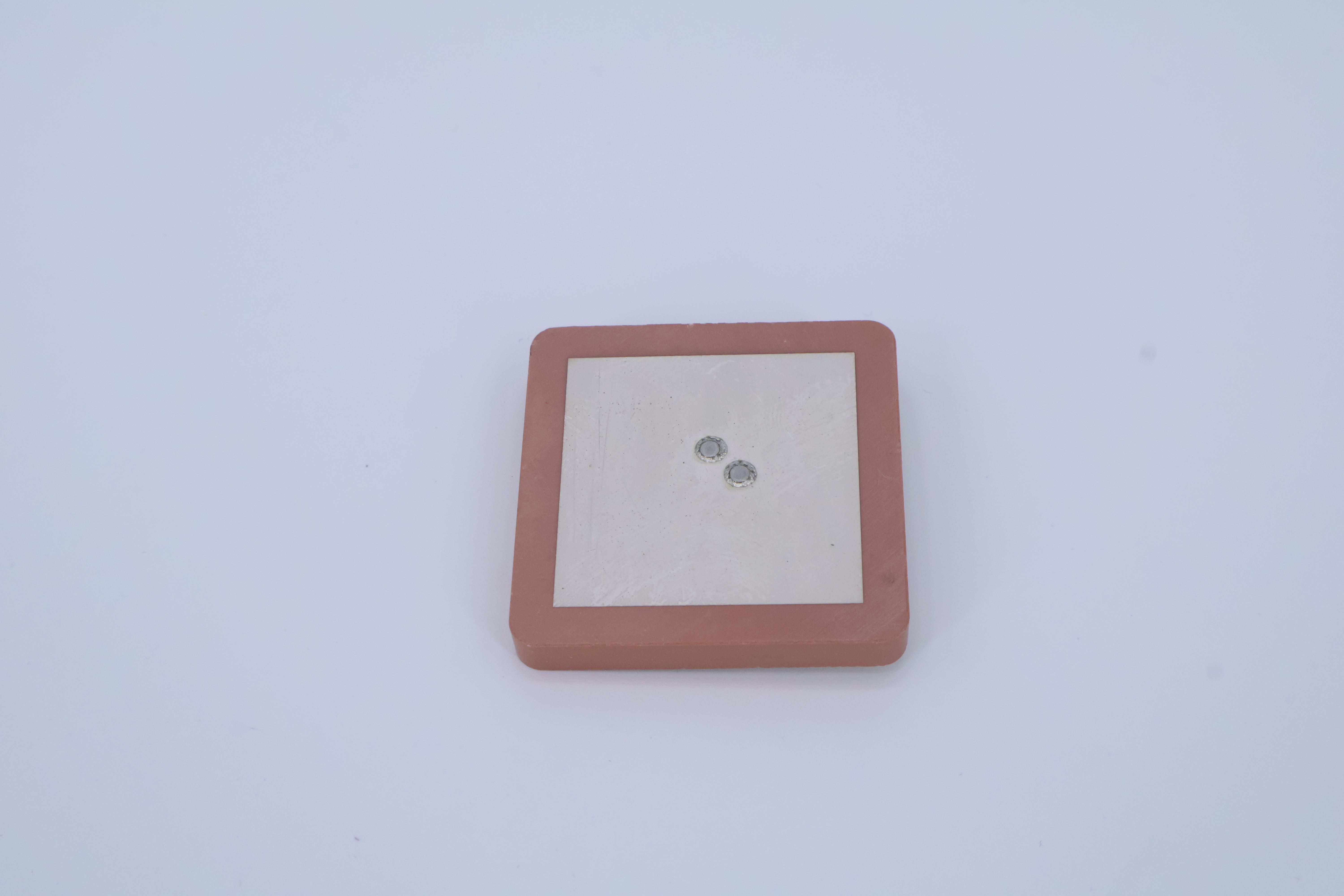
Modern wireless communication systems demand increasingly sophisticated antenna technologies to meet the growing requirements for high-frequency performance, compact design, and reliable signal transmission. The microwave dielectric antenna represents a significant advancement in antenna engineering, offering superior performance characteristics that make it an essential component in today's high-frequency applications. These specialized antennas utilize dielectric materials with specific electromagnetic properties to achieve enhanced gain, improved bandwidth, and reduced size compared to traditional metallic antenna designs. As the telecommunications industry continues to evolve toward higher frequencies and more demanding performance specifications, understanding the capabilities and applications of microwave dielectric antenna technology becomes crucial for engineers and system designers working in wireless communications, radar systems, and satellite applications.
Fundamental Principles of Dielectric Antenna Technology
Electromagnetic Properties of Dielectric Materials
The effectiveness of a microwave dielectric antenna relies heavily on the electromagnetic properties of the dielectric materials used in its construction. These materials exhibit specific permittivity and permeability characteristics that influence how electromagnetic waves propagate through and around the antenna structure. High-permittivity dielectric materials concentrate electromagnetic energy within smaller volumes, enabling the design of more compact antenna systems without sacrificing performance. The dielectric constant of these materials typically ranges from 10 to 100, significantly higher than air or vacuum, which allows for substantial size reduction while maintaining desired resonant frequencies. Additionally, the loss tangent of the dielectric material plays a critical role in determining the antenna's efficiency, with lower loss tangents contributing to higher radiation efficiency and better overall performance.
Temperature stability represents another crucial factor in dielectric material selection for microwave antenna applications. Modern dielectric materials used in these antennas exhibit excellent thermal stability, maintaining consistent electromagnetic properties across wide temperature ranges. This stability ensures reliable performance in varying environmental conditions, making microwave dielectric antenna systems suitable for outdoor installations, aerospace applications, and industrial environments where temperature fluctuations are common. The ceramic-based dielectric materials commonly employed in these antennas offer exceptional mechanical durability alongside their favorable electromagnetic characteristics, providing long-term reliability in demanding operational scenarios.
Wave Propagation and Resonance Mechanisms
Understanding wave propagation within dielectric antenna structures is essential for optimizing their performance characteristics. When electromagnetic waves encounter the high-permittivity dielectric material of a microwave dielectric antenna, the wavelength becomes compressed according to the square root of the material's dielectric constant. This wavelength compression allows the antenna to achieve resonance at much smaller physical dimensions compared to conventional antennas operating at the same frequency. The resonance mechanism in dielectric antennas typically involves the excitation of specific electromagnetic modes within the dielectric structure, creating standing wave patterns that facilitate efficient radiation.
The radiation mechanism of a microwave dielectric antenna involves the leakage of electromagnetic energy from the dielectric structure into the surrounding medium. This leakage occurs primarily at discontinuities in the dielectric geometry, such as edges and corners, where the electromagnetic fields experience rapid changes in boundary conditions. By carefully designing the shape and dimensions of the dielectric structure, engineers can control the radiation pattern, gain, and bandwidth characteristics of the antenna. Advanced computational electromagnetic modeling techniques enable precise optimization of these parameters, allowing for the development of highly efficient microwave dielectric antenna designs tailored to specific application requirements.
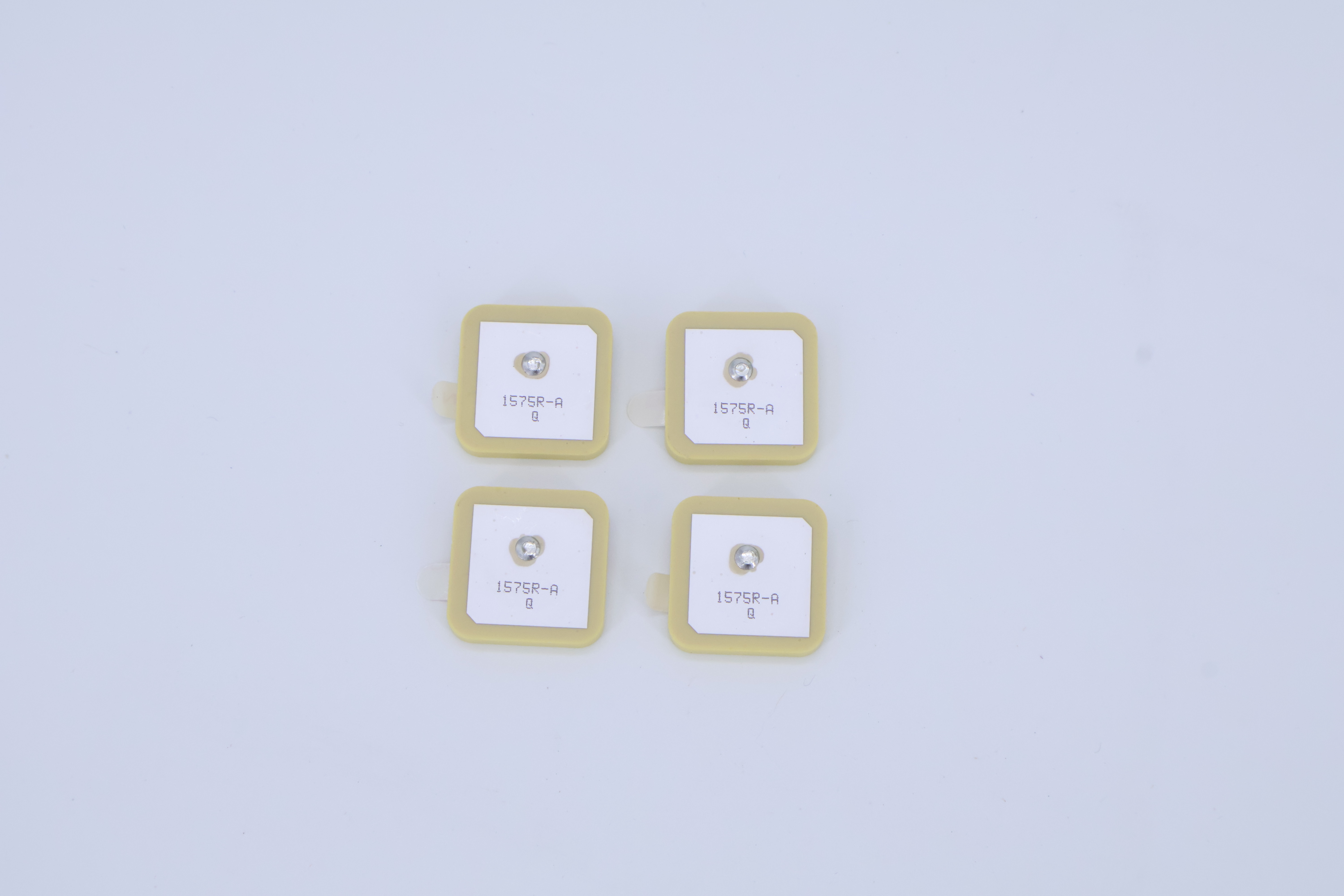
Design Considerations and Performance Optimization
Geometric Configuration and Size Optimization
The geometric configuration of a microwave dielectric antenna significantly influences its electromagnetic performance characteristics, including radiation pattern, gain, bandwidth, and input impedance. Common configurations include cylindrical, rectangular, and spherical shapes, each offering distinct advantages for different applications. Cylindrical dielectric antennas provide omnidirectional radiation patterns suitable for base station applications, while rectangular configurations often yield higher gain in specific directions, making them ideal for point-to-point communication links. The aspect ratio of the dielectric structure plays a crucial role in determining the antenna's bandwidth characteristics, with carefully optimized ratios enabling broader operational frequency ranges.
Size optimization involves balancing multiple performance parameters while meeting physical constraints imposed by the intended application. Modern design approaches utilize advanced optimization algorithms to determine optimal dimensions that maximize gain while minimizing size and maintaining acceptable bandwidth characteristics. The relationship between antenna size and operating frequency in dielectric antennas follows scaling laws that differ from those of conventional metallic antennas, providing designers with additional flexibility in achieving desired performance specifications. Miniaturization capabilities of microwave dielectric antenna technology enable integration into compact electronic devices while maintaining excellent electromagnetic performance.
Feeding Mechanisms and Impedance Matching
Efficient coupling of electromagnetic energy into a microwave dielectric antenna requires careful consideration of feeding mechanisms and impedance matching techniques. Common feeding methods include coaxial probe feeding, aperture coupling, and proximity coupling, each offering specific advantages depending on the antenna configuration and application requirements. Coaxial probe feeding provides direct connection to the dielectric structure but may introduce unwanted coupling effects, while aperture coupling offers improved isolation between the feed network and the radiating element. The choice of feeding mechanism significantly affects the antenna's bandwidth, efficiency, and ease of integration into larger systems.
Impedance matching between the feed line and the microwave dielectric antenna presents unique challenges due to the high permittivity of the dielectric material. The input impedance of dielectric antennas typically exhibits complex frequency dependence, requiring sophisticated matching networks to achieve acceptable return loss across the desired operating bandwidth. Modern matching techniques employ multi-stage transformers, stub matching, and advanced circuit synthesis methods to optimize impedance characteristics. Proper impedance matching not only maximizes power transfer efficiency but also minimizes reflections that could degrade system performance or damage transmitter components in high-power applications.
Applications and Industry Implementation
Wireless Communication Systems
The deployment of microwave dielectric antenna technology in wireless communication systems has revolutionized the design of base stations, mobile devices, and network infrastructure equipment. These antennas excel in applications requiring compact size, high gain, and stable performance across varying environmental conditions. In cellular base station applications, microwave dielectric antenna arrays provide excellent coverage patterns while occupying minimal space, enabling operators to install more antennas in constrained locations. The low profile and lightweight characteristics of dielectric antennas make them particularly attractive for small cell deployments in urban environments where aesthetic considerations and weight limitations are paramount.
Fifth-generation wireless networks benefit significantly from the unique capabilities of microwave dielectric antenna technology. The higher operating frequencies employed in 5G systems align perfectly with the performance characteristics of dielectric antennas, which maintain efficiency and stability at millimeter-wave frequencies where traditional antennas may exhibit degraded performance. Massive MIMO systems utilize arrays of microwave dielectric antenna elements to achieve unprecedented spatial resolution and system capacity. The consistent performance characteristics of dielectric antennas enable precise beamforming and interference management, essential capabilities for meeting the stringent requirements of advanced wireless communication standards.
Radar and Sensing Applications
Radar systems across various industries have embraced microwave dielectric antenna technology to achieve improved detection capabilities and enhanced system performance. Automotive radar applications particularly benefit from the compact size and stable performance of dielectric antennas, enabling integration into vehicle bodies while maintaining precise target detection and tracking capabilities. The temperature stability of dielectric materials ensures consistent radar performance across the extreme temperature ranges encountered in automotive applications, from arctic conditions to desert environments. Advanced driver assistance systems rely on the precise radiation patterns achievable with microwave dielectric antenna designs to distinguish between multiple targets and provide accurate distance and velocity measurements.
Weather radar systems employ large arrays of microwave dielectric antenna elements to achieve the sensitivity and resolution required for meteorological monitoring. The low loss characteristics of quality dielectric materials contribute to improved system sensitivity, enabling detection of smaller precipitation particles and more accurate weather forecasting. Marine radar applications utilize the corrosion resistance and mechanical durability of ceramic-based dielectric antennas to maintain reliable performance in harsh maritime environments. Industrial sensing applications, including motion detection and proximity sensing, leverage the broad bandwidth capabilities of microwave dielectric antenna technology to implement sophisticated sensing algorithms that provide enhanced accuracy and reliability.
Manufacturing and Material Technologies
Advanced Ceramic Processing Techniques
The manufacturing of high-performance microwave dielectric antenna components requires sophisticated ceramic processing techniques that ensure consistent electromagnetic properties and dimensional accuracy. Modern production methods employ advanced powder preparation techniques, including ball milling, spray drying, and chemical synthesis methods that create homogeneous ceramic powders with controlled particle size distributions. These carefully prepared powders undergo precise forming processes, such as dry pressing, isostatic pressing, or tape casting, depending on the desired antenna geometry and performance requirements. Each forming technique offers specific advantages in terms of dimensional control, material density, and surface finish quality.
Sintering processes represent a critical stage in microwave dielectric antenna manufacturing, where controlled heating cycles transform pressed ceramic powders into dense, mechanically robust structures with optimal electromagnetic properties. Advanced sintering techniques, including conventional heating, microwave sintering, and hot isostatic pressing, enable precise control over material density, grain size, and crystalline structure. These parameters directly influence the antenna's electromagnetic performance characteristics, including dielectric constant, loss tangent, and temperature stability. Quality control measures throughout the manufacturing process ensure that each microwave dielectric antenna meets stringent performance specifications required for demanding applications.
Quality Assurance and Testing Protocols
Comprehensive testing protocols ensure that manufactured microwave dielectric antenna components meet specified performance requirements and maintain consistency across production batches. Electromagnetic testing encompasses measurement of key parameters including return loss, gain, radiation pattern, and efficiency across the intended operating frequency range. Specialized anechoic chambers and precision measurement equipment enable accurate characterization of antenna performance under controlled conditions that eliminate external interference and reflections. Environmental testing protocols subject antennas to temperature cycling, humidity exposure, and mechanical stress to verify long-term reliability and performance stability.
Material characterization testing focuses on verifying the electromagnetic properties of the dielectric materials used in antenna construction. Techniques such as cavity resonator methods, split-post dielectric resonator measurements, and free-space transmission methods provide accurate determination of dielectric constant and loss tangent values across relevant frequency ranges. These measurements ensure that material properties remain within specified tolerances and enable correlation between material characteristics and antenna performance. Advanced testing protocols also include accelerated aging studies that predict long-term performance stability and identify potential degradation mechanisms that could affect antenna reliability over extended operational periods.
Future Trends and Technological Developments
Integration with Advanced Materials
The future evolution of microwave dielectric antenna technology involves integration with advanced materials that offer enhanced performance characteristics and new functionality. Metamaterial structures combined with traditional dielectric materials create hybrid antenna designs that achieve unprecedented control over electromagnetic wave propagation and radiation characteristics. These metamaterial-enhanced dielectric antennas enable exotic properties such as negative refractive index behavior, cloaking effects, and super-resolution capabilities that open new possibilities for antenna applications. Researchers are exploring the incorporation of graphene and other two-dimensional materials to create tunable dielectric properties that allow real-time adjustment of antenna characteristics.
Nanostructured dielectric materials represent another frontier in microwave dielectric antenna development, offering the potential for engineered electromagnetic properties that surpass those of conventional ceramic materials. These materials utilize precisely controlled nanostructure geometries to achieve desired permittivity and permeability characteristics while maintaining low loss properties. Additive manufacturing techniques enable the production of complex three-dimensional dielectric structures with integrated gradient properties, allowing for antennas with spatially varying electromagnetic characteristics that optimize performance across multiple parameters simultaneously.
Smart Antenna Systems and Adaptive Technologies
The integration of microwave dielectric antenna technology with smart systems and adaptive control mechanisms represents a significant advancement in antenna capabilities. Electronically reconfigurable dielectric antennas utilize voltage-controlled materials or mechanical actuators to dynamically adjust antenna characteristics in response to changing operating conditions or system requirements. These adaptive systems can optimize radiation patterns, operating frequency, and impedance matching in real-time, maximizing system performance across diverse operational scenarios. Machine learning algorithms integrated with antenna control systems enable intelligent optimization strategies that continuously improve performance based on operational data and environmental feedback.
Massive MIMO systems incorporating thousands of microwave dielectric antenna elements will enable unprecedented spatial resolution and system capacity in future wireless networks. Advanced signal processing techniques combined with the consistent performance characteristics of dielectric antennas allow for precise beamforming and interference management across large antenna arrays. These systems will support the extreme connectivity requirements of future applications, including the Internet of Things, autonomous vehicles, and virtual reality systems that demand high-bandwidth, low-latency wireless connections. The scalability and manufacturing repeatability of dielectric antenna technology make it particularly well-suited for these large-scale array implementations.
FAQ
What are the main advantages of microwave dielectric antennas over traditional metal antennas?
Microwave dielectric antennas offer several key advantages including significantly smaller size due to wavelength compression in high-permittivity materials, excellent temperature stability ensuring consistent performance across varying environmental conditions, superior mechanical durability with ceramic materials resistant to corrosion and wear, and lower manufacturing costs for high-volume production. Additionally, they provide stable radiation patterns and can achieve higher efficiency in certain frequency ranges compared to conventional metallic antennas.
How do environmental factors affect the performance of microwave dielectric antennas?
Environmental factors generally have minimal impact on microwave dielectric antenna performance due to the inherent stability of ceramic dielectric materials. Temperature variations typically cause less than 0.1% change in resonant frequency over normal operating ranges, while humidity has negligible effect since ceramic materials are non-hygroscopic. However, ice or water accumulation on the antenna surface can temporarily alter performance, though this effect is usually less pronounced than with metallic antennas due to the lower surface current densities in dielectric designs.
What frequency ranges are most suitable for microwave dielectric antenna applications?
Microwave dielectric antennas perform exceptionally well across a wide frequency range from 1 GHz to over 100 GHz, with optimal performance typically achieved in the 2-60 GHz range. They are particularly advantageous at higher frequencies where size reduction becomes critical, such as millimeter-wave applications for 5G communications, automotive radar systems operating at 24 GHz and 77 GHz, and satellite communication systems. The high-frequency performance stability makes them ideal for applications where consistent characteristics are essential across the operating bandwidth.
How do you properly install and maintain microwave dielectric antennas?
Proper installation of microwave dielectric antennas requires careful attention to mounting alignment, secure mechanical connection to prevent movement, and appropriate weatherproofing of feed connections. The ceramic materials are mechanically robust but should be protected from direct impact during installation. Maintenance is minimal due to the corrosion-resistant properties of ceramic materials, requiring only periodic visual inspection for physical damage and verification of connection integrity. Unlike metallic antennas, dielectric antennas do not require surface treatments or corrosion prevention measures, significantly reducing long-term maintenance requirements.
Table of Contents
- Fundamental Principles of Dielectric Antenna Technology
- Design Considerations and Performance Optimization
- Applications and Industry Implementation
- Manufacturing and Material Technologies
- Future Trends and Technological Developments
-
FAQ
- What are the main advantages of microwave dielectric antennas over traditional metal antennas?
- How do environmental factors affect the performance of microwave dielectric antennas?
- What frequency ranges are most suitable for microwave dielectric antenna applications?
- How do you properly install and maintain microwave dielectric antennas?