High-Performance GPS Navigation Antenna: Advanced Multi-Constellation Technology for Precise Positioning

All Categories

Get a Free Quote

Our representative will contact you soon.
Email
Name
Company Name
Message
0/1000

gps navigation antenna specification

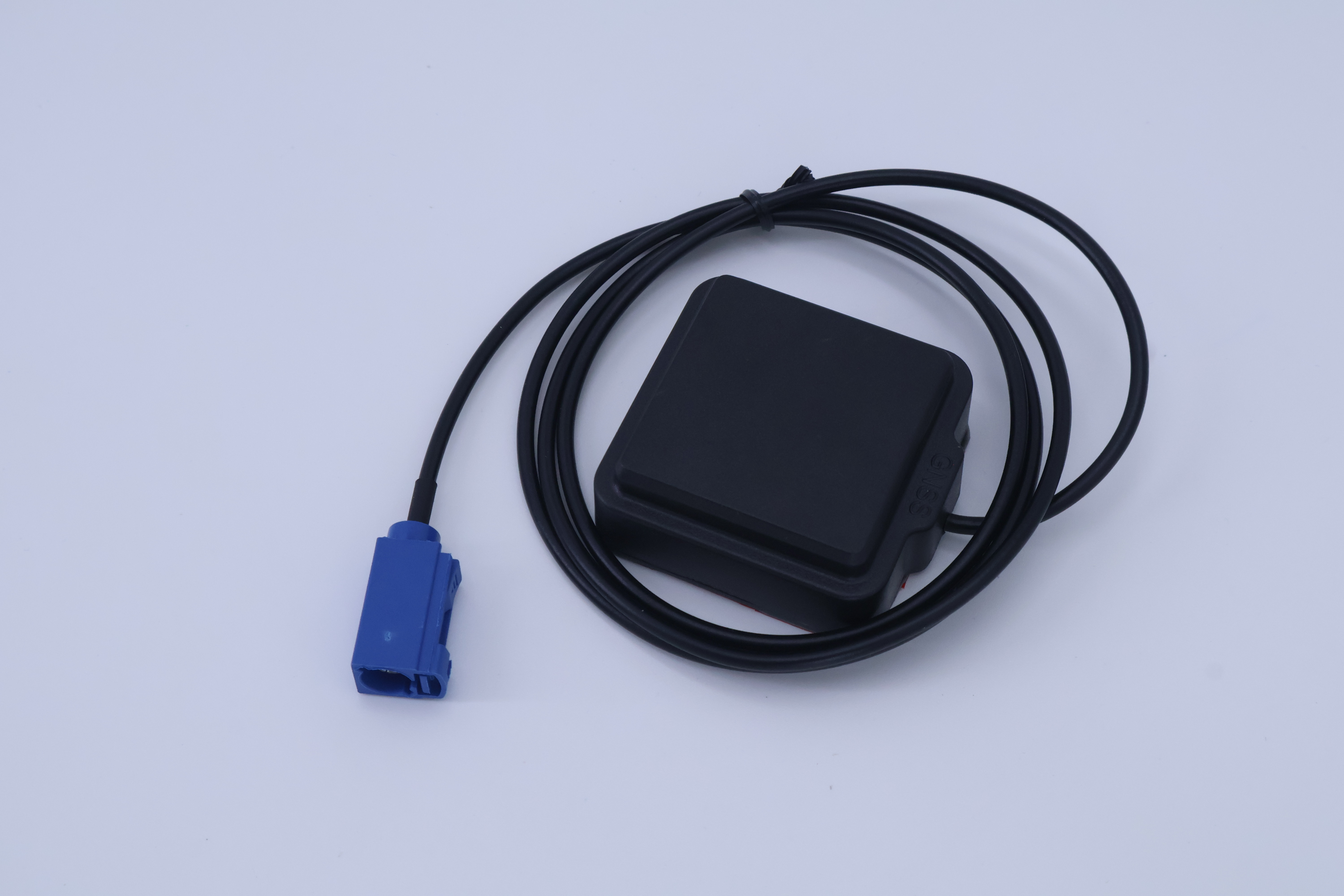
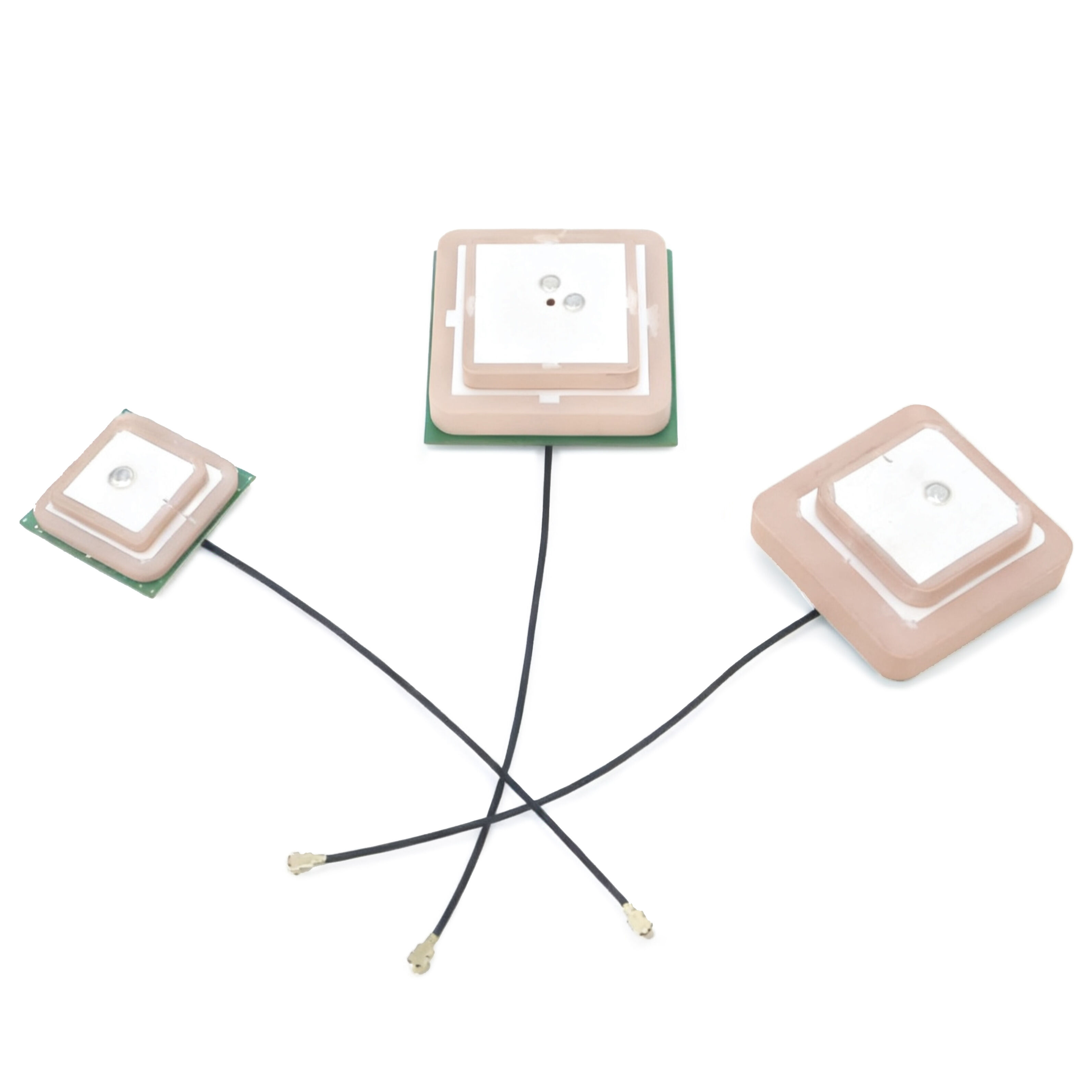
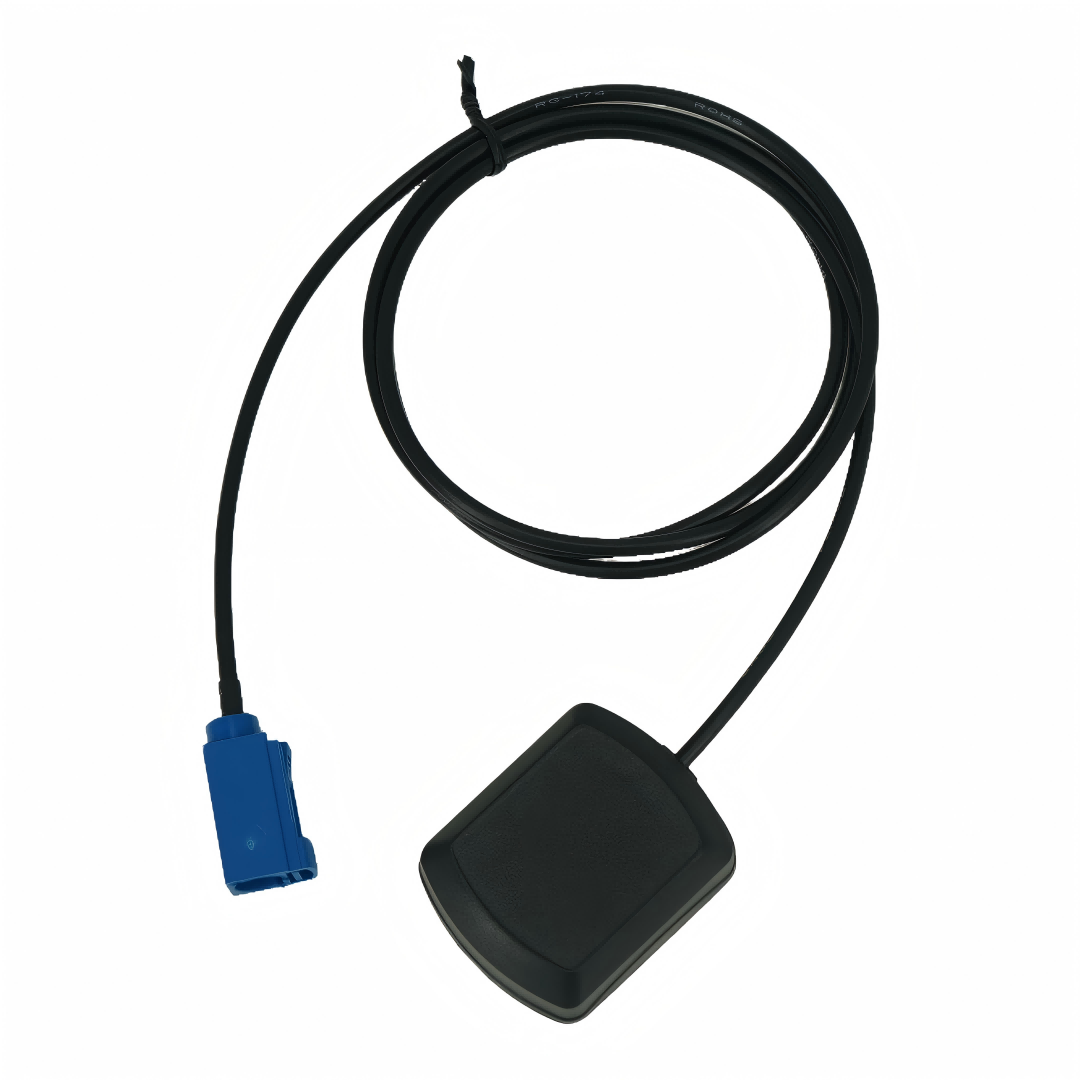
A GPS navigation antenna specification represents a critical component in modern positioning and navigation systems, designed to receive signals from Global Positioning System satellites with exceptional precision. These antennas typically operate on multiple frequency bands, including L1 (1575.42 MHz) and L2 (1227.60 MHz), enabling enhanced accuracy and reliability in position determination. The specification encompasses crucial parameters such as gain pattern, polarization characteristics, and impedance matching requirements. Modern GPS navigation antennas feature advanced multipath rejection capabilities, ensuring signal integrity even in challenging environments with signal reflections. The design typically includes a low-noise amplifier (LNA) that boosts weak satellite signals while maintaining minimal signal-to-noise ratio degradation. Physical specifications often detail weather-resistant construction, mounting options, and cable requirements for optimal performance. These antennas support various navigation protocols, including GPS, GLONASS, Galileo, and BeiDou, making them versatile for global applications. The specification also addresses power requirements, typically operating with 3.3V or 5V DC supply, and includes protection against voltage fluctuations and electromagnetic interference. Implementation areas span from automotive navigation systems to precision agriculture, marine navigation, and surveying equipment, demonstrating their versatility across multiple industries.
New Product Recommendations

GPS navigation antenna specifications offer numerous compelling advantages that make them indispensable in modern navigation systems. First, their multi-constellation compatibility ensures reliable positioning data regardless of geographical location, providing users with consistent performance worldwide. The advanced signal processing capabilities significantly reduce multipath interference, resulting in more accurate position fixes even in urban environments with numerous signal reflections. These antennas typically feature robust construction that withstands harsh environmental conditions, including extreme temperatures, moisture, and vibration, ensuring long-term reliability and reduced maintenance requirements. The integration of high-quality low-noise amplifiers enhances signal reception sensitivity, enabling reliable operation even in areas with weak satellite signals. The compact design and flexible mounting options make installation straightforward across various applications, from vehicles to fixed installations. Power efficiency is another key advantage, with modern specifications requiring minimal power consumption while maintaining optimal performance. The ability to simultaneously track multiple satellite systems improves position accuracy and provides redundancy in case of individual system failures. These antennas often include built-in filtering mechanisms that reject interfering signals, ensuring clean and accurate GPS data. The standardized connectivity options simplify integration with existing navigation systems, reducing implementation costs and complexity. Additionally, the specifications often include comprehensive documentation and technical support, enabling smooth integration and troubleshooting processes. The long-term stability and calibration retention of these antennas minimize the need for frequent adjustments, reducing operational costs over time.

Latest News

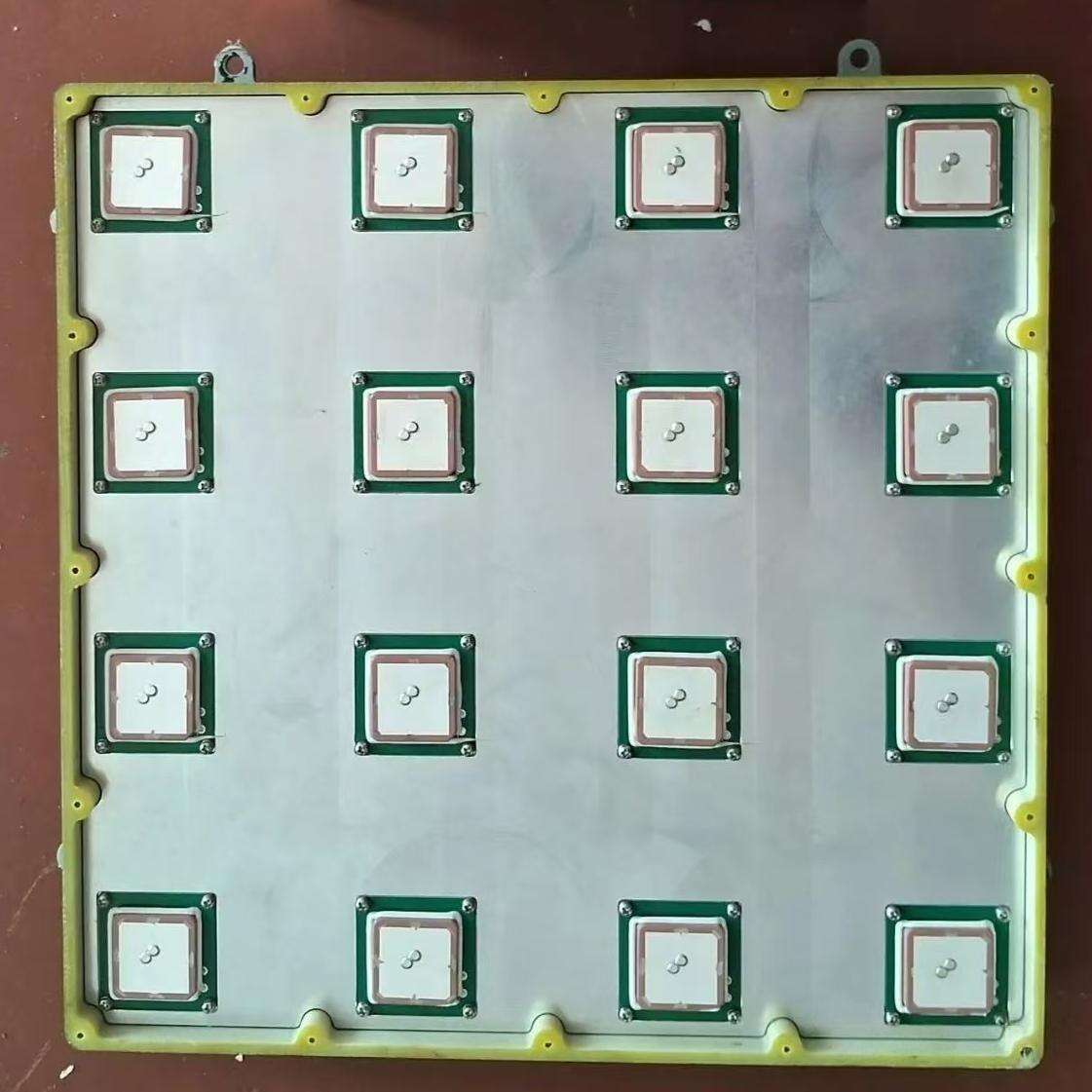
Comprehensive Analysis of the Advantages and Features of the 16-Array Controlled Reception Pattern Antenna (CRPA)

03

Nov

Comprehensive Analysis of the Advantages and Features of the 16-Array Controlled Reception Pattern Antenna (CRPA)

View More
An In-Depth Analysis of the Characteristics of Microwave Dielectric Ceramic Duplexers

03

Nov

An In-Depth Analysis of the Characteristics of Microwave Dielectric Ceramic Duplexers

View More
IOTE International Internet of Things Exhibition 2025 Concludes in Shenzhen, Charting the Future of a Hyper-Connected World

03

Nov

IOTE International Internet of Things Exhibition 2025 Concludes in Shenzhen, Charting the Future of a Hyper-Connected World

View More
The Application of High-Precision Antennas in Unmanned Lawn Mowers: Enabling a Revolution in Autonomous Grounds Care

03

Nov

The Application of High-Precision Antennas in Unmanned Lawn Mowers: Enabling a Revolution in Autonomous Grounds Care

View More

Get a Free Quote

Our representative will contact you soon.
Email
Name
Company Name
Message
0/1000

gps navigation antenna specification

Advanced Signal Processing Technology

Advanced Signal Processing Technology

The GPS navigation antenna's advanced signal processing technology represents a breakthrough in navigation accuracy and reliability. This sophisticated system employs multiple digital signal processing algorithms to filter out unwanted noise and interference, ensuring the cleanest possible GPS signal reception. The technology includes adaptive filtering mechanisms that automatically adjust to changing environmental conditions, maintaining optimal performance in various scenarios. The signal processing system also incorporates phase center stability compensation, which minimizes positioning errors caused by antenna orientation changes. This feature is particularly valuable in applications requiring high-precision positioning, such as survey work or autonomous vehicle navigation. The technology also enables superior multipath mitigation, effectively distinguishing between direct satellite signals and reflected signals that could otherwise cause positioning errors.
Multi-Constellation Compatibility

Multi-Constellation Compatibility

The multi-constellation compatibility feature of the GPS navigation antenna specification represents a significant advancement in positioning technology. This capability enables the antenna to simultaneously receive and process signals from multiple satellite navigation systems, including GPS, GLONASS, Galileo, and BeiDou. This comprehensive coverage ensures consistent positioning availability and improved accuracy through the integration of multiple satellite signals. The system automatically selects the best available signals from different constellations, providing redundancy and enhanced reliability. This feature is particularly valuable in challenging environments where signals from a single constellation might be blocked or degraded. The multi-constellation support also enables faster position acquisition and more stable positioning solutions, especially in urban canyons or areas with partial sky visibility.
Environmental Durability Design

Environmental Durability Design

The environmental durability design of the GPS navigation antenna specification demonstrates exceptional resilience in challenging conditions. The antenna housing is constructed from high-grade materials that resist UV radiation, extreme temperatures, and chemical exposure. The sealed design achieves an IP67 or higher rating, ensuring complete protection against dust and water ingress. This robust construction enables reliable operation in temperatures ranging from -40°C to +85°C, making it suitable for diverse applications from arctic to desert environments. The antenna's design also incorporates lightning protection and EMI shielding, protecting the sensitive internal components from electrical disturbances. The mounting system features vibration-dampening elements that protect the antenna from mechanical stress and ensure stable performance in high-vibration environments.

Get a Free Quote

Our representative will contact you soon.
Email
Name
Company Name
Message
0/1000