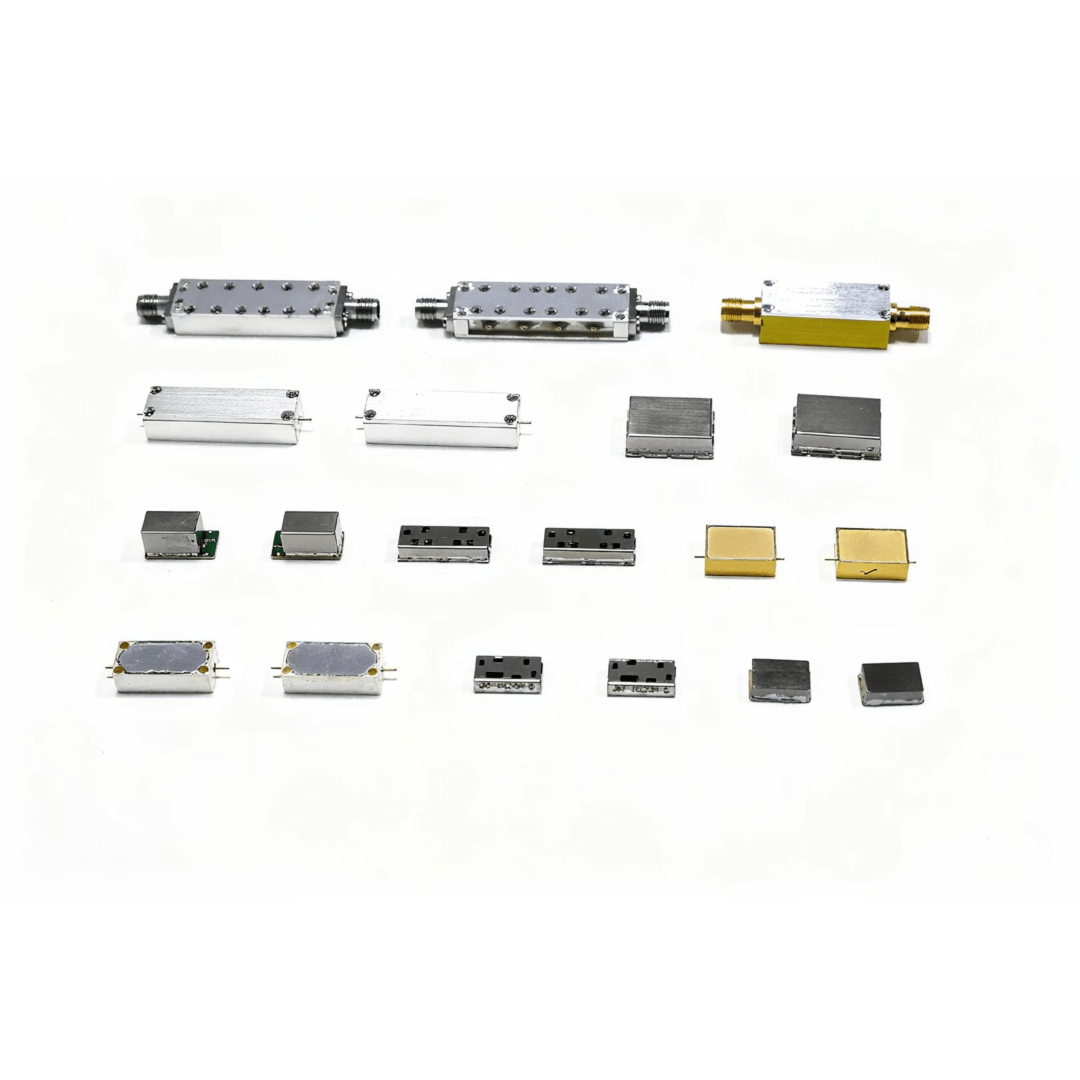
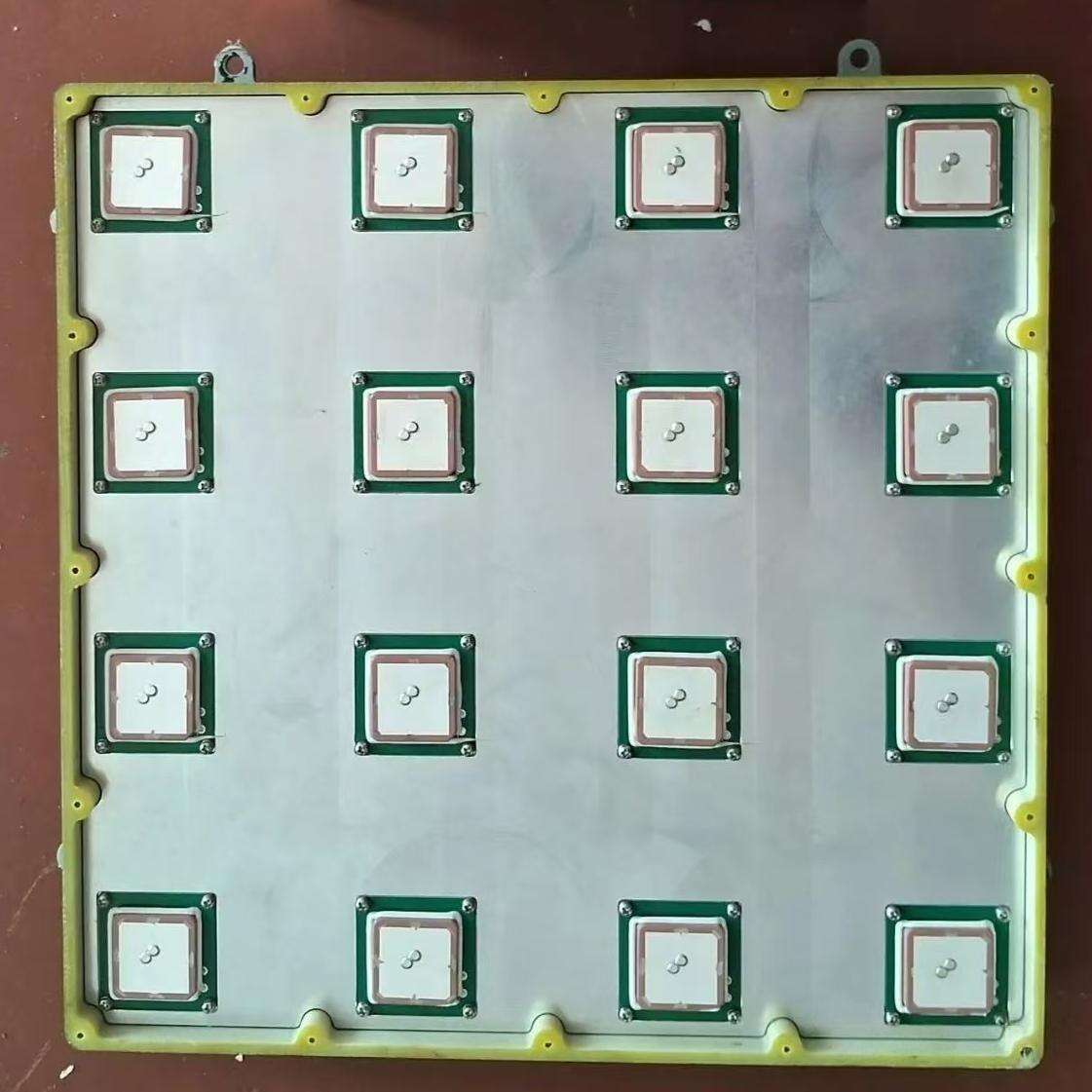
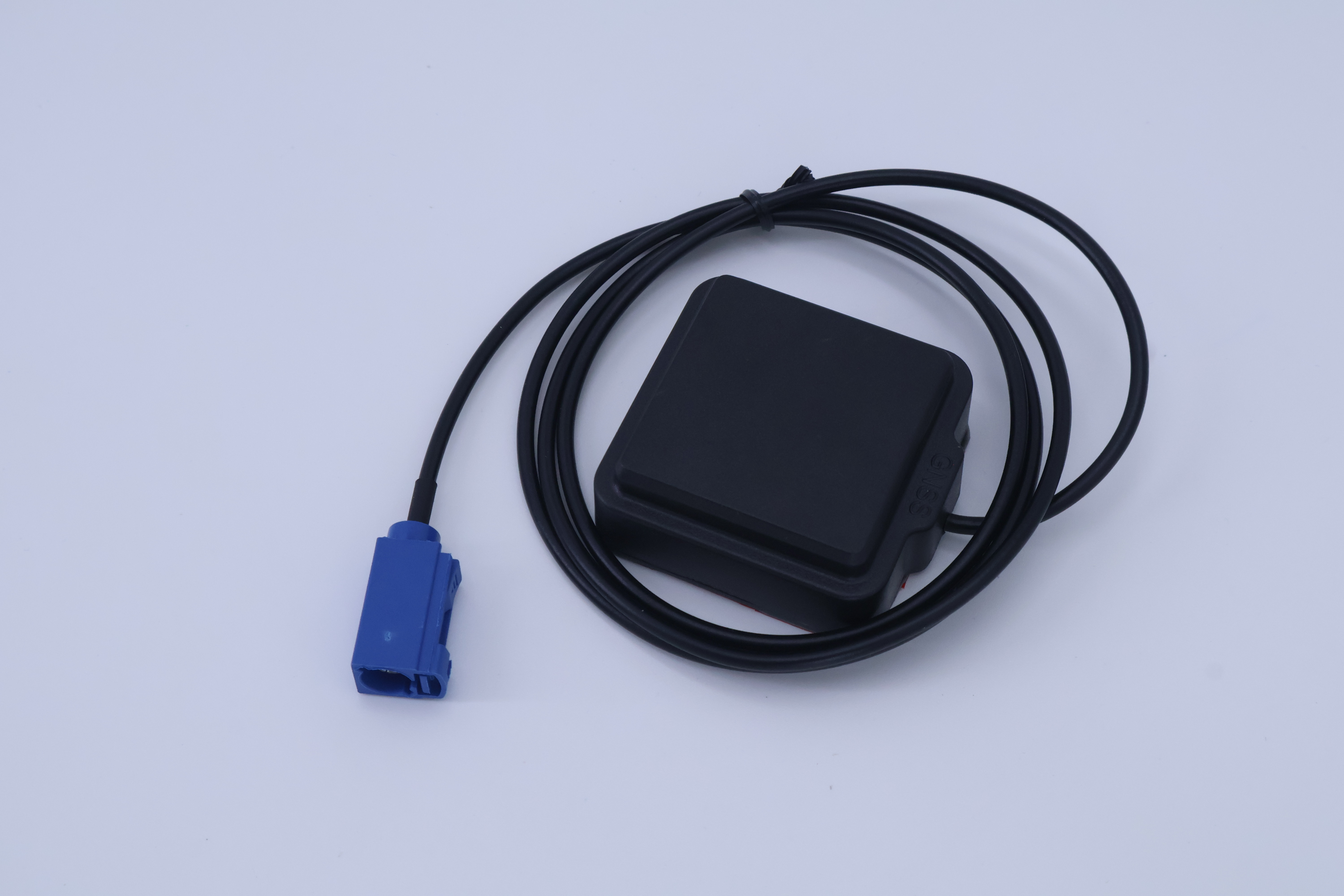
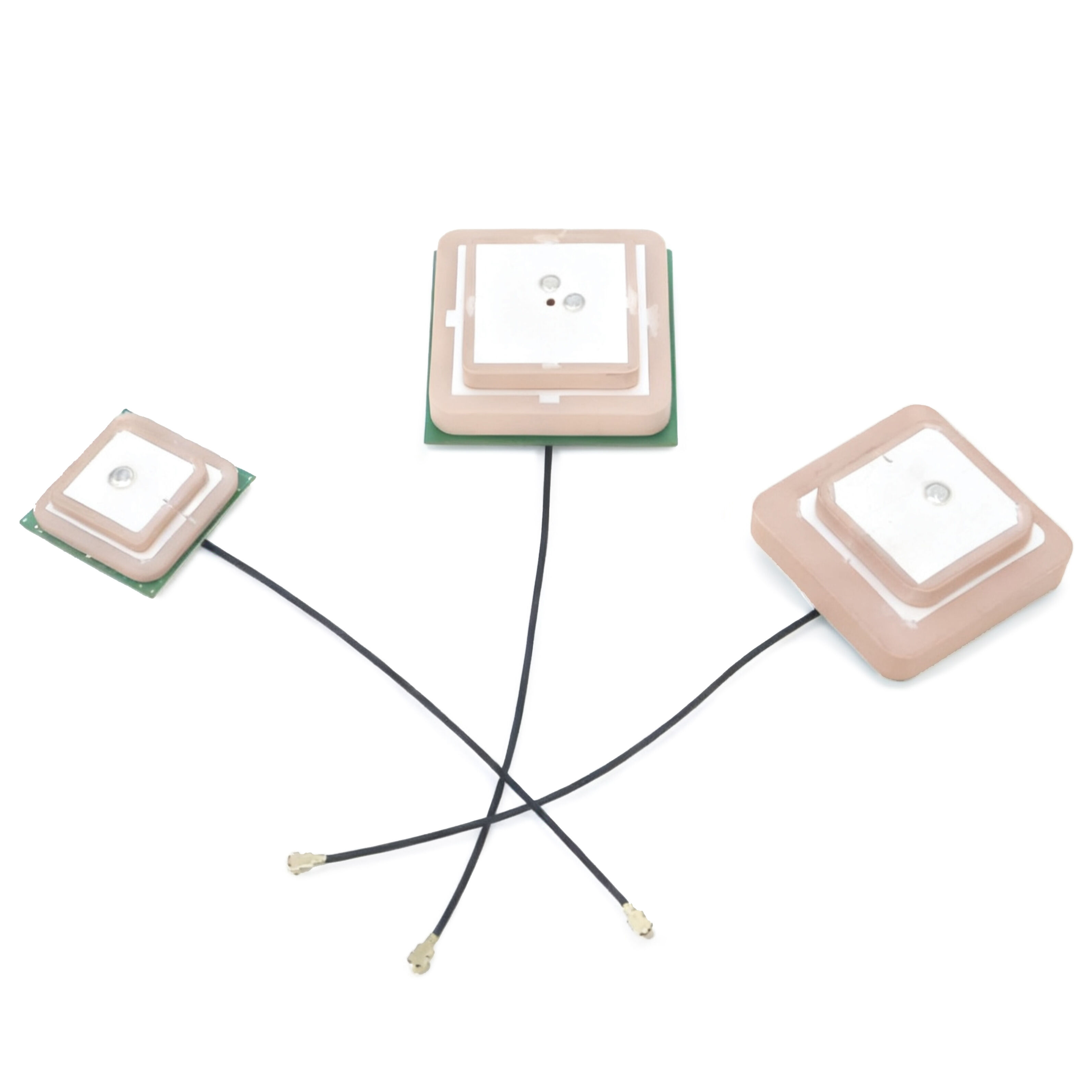
gps navigation antenna module
A GPS navigation antenna module is a sophisticated piece of technology that serves as a crucial component in modern navigation systems. This compact device is responsible for receiving signals from multiple satellites orbiting Earth, enabling precise positioning and navigation capabilities. The module consists of a carefully designed antenna element, often utilizing patch antenna technology, combined with sophisticated signal processing circuitry. It operates by capturing radio frequency signals in the L1 band (1575.42 MHz), which is the primary frequency used by GPS satellites. The module's advanced filtering and amplification systems ensure optimal signal reception even in challenging environments. These modules are engineered to provide exceptional sensitivity, typically ranging from -165 dBm to -185 dBm, allowing them to detect and process extremely weak satellite signals. Modern GPS navigation antenna modules often incorporate multi-constellation support, enabling them to work with various global navigation satellite systems including GPS, GLONASS, Galileo, and BeiDou. This versatility ensures improved accuracy and reliability in position determination. The module's integrated design typically includes features such as low noise amplifiers (LNAs), surface acoustic wave (SAW) filters, and voltage regulators, all working together to deliver consistent and accurate navigation data.





 EN
EN