
 EN
EN
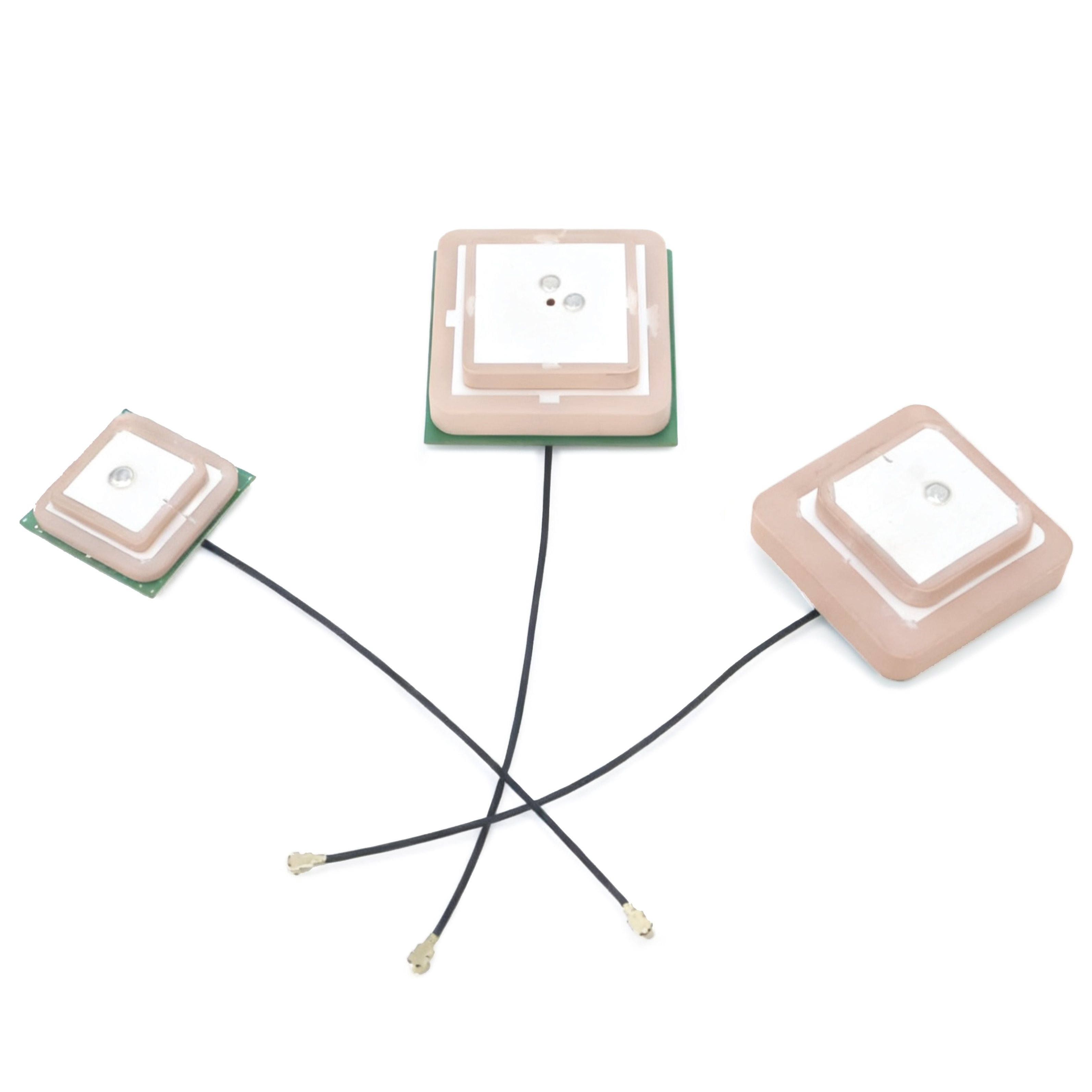
Selecting the right precision GNSS antenna is critical for any organization dependent on accurate positioning data. Whether you operate in surveying, construction, agriculture, or geospatial applications, the performance and cost of your precision GNSS antenna directly impact project success and operational efficiency. Understanding what drives pricing and how to evaluate options ensures you invest wisely in equipment that delivers the accuracy and reliability your workflows demand.

The market for precision GNSS antenna solutions spans multiple technology levels, from entry-level options suitable for general positioning tasks to enterprise-grade systems engineered for centimeter or millimeter-level accuracy. Price variations reflect differences in design, manufacturing precision, signal processing capabilities, and intended use cases. This guide walks you through the key cost factors, performance metrics, and purchasing considerations that help you make informed decisions when evaluating precision GNSS antenna systems.
Understanding Precision GNSS Antenna Cost Drivers
Signal Reception Technology and Multiband Support
A precision GNSS antenna must receive signals from multiple satellite constellations and frequency bands to achieve consistent high-accuracy positioning. Single-band precision GNSS antenna systems that only capture GPS L1 signals are typically less expensive but offer reduced accuracy and availability compared to multiband variants. Dual-frequency precision GNSS antenna designs that handle both L1 and L2 GPS bands cost more but eliminate ionospheric delay errors through differential processing.
Modern precision GNSS antenna solutions increasingly support triple-frequency reception and integration with multiple constellations—GPS, GLONASS, Galileo, and BeiDou. This multiband, multi-constellation capability significantly raises the bill of materials and assembly cost, but it improves positioning availability, accuracy, and convergence speed in challenging environments. Enterprise-grade precision GNSS antenna platforms that support the full constellation ecosystem command premium pricing justified by their superior performance under degraded signal conditions and their ability to deliver centimeter-level or better accuracy.
Antenna Gain, Radiation Pattern, and Physical Design
The physical design and electrical characteristics of a precision GNSS antenna affect both its manufacturing cost and its real-world performance. High-gain precision GNSS antenna elements with carefully engineered radiation patterns cost more to design and manufacture than basic spiral or patch designs. The antenna substrate, radome material, and ground plane all influence how well a precision GNSS antenna rejects multipath interference and maintains signal integrity across the full sky view.
Compact precision GNSS antenna designs built for mobile or space-constrained installations often cost more per unit because they require advanced substrate materials and tighter manufacturing tolerances. Conversely, stationary reference-station precision GNSS antenna systems optimized for permanent ground mounting may be larger and incorporate metal ground planes that improve performance but add weight and installation complexity. The choice between form factors directly impacts both acquisition cost and total cost of ownership across the equipment lifecycle.
Key Performance Metrics That Influence Precision GNSS Antenna Pricing
Accuracy Specification and RTK Capability
Accuracy is the primary performance dimension that separates budget precision GNSS antenna options from high-end systems. A precision GNSS antenna specified for standard GPS accuracy of 5–10 meters will be priced substantially lower than a precision GNSS antenna engineered to deliver 2–5 centimeter real-time kinematic (RTK) positioning. The internal electronics, receiver integration, and antenna element quality all directly support the final accuracy specification of a precision GNSS antenna.
For professional surveying, construction staking, and precision agriculture applications, investing in a precision GNSS antenna system rated for RTK performance is essential. RTK-capable precision GNSS antenna solutions require stable phase measurement, excellent multipath rejection, and tight coordination with ground-based correction services. This level of engineering and quality assurance commands higher pricing but eliminates expensive field errors and rework that result from inadequate precision GNSS antenna performance.
Environmental Ruggedness and Operating Range
Industrial-grade precision GNSS antenna systems built to survive extreme temperature swings, moisture exposure, vibration, and electromagnetic interference cost more than consumer-oriented alternatives. A precision GNSS antenna specified for -40°C to +70°C operation with sealed connectors and IP67 or better environmental ratings requires superior materials and assembly processes. The price premium for robust precision GNSS antenna engineering is justified in challenging deployment environments such as mining sites, arctic research stations, or offshore platforms.
Likewise, a precision GNSS antenna designed for continuous 24/7 operation over multi-year deployments typically features premium components, passive intermodulation (PIM) testing, and accelerated reliability screening. These quality assurance practices increase manufacturing cost but reduce field failure risk and warranty claims. Organizations operating networks of precision GNSS antenna receivers across wide geographic areas benefit from upfront investment in higher-reliability designs because replacement and maintenance costs are minimized.
Strategic Buying Considerations for Precision GNSS Antenna Systems
Volume Discounts and Lifecycle Cost Analysis
Organizations planning to deploy multiple precision GNSS antenna units should conduct lifecycle cost analysis rather than focusing solely on unit price. A precision GNSS antenna purchased at a lower acquisition cost may generate higher operational expenses if it requires frequent recalibration, exhibits drift over time, or becomes obsolete quickly. Volume purchasing agreements for precision GNSS antenna systems often unlock significant per-unit discounts that reduce total program cost and provide standardization benefits across your deployment.
When evaluating precision GNSS antenna vendors, request pricing for tiered volume commitments and inquire about maintenance, firmware update, and extended warranty options. A precision GNSS antenna supplier offering predictable pricing, spare-part availability, and technical support throughout the product lifecycle justifies a modest price premium compared to a lowest-cost alternative. Long-term vendor relationships built around precision GNSS antenna supply and support reduce disruption risk and improve project predictability.
Integration with Existing Receiver and Software Infrastructure
The total cost of implementing a precision GNSS antenna solution extends beyond hardware to encompass receiver compatibility, software licensing, and integration effort. Some precision GNSS antenna models integrate seamlessly with established receiver platforms and processing software, while others require custom drivers or firmware adaptation. Selecting a precision GNSS antenna that aligns with your existing infrastructure minimizes integration cost and accelerates deployment timelines.
Before committing to a specific precision GNSS antenna vendor, verify that the antenna matches your receiver interface standards, correction protocol support, and software ecosystem. A premium-priced precision GNSS antenna that plugs directly into your current workflow often delivers better value than a budget model that requires extensive customization. Technical support responsiveness and documentation quality for precision GNSS antenna systems should also factor into your purchasing decision because they directly affect implementation success and time-to-production.
Navigating Market Options and Making Your Selection
Benchmarking Specifications and Performance Claims
When comparing precision GNSS antenna offerings from multiple vendors, request independent performance test data or third-party certifications. Marketing materials often emphasize peak performance under ideal conditions, but real-world testing of a precision GNSS antenna in your actual operating environment provides far more actionable information. Request specification sheets that detail the precision GNSS antenna gain patterns, multipath rejection characteristics, and documented accuracy under representative signal conditions.
Organizations evaluating precision GNSS antenna systems should conduct pilot deployments with leading candidates to assess performance, ease of installation, and compatibility with your infrastructure. A precision GNSS antenna that appears superior on paper may exhibit unexpected behavior in your geographic location or under your specific correction service configuration. Investing time in hands-on evaluation of a precision GNSS antenna before full-scale deployment prevents costly mistakes and ensures the final selection aligns with operational requirements.
Support, Warranty, and Future-Proofing Your Investment
Technical support quality and warranty terms substantially influence the effective cost of a precision GNSS antenna system over its operational life. Vendors offering precision GNSS antenna products with comprehensive documentation, responsive field support, and extended warranty coverage reduce your risk exposure. A precision GNSS antenna backed by a responsive supplier with regional service capabilities provides peace of mind for mission-critical applications.
Future-proofing your precision GNSS antenna investment means selecting a vendor committed to supporting emerging standards and satellite constellations. As new GNSS systems reach operational status and new frequency bands become available, a precision GNSS antenna designed with firmware upgrade capability extends its useful life. Choosing precision GNSS antenna solutions from established vendors with proven track records in adopting new technologies ensures your infrastructure remains relevant and competitive for years to come.
FAQ
What price range should I expect for a precision GNSS antenna?
Entry-level precision GNSS antenna systems start around $500 to $1,500 per unit, while mid-range RTK-capable precision GNSS antenna options typically range from $2,000 to $6,000. High-end, multi-constellation precision GNSS antenna platforms engineered for centimeter-level accuracy and extreme environmental durability can exceed $10,000 per unit. Your specific accuracy requirements, operational environment, and deployment scale should drive your budget allocation for a precision GNSS antenna system.
How does multiband capability affect the cost of a precision GNSS antenna?
Multiband precision GNSS antenna receivers that support triple-frequency GPS, GLONASS, Galileo, and BeiDou signals command a significant price premium over dual-band or single-band alternatives. The additional RF front-end components, filtering circuits, and signal processing required for multiband precision GNSS antenna reception can add 40–80% to the hardware cost compared to dual-frequency designs. However, the improved accuracy, faster convergence, and superior availability in challenging environments often justify the added expense for demanding professional applications requiring a precision GNSS antenna.
Is a more expensive precision GNSS antenna always the better choice?
Not necessarily. A precision GNSS antenna priced at the high end of the market may deliver capabilities your specific application does not require, making it an inefficient investment. Matching your precision GNSS antenna selection to your actual accuracy requirements, environmental constraints, and integration needs ensures cost-effective performance. An appropriately specified mid-range precision GNSS antenna often represents superior value compared to either an under-engineered budget option or an over-specified premium system for typical professional positioning tasks.