
 EN
EN
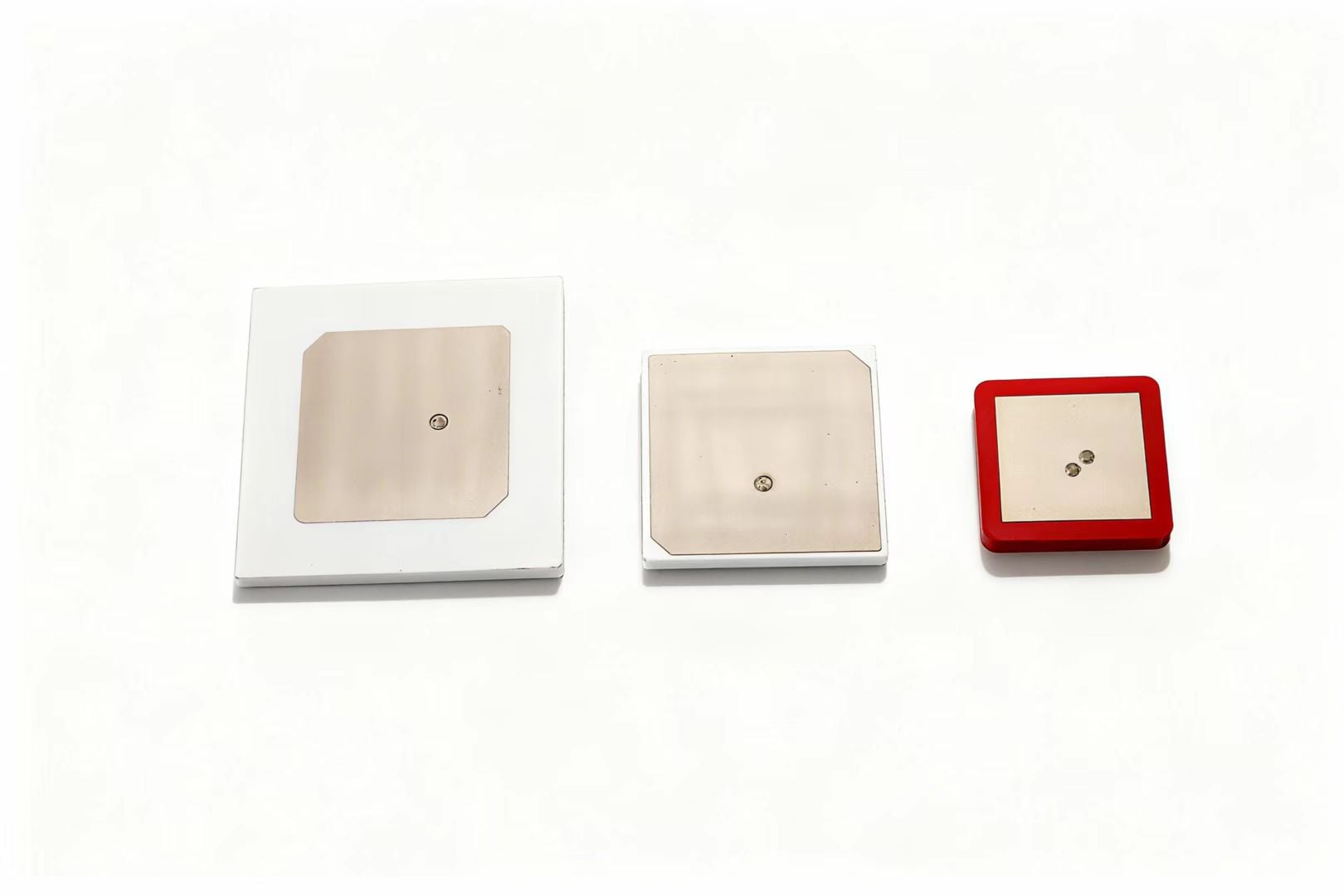
A dual-band GLONASS antenna represents a critical component in modern positioning and navigation systems, combining Russian GLONASS signals with complementary GPS or other satellite systems for enhanced accuracy and reliability. Organizations across surveying, agriculture, maritime, and telecommunications sectors increasingly rely on dual-band GLONASS antenna technology to achieve better signal reception in challenging environments, faster convergence times, and improved performance in urban canyons where single-frequency systems struggle. Understanding the key characteristics, performance metrics, and selection criteria of a dual-band GLONASS antenna ensures that your investment delivers measurable value in your specific operational context.
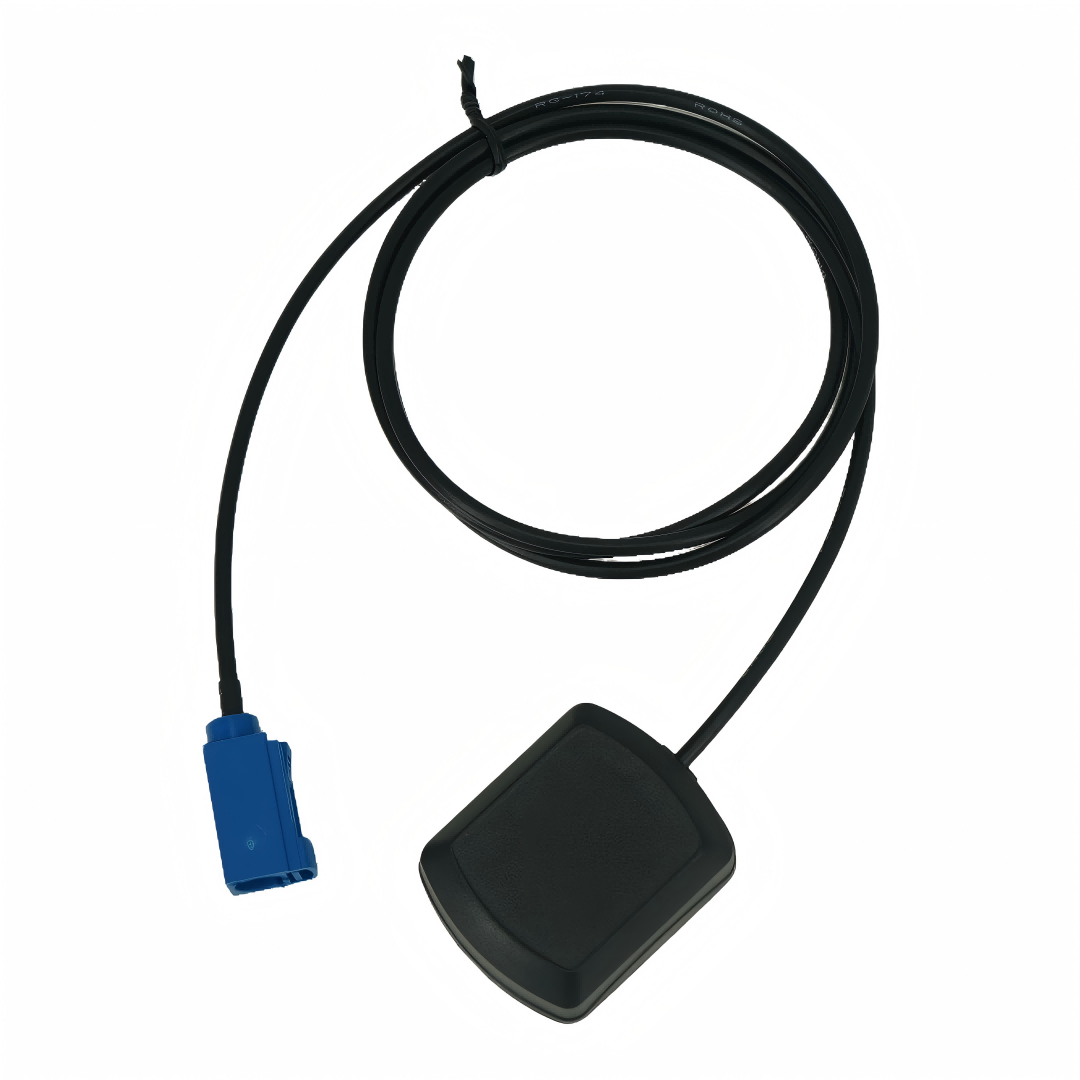
The evolution of dual-band GLONASS antenna design reflects the growing demand for multi-constellation positioning solutions that operate across diverse frequency bands. Modern dual-band systems typically support both L1 and L5 frequencies on GLONASS, or integrated L1 GPS with GLONASS L1, enabling real-time kinematic surveying, precise agriculture applications, and autonomous vehicle navigation. This comprehensive guide explores the performance advantages, technical specifications, practical applications, and decision criteria for selecting the right dual-band GLONASS antenna for your operational requirements in 2025.
Understanding Dual-Band GLONASS Antenna Technology
Core Frequency Architecture and Signal Processing
A dual-band GLONASS antenna operates simultaneously across two distinct frequency bands, typically L1 and L5, allowing the antenna to capture signals from multiple GLONASS satellites broadcasting on these separate frequencies. The L1 band operates around 1.602 GHz for GLONASS, while the L5 band operates around 1.176 GHz, each providing unique advantages in terms of ionospheric delay correction and signal robustness. By processing signals from both bands within a single dual-band GLONASS antenna, receiver systems can eliminate first-order ionospheric errors, dramatically improving positioning accuracy to centimeter levels or better. This dual-frequency approach has become the industry standard for high-precision applications where single-band systems would introduce unacceptable errors over extended observation periods.
Physical Design and Radiation Pattern
The physical construction of a quality dual-band GLONASS antenna involves sophisticated patch array or helical element designs that maintain consistent gain and phase characteristics across both frequency bands. Professional-grade dual-band GLONASS antenna models incorporate specialized ground planes, radome protection, and polarization control to ensure stable reception regardless of satellite geometry or atmospheric conditions. The radiation pattern of a dual-band GLONASS antenna must remain hemispherical across its operating bands to capture signals from satellites near the horizon, where many challenging multipath scenarios occur. Effective dual-band GLONASS antenna engineering balances electrical performance with mechanical robustness, ensuring long-term stability and minimal phase center variation under temperature extremes and environmental stress.
Performance Advantages in Real-World Applications
Enhanced Accuracy and Convergence Speed
Implementing a dual-band GLONASS antenna directly translates to faster initialization and improved positional accuracy compared to single-band alternatives. Surveyors using a dual-band GLONASS antenna report convergence times reduced by thirty to fifty percent for real-time kinematic surveys, enabling more jobs to be completed within standard operating windows. The ionospheric correction capability inherent in dual-band GLONASS antenna technology eliminates the largest source of positioning error for non-differential techniques, making it ideal for applications where external correction services are unavailable. In agricultural operations, precision farmers deploying a dual-band GLONASS antenna achieve tighter pass-to-pass guidance accuracy, reducing overlap waste and chemical input costs while improving coverage uniformity across fields.
Multipath Mitigation and Signal Quality
Urban environments, forested areas, and industrial sites present severe multipath challenges where reflected satellite signals corrupt positioning data; a well-designed dual-band GLONASS antenna significantly reduces these errors through superior signal discrimination. The dual-frequency nature of a dual-band GLONASS antenna permits advanced receiver algorithms to identify and reject multipath components that would compromise single-band systems. Maritime operators and construction teams working near tall structures have documented substantial improvements in position stability and tracking reliability after upgrading to a dual-band GLONASS antenna configuration. The frequency diversity provided by a dual-band GLONASS antenna also improves signal availability during periods of atmospheric disturbance or ionospheric scintillation.
Selecting the Right Dual-Band GLONASS Antenna for Your Needs
Critical Performance Specifications
When evaluating a dual-band GLONASS antenna for your application, examine the gain pattern, phase center stability, and cross-polarization isolation across both L1 and L5 bands. A premium dual-band GLONASS antenna should deliver gain values above four dBic at zenith, maintain phase center variation below three millimeters over the hemisphere, and achieve cross-polarization rejection better than fifteen decibels. Connector type compatibility with your receiver system and environmental rating standards—such as IP67 waterproofing and temperature range specifications—are equally important when procuring a dual-band GLONASS antenna. Documentation should clearly specify the measured radiation pattern performance, group delay characteristics, and pre-testing certification data for your specific dual-band GLONASS antenna model.
Application-Specific Considerations
High-precision surveying demands that your dual-band GLONASS antenna be mounted on a stable platform with unobstructed sky view and minimum fifteen-degree elevation mask clearance above all obstacles. Agricultural machinery installations require a dual-band GLONASS antenna positioned to maximize sky visibility despite crop height variations and seasonal vegetation changes throughout the growing season. Marine vessel integrations need a dual-band GLONASS antenna with corrosion-resistant cabling and structural mounting that tolerates salt spray, vibration, and dynamic pitch-roll motion common at sea. Choosing the appropriate installation configuration for your dual-band GLONASS antenna directly impacts whether the system achieves its theoretical performance specification or delivers degraded results due to improper deployment.
FAQ
What makes a dual-band GLONASS antenna different from single-band systems?
A dual-band GLONASS antenna processes signals across two frequency bands simultaneously, enabling ionospheric error correction that single-band systems cannot perform. This fundamental difference allows a dual-band GLONASS antenna to deliver centimeter-level accuracy within minutes of initialization, compared to hours of static observation required by single-frequency receivers. The dual-band GLONASS antenna approach also provides superior multipath rejection and signal availability in obstructed environments, making it the standard choice for professional applications requiring high reliability and accuracy.
Is a dual-band GLONASS antenna compatible with GPS and other constellation signals?
Most modern dual-band GLONASS antenna designs incorporate compatibility with multi-constellation receivers that track GPS, GLONASS, Galileo, and BeiDou signals simultaneously. A dual-band GLONASS antenna dedicated to GLONASS L1-L5 dual-band operation typically works in conjunction with integrated receivers that also process GPS L1-L5 or L1-L2 signals through the same antenna feed network. Some integrated dual-band GLONASS antenna solutions support simultaneous multi-constellation reception within a single physical unit, further simplifying installation while maximizing positioning robustness and availability across all major satellite systems.
How does environmental exposure affect dual-band GLONASS antenna performance over time?
Long-term exposure to UV radiation, temperature cycling, salt spray, and mechanical vibration can degrade a dual-band GLONASS antenna's electrical characteristics if the unit lacks proper environmental protection and materials engineering. Premium dual-band GLONASS antenna installations employ UV-stabilized radomes, stainless steel connectors, and sealed feed networks to maintain performance for five or more years of continuous outdoor operation. Regular inspection, connector maintenance, and periodic performance verification ensure your dual-band GLONASS antenna continues delivering accurate positioning data throughout its service life, protecting your investment in precision infrastructure.