
 EN
EN
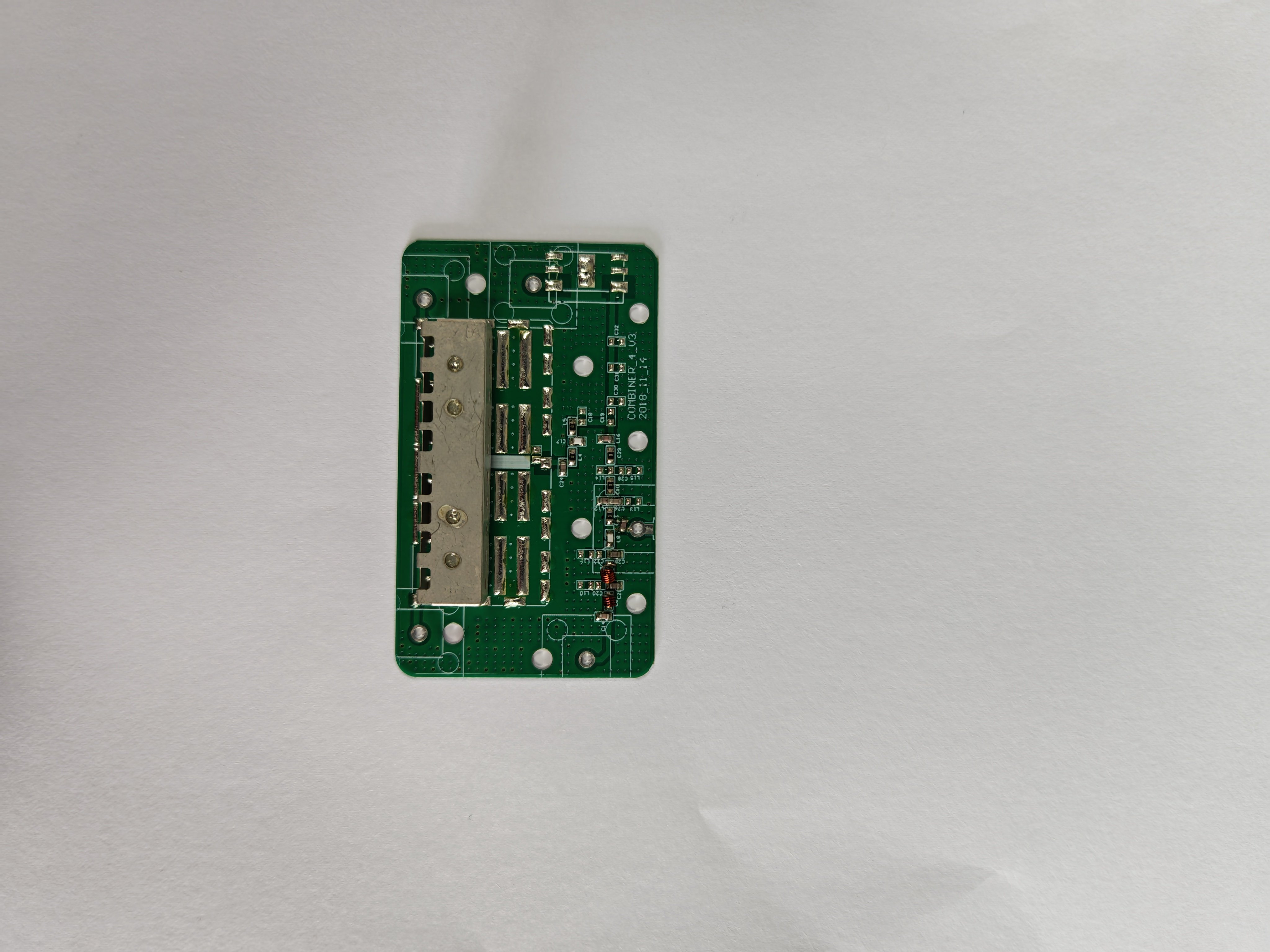
A microwave resonator duplexer is a critical RF component that enables simultaneous transmission and reception of signals over a single antenna or communication channel. This sophisticated device uses resonant cavities and electromagnetic filtering to separate outgoing and incoming signals, preventing interference and signal degradation. In modern wireless infrastructure, satellite communications, radar systems, and telecommunications networks, the microwave resonator duplexer serves as the backbone of bidirectional communication. Understanding how to select and implement premium microwave resonator duplexer solutions directly impacts system reliability, bandwidth efficiency, and overall operational performance.
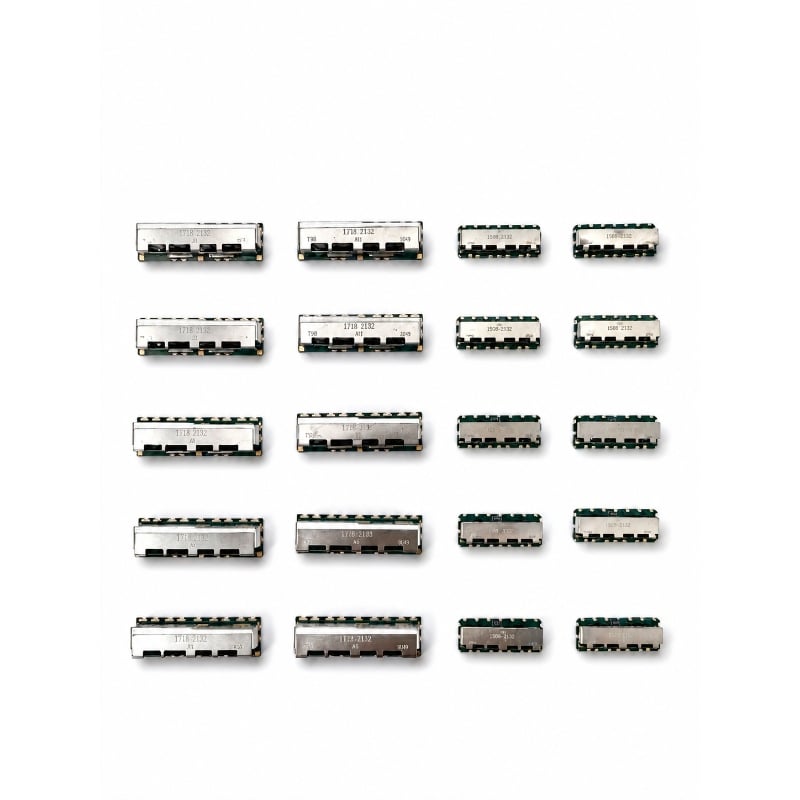
Investing in premium microwave resonator duplexer technology ensures your communication systems maintain consistent performance under demanding industrial conditions. High-quality microwave resonator duplexer solutions are engineered to handle extreme frequency ranges, temperature variations, and power levels without compromising signal integrity. Whether your organization operates in aerospace, defense, cellular infrastructure, or private wireless networks, sourcing the right microwave resonator duplexer product is essential for meeting performance specifications and regulatory compliance requirements.
Core Functionality of Microwave Resonator Duplexer Technology
Signal Separation and Isolation Principles
The primary function of a microwave resonator duplexer is to isolate transmitted signals from received signals using resonant cavity design and frequency-selective filtering. Inside the microwave resonator duplexer, electromagnetic energy enters through input ports and is routed to either transmission or reception pathways based on frequency selectivity. Premium microwave resonator duplexer designs incorporate multiple resonant chambers tuned to precise frequency bands, ensuring minimal signal leakage and maximum isolation. This isolation prevents transmit noise from contaminating weak incoming signals, a critical requirement in long-distance communication links and sensitive detection applications.
Resonant Cavity Architecture
Premium microwave resonator duplexer solutions rely on precision-engineered resonant cavities constructed from high-conductivity materials like copper or aluminum. Each cavity in the microwave resonator duplexer is dimensionally tuned to resonate at specific frequencies, acting as a bandpass filter that passes desired signals while attenuating unwanted frequencies. Advanced microwave resonator duplexer technology uses dielectric loading and coupling apertures to achieve steep skirt selectivity and improved out-of-band rejection. The physical geometry and material properties of the microwave resonator duplexer cavities determine insertion loss, return loss, and isolation characteristics that directly impact system performance.
Applications and Industry-Specific Performance Requirements
Telecommunications and Cellular Infrastructure
Base stations and cellular towers rely heavily on microwave resonator duplexer technology to enable simultaneous voice, data, and video transmission over the same antenna system. In cellular networks, the microwave resonator duplexer separates uplink frequencies (from mobile devices) from downlink frequencies (from base stations) with minimal cross-contamination. Premium microwave resonator duplexer solutions used in cellular infrastructure must handle continuous high-power operation, support multiple frequency bands, and maintain consistent performance across temperature ranges from -40°C to +85°C. Network operators choose high-performance microwave resonator duplexer products to reduce call drops, minimize interference, and maximize spectral efficiency in competitive urban environments.
Satellite Communications and Aerospace Systems
Satellite earth stations and airborne communications systems depend on specialized microwave resonator duplexer technology to manage bi-directional links over extreme distances and in harsh environmental conditions. In aerospace applications, the microwave resonator duplexer must withstand rapid temperature fluctuations, mechanical vibration, and electromagnetic interference while maintaining precise frequency stability. Premium microwave resonator duplexer designs for satellite systems often incorporate redundancy features, improved shielding, and materials selected for radiation hardness. The cost of mission failure in aerospace demands that every microwave resonator duplexer component meets rigorous qualification standards and provides documented performance margins.
Selection Criteria for Premium Microwave Resonator Duplexer Solutions
Performance Specifications and Electrical Characteristics
When evaluating microwave resonator duplexer solutions, priority specification parameters include insertion loss, isolation, return loss, and power handling capacity. A quality microwave resonator duplexer should deliver insertion loss below 0.5 dB in both transmission and reception paths, isolation greater than 80 dB between ports, and return loss exceeding 20 dB across the operational frequency band. Thermal stability is another critical aspect of premium microwave resonator duplexer design, with frequency drift specifications typically held to within ±5 MHz over the full temperature operating range. High-power microwave resonator duplexer applications require components rated for continuous or pulsed power levels up to several kilowatts, with robust handling of harmonic and intermodulation products.
Materials, Durability, and Environmental Resilience
Premium microwave resonator duplexer products are constructed from advanced materials chosen for low loss, dimensional stability, and environmental resilience. Dielectric ceramic materials used in high-performance microwave resonator duplexer designs offer superior Q-factor, reduced temperature coefficient, and excellent corrosion resistance compared to standard alternatives. The microwave resonator duplexer housing and internal conductors are typically gold-plated or finished with protective coatings to prevent oxidation and maintain long-term reliability in humid, corrosive, or salt-spray environments. Military and aerospace-grade microwave resonator duplexer solutions undergo rigorous environmental testing including thermal cycling, vibration stress, and salt-fog corrosion exposure to ensure performance consistency throughout their service life.
FAQ
What is the main difference between a microwave resonator duplexer and a standard bandpass filter?
A microwave resonator duplexer is specifically designed to handle simultaneous bidirectional signal transmission with high isolation between transmit and receive paths, while a standard bandpass filter typically processes signals in a single direction. The microwave resonator duplexer incorporates multiple resonant cavities and coupling networks tuned to achieve both frequency selectivity and port isolation, making it suitable for full-duplex communication systems. Standard bandpass filters lack the isolation characteristics and port architecture required in a microwave resonator duplexer, making them unsuitable for applications where transmitted and received signals must coexist without interference.
How does temperature affect microwave resonator duplexer performance?
Temperature changes affect the microwave resonator duplexer by causing expansion or contraction of the cavity structure and changes in dielectric properties of materials, both of which shift the resonant frequency away from its design target. Premium microwave resonator duplexer solutions use temperature-compensated designs and materials with low temperature coefficients to minimize frequency drift, typically maintaining stability within ±5 to ±10 MHz across operating ranges. Frequency tuning mechanisms, temperature-compensated oscillators, and careful material selection allow advanced microwave resonator duplexer products to maintain insertion loss, isolation, and return loss specifications even under extreme thermal stress.
What determines the cost and lead time of premium microwave resonator duplexer components?
The cost and lead time of a microwave resonator duplexer depend on frequency range, power handling requirements, isolation specifications, material selection, and production volume. Custom microwave resonator duplexer designs engineered for specialized frequency bands or extreme environmental conditions require extended engineering and testing phases, resulting in longer lead times and higher costs. Volume production of standard microwave resonator duplexer configurations benefits from economies of scale and shorter lead times, while military or aerospace-qualified microwave resonator duplexer products command premium pricing due to rigorous qualification, documentation, and traceability requirements.