
 EN
EN
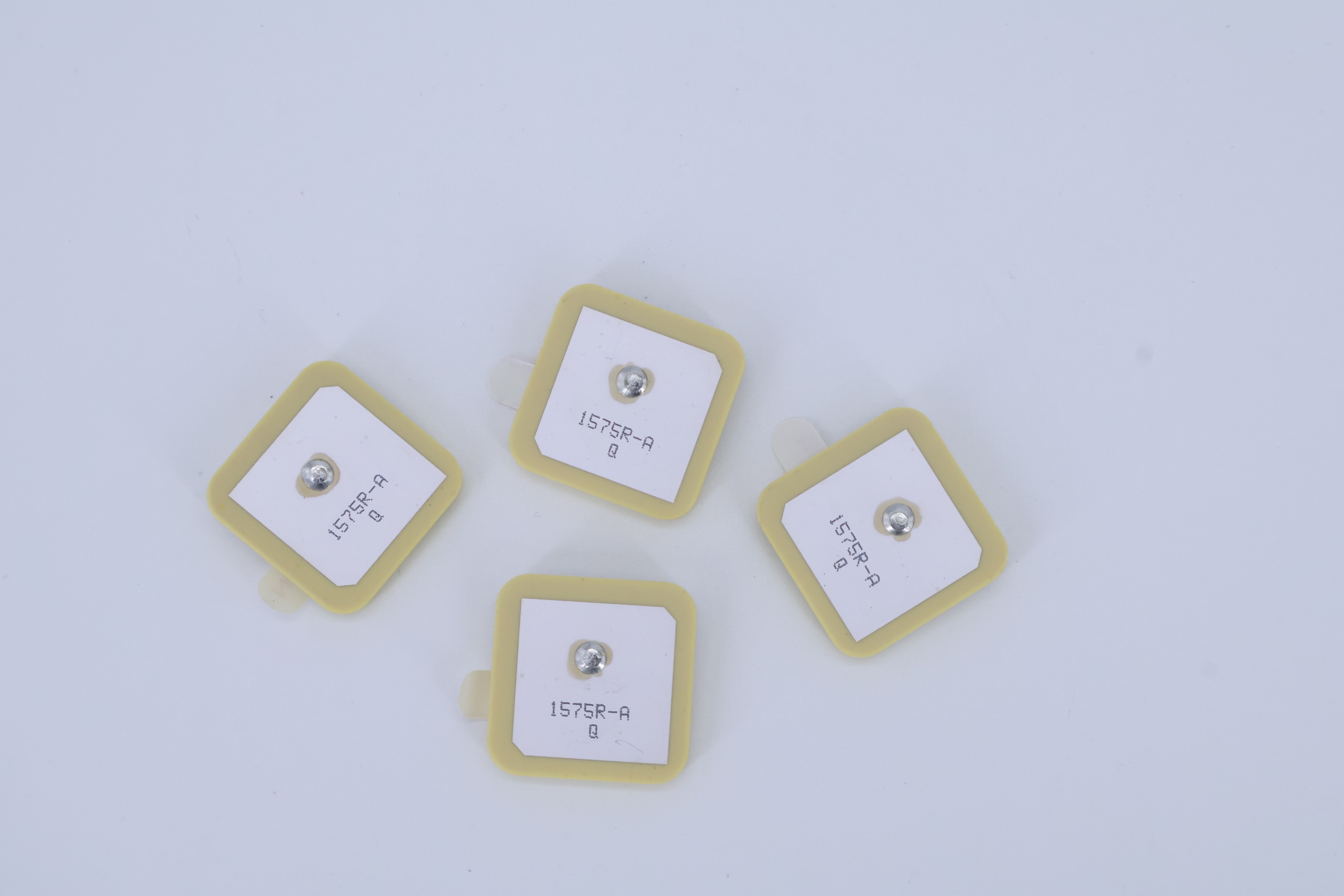
The choice between a multi-GNSS antenna and a single-system alternative represents one of the most critical decisions in modern positioning applications. A multi-GNSS antenna integrates signals from multiple satellite constellations—GPS, GLONASS, Galileo, and BeiDou—whereas a single-system antenna relies on only one constellation. For industries demanding high accuracy, reliability, and continuous coverage, understanding the performance differences between these two approaches is essential. This comparison explores how a multi-GNSS antenna outperforms traditional single-constellation systems across key operational metrics.
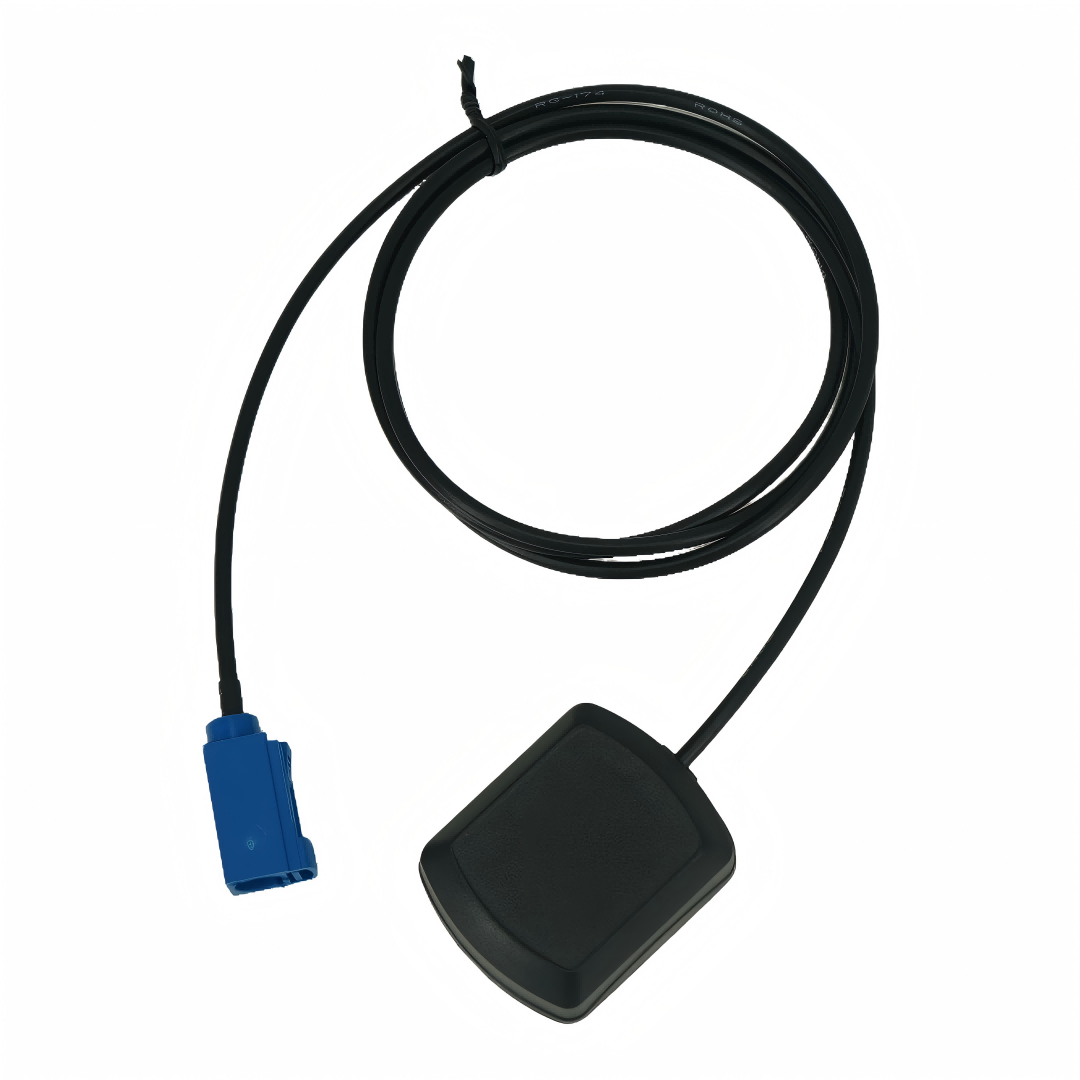
A multi-GNSS antenna fundamentally transforms how organizations approach satellite navigation. By simultaneously receiving and processing data from multiple satellite networks, a multi-GNSS antenna ensures that operational disruptions due to signal loss or constellation maintenance are virtually eliminated. Organizations across surveying, construction, maritime, aviation, and autonomous systems rely on this technology to maintain uninterrupted positioning services. The performance gap between a multi-GNSS antenna and single-system solutions has widened significantly as industries demand faster acquisition times, enhanced accuracy in challenging environments, and greater operational resilience.
Signal Availability and Constellation Coverage
Continuous Signal Reception with Multi-GNSS Antenna Systems
A multi-GNSS antenna dramatically improves signal availability by drawing from multiple satellite constellations simultaneously. Where a single GPS-only antenna might experience signal blockage or reduced accuracy in urban canyons, tunnels, or dense forest cover, a multi-GNSS antenna maintains connection through Galileo, GLONASS, or BeiDou satellites positioned at different orbital angles. This redundancy means that a multi-GNSS antenna solution can achieve positioning lock in environments where traditional systems struggle. The probability of having at least four visible satellites—the minimum required for three-dimensional positioning—increases substantially when a multi-GNSS antenna draws from four separate constellations rather than one.
Impact on Positioning Reliability
Reliability directly translates to operational uptime in mission-critical applications. A single-system antenna introduces a critical dependency: if that constellation undergoes maintenance or experiences temporary signal degradation, your positioning capability diminishes immediately. In contrast, a multi-GNSS antenna spreads this risk across four independent satellite networks operated by different governments and agencies. Industries such as construction surveying, where project schedules depend on precise positioning, benefit enormously from the consistent performance of a multi-GNSS antenna. Even during peak usage hours when a multi-GNSS antenna might receive signals from 30 or more satellites, a single-system antenna often struggles with access to 15 or fewer satellites.
Accuracy Performance and Convergence Speed
Positioning Accuracy Gains from Multi-GNSS Antenna Integration
Accuracy improvements from a multi-GNSS antenna extend beyond simple signal count; they reflect fundamental geometry advantages. When a multi-GNSS antenna receives satellites from multiple constellations, those satellites occupy different orbital planes and ground tracks. This geometric diversity eliminates the spatial clustering that limits single-constellation positioning accuracy. A multi-GNSS antenna can achieve centimeter-level accuracy in Real-Time Kinematic (RTK) applications approximately 40% faster than comparable single-system solutions. For applications requiring immediate results—such as autonomous vehicle navigation or precision agriculture—this faster convergence time creates measurable productivity gains. The multi-GNSS antenna advantage becomes even more pronounced in environments with partial sky visibility, where geometric strength directly impacts positional confidence.
Time to First Fix (TTFF) and Multi-GNSS Antenna Response
Time to First Fix represents a critical performance metric that distinguishes a multi-GNSS antenna from its single-system counterparts. A multi-GNSS antenna typically achieves initial positioning within 5 to 10 seconds during cold start conditions, whereas single-system alternatives often require 15 to 20 seconds or longer. This difference accumulates significantly in field operations where equipment startup and repositioning occur repeatedly. The ephemeris data stored by a multi-GNSS antenna across multiple constellations also improves warm-start and hot-start performance. Industries conducting rapid surveys or managing fleets of mobile assets benefit substantially from the reduced downtime that a multi-GNSS antenna provides compared to legacy single-constellation technology.
Environmental Performance and System Resilience
Multi-GNSS Antenna Performance in Challenging Conditions
Urban and indoor environments present severe challenges for traditional positioning systems. Dense buildings, metal structures, and reflective surfaces create multipath errors that degrade single-system accuracy. A multi-GNSS antenna mitigates these challenges through advanced signal processing that leverages the diverse geometry of multiple constellations. When a multi-GNSS antenna processes signals from GPS, GLONASS, Galileo, and BeiDou simultaneously, algorithms can identify and reject multipath reflections more effectively than systems analyzing data from a single source. Construction sites, mining operations, and port facilities—where metal containers and equipment abound—see dramatic accuracy improvements when deploying a multi-GNSS antenna rather than relying on single-system receivers.
Cost of Service Interruption and Multi-GNSS Antenna Value
The financial case for a multi-GNSS antenna becomes compelling when considering the cost of service interruptions. If a single-system antenna fails due to constellation maintenance or signal degradation, operations halt entirely. A multi-GNSS antenna, by contrast, automatically maintains positioning capability through alternative constellations. The avoided downtime cost—whether measured in halted excavators, grounded survey teams, or delayed autonomous vehicles—often exceeds the modest price premium of a multi-GNSS antenna hardware investment. Organizations with high-value operations increasingly view a multi-GNSS antenna not as an optional upgrade but as essential infrastructure insurance. The operational resilience provided by a multi-GNSS antenna translates directly into predictable scheduling, reduced project delays, and improved resource utilization.
FAQ
What makes a multi-GNSS antenna superior to single-system receivers?
A multi-GNSS antenna integrates signals from multiple satellite constellations, providing superior availability, faster convergence, and enhanced accuracy compared to single-system alternatives. The geometric diversity of a multi-GNSS antenna reduces dependency on any single constellation and eliminates critical failure points present in single-system designs.
How much faster does a multi-GNSS antenna acquire positioning versus single-system?
A multi-GNSS antenna typically achieves Time to First Fix approximately 40 to 50 percent faster than single-system receivers during cold start conditions. This performance advantage becomes more pronounced in challenging environments where a multi-GNSS antenna's signal diversity provides crucial redundancy.
Can a multi-GNSS antenna operate in urban canyon environments?
Yes, a multi-GNSS antenna excels in urban canyons where single-system solutions struggle. The multi-GNSS antenna's access to satellites from four different constellations ensures sufficient signal diversity to maintain positioning accuracy despite building blockage and multipath interference that typically degrade single-system performance.