
 EN
EN
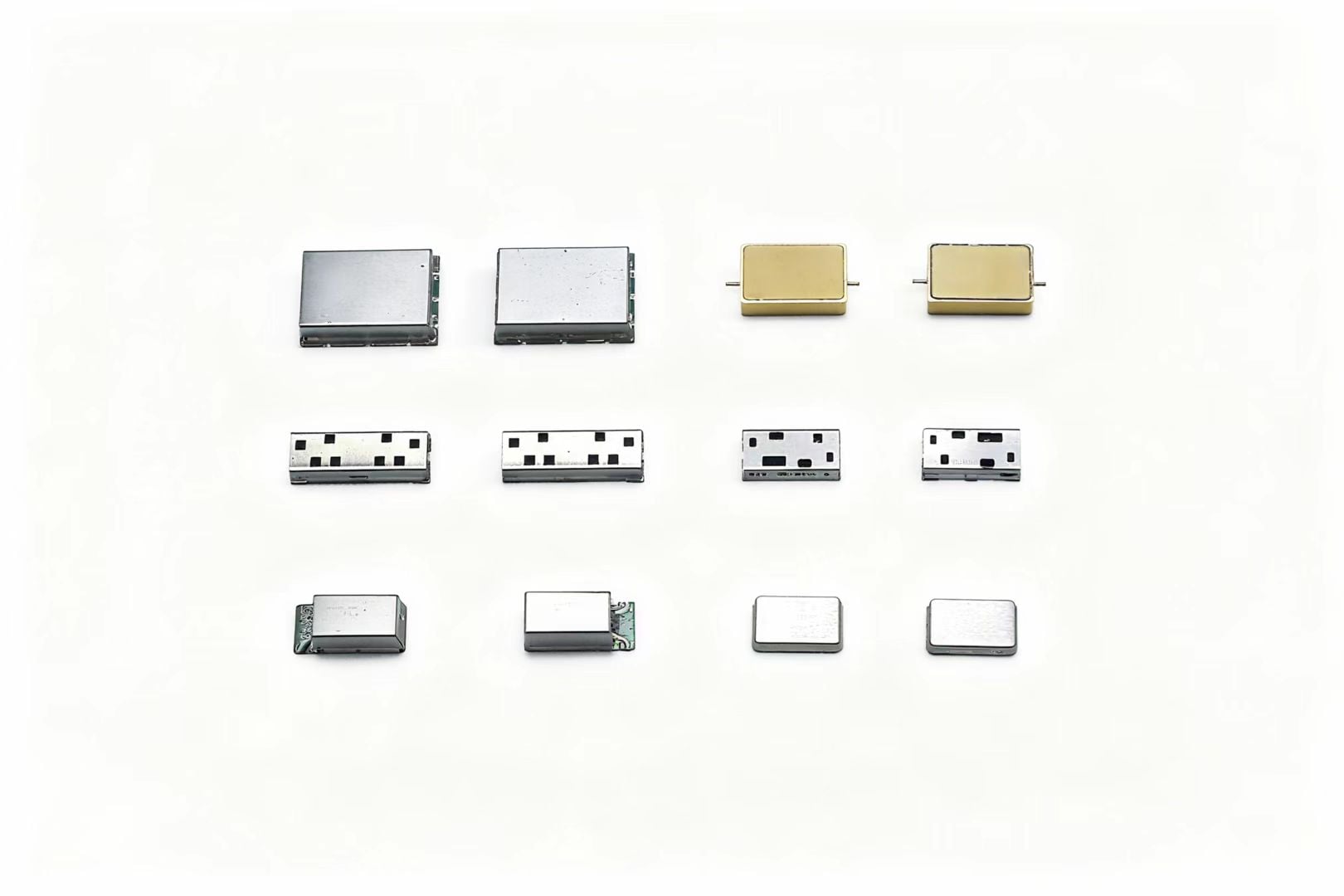
In 2025, precision navigation has become essential across surveying, agriculture, construction, and autonomous vehicle industries. A multi-GNSS antenna stands at the heart of this revolution, enabling simultaneous reception from multiple satellite constellations to achieve unprecedented accuracy and reliability. Unlike single-system antennas that depend on one satellite network, a multi-GNSS antenna receives signals from GPS, GLONASS, Galileo, BeiDou, and emerging systems, dramatically reducing acquisition time and enhancing position reliability in challenging environments. This comprehensive guide explores why selecting the right multi-GNSS antenna matters for your precision navigation applications.
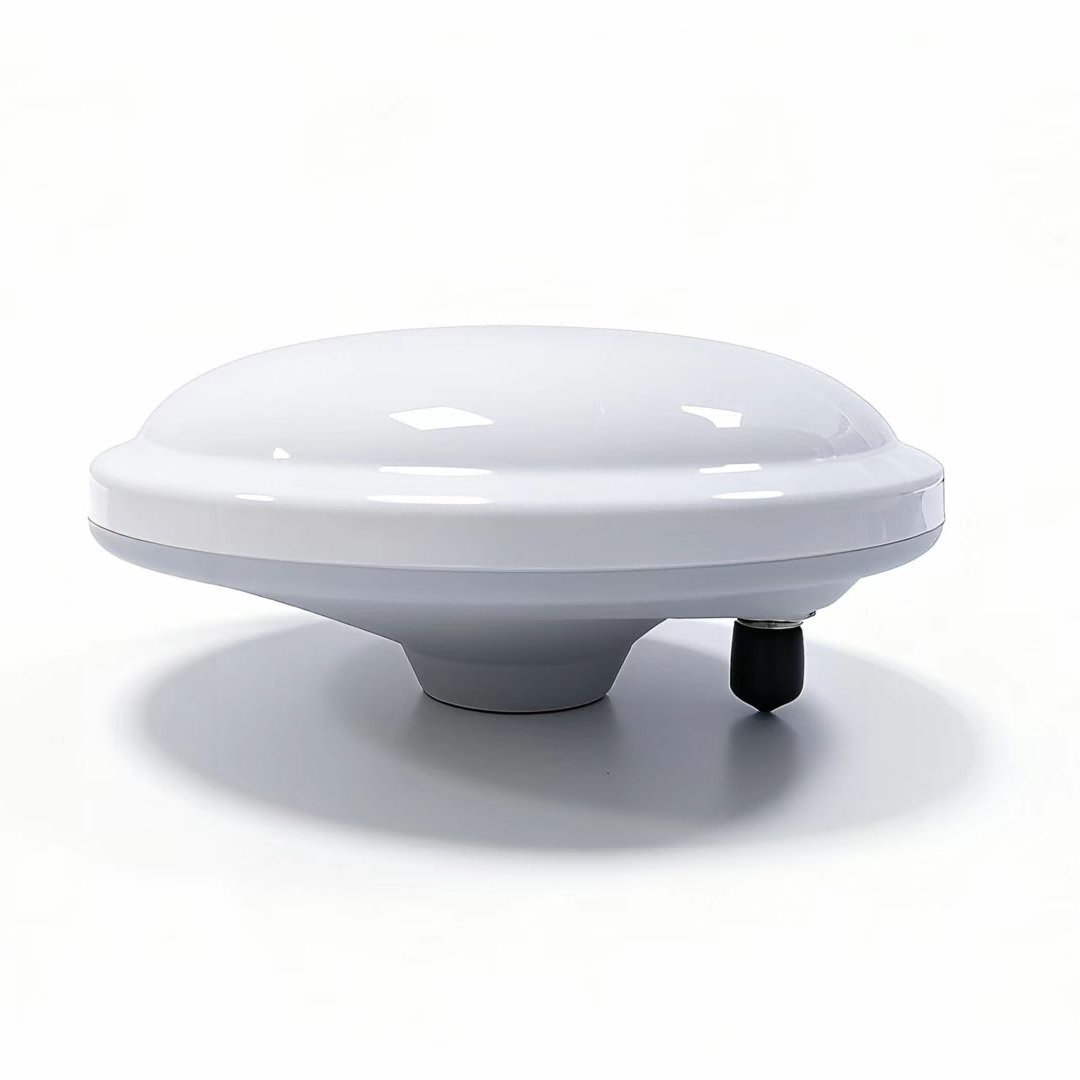
The performance of a multi-GNSS antenna directly influences your system's accuracy, speed of first fix, and operational reliability. In urban canyons, dense forests, and other obstructed environments, a high-quality multi-GNSS antenna compensates for signal loss by leveraging multiple satellite systems simultaneously. Modern applications demand not just positional accuracy but also consistent performance under real-world constraints. Understanding the key characteristics, performance metrics, and selection criteria for a multi-GNSS antenna ensures you invest in technology that meets current and future navigation demands.
Core Performance Characteristics of Multi-GNSS Antenna Technology
Multi-Constellation Signal Reception and Satellite Availability
A multi-GNSS antenna's defining strength lies in its ability to receive signals from multiple satellite constellations simultaneously. The GPS constellation provides global coverage, but a multi-GNSS antenna adds GLONASS for improved northern latitude performance, Galileo for enhanced European coverage and system redundancy, and BeiDou for Asia-Pacific optimization. By integrating all four systems, a multi-GNSS antenna ensures that even if one constellation experiences temporary signal degradation, alternative satellite signals maintain positioning continuity. This multi-constellation approach significantly increases the number of visible satellites at any given time, reducing geometric dilution of precision and enabling faster satellite acquisition for users who rely on immediate positioning data.
Accuracy Improvement and Position Convergence Speed
The accuracy delivered by a multi-GNSS antenna extends far beyond basic positioning. In real-time kinematic applications, a multi-GNSS antenna enables faster ambiguity resolution and centimeter-level positioning with fewer satellites than single-system solutions require. The redundancy inherent in a multi-GNSS antenna architecture means that loss of one or two satellites does not compromise your solution. Agricultural applications, construction surveying, and autonomous vehicle guidance all benefit from the accelerated convergence and improved reliability that a multi-GNSS antenna provides. Studies across surveying and agriculture sectors consistently show that multi-constellation receivers achieve target accuracy thresholds 20 to 40 percent faster than single-system alternatives.
Selecting the Right Multi-GNSS Antenna for Your Application
Environmental Factors and Obstruction Handling
Different operating environments demand different multi-GNSS antenna designs. In open-sky conditions such as surveying sites or agricultural fields, a standard multi-GNSS antenna with adequate gain and radiation pattern coverage suffices. However, in urban environments characterized by tall buildings and limited sky visibility, a specialized multi-GNSS antenna with advanced choke ring or ground plane designs becomes essential to mitigate multipath errors. Industrial and construction applications often face reflective surfaces and signal blockage that degrade standard antenna performance. The best multi-GNSS antenna for your specific use case must balance sensitivity, environmental resilience, and multipath rejection according to your operational context.
Integration Requirements and Physical Constraints
Mechanical integration represents a critical selection factor for any multi-GNSS antenna deployment. Autonomous vehicles require compact, aerodynamic multi-GNSS antenna designs integrated into vehicle rooflines, while survey-grade installations may utilize larger, more robust multi-GNSS antenna configurations mounted on tripods. The connector type, cable shielding, and weather resistance of your multi-GNSS antenna must align with your system architecture and field conditions. Mounting height and orientation significantly influence the multi-GNSS antenna's ability to acquire satellite signals, particularly in obstructed environments. Industrial applications often require multi-GNSS antenna solutions with ruggedized construction capable of withstanding temperature extremes, moisture exposure, and vibration inherent to construction equipment or harsh outdoor environments.
Performance Metrics and Reliability Indicators
Tracking Capability and Signal-in-Space Quality
A premium multi-GNSS antenna distinguishes itself through its tracking sensitivity and ability to maintain lock on weak signals. The best multi-GNSS antenna designs incorporate low-noise amplifiers and wide bandwidth front-end filtering to maximize signal capture while rejecting interference. GPS L1 and L5 signals, GLONASS G1 and G4 bands, Galileo E1 and E5 frequencies, and BeiDou B1 and B2 signals each present distinct propagation characteristics, and a multi-GNSS antenna must handle this spectral diversity efficiently. Real-world testing shows that superior multi-GNSS antenna implementations achieve consistent position accuracy even under challenging multipath conditions that compromise inferior designs. The ability of your multi-GNSS antenna to maintain carrier phase lock and minimize cycle slips directly translates to positioning reliability and measurement integrity.
System Redundancy and Fault Tolerance
Reliability in mission-critical applications depends heavily on your multi-GNSS antenna's inherent redundancy. When any single satellite constellation experiences temporary outages or degraded signal quality, a multi-GNSS antenna maintains navigation continuity through alternative constellation signals. This fault tolerance represents a fundamental advantage over single-system antennas and justifies the investment in multi-constellation technology. Aviation, autonomous vehicle, and industrial automation sectors increasingly mandate multi-GNSS antenna architectures as a safety and reliability requirement. The redundancy provided by a multi-GNSS antenna proves especially valuable during constellation maintenance windows, signal blockage events, or jamming conditions where single-system solutions would fail entirely.
Implementation Best Practices and Field Deployment
Installation Geometry and Mounting Optimization
Proper installation of a multi-GNSS antenna directly impacts achievable accuracy and acquisition performance. The antenna phase center must remain stable and properly registered to your receiver hardware for consistent measurement quality. Mounting your multi-GNSS antenna with unobstructed 30-degree elevation angle visibility in all directions maximizes satellite availability and ensures optimal geometric dilution of precision. In mobile applications, antenna placement should minimize blockage from the vehicle structure itself; roof-mounted configurations generally outperform alternative locations for a multi-GNSS antenna on moving platforms. Cable routing must maintain adequate distance from noise sources and employ proper shielding to prevent interference that would degrade multi-GNSS antenna performance.
Testing, Validation, and Ongoing Performance Monitoring
After deployment, continuous performance validation ensures your multi-GNSS antenna operates within specification. Modern receiver systems provide diagnostic tools that report satellite signal strength, position dilution of precision, and solution quality metrics specific to each constellation tracked by the multi-GNSS antenna. Regular inspection of your multi-GNSS antenna physical condition, connector integrity, and cable connections prevents performance degradation over time. Recalibration of known reference points confirms that your multi-GNSS antenna maintains consistent positional accuracy across seasonal variations and equipment aging. Documentation of multi-GNSS antenna performance baseline data enables rapid anomaly detection if environmental changes or equipment degradation compromise your navigation accuracy.
FAQ
What constellations does a modern multi-GNSS antenna receive?
A comprehensive multi-GNSS antenna in 2025 receives signals from GPS, GLONASS, Galileo, and BeiDou constellations, with emerging support for NAVIC in select applications. Each constellation broadcasts multiple frequency bands; GPS transmits L1 and L5, GLONASS operates on G1 and G4, Galileo provides E1 and E5, and BeiDou offers B1 and B2. A multi-GNSS antenna optimized for all these constellations delivers the maximum satellite availability and positioning redundancy. The specific frequency bands supported by your multi-GNSS antenna determine compatibility with receiver hardware and processing chains.
How much faster does a multi-GNSS antenna achieve positioning accuracy compared to single-system alternatives?
Real-world field measurements demonstrate that a multi-GNSS antenna typically converges to target positioning accuracy 20 to 40 percent faster than GPS-only solutions in open-sky conditions. In obstructed urban and forest environments, the advantage becomes more pronounced, with multi-GNSS antenna solutions achieving reliable positions where single-system antennas fail entirely. The acceleration stems from increased satellite availability and improved geometric diversity that multi-GNSS antenna architecture provides. Specific convergence rates depend on receiver algorithms, observation frequency, and environmental conditions, but the fundamental advantage of multi-GNSS antenna technology remains consistent across applications.
What environmental factors most impact multi-GNSS antenna performance?
Multipath reflections from large reflective surfaces represent the primary environmental challenge for any multi-GNSS antenna. Urban canyon geometry, water bodies, and metal structures near your multi-GNSS antenna mounting location increase multipath energy and degrade positioning accuracy. Signal obstruction from dense vegetation, tunnels, or heavy structures limits the satellite signals available to your multi-GNSS antenna, reducing positioning availability. Atmospheric conditions such as ionospheric disturbances affect all satellite signals equally, but a multi-GNSS antenna mitigates ionospheric delay effects through multi-frequency measurements when supported by receiver hardware. Temperature extremes and moisture exposure affect connector performance and amplifier stability, so weatherproof design and quality materials in your multi-GNSS antenna construction prove essential for long-term field reliability.