
 EN
EN
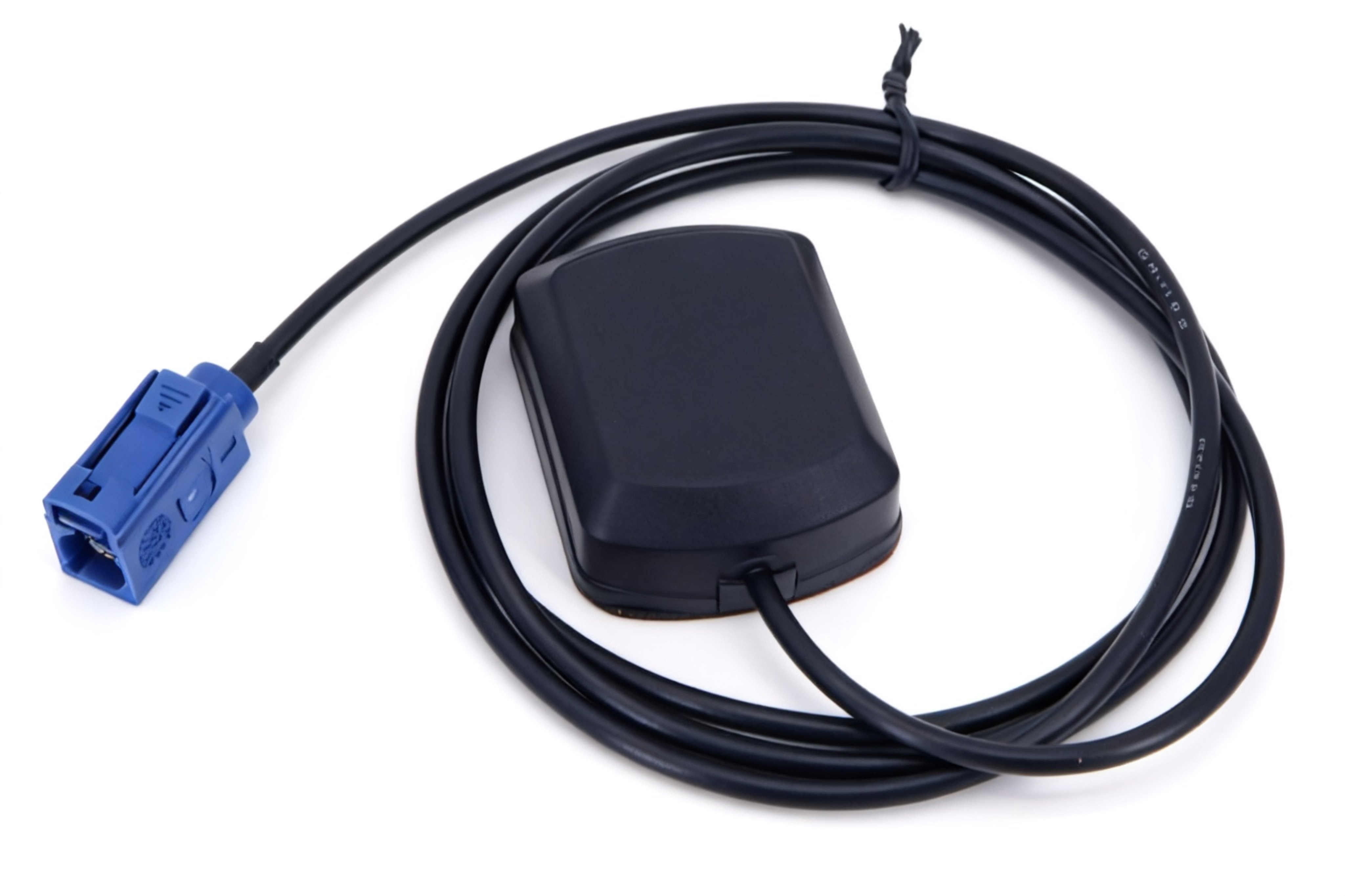
The demand for precise positioning and navigation has never been higher across industries ranging from surveying to autonomous systems. A multi-GNSS antenna represents a significant advancement in satellite-based positioning technology, enabling organizations to achieve unprecedented accuracy and reliability. Unlike traditional single-system solutions, a multi-GNSS antenna simultaneously receives signals from multiple satellite constellations, dramatically improving position fix reliability and reducing time to first fix in challenging environments.

Organizations implementing multi-GNSS antenna systems benefit from enhanced signal availability, particularly in urban canyons, dense forest canopies, and other signal-obstructed areas where single-constellation systems struggle. The multi-GNSS antenna architecture leverages GPS, GLONASS, Galileo, BeiDou, and QZSS constellations to create a robust positioning framework that adapts to environmental conditions and maintains continuous service even when individual satellite systems experience temporary outages or degradation.
Understanding Multi-GNSS Antenna Technology
Core Functionality and Signal Integration
A multi-GNSS antenna captures signals from multiple independent satellite constellations operating at different frequencies and orbital characteristics. The multi-GNSS antenna design incorporates specialized filtering and amplification circuitry that processes L1, L2, L5 and other frequency bands used by different satellite systems. This multi-GNSS antenna approach enables sophisticated algorithms to cross-validate positioning information, identify signal anomalies, and automatically select the most reliable satellite geometry available at any given moment.
Modern multi-GNSS antenna receivers continuously monitor signal quality metrics including carrier-to-noise ratios, signal strength, and atmospheric delay corrections. The multi-GNSS antenna system architecture allows real-time switching between constellation combinations based on current environmental conditions and positioning requirements. This intelligent multi-GNSS antenna strategy ensures consistent performance across varying terrain, weather conditions, and seasonal vegetation changes that commonly affect single-system accuracy.
Constellation Integration Benefits
Each satellite constellation contributing to a multi-GNSS antenna system offers unique advantages in terms of orbital geometry, signal coverage, and atmospheric correction capabilities. The multi-GNSS antenna combines GPS satellites distributed across six orbital planes with GLONASS satellites offering different orbital characteristics, creating overlapping coverage patterns. When a multi-GNSS antenna incorporates Galileo and BeiDou signals, users gain access to enhanced ground infrastructure, additional frequency bands, and improved signal availability in specific geographic regions where these systems maintain concentrated satellite populations.
Performance Advantages and Operational Benefits
Enhanced Accuracy and Positioning Reliability
The primary advantage of deploying a multi-GNSS antenna lies in dramatically improved positioning accuracy compared to single-constellation alternatives. A multi-GNSS antenna operating in ideal conditions can achieve centimeter-level accuracy when combined with real-time kinematic corrections or post-processed baseline solutions. Even in standard autonomous mode, a multi-GNSS antenna typically delivers sub-meter accuracy that single-system antennas cannot consistently maintain, particularly in partially obstructed or urban environments where satellite geometry becomes degraded.
Convergence time represents another critical performance metric where multi-GNSS antenna systems excel. The multi-GNSS antenna reaches initial position fixes substantially faster because receiver algorithms work with larger pools of available satellites. This faster convergence proves essential in applications requiring rapid deployment, mobile surveying operations, and real-time positioning scenarios where delays introduce operational inefficiencies or safety concerns.
Resilience and Service Continuity
Operational reliability fundamentally improves when organizations implement multi-GNSS antenna technology rather than depending on single satellite system performance. The multi-GNSS antenna maintains positioning capability even during system maintenance windows when satellite constellations perform scheduled maneuvers or software updates. Users benefit from built-in redundancy where temporary signal loss from one constellation remains unnoticed because the multi-GNSS antenna seamlessly continues using alternative satellite sources.
GPS-dependent systems experienced significant service interruptions during historical incidents affecting individual constellations, but a multi-GNSS antenna design naturally prevents such single-points-of-failure. The multi-GNSS antenna approach ensures mission-critical applications in infrastructure monitoring, power grid operations, and telecommunications network synchronization maintain continuous position and timing information regardless of external circumstances affecting any individual satellite system.
Industry Applications and Use Case Implementation
Surveying and Geospatial Mapping
Professional surveying workflows increasingly depend on multi-GNSS antenna systems to achieve project timelines and accuracy requirements in challenging field conditions. The multi-GNSS antenna enables surveyors to establish control points in areas previously requiring expensive conventional surveying techniques or temporary base stations. Construction site monitoring, boundary establishment, and topographic mapping all benefit from the rapid convergence and consistent accuracy that a multi-GNSS antenna delivers across varying terrain and vegetation conditions.
The multi-GNSS antenna proves particularly valuable in densely vegetated regions, mountainous terrain, and urban environments where traditional GPS-only equipment struggles to maintain sufficient satellite visibility. Professional surveyors report that multi-GNSS antenna systems reduce project costs by enabling faster measurements, fewer repeat observations, and improved data quality in single-pass operations that previously required multiple campaign visits to achieve acceptable results.
Autonomous Vehicle and Robotics Navigation
Autonomous systems require positioning accuracy and reliability that only multi-GNSS antenna technology can consistently provide in real-world deployment scenarios. The multi-GNSS antenna supply continuous position updates with sufficient accuracy to enable lane-keeping, intersection navigation, and precision docking functions essential for autonomous vehicle operations. Agricultural robotics, construction equipment automation, and warehouse material handling systems all leverage multi-GNSS antenna capabilities to achieve safe, efficient autonomous operations without requiring extensive site infrastructure modifications.
The multi-GNSS antenna addresses a critical challenge in autonomous systems deployment by maintaining position fixes in challenging environments that single-constellation receivers cannot handle reliably. Urban navigation scenarios where signal obstruction from tall buildings creates temporary outages become manageable through multi-GNSS antenna signal redundancy. The multi-GNSS antenna enables autonomous vehicles to maintain positioning awareness during signal dropouts that would completely disable GPS-only navigation systems.
Critical Infrastructure and Timing Applications
Power grid operators, telecommunications networks, and financial transaction systems depend on precise timing derived from satellite positioning systems. The multi-GNSS antenna provides timing accuracy and holdover characteristics that prevent widespread outages during satellite system disruptions affecting individual constellations. Financial institutions implementing multi-GNSS antenna receivers achieve transaction timing compliance even during GPS signal degradation events that would otherwise create regulatory violations and operational delays.
Synchronizing distributed infrastructure components requires timing reliability that only multi-GNSS antenna technology consistently delivers across variable environmental conditions and potential jamming scenarios. The multi-GNSS antenna reduces timing holdover requirements by maintaining continuous satellite signal reception through multiple independent sources, enabling simpler, more cost-effective system designs compared to installations requiring expensive atomic clocks for extended holdover periods.
Implementation Considerations and Selection Criteria
System Architecture and Integration Planning
Successful multi-GNSS antenna deployment requires careful consideration of receiver capabilities, antenna placement, and signal processing requirements specific to each application. The multi-GNSS antenna must be positioned to maximize open-sky visibility while avoiding metallic structures and electromagnetic interference sources that degrade satellite signals. Antenna cable routing, grounding practices, and RF shielding directly impact multi-GNSS antenna performance, requiring professional installation following manufacturer specifications and industry best practices.
The multi-GNSS antenna selection process must evaluate frequency band support, constellation combinations available in specific geographic markets, and real-time correction service compatibility. Organizations considering multi-GNSS antenna implementation should verify that selected hardware supports correction service providers operating in their deployment regions and validate integration with existing systems before committing to large-scale rollouts.
Performance Validation and Operational Management
Testing multi-GNSS antenna performance in representative field conditions provides essential validation before operational deployment at scale. The multi-GNSS antenna should be evaluated under various environmental scenarios including dense vegetation, urban canyons, and potential interference sources specific to each application. Performance metrics including time-to-first-fix, position accuracy, signal availability, and system availability under degraded conditions provide objective data supporting multi-GNSS antenna deployment decisions.
Ongoing multi-GNSS antenna performance monitoring enables early detection of degradation caused by antenna fouling, cable damage, or environmental changes requiring corrective action. The multi-GNSS antenna receivers capable of logging signal quality metrics and constellation availability information support continuous improvement processes and help organizations optimize system performance through firmware updates and operational adjustments as field experience accumulates.
FAQ
What distinguishes a multi-GNSS antenna from traditional GPS-only receivers?
A multi-GNSS antenna captures signals from multiple satellite constellations simultaneously, while GPS-only receivers depend exclusively on American GPS satellites. The multi-GNSS antenna provides superior accuracy, faster convergence, and maintained positioning even when individual satellite systems experience outages or degradation. A multi-GNSS antenna achieves these advantages through access to larger satellite pools and sophisticated signal processing algorithms that leverage constellation redundancy.
How does multi-GNSS antenna technology improve performance in urban and obstructed environments?
Urban canyons and obstructed terrain limit satellite visibility for single-system receivers, but a multi-GNSS antenna maintains consistent positioning because each constellation offers independent satellite geometry. The multi-GNSS antenna algorithm selects the best available satellite combinations regardless of which constellation provides them, enabling reliable positioning where GPS-only systems would lose signal. This multi-GNSS antenna advantage becomes particularly pronounced in highly developed urban areas and densely vegetated regions.
What application scenarios benefit most from multi-GNSS antenna implementation?
Mission-critical applications including autonomous vehicles, precision surveying, infrastructure monitoring, and timing-dependent systems all benefit significantly from multi-GNSS antenna deployment. The multi-GNSS antenna excels in applications requiring continuous positioning regardless of environmental conditions, rapid time-to-first-fix convergence, or high-accuracy measurements. Applications deployed across diverse geographic regions particularly benefit from multi-GNSS antenna capabilities because signal availability varies by constellation concentration in different areas.