
 EN
EN
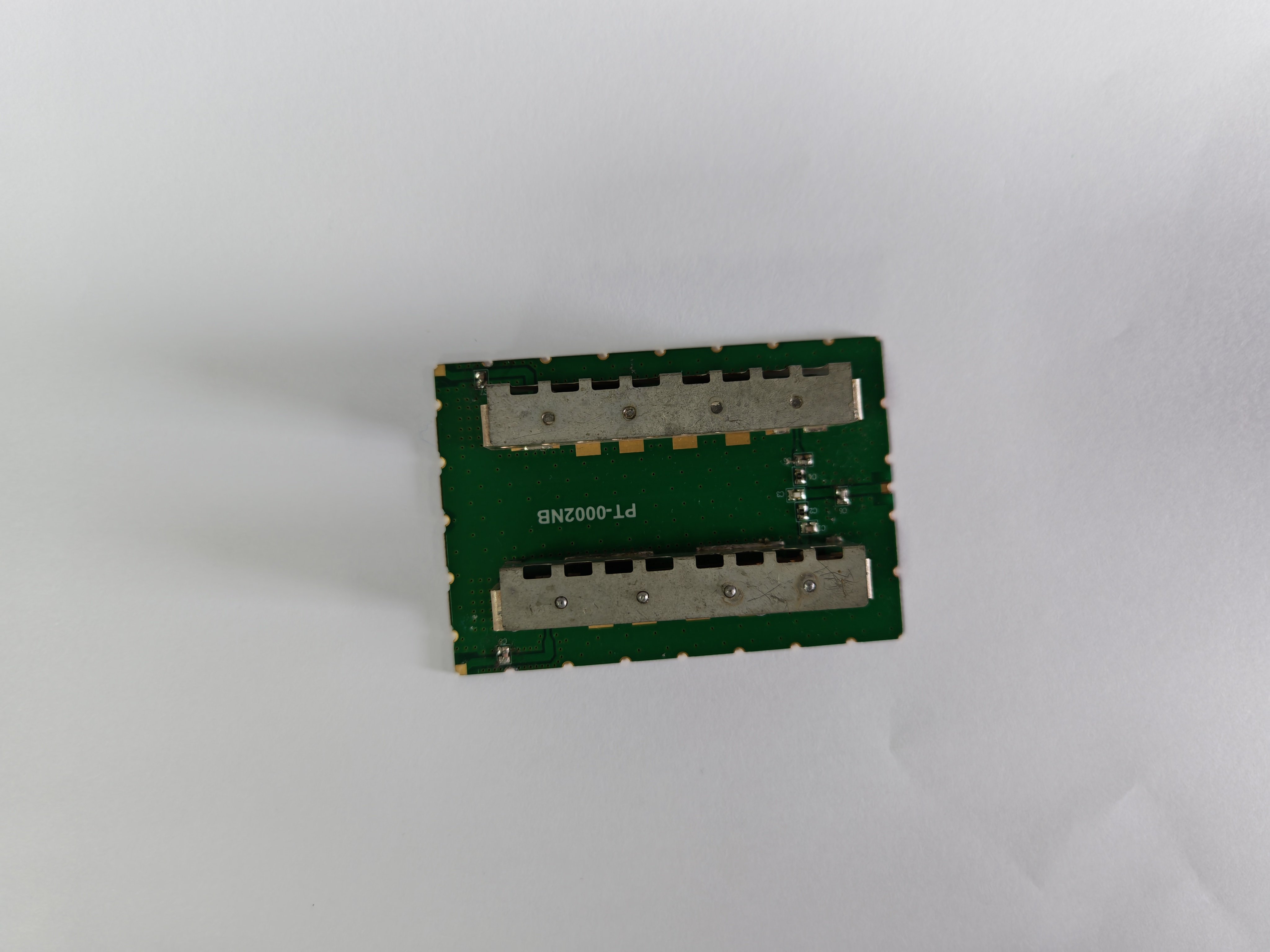
The microwave dielectric ceramic multiplexer represents a critical component in modern RF communication infrastructure, enabling simultaneous signal transmission and reception across multiple frequency channels without interference. These sophisticated devices leverage advanced ceramic materials to achieve exceptional performance in demanding wireless applications, from cellular base stations to satellite communications and radar systems. Understanding the practical applications of microwave dielectric ceramic multiplexer technology is essential for engineers and procurement professionals designing reliable, high-capacity communication networks.
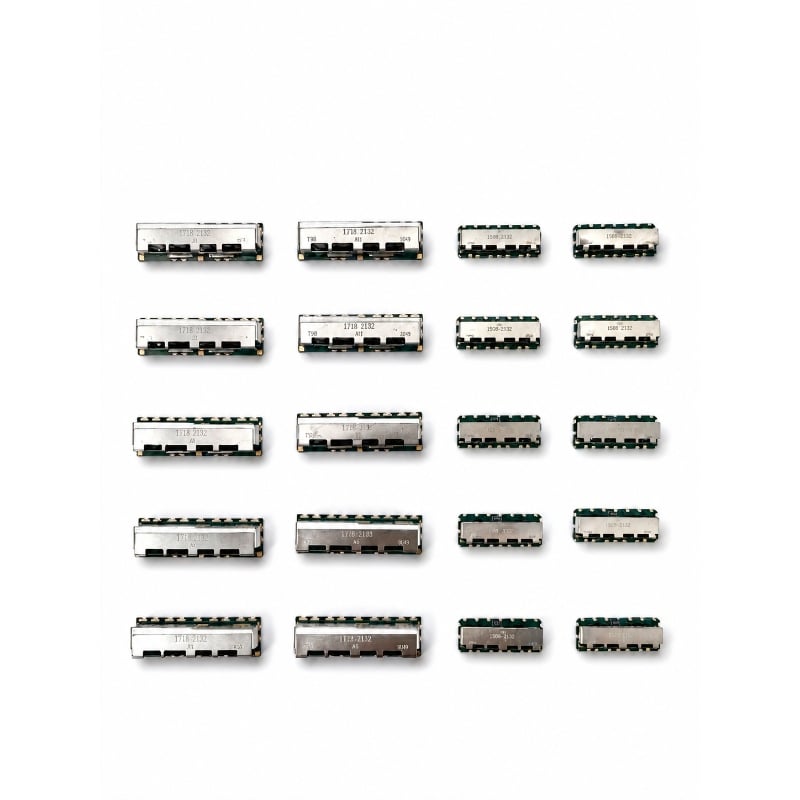
A microwave dielectric ceramic multiplexer operates by combining multiple frequency channels onto a single transmission line, using ceramic resonators to provide frequency-selective filtering and isolation. The dielectric properties of advanced ceramics enable compact designs with minimal insertion loss, making the microwave dielectric ceramic multiplexer the preferred choice in space-constrained applications. This article explores the diverse applications, technical advantages, and implementation considerations for these essential RF components in contemporary communication systems.
Cellular Base Station Integration
Transmit-Receive Signal Separation
Cellular base stations depend on the microwave dielectric ceramic multiplexer to efficiently separate transmit and receive signals operating on different frequency bands. When a base station antenna simultaneously handles uplink and downlink signals, the microwave dielectric ceramic multiplexer ensures precise frequency discrimination, preventing strong transmit signals from desensitizing receiver circuits. The ceramic resonator technology within the microwave dielectric ceramic multiplexer delivers sharp passband characteristics and excellent out-of-band rejection, maintaining signal integrity across the crowded RF spectrum.
Multi-Band Operation and Spectrum Efficiency
Modern cellular networks require the microwave dielectric ceramic multiplexer to handle multiple frequency bands simultaneously, supporting legacy standards alongside newer technologies. A high-performance microwave dielectric ceramic multiplexer enables operators to deploy dual-band, tri-band, or multi-band base station antennas from a single physical location, reducing tower real estate requirements and installation costs. The microwave dielectric ceramic multiplexer achieves this through careful resonator design and coupling optimization, allowing seamless coexistence of bands spanning hundreds of megahertz separation.
Satellite Communication Systems
Payload Frequency Management
Satellite payloads employ microwave dielectric ceramic multiplexer units to manage complex frequency conversion and signal routing in space-constrained environments. Each microwave dielectric ceramic multiplexer within a satellite transponder combines multiple uplink channels, routes them through the regeneration or amplification stage, and combines multiple downlink channels for transmission back to ground stations. The microwave dielectric ceramic multiplexer must operate reliably across the satellite mission lifetime, often spanning fifteen years or more without maintenance, making material stability and component reliability paramount.
Temperature and Radiation Stability
The microwave dielectric ceramic multiplexer components used in satellite applications must withstand extreme temperature variations, from near-absolute-zero on shadow side of the orbit to extreme thermal gradients during sun exposure. Advanced dielectric ceramic formulations in the microwave dielectric ceramic multiplexer maintain stable resonant frequencies and minimal Q-factor degradation across these temperature extremes, ensuring payload performance consistency throughout the mission. Additionally, the microwave dielectric ceramic multiplexer design incorporates radiation-hardened construction to withstand the high-energy particle environment of space, protecting long-term signal fidelity and system availability.
Radar and Electronic Warfare Applications
Simultaneous Multi-Frequency Operation
Military and commercial radar systems utilize microwave dielectric ceramic multiplexer technology to support rapid frequency switching and simultaneous operation across multiple frequency bands. The microwave dielectric ceramic multiplexer enables phased-array radar systems to transmit and receive across different frequency bands, supporting agile radar waveforms that adapt to tactical environments and improve target detection performance. By providing fast switching between microwave dielectric ceramic multiplexer configurations, radar operators can maintain tactical advantage and operational flexibility in contested electromagnetic environments.
Signal Isolation and Interference Rejection
Electronic warfare and communication intelligence systems depend on the microwave dielectric ceramic multiplexer to isolate desired signals from broadband interference and jamming attempts. The microwave dielectric ceramic multiplexer provides superior harmonic rejection and sidelobe suppression compared to conventional filter designs, enabling sensitive receivers to detect weak signals amid high-power interference sources. This isolation capability makes the microwave dielectric ceramic multiplexer essential for modern electronic warfare platforms operating in complex electromagnetic scenarios.
Design Considerations and Implementation
Dielectric Material Selection
The choice of dielectric material fundamentally determines the performance characteristics of any microwave dielectric ceramic multiplexer design. High-permittivity ceramics enable compact microwave dielectric ceramic multiplexer implementations by reducing resonator dimensions while maintaining required frequency performance, critical for applications with strict size and weight constraints. The microwave dielectric ceramic multiplexer engineer must balance permittivity, temperature coefficient, loss tangent, and manufacturing tolerances to achieve production-viable designs meeting the application specifications.
Resonator Coupling and Bandwidth Optimization
Achieving desired bandwidth and frequency response in the microwave dielectric ceramic multiplexer requires precise control of inter-resonator coupling and external input-output coupling coefficients. The microwave dielectric ceramic multiplexer design must account for manufacturing tolerances in ceramic dimensions and dielectric properties, implementing tuning mechanisms or compensation strategies to maintain performance across production batches. Advanced simulation techniques enable the microwave dielectric ceramic multiplexer designer to model coupling behavior accurately, reducing prototype iterations and accelerating time-to-market for communication system deployments.
Performance Metrics and System Integration
Insertion Loss and Power Handling
The microwave dielectric ceramic multiplexer directly impacts system noise figure and efficiency through its insertion loss characteristics across the operating frequency range. Lower insertion loss in the microwave dielectric ceramic multiplexer reduces required amplifier gain and power consumption, improving overall system efficiency and thermal management. The microwave dielectric ceramic multiplexer must also handle rated transmit power levels without degradation or frequency shifting, maintained through careful thermal management and material selection that ensures consistent performance across temperature extremes encountered in real-world deployment scenarios.
Frequency Selectivity and Channel Isolation
Superior channel isolation provided by the microwave dielectric ceramic multiplexer prevents adjacent-channel interference and enables efficient spectrum utilization across broadband communication systems. The microwave dielectric ceramic multiplexer achieves this through high-Q resonators and carefully optimized coupling topologies, delivering selectivity performance that traditional filter designs cannot match within comparable size constraints. This selectivity directly enables spectrum efficiency improvements, allowing carriers to deploy additional services within available frequency allocations while maintaining service quality for existing customers.
FAQ
What frequency ranges does the microwave dielectric ceramic multiplexer support?
The microwave dielectric ceramic multiplexer operates effectively across the microwave spectrum from approximately 500 MHz to 40 GHz, with specific frequency capability depending on the ceramic dielectric constant and resonator geometry. Most commercial implementations concentrate on L-band through Ku-band frequencies, where the microwave dielectric ceramic multiplexer achieves optimal performance-to-size tradeoffs. Specialized microwave dielectric ceramic multiplexer designs can extend to millimeter-wave frequencies above 40 GHz, though size and performance considerations become increasingly challenging at higher frequencies.
How does the microwave dielectric ceramic multiplexer differ from conventional filter designs?
The microwave dielectric ceramic multiplexer achieves superior performance through the use of high-permittivity ceramic resonators, which enable compact dimensions and higher Q-factors compared to traditional waveguide or cavity filter designs. Unlike conventional filters, the microwave dielectric ceramic multiplexer can combine multiple frequency channels efficiently within minimal space, making it ideal for modern communication systems requiring compact footprints and multiple simultaneous channels. The microwave dielectric ceramic multiplexer also provides improved thermal stability and radiation hardness, essential for demanding aerospace and defense applications.
What reliability considerations apply to microwave dielectric ceramic multiplexer deployment?
The microwave dielectric ceramic multiplexer reliability depends critically on material quality, manufacturing consistency, and thermal management throughout its operational lifetime. Proper environmental sealing, temperature control within system specifications, and careful power handling ensure the microwave dielectric ceramic multiplexer maintains performance and prevents premature failure. Long-term reliability of the microwave dielectric ceramic multiplexer improves through redundancy planning, periodic performance monitoring, and proactive replacement before predicted aging limits, ensuring uninterrupted communication system operation in mission-critical applications.