
 EN
EN
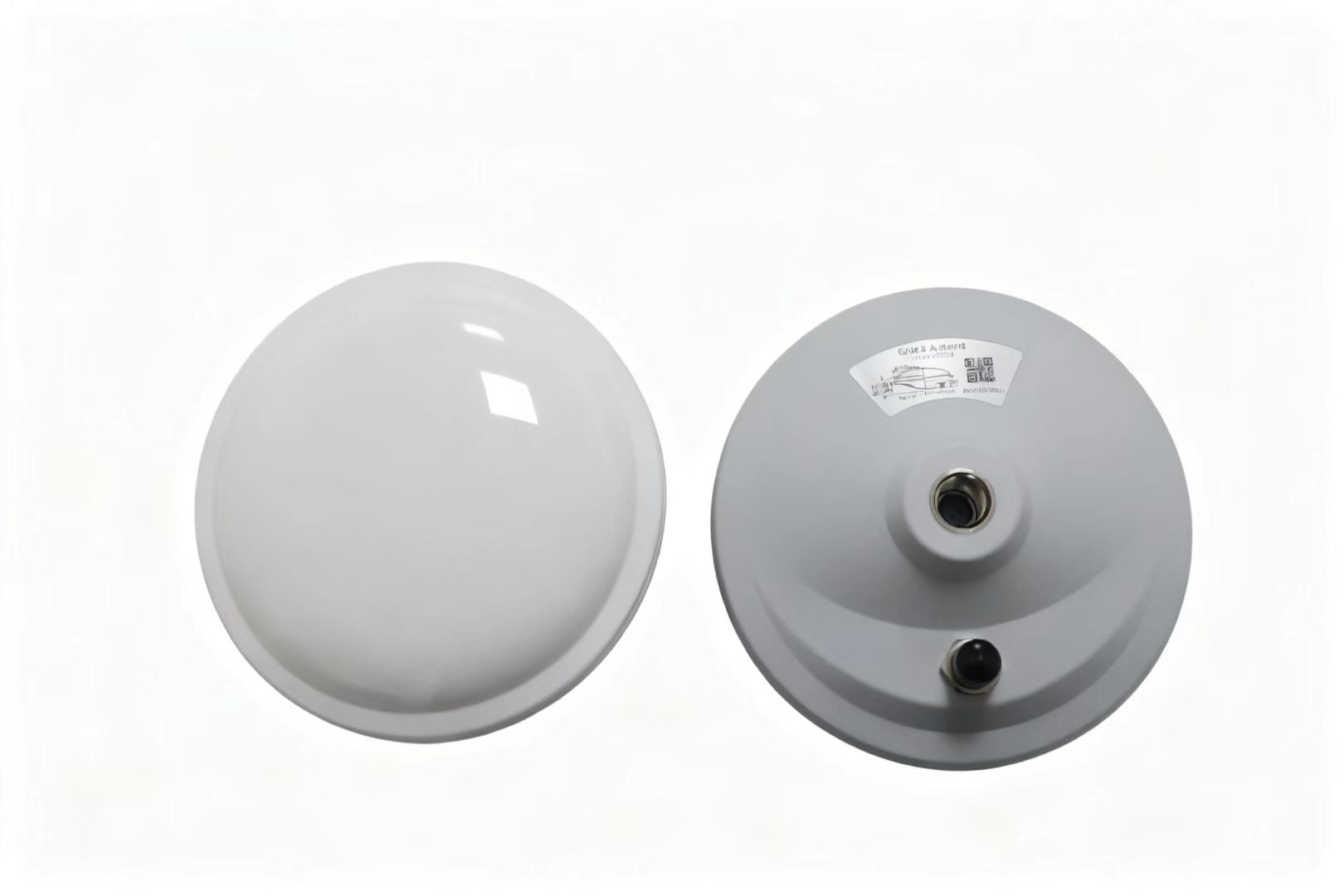
The high-precision navigation antenna market is undergoing significant transformation in 2025 as industries demand more accurate positioning capabilities. From autonomous vehicles to surveying applications, the high-precision navigation antenna has become essential infrastructure for modern positioning systems. Understanding the current market trends helps businesses identify opportunities and make informed technology investments in precision navigation solutions.

Market dynamics for the high-precision navigation antenna sector reveal growing adoption across multiple verticals. Construction, agriculture, and transportation industries increasingly rely on high-precision navigation antenna systems to enhance operational efficiency and safety. The 2025 landscape shows accelerating demand driven by regulatory requirements, cost reductions in high-precision navigation antenna hardware, and expanded satellite constellation availability that improves positioning reliability globally.
Core Drivers of Market Growth
Multi-Constellation Satellite Systems
Modern high-precision navigation antenna systems now access multiple satellite constellations simultaneously, including GPS, GLONASS, Galileo, and BeiDou. This multi-constellation approach significantly improves the high-precision navigation antenna's ability to deliver centimeter-level accuracy even in challenging urban environments. The expansion of satellite networks reduces positioning dilution and enhances the reliability of high-precision navigation antenna performance across diverse geographic regions and operating conditions.
Miniaturization and Cost Reduction
Technological advances have made high-precision navigation antenna solutions increasingly compact and affordable. Manufacturers are developing smaller form factors that integrate seamlessly into mobile platforms without compromising the high-precision navigation antenna's accuracy specifications. This cost-competitiveness trend in 2025 enables broader market penetration, allowing smaller enterprises and emerging applications to deploy high-precision navigation antenna technology previously accessible only to large-scale operations with substantial budgets.
Industry Applications and Market Segments
Autonomous Systems and Robotics
Autonomous vehicles and robotic systems require the high-precision navigation antenna's centimeter-level accuracy for safe operation and reliable path planning. Testing facilities and commercial deployments increasingly specify advanced high-precision navigation antenna systems to meet strict positioning tolerances. The high-precision navigation antenna market for autonomous applications is expected to grow substantially in 2025 as vehicle manufacturers accelerate autonomous platform development and regulatory frameworks mature.
Agriculture and Precision Farming
Agricultural technology adoption demonstrates strong demand for high-precision navigation antenna capabilities in variable-rate application systems and automated field operations. Farmers using high-precision navigation antenna-enabled equipment can optimize input usage, reduce environmental impact, and increase crop yields. The high-precision navigation antenna market segment serving agriculture reflects consistent growth as farming operations scale and technology becomes more accessible through equipment manufacturers and service providers.
Technical Performance Advances and Market Implications
Real-Time Kinematic and Post-Processing Solutions
The high-precision navigation antenna's integration with real-time kinematic (RTK) networks and post-processing software has created new service delivery models. Ground-based reference stations and satellite-based augmentation systems enhance the high-precision navigation antenna's baseline performance to achieve millimeter-level accuracy. The high-precision navigation antenna market increasingly includes service subscriptions alongside hardware sales, creating recurring revenue opportunities and stronger customer relationships for solution providers.
Environmental Resilience and Signal Processing
Modern high-precision navigation antenna designs incorporate advanced signal processing algorithms and environmental resilience features that improve performance under adverse conditions. The high-precision navigation antenna's ability to maintain accuracy in urban canyons, near reflective surfaces, and during solar storms addresses critical reliability concerns in operational environments. These technical improvements expand the high-precision navigation antenna market's addressable applications by enabling deployment in previously challenging scenarios where conventional positioning systems failed.
Market Outlook and Strategic Opportunities
Regional Growth Patterns and Emerging Markets
Geographic expansion of the high-precision navigation antenna market reflects infrastructure development priorities across different regions. Developed markets show maturation with focus on advanced applications, while emerging markets demonstrate rapid adoption driven by infrastructure modernization. The high-precision navigation antenna market's growth trajectory varies by region, influenced by regulatory frameworks, investment cycles, and technology adoption rates that create distinct strategic opportunities for vendors and service integrators.
Integration with IoT and Smart Infrastructure
The high-precision navigation antenna's convergence with Internet of Things platforms and smart city infrastructure creates expanding market opportunities. Asset tracking, fleet management, and infrastructure monitoring applications increasingly depend on the high-precision navigation antenna's accuracy and reliability. This integration trend positions the high-precision navigation antenna market as foundational technology for broader digital transformation initiatives across industries, supporting long-term market expansion and technology adoption momentum.
FAQ
What distinguishes a high-precision navigation antenna from standard GPS receivers?
A high-precision navigation antenna achieves centimeter or millimeter-level accuracy through advanced antenna design, multi-constellation signal processing, and integration with augmentation systems. Standard receivers typically provide meter-level accuracy suitable for general navigation. The high-precision navigation antenna incorporates specialized hardware, sophisticated algorithms, and access to correction services that enable the superior accuracy required for demanding applications like surveying, autonomous systems, and precision agriculture.
How will the high-precision navigation antenna market evolve through 2025?
The high-precision navigation antenna market will likely experience consolidation among manufacturers, expansion into emerging markets, and increasing integration with autonomous systems. Competition will intensify around form factor innovation, cost reduction, and software-defined positioning capabilities. The high-precision navigation antenna market will also see regulatory developments that mandate positioning accuracy standards for certain applications, driving broader adoption and investment across industries dependent on precise location information.
What factors should organizations consider when selecting high-precision navigation antenna systems?
Organizations evaluating high-precision navigation antenna solutions should assess accuracy requirements, environmental operating conditions, form factor constraints, and total cost of ownership including augmentation service fees. The high-precision navigation antenna selection process should verify multi-constellation support, real-time processing capabilities, and integration compatibility with existing systems. Future-proofing high-precision navigation antenna investments requires considering technology roadmaps, vendor stability, and compatibility with emerging positioning standards that will shape the industry beyond 2025.