
 EN
EN
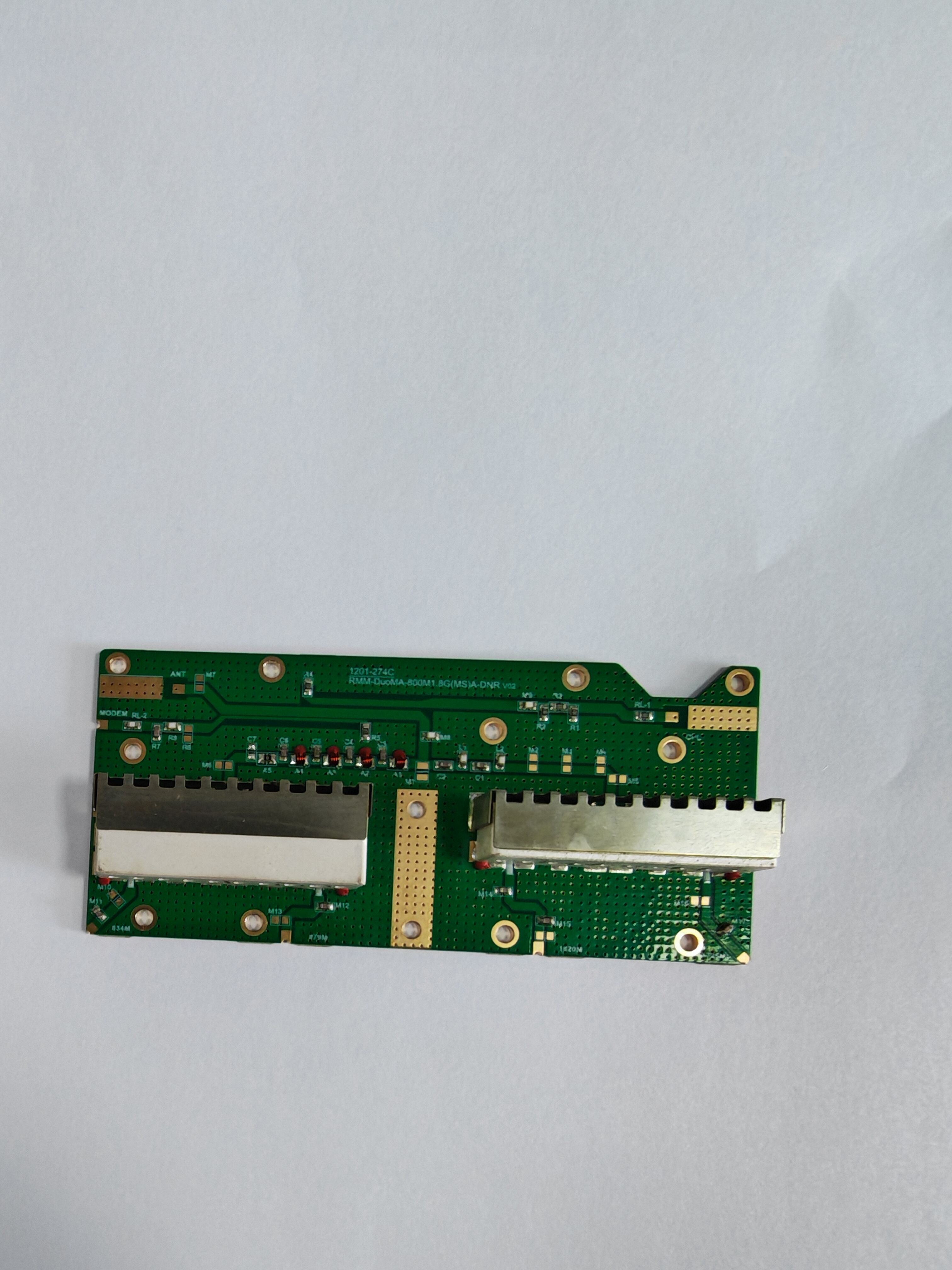
The telecommunications industry continues to evolve rapidly, driven by the increasing demand for high-frequency applications and advanced wireless technologies. As 5G networks expand globally and satellite communications become more sophisticated, the need for precision filtering solutions has never been greater. Microwave dielectric ceramic filters represent a critical component in this technological landscape, offering superior performance characteristics that enable reliable signal processing across various frequency bands. These specialized components are essential for maintaining signal integrity in complex RF systems, supporting everything from base station infrastructure to aerospace applications.
Market Overview and Growth Drivers
Current Market Landscape
The global market for advanced filtering solutions in microwave applications has experienced substantial growth throughout 2024, with projections indicating continued expansion into 2025. Industry analysts report that the increasing deployment of 5G infrastructure has created unprecedented demand for high-performance filtering components. The market encompasses various sectors, including telecommunications, aerospace, defense, and automotive industries, each requiring specialized solutions tailored to their unique operational requirements.
Regional market dynamics vary significantly, with Asia-Pacific leading in manufacturing capacity while North America and Europe drive innovation through research and development initiatives. The competitive landscape features both established players and emerging manufacturers, creating a diverse ecosystem that fosters technological advancement and competitive pricing strategies.
Key Growth Factors
Several fundamental factors contribute to the robust growth trajectory observed in this specialized market segment. The proliferation of Internet of Things devices requires enhanced connectivity solutions that can operate efficiently across multiple frequency bands simultaneously. Additionally, the aerospace sector's increasing reliance on satellite communications for both commercial and defense applications has created sustained demand for high-reliability filtering solutions.
Automotive industry transformation toward connected and autonomous vehicles represents another significant growth driver. Modern vehicles incorporate numerous wireless communication systems that require precise frequency management to prevent interference and ensure reliable operation. This trend is expected to accelerate as automotive manufacturers integrate more sophisticated electronic systems into their vehicle platforms.
Technology Advantages and Applications
Superior Performance Characteristics
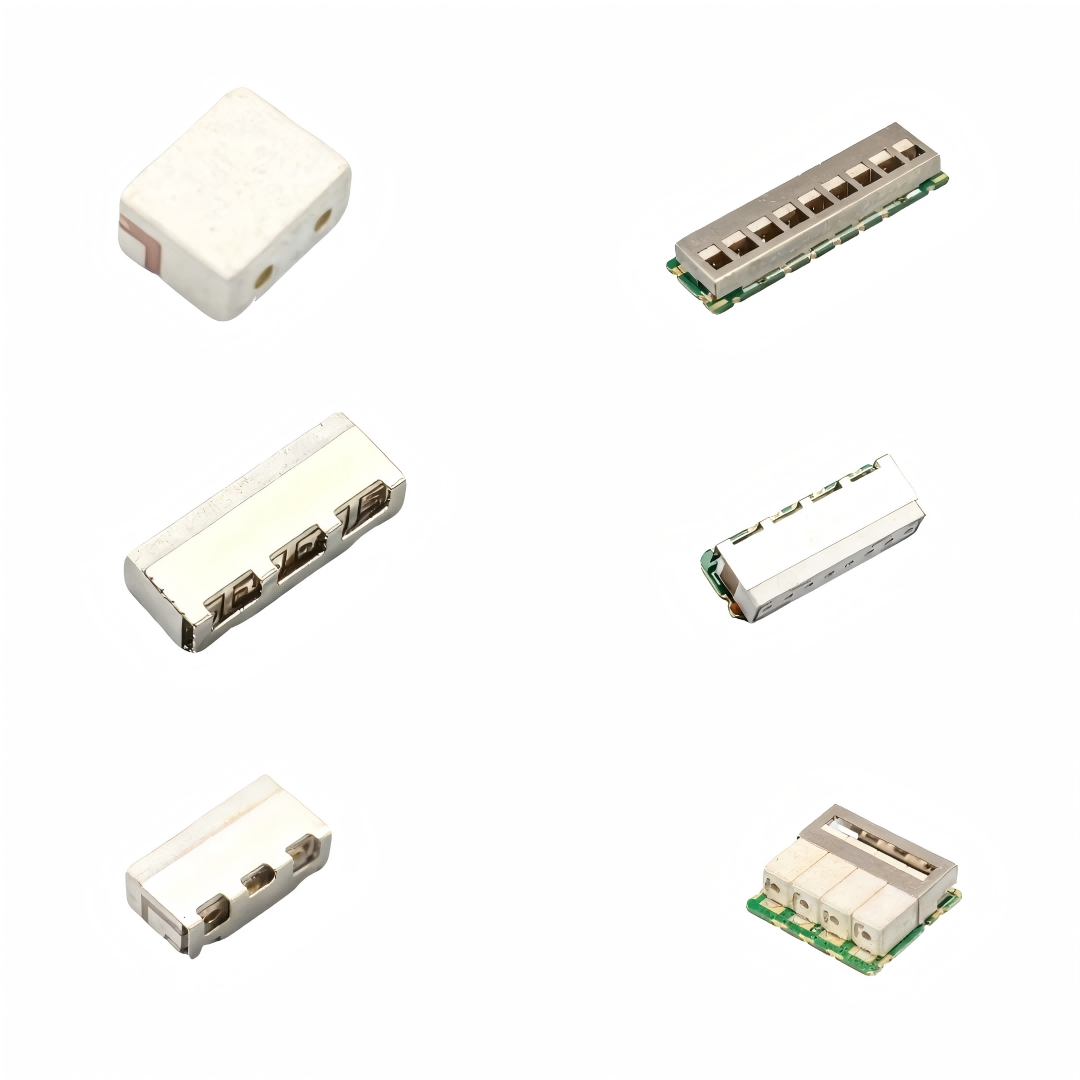
Ceramic-based filtering solutions offer distinct advantages over traditional metallic alternatives, particularly in high-frequency applications where performance requirements are demanding. These components demonstrate exceptional temperature stability, low insertion loss, and high power handling capabilities that make them ideal for mission-critical applications. The dielectric properties of ceramic materials enable compact design configurations while maintaining excellent electrical performance across wide frequency ranges.
Manufacturing precision has improved significantly in recent years, allowing for tighter tolerance control and more consistent performance characteristics. Advanced ceramic formulations provide enhanced Q-factors and improved selectivity, enabling system designers to achieve superior filtering performance in increasingly compact form factors. These improvements directly translate to better system performance and reduced overall component costs.
Industry Applications
Telecommunications infrastructure represents the largest application segment, where these filtering components play crucial roles in base station equipment, repeaters, and network infrastructure hardware. The demanding environmental conditions and performance requirements of telecommunications equipment make ceramic-based solutions particularly valuable. Their ability to maintain stable performance across temperature variations and power levels ensures reliable network operation.
Aerospace and defense applications require components that can withstand extreme environmental conditions while delivering consistent performance. Satellite communication systems, radar equipment, and electronic warfare systems all rely on high-performance filtering solutions to maintain operational effectiveness. The reliability and durability of ceramic-based components make them preferred choices for these demanding applications where failure is not acceptable.
Manufacturing and Quality Considerations
Production Processes
Modern manufacturing techniques for ceramic filtering components have evolved to incorporate advanced automation and precision control systems. The production process begins with carefully formulated ceramic powders that are shaped using specialized molding techniques. Sintering processes require precise temperature and atmosphere control to achieve optimal dielectric properties and mechanical strength characteristics.
Quality control measures throughout the manufacturing process ensure consistent performance and reliability. Each production batch undergoes comprehensive testing to verify electrical performance, mechanical integrity, and environmental resistance. Advanced measurement equipment enables manufacturers to maintain tight tolerances and identify potential issues before components reach end customers.
Quality Assurance Standards
Industry standards governing ceramic filtering components continue to evolve as applications become more demanding and performance requirements increase. International standards organizations work closely with manufacturers and end users to develop testing protocols that accurately reflect real-world operating conditions. Compliance with these standards ensures component reliability and facilitates integration into complex systems.
Traceability requirements have become increasingly important as supply chain management practices evolve. Manufacturers implement comprehensive documentation systems that track materials, processes, and test results throughout the production cycle. This approach enables rapid response to quality issues and supports continuous improvement initiatives that drive long-term performance enhancements.
Market Trends and Future Outlook
Emerging Technologies
The integration of artificial intelligence and machine learning technologies into RF system design is creating new opportunities for advanced filtering solutions. Smart antenna systems and adaptive beamforming technologies require filtering components that can dynamically adjust their characteristics based on operating conditions. This trend is driving development of next-generation ceramic materials with enhanced tunability and control capabilities.
Miniaturization continues to be a dominant trend across all application segments. System designers seek components that deliver maximum performance in minimal space, driving innovation in ceramic formulations and manufacturing techniques. Three-dimensional integration approaches and advanced packaging technologies enable more compact system designs while maintaining or improving electrical performance.
Market Projections
Industry forecasts for 2025 indicate continued strong growth across all major application segments. The telecommunications sector is expected to remain the largest market driver, fueled by ongoing 5G deployment and the early stages of 6G research and development. Automotive applications are projected to experience the highest growth rates as vehicle electrification and automation trends accelerate.
Supply chain considerations will play an increasingly important role in market dynamics. Manufacturers are investing in production capacity expansion and geographic diversification to meet growing demand while reducing supply chain risks. Strategic partnerships between ceramic material suppliers and filtering component manufacturers are becoming more common as companies seek to optimize their competitive positions.
Competitive Landscape Analysis
Market Leaders
The competitive environment features several established players who have built strong market positions through sustained investment in research and development. These companies typically offer comprehensive product portfolios that serve multiple application segments and provide complete solutions including design support and technical services. Their success stems from deep technical expertise and strong relationships with key customers in target markets.
Innovation capabilities remain a key differentiator among leading companies. Those with strong research and development programs consistently introduce new products that address evolving customer requirements and emerging applications. Patent portfolios and proprietary manufacturing processes provide competitive advantages that support premium pricing and market share growth.
Emerging Players
New entrants to the market often focus on specialized applications or geographic regions where they can establish competitive advantages. These companies frequently leverage advanced manufacturing technologies or unique ceramic formulations to differentiate their offerings. Success in this competitive environment requires significant technical expertise and sufficient capital resources to support product development and market entry activities.
Strategic partnerships and acquisition activities are common as companies seek to expand their capabilities and market reach. Collaboration between established players and emerging companies often results in accelerated innovation and improved market access for all parties involved. These relationships are particularly important in developing markets where local presence and relationships are critical success factors.
Regional Market Analysis
Asia-Pacific Region
The Asia-Pacific region maintains its position as the dominant manufacturing hub for ceramic filtering components, driven by established supply chains and cost-competitive production capabilities. Major manufacturing centers in China, Japan, and South Korea continue to expand capacity to meet growing global demand. Government support for 5G infrastructure development and domestic technology companies provides additional growth impetus.
Innovation activities in the region are increasing as local companies invest in research and development capabilities. Universities and research institutions collaborate with industry partners to advance ceramic material science and manufacturing technologies. This investment is creating a more competitive landscape and driving technological advancement across the entire supply chain.
North American and European Markets
North American and European markets are characterized by strong demand from aerospace, defense, and telecommunications sectors. These regions typically require components with the highest performance specifications and strictest quality requirements. End customers often prioritize reliability and technical support over cost considerations, creating opportunities for premium product offerings.
Regulatory requirements and security considerations influence purchasing decisions in these markets. Domestic sourcing preferences for defense and critical infrastructure applications create opportunities for local manufacturers despite higher production costs. Investment in local production capabilities and technical support infrastructure is essential for success in these demanding markets.
FAQ
What factors determine the performance of ceramic filtering components in microwave applications
Performance characteristics depend on several key factors including ceramic material composition, manufacturing precision, and design optimization. The dielectric constant and loss tangent of the ceramic material directly impact filtering performance, while manufacturing tolerances affect consistency and repeatability. Temperature stability and power handling capabilities are determined by ceramic formulation and processing parameters. Proper design optimization ensures optimal performance across the intended frequency range while minimizing insertion loss and maximizing selectivity.
How do environmental conditions affect the reliability of ceramic filtering components
Environmental factors such as temperature, humidity, and vibration can significantly impact component performance and longevity. High-quality ceramic materials demonstrate excellent stability across wide temperature ranges, but extreme conditions may still cause performance variations. Moisture absorption can affect dielectric properties, making proper packaging and sealing critical for outdoor applications. Mechanical stress from vibration or thermal cycling may cause performance degradation over time, requiring careful mechanical design and mounting considerations.
What are the key considerations when selecting filtering components for 5G applications
5G applications require filtering components that can operate effectively across multiple frequency bands while maintaining low insertion loss and high selectivity. Power handling requirements are typically higher than previous generation systems, necessitating robust component designs. Linearity characteristics become critical as signal complexity increases, requiring components with excellent intermodulation performance. Size constraints in modern equipment designs favor compact solutions that maintain high performance levels despite reduced physical dimensions.
How do supply chain considerations impact component selection and availability
Supply chain stability has become increasingly important as global manufacturing networks face various disruptions. Lead times for specialized ceramic components can vary significantly based on production capacity and demand fluctuations. Geographic diversification of supply sources helps mitigate risks but may require qualification of multiple suppliers. Long-term supply agreements and strategic partnerships provide better supply security but may limit flexibility in component selection. Early engagement with suppliers during the design phase enables better planning and reduces potential supply chain risks.
Table of Contents
- Market Overview and Growth Drivers
- Technology Advantages and Applications
- Manufacturing and Quality Considerations
- Market Trends and Future Outlook
- Competitive Landscape Analysis
- Regional Market Analysis
-
FAQ
- What factors determine the performance of ceramic filtering components in microwave applications
- How do environmental conditions affect the reliability of ceramic filtering components
- What are the key considerations when selecting filtering components for 5G applications
- How do supply chain considerations impact component selection and availability