
 EN
EN
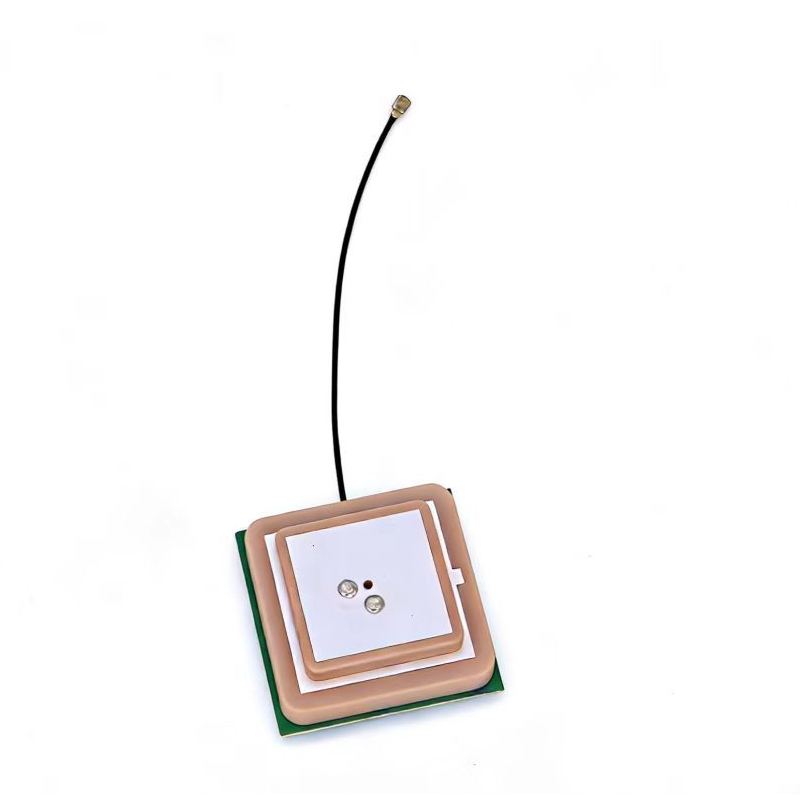
Introduction to Microwave Ceramic Antennas
The telecommunications industry continues to evolve at an unprecedented pace, driven by increasing demand for high-frequency communication systems and advanced wireless technologies. Among the critical components enabling this transformation is the microwave ceramic antenna, which has emerged as a cornerstone technology for modern communication infrastructure. These sophisticated devices combine the exceptional dielectric properties of ceramic materials with precise engineering to deliver superior performance in microwave frequency applications. As industries ranging from aerospace to automotive embrace next-generation connectivity solutions, understanding the market dynamics and technological advancements surrounding microwave ceramic antenna systems becomes increasingly vital for stakeholders across the telecommunications ecosystem.

Market Growth Drivers and Industry Dynamics
Rising Demand for High-Frequency Communication Systems
The global expansion of 5G networks has fundamentally altered the landscape for microwave ceramic antenna applications, creating unprecedented opportunities for manufacturers and technology providers. These advanced communication systems require components capable of operating efficiently at millimeter-wave frequencies, where traditional antenna technologies often fall short. The superior dielectric properties inherent in ceramic materials enable microwave ceramic antenna designs to maintain consistent performance across challenging frequency ranges while minimizing signal loss and interference. Telecommunications infrastructure providers increasingly recognize that ceramic-based antenna solutions offer the reliability and precision necessary for next-generation network deployments.
Aerospace and defense applications represent another significant growth driver for the microwave ceramic antenna market, as these sectors demand components capable of withstanding extreme environmental conditions while delivering exceptional performance. Military communication systems, satellite networks, and radar applications rely heavily on the stability and durability that ceramic antenna technologies provide. The inherent resistance of ceramic materials to temperature fluctuations, moisture, and electromagnetic interference makes them ideal for mission-critical applications where failure is not an option. This expanding application base continues to drive innovation and investment in microwave ceramic antenna development.
Technological Advancements Shaping Market Evolution
Recent breakthroughs in ceramic material science have enabled the development of microwave ceramic antenna designs with enhanced performance characteristics and reduced manufacturing costs. Advanced ceramic compositions now offer improved dielectric constants and loss tangents, allowing engineers to create more compact and efficient antenna systems. These technological improvements have made ceramic-based solutions increasingly competitive with traditional antenna technologies while offering superior performance in demanding applications. The integration of advanced manufacturing techniques, including precision molding and automated assembly processes, has further enhanced the commercial viability of microwave ceramic antenna products.
The emergence of smart manufacturing technologies and Industry 4.0 principles has also transformed how microwave ceramic antenna systems are produced and deployed. Automated quality control systems ensure consistent performance across production runs, while advanced simulation tools enable engineers to optimize antenna designs before physical prototyping. These technological advancements have significantly reduced development timelines and manufacturing costs, making ceramic antenna solutions more accessible to a broader range of applications and market segments.
Applications Across Industries and Sectors
Telecommunications Infrastructure and Wireless Networks
The telecommunications sector represents the largest market segment for microwave ceramic antenna applications, driven by the ongoing deployment of advanced wireless networks and infrastructure upgrades. Base station equipment, small cell installations, and distributed antenna systems increasingly incorporate ceramic-based components to ensure reliable signal transmission and reception. The exceptional frequency stability and low loss characteristics of microwave ceramic antenna systems make them particularly well-suited for dense urban environments where signal interference and multipath effects pose significant challenges.
Mobile device manufacturers have also begun incorporating microwave ceramic antenna technology into smartphones, tablets, and IoT devices to improve connectivity and reduce power consumption. The compact form factor achievable with ceramic materials allows designers to integrate high-performance antennas into increasingly miniaturized devices without compromising functionality. This trend toward device miniaturization while maintaining or improving performance continues to drive demand for advanced ceramic antenna solutions across the consumer electronics market.
Automotive and Transportation Systems
The automotive industry has emerged as a rapidly growing market for microwave ceramic antenna applications, particularly as vehicles become increasingly connected and autonomous. Advanced driver assistance systems, vehicle-to-vehicle communication networks, and satellite navigation systems all rely on high-performance antenna technologies to function effectively. The harsh operating environment within automotive applications, including temperature extremes, vibration, and electromagnetic interference, makes ceramic-based antenna solutions particularly attractive for vehicle manufacturers. These robust components can maintain consistent performance throughout the vehicle's operational lifetime while withstanding the demanding conditions encountered in automotive applications.
Electric and hybrid vehicles present additional opportunities for microwave ceramic antenna deployment, as these platforms require sophisticated communication systems for battery management, charging infrastructure integration, and remote monitoring capabilities. The electromagnetic compatibility characteristics of ceramic materials help minimize interference with sensitive electronic systems while ensuring reliable communication performance. As the automotive industry continues its transition toward electrification and automation, demand for advanced antenna technologies, including microwave ceramic antenna systems, is expected to grow substantially.
Regional Market Analysis and Geographic Trends
Asia-Pacific Market Leadership
The Asia-Pacific region has established itself as the dominant market for microwave ceramic antenna products, driven by massive investments in telecommunications infrastructure and the presence of leading technology manufacturers. Countries such as China, Japan, and South Korea have implemented aggressive 5G deployment strategies that require substantial quantities of advanced antenna components. The region's strong manufacturing base and established supply chains for ceramic materials provide significant advantages for microwave ceramic antenna production and distribution. Local manufacturers have developed sophisticated capabilities in ceramic material processing and antenna design, enabling them to serve both domestic and international markets effectively.
Government initiatives promoting digital transformation and smart city development across Asia-Pacific countries have further accelerated demand for microwave ceramic antenna technologies. These programs typically involve large-scale infrastructure projects that require reliable, high-performance communication systems capable of supporting diverse applications and services. The region's commitment to technological advancement and infrastructure modernization continues to create substantial opportunities for ceramic antenna manufacturers and suppliers.
North American and European Market Dynamics
North America represents a mature but growing market for microwave ceramic antenna applications, with demand driven primarily by defense, aerospace, and telecommunications sectors. The region's emphasis on advanced military communications and radar systems has created a strong market for high-performance ceramic antenna solutions. Additionally, the deployment of private 5G networks in industrial applications has generated new opportunities for specialized microwave ceramic antenna products designed for specific use cases and operating environments.
European markets have shown increasing interest in microwave ceramic antenna technologies as part of broader digital transformation initiatives and sustainability goals. The region's focus on energy-efficient communication systems and environmentally responsible manufacturing practices aligns well with the inherent advantages of ceramic-based antenna solutions. European manufacturers have invested heavily in research and development activities aimed at advancing ceramic antenna technologies while meeting stringent environmental and performance standards.
Future Technological Developments and Innovations
Advanced Material Compositions and Properties
The future of microwave ceramic antenna technology lies in the development of advanced ceramic compositions that offer enhanced performance characteristics while maintaining manufacturing feasibility. Researchers are exploring new dielectric materials with ultra-low loss tangents and highly stable dielectric constants across wide frequency ranges. These next-generation materials will enable the creation of microwave ceramic antenna designs with improved efficiency and broader bandwidth capabilities. The integration of nanomaterials and advanced processing techniques promises to further enhance the performance potential of ceramic-based antenna systems.
Additive manufacturing technologies are beginning to influence microwave ceramic antenna development, offering new possibilities for complex geometric designs and customized performance characteristics. Three-dimensional printing of ceramic materials enables the creation of intricate antenna structures that would be difficult or impossible to achieve using traditional manufacturing methods. This technological advancement opens new avenues for optimizing antenna performance while reducing production costs and development timelines.
Integration with Emerging Technologies
The convergence of microwave ceramic antenna technology with artificial intelligence and machine learning systems represents a significant opportunity for performance optimization and adaptive functionality. Smart antenna systems capable of automatically adjusting their characteristics based on operating conditions and environmental factors will become increasingly important as communication networks become more complex and dynamic. These intelligent systems will leverage the stability and reliability of ceramic materials while incorporating advanced control algorithms to optimize performance in real-time.
Quantum communication systems and terahertz frequency applications represent emerging frontiers for microwave ceramic antenna technology. As these advanced communication paradigms move from research laboratories to practical applications, the unique properties of ceramic materials will become increasingly valuable for enabling reliable operation at extreme frequencies and under demanding conditions. The development of specialized ceramic compositions optimized for these emerging applications will require continued investment in materials research and engineering development.
Market Challenges and Strategic Considerations
Manufacturing and Supply Chain Complexities
The production of high-quality microwave ceramic antenna components requires sophisticated manufacturing processes and stringent quality control measures. Ceramic material processing involves precise temperature control, atmospheric management, and careful handling to ensure consistent properties and performance characteristics. These manufacturing requirements can create challenges for scaling production to meet growing market demand while maintaining quality standards. Supply chain management becomes particularly critical when dealing with specialized ceramic materials and processing equipment that may have limited supplier bases.
Cost optimization represents an ongoing challenge for microwave ceramic antenna manufacturers, particularly when competing against alternative antenna technologies in price-sensitive applications. While ceramic-based solutions often offer superior performance characteristics, the initial investment required for manufacturing equipment and materials can be substantial. Manufacturers must carefully balance performance advantages against cost considerations to maintain competitiveness across diverse market segments and application areas.
Regulatory and Standards Compliance
The microwave ceramic antenna industry operates within a complex regulatory environment that varies significantly across different regions and application sectors. Telecommunications equipment must comply with specific standards related to electromagnetic compatibility, safety, and environmental impact. These regulatory requirements can influence design decisions and manufacturing processes while adding complexity to product development and market entry strategies. Staying current with evolving standards and regulations requires ongoing investment in compliance capabilities and technical expertise.
International trade considerations and export control regulations can also impact the global microwave ceramic antenna market, particularly for products intended for defense and aerospace applications. Manufacturers must navigate these regulatory landscapes while maintaining competitive positioning and market access across different regions. The development of region-specific product variants and compliance strategies becomes essential for companies seeking to serve global markets effectively.
Investment Opportunities and Market Outlook
Emerging Market Segments and Applications
The Internet of Things ecosystem presents substantial growth opportunities for microwave ceramic antenna applications as billions of connected devices require reliable, efficient communication capabilities. Industrial IoT deployments, smart agriculture systems, and environmental monitoring networks all benefit from the durability and performance characteristics that ceramic antenna technologies provide. These emerging applications often operate in challenging environments where traditional antenna solutions may struggle to maintain consistent performance over extended periods.
Medical device applications represent another promising market segment for microwave ceramic antenna technology, particularly as healthcare systems increasingly adopt wireless monitoring and communication technologies. The biocompatibility and stability of ceramic materials make them well-suited for medical applications where reliability and safety are paramount. The growing adoption of telemedicine and remote patient monitoring systems creates additional opportunities for specialized antenna solutions designed for healthcare environments.
Strategic Partnerships and Collaborative Development
Success in the microwave ceramic antenna market increasingly depends on strategic partnerships between material suppliers, antenna manufacturers, and end-user industries. Collaborative development programs enable companies to leverage complementary expertise while sharing the risks and costs associated with advanced technology development. These partnerships often result in innovative solutions that address specific market needs while advancing the overall state of ceramic antenna technology.
Research institutions and universities play crucial roles in advancing microwave ceramic antenna technology through fundamental research and workforce development programs. Industry partnerships with academic institutions help ensure that research efforts align with practical market needs while providing access to cutting-edge facilities and expertise. These collaborative relationships contribute to the long-term sustainability and growth of the ceramic antenna industry by fostering innovation and technical advancement.
FAQ
What are the primary advantages of microwave ceramic antenna technology over traditional antenna designs
Microwave ceramic antenna systems offer several key advantages including superior dielectric properties, excellent temperature stability, and enhanced durability under harsh environmental conditions. These characteristics enable consistent performance across wide frequency ranges while minimizing signal loss and electromagnetic interference. Additionally, ceramic materials provide excellent dimensional stability and can be precisely manufactured to achieve tight tolerances required for high-frequency applications.
How does the microwave ceramic antenna market respond to emerging 5G and 6G network requirements
The transition to 5G and future 6G networks has created substantial demand for microwave ceramic antenna solutions capable of operating efficiently at millimeter-wave frequencies. These advanced networks require components with exceptional performance characteristics and minimal signal degradation. Ceramic antenna technology addresses these requirements through superior material properties and precise engineering capabilities that enable reliable operation in next-generation communication systems.
What factors influence the cost-effectiveness of microwave ceramic antenna implementations
Cost-effectiveness in microwave ceramic antenna applications depends on various factors including performance requirements, production volumes, and lifecycle considerations. While initial material and manufacturing costs may be higher than alternative technologies, ceramic solutions often provide superior long-term value through enhanced durability, reduced maintenance requirements, and consistent performance over extended operational periods. The total cost of ownership frequently favors ceramic antenna solutions in demanding applications.
Which industries show the strongest growth potential for microwave ceramic antenna adoption
The telecommunications, automotive, aerospace, and defense sectors currently represent the largest growth opportunities for microwave ceramic antenna technology. Emerging applications in IoT deployments, medical devices, and industrial automation systems also show significant potential for ceramic antenna adoption. These industries benefit from the reliability, performance, and environmental resistance characteristics that ceramic antenna solutions provide in challenging operational environments.
Table of Contents
- Introduction to Microwave Ceramic Antennas
- Market Growth Drivers and Industry Dynamics
- Applications Across Industries and Sectors
- Regional Market Analysis and Geographic Trends
- Future Technological Developments and Innovations
- Market Challenges and Strategic Considerations
- Investment Opportunities and Market Outlook
-
FAQ
- What are the primary advantages of microwave ceramic antenna technology over traditional antenna designs
- How does the microwave ceramic antenna market respond to emerging 5G and 6G network requirements
- What factors influence the cost-effectiveness of microwave ceramic antenna implementations
- Which industries show the strongest growth potential for microwave ceramic antenna adoption