
 EN
EN
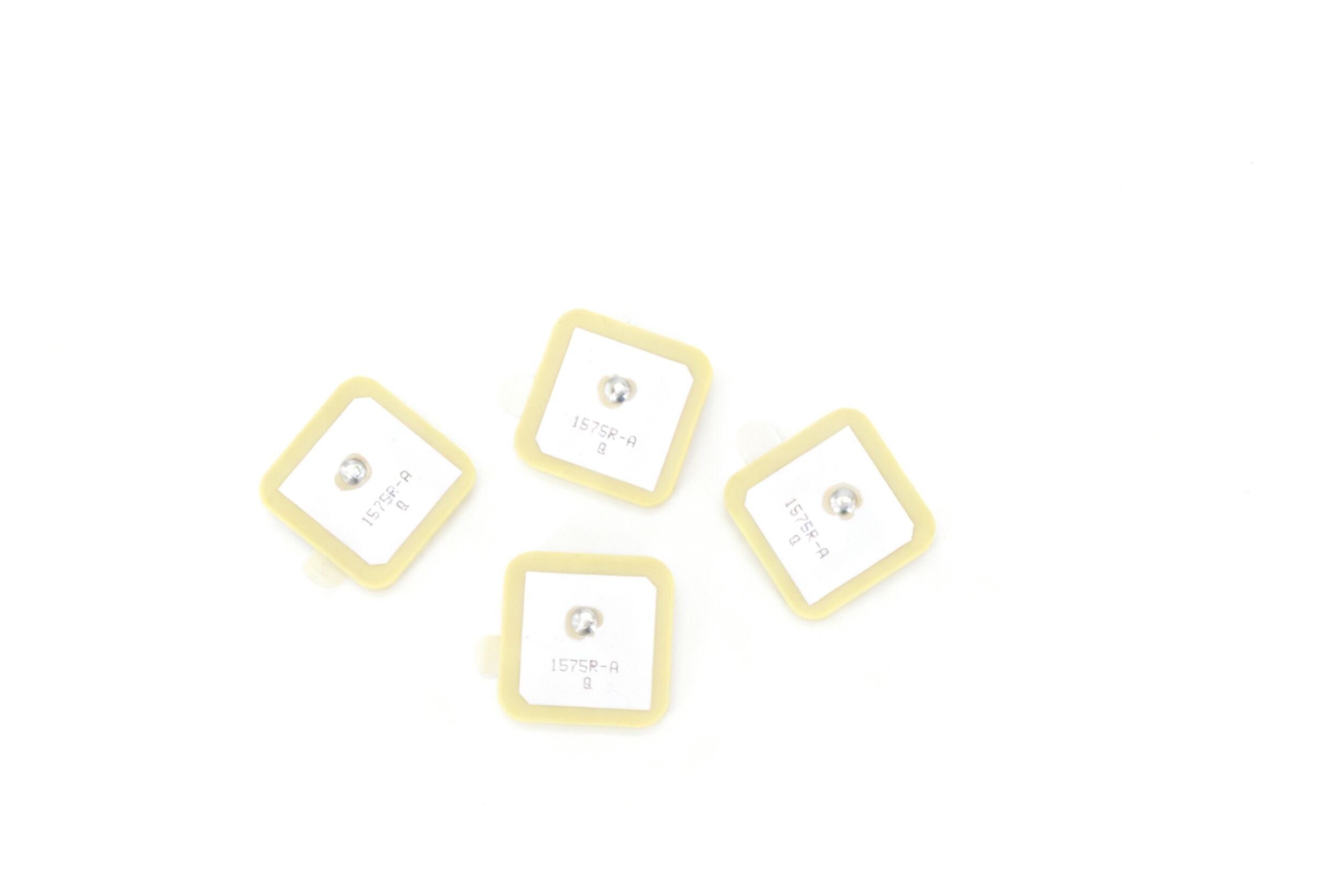
The evolution of wireless communication technology has driven significant advancements in antenna design, with microwave ceramic antenna systems emerging as critical components for modern telecommunications infrastructure. These sophisticated devices utilize advanced ceramic materials to achieve superior performance characteristics compared to traditional metallic antenna designs. As we navigate through 2025, the demand for high-frequency communication systems continues to grow, making microwave ceramic antenna technology more relevant than ever across various industries including aerospace, automotive radar, and 5G networks.

Fundamental Principles of Microwave Ceramic Antenna Design
Dielectric Properties and Material Composition
The foundation of microwave ceramic antenna technology lies in the unique dielectric properties of ceramic materials. These materials exhibit high permittivity values that enable significant size reduction while maintaining optimal electromagnetic performance. The ceramic substrates used in these antennas typically consist of barium titanate, aluminum oxide, or specialized titanium dioxide compounds that provide excellent thermal stability and low loss characteristics at microwave frequencies.
Engineers select specific ceramic compositions based on the required dielectric constant and loss tangent values for particular applications. The microwave ceramic antenna design process involves careful consideration of material parameters such as temperature coefficient of resonant frequency and quality factor to ensure consistent performance across varying environmental conditions. Advanced manufacturing techniques allow for precise control of ceramic grain structure and density, resulting in predictable electromagnetic behavior.
Electromagnetic Wave Propagation Mechanisms
Within a microwave ceramic antenna structure, electromagnetic waves propagate through the high-permittivity ceramic medium following specific modal patterns. The ceramic material effectively concentrates the electromagnetic field, allowing for compact antenna designs with enhanced directivity characteristics. This concentration effect occurs due to the significant permittivity contrast between the ceramic substrate and surrounding air medium.
The wave propagation characteristics in ceramic materials differ substantially from those in conventional antenna designs. The reduced wavelength within the high-permittivity medium enables the creation of resonant structures that are physically much smaller than their air-filled counterparts. This miniaturization advantage makes microwave ceramic antenna technology particularly valuable for space-constrained applications where traditional antenna designs would be impractical.
Manufacturing Processes and Fabrication Techniques
Advanced Ceramic Processing Methods
Modern manufacturing of microwave ceramic antenna components involves sophisticated processing techniques that ensure consistent material properties and dimensional accuracy. The fabrication process typically begins with powder preparation, where ceramic raw materials are precisely mixed and calcined to achieve the desired phase composition. Advanced milling techniques create uniform particle size distributions that contribute to consistent dielectric properties throughout the finished antenna structure.
Pressing and sintering operations require careful temperature and pressure control to achieve optimal density and minimize porosity. The sintering process for microwave ceramic antenna materials often involves multi-stage heating profiles that promote proper grain growth while preventing excessive densification that could lead to cracking. Quality control measures throughout the manufacturing process ensure that each ceramic component meets stringent electrical and mechanical specifications.
Precision Machining and Finishing Operations
Following the initial ceramic forming and sintering processes, precision machining operations create the final antenna geometry required for optimal electromagnetic performance. Diamond tooling and advanced CNC machining centers enable the creation of complex three-dimensional shapes with tight dimensional tolerances. Surface finishing operations are critical for microwave ceramic antenna performance, as surface roughness can significantly impact electromagnetic losses at high frequencies.
Metallization processes apply conductive layers to specific areas of the ceramic substrate to create the required electrical connections and ground planes. Screen printing, sputtering, or thick film deposition techniques apply metallic patterns with precise control over thickness and electrical conductivity. These metallization layers must exhibit excellent adhesion to the ceramic substrate while maintaining low electrical resistance throughout the antenna operating lifetime.
Performance Characteristics and Advantages
Frequency Response and Bandwidth Capabilities
The frequency response characteristics of microwave ceramic antenna systems offer significant advantages over conventional antenna designs, particularly in terms of bandwidth performance and frequency stability. The high quality factor achievable with ceramic materials enables sharp resonant responses that are ideal for applications requiring precise frequency selectivity. Advanced ceramic formulations can achieve quality factors exceeding 10,000 at microwave frequencies, providing exceptional frequency stability.
Bandwidth performance in microwave ceramic antenna designs can be tailored through careful selection of ceramic composition and antenna geometry. Multi-layer ceramic structures enable the creation of wideband antenna designs that maintain consistent performance across extended frequency ranges. The temperature coefficient of frequency for high-quality ceramic materials typically ranges from -10 to +10 ppm per degree Celsius, ensuring stable operation across industrial temperature ranges.
Size Reduction and Integration Benefits
One of the most significant advantages of microwave ceramic antenna technology is the substantial size reduction possible compared to air-filled antenna designs. The high permittivity of ceramic materials enables antenna miniaturization by a factor proportional to the square root of the dielectric constant. This size reduction capability makes ceramic antenna technology essential for modern mobile devices and compact communication systems.
Integration benefits extend beyond simple size reduction to include improved electromagnetic compatibility and reduced spurious radiation. The containment of electromagnetic fields within the ceramic medium reduces interaction with nearby electronic components and minimizes unwanted coupling effects. This characteristic makes microwave ceramic antenna designs particularly suitable for high-density electronic assemblies where space optimization is critical.
Applications Across Industries
Telecommunications and 5G Infrastructure
The deployment of 5G networks has created unprecedented demand for high-performance microwave ceramic antenna solutions capable of operating at millimeter-wave frequencies. These antennas enable the creation of massive MIMO arrays required for 5G base stations while maintaining compact form factors. The excellent temperature stability and low loss characteristics of ceramic materials ensure reliable performance in outdoor telecommunications infrastructure applications.
Beamforming capabilities in 5G systems benefit significantly from the precise phase control possible with microwave ceramic antenna arrays. The ability to create electronically steerable antenna patterns using ceramic-based elements provides enhanced coverage flexibility and interference mitigation capabilities. Mobile network operators increasingly rely on ceramic antenna technology to achieve the performance requirements necessary for next-generation wireless services.
Aerospace and Defense Applications
Military and aerospace applications demand microwave ceramic antenna systems that can withstand extreme environmental conditions while maintaining consistent performance. The inherent ruggedness of ceramic materials provides excellent resistance to shock, vibration, and temperature cycling commonly encountered in aerospace environments. Satellite communication systems utilize ceramic antenna technology to achieve the high gain and directivity required for reliable long-distance communication links.
Radar systems benefit from the excellent electrical properties and temperature stability of microwave ceramic antenna designs. The ability to create conformal antenna arrays using flexible ceramic substrates enables integration into aircraft structures without compromising aerodynamic performance. Defense applications increasingly rely on ceramic antenna technology for electronic warfare systems and secure communication networks that require superior electromagnetic performance.
Design Considerations and Optimization Strategies
Impedance Matching and Feed Design
Achieving optimal impedance matching in microwave ceramic antenna designs requires careful consideration of the transition between the ceramic dielectric and the feeding network. The high permittivity of ceramic materials creates significant impedance discontinuities that must be properly managed through advanced matching techniques. Tapered transitions, quarter-wave transformers, and multi-section matching networks are commonly employed to achieve broadband impedance matching.
Feed design considerations for microwave ceramic antenna systems involve optimizing the coupling between the transmission line and the radiating elements. Probe feeding, aperture coupling, and proximity coupling techniques each offer specific advantages depending on the antenna configuration and performance requirements. The choice of feeding method significantly impacts the antenna bandwidth, radiation efficiency, and manufacturing complexity.
Thermal Management and Environmental Stability
Thermal management in microwave ceramic antenna designs becomes increasingly important at higher power levels where dissipated heat can affect material properties and performance stability. Advanced thermal interface materials and heat spreading techniques help maintain uniform temperature distribution across the ceramic substrate. The coefficient of thermal expansion matching between ceramic materials and metallic components prevents stress-induced failures during temperature cycling.
Environmental stability requirements drive the selection of protective coatings and encapsulation materials for microwave ceramic antenna assemblies. Hermetic sealing techniques protect sensitive ceramic surfaces from moisture and contamination while maintaining electromagnetic transparency. Long-term reliability testing ensures that ceramic antenna performance remains stable throughout extended operational lifetimes in challenging environmental conditions.
Future Trends and Technological Developments
Advanced Material Innovations
Research and development efforts in microwave ceramic antenna technology focus on creating new ceramic compositions with enhanced properties for emerging applications. Low-temperature co-fired ceramic technologies enable the integration of passive components directly into the antenna substrate, reducing assembly complexity and improving reliability. Nanocomposite ceramic materials show promise for achieving ultra-low loss tangent values while maintaining high permittivity characteristics.
Smart ceramic materials with tunable dielectric properties represent an emerging frontier in microwave ceramic antenna design. These materials can dynamically adjust their electromagnetic properties in response to applied voltages or magnetic fields, enabling reconfigurable antenna systems with adaptive performance characteristics. The development of such materials could revolutionize antenna design by providing unprecedented flexibility in frequency and radiation pattern control.
Manufacturing Process Enhancements
Additive manufacturing techniques are beginning to impact microwave ceramic antenna production by enabling the creation of complex three-dimensional structures that would be impossible to achieve through conventional machining processes. Stereolithography and selective laser sintering of ceramic materials allow for rapid prototyping and small-volume production of custom antenna designs. These manufacturing advances reduce development time and enable cost-effective customization for specialized applications.
Automated assembly and testing processes improve the consistency and reliability of microwave ceramic antenna manufacturing while reducing production costs. Advanced quality control systems using non-destructive testing techniques ensure that each antenna meets performance specifications before shipment. The integration of artificial intelligence and machine learning algorithms into manufacturing processes enables predictive maintenance and optimization of production parameters.
FAQ
What frequency ranges are suitable for microwave ceramic antenna applications
Microwave ceramic antenna technology is particularly well-suited for frequencies ranging from 1 GHz to over 100 GHz, with optimal performance typically achieved in the 2-40 GHz range. The specific frequency capabilities depend on the ceramic material composition and antenna design configuration. Higher dielectric constant materials enable effective miniaturization at lower frequencies, while specialized low-loss ceramics perform exceptionally well at millimeter-wave frequencies used in 5G and automotive radar applications.
How do ceramic antennas compare to traditional metallic antennas in terms of efficiency
Microwave ceramic antenna designs can achieve radiation efficiencies comparable to or exceeding traditional metallic antennas, particularly when optimized for specific frequency bands. The primary advantage lies in the compact size achievable with ceramic materials, which often more than compensates for slightly higher material losses. Modern ceramic compositions with extremely low loss tangent values approach the efficiency levels of air-filled cavity antennas while providing significant size reduction benefits.
What environmental conditions can microwave ceramic antennas withstand
High-quality microwave ceramic antenna systems demonstrate excellent environmental durability, typically operating reliably across temperature ranges from -55°C to +125°C or higher. The ceramic materials exhibit superior resistance to humidity, salt spray, and UV radiation compared to many alternative antenna technologies. Proper encapsulation and protective coatings enable ceramic antennas to meet stringent military and aerospace environmental specifications including shock, vibration, and thermal cycling requirements.
Can microwave ceramic antennas be integrated with other electronic components
Integration capabilities represent a major advantage of microwave ceramic antenna technology, as passive components such as filters, baluns, and matching networks can be embedded directly within the ceramic substrate. Low-temperature co-fired ceramic processes enable the creation of complete RF front-end modules that combine antenna functionality with signal processing components. This integration approach reduces system complexity, improves reliability, and minimizes parasitic effects that can degrade performance in multi-component assemblies.
Table of Contents
- Fundamental Principles of Microwave Ceramic Antenna Design
- Manufacturing Processes and Fabrication Techniques
- Performance Characteristics and Advantages
- Applications Across Industries
- Design Considerations and Optimization Strategies
- Future Trends and Technological Developments
-
FAQ
- What frequency ranges are suitable for microwave ceramic antenna applications
- How do ceramic antennas compare to traditional metallic antennas in terms of efficiency
- What environmental conditions can microwave ceramic antennas withstand
- Can microwave ceramic antennas be integrated with other electronic components