
 EN
EN
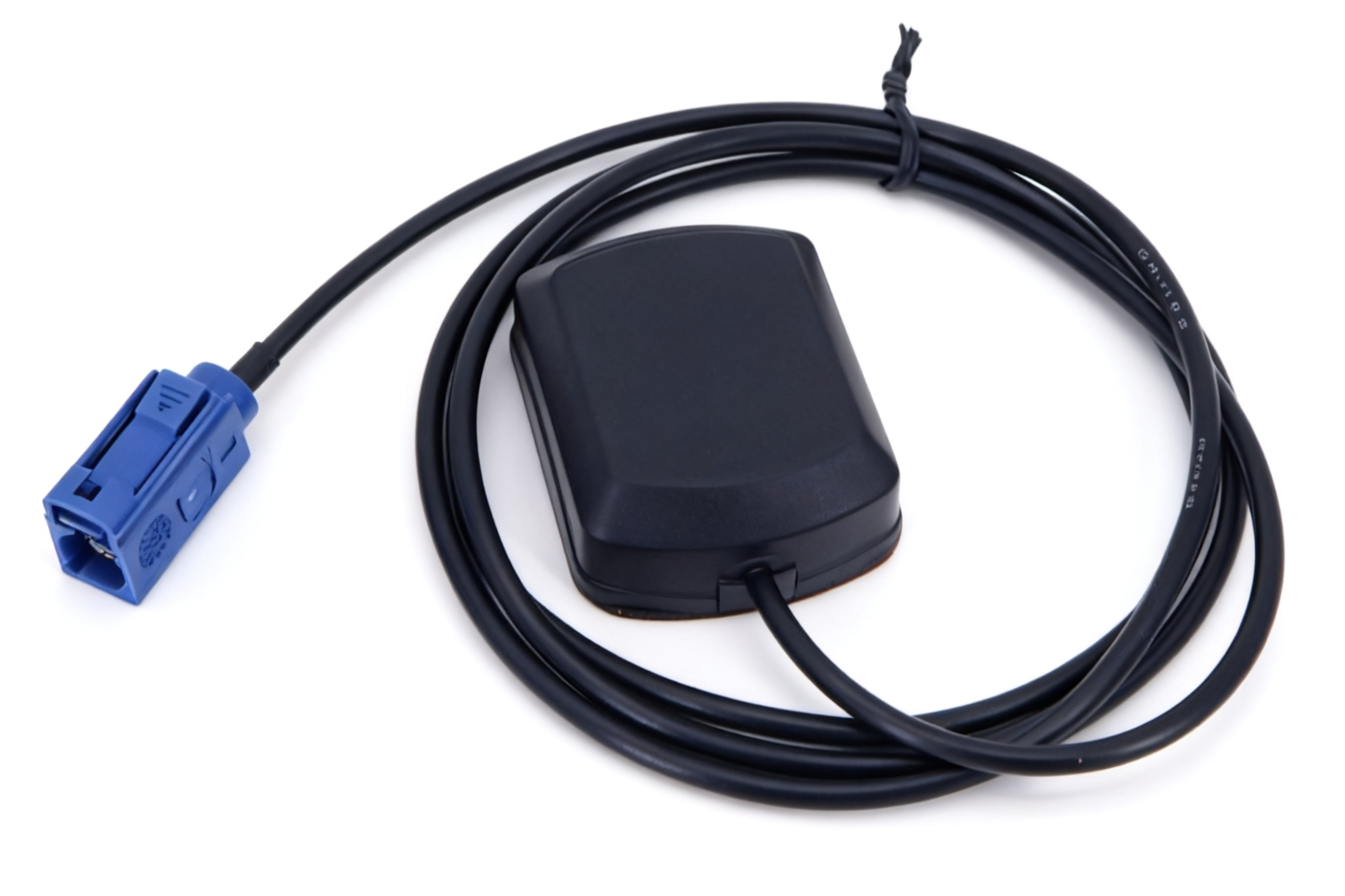
Modern positioning systems demand precision, reliability, and consistent performance across challenging environments. A dual-band GLONASS antenna represents a significant advancement in satellite navigation technology, combining multiple frequency bands to deliver superior accuracy and signal acquisition speed. Unlike single-band systems that rely on limited satellite constellations, a dual-band GLONASS antenna enables access to both GPS and GLONASS satellite networks simultaneously, dramatically improving position fix reliability and reducing time-to-first-fix in demanding applications.
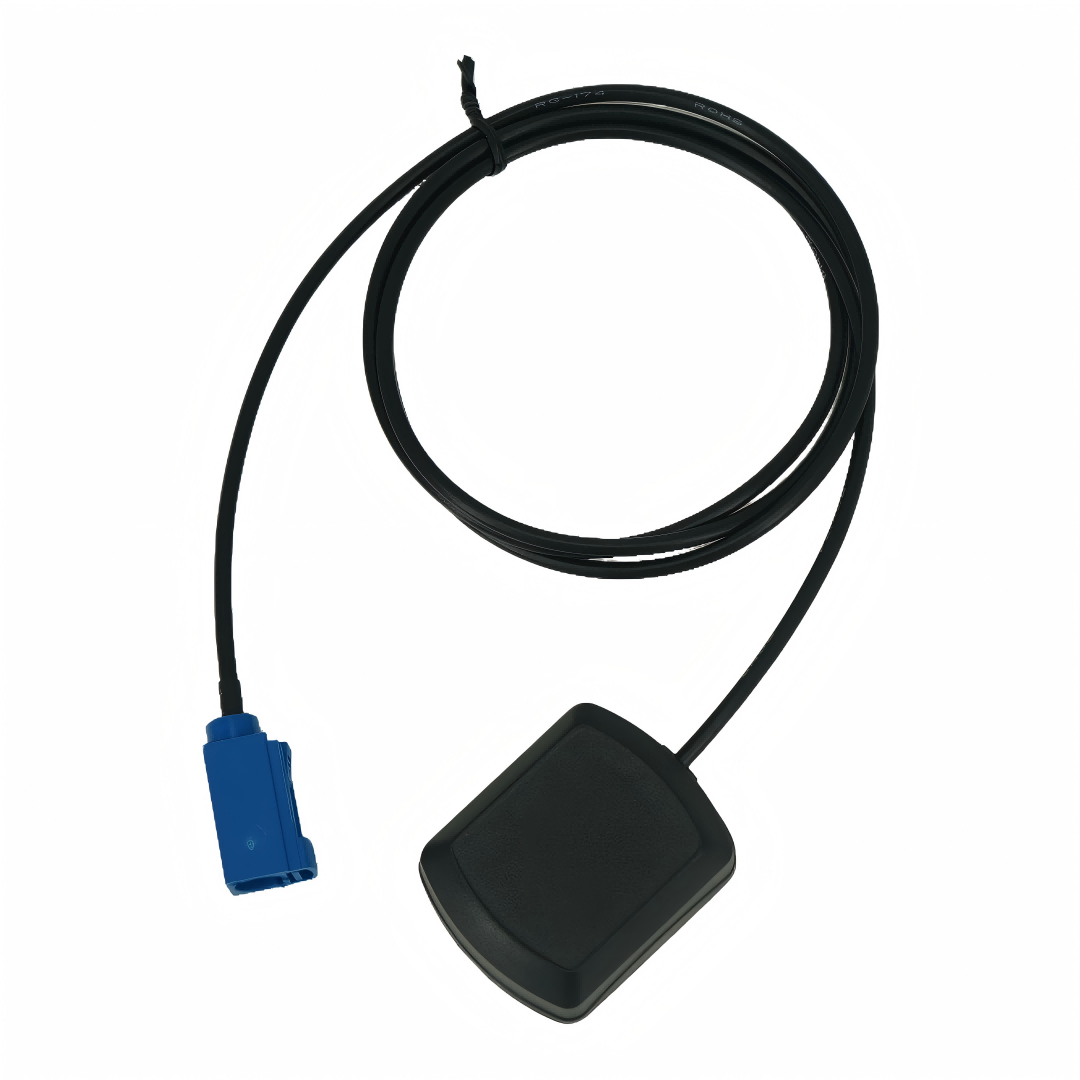
The integration of dual-band GLONASS antenna technology into positioning infrastructure represents a critical upgrade for industries requiring centimeter-level accuracy and continuous satellite lock under challenging signal conditions. By leveraging both L1 and L4 frequency bands alongside GPS L1 coverage, a dual-band GLONASS antenna effectively expands the visible satellite geometry available to receivers, reducing geometric dilution of precision and accelerating convergence time. This multi-constellation approach is particularly valuable in urban canyons, dense vegetation, and obstructed environments where traditional single-band systems struggle to maintain lock.
Why Dual-Band GLONASS Antenna Technology Enhances Positioning Performance
Multi-Constellation Signal Diversity
A dual-band GLONASS antenna combines access to the Russian GLONASS constellation with the American GPS network, creating signal diversity that dramatically improves robustness. When a dual-band GLONASS antenna receiver tracks both constellations simultaneously, it gains access to approximately 48 satellites instead of the 24-32 available from GPS alone. This expanded satellite population ensures higher elevation angles, better geometric distribution, and faster lock acquisition even when portions of the sky are obstructed. Industrial applications ranging from heavy equipment positioning to autonomous vehicle navigation depend on this redundancy to maintain operational continuity in challenging terrain.
Improved Accuracy Through Frequency Diversity
The dual-band GLONASS antenna design incorporates multiple frequency bands to counteract ionospheric delay, one of the primary sources of positioning error. By receiving signals across different frequencies simultaneously, a dual-band GLONASS antenna allows post-processing algorithms to calculate and eliminate ionospheric distortion more effectively than single-frequency systems. This capability is essential for applications requiring sub-meter or centimeter-level precision, including surveying, precision agriculture, and automated mining operations. The frequency diversity inherent to dual-band GLONASS antenna systems represents a fundamental improvement over legacy positioning infrastructure.
Implementing Dual-Band GLONASS Antenna Systems in Industrial Applications
Integration with Existing GPS Infrastructure
Installing a dual-band GLONASS antenna into operational positioning networks requires careful consideration of receiver compatibility, mounting geometry, and signal environment assessment. Most modern GNSS receivers are engineered to accept dual-band GLONASS antenna configurations without significant hardware modifications, though firmware updates may be necessary to unlock full dual-constellation tracking capabilities. The physical mounting of a dual-band GLONASS antenna must provide 360-degree sky visibility and electrical isolation from metallic structures that could degrade signal quality. Proper site surveys conducted before a dual-band GLONASS antenna installation ensure optimal performance and baseline accuracy achievement.
Deployment Strategies for Maximum Signal Acquisition
Successfully deploying a dual-band GLONASS antenna system involves strategic planning around receiver placement, antenna orientation, and signal environment characterization. When a dual-band GLONASS antenna operates near large structures, dense forests, or urban corridors, positioning accuracy depends critically on minimizing multipath interference through proper ground-plane design and separation distances. Many organizations transitioning to dual-band GLONASS antenna technology implement phased rollouts, starting with critical assets in obstructed environments where the constellation redundancy delivers the greatest performance gain. This measured approach allows teams to validate dual-band GLONASS antenna performance characteristics while training personnel on system configuration and troubleshooting protocols.
Performance Benefits and Real-World Impact of Dual-Band GLONASS Antenna Systems
Reduced Time-To-First-Fix and Continuous Lock
One of the most measurable benefits of deploying a dual-band GLONASS antenna is the dramatic reduction in time-to-first-fix, the period required for a receiver to establish its initial position solution. With a dual-band GLONASS antenna providing access to twice as many satellites, receivers can establish accurate fixes 40-60 percent faster than GPS-only systems, even from cold start conditions. This speed improvement is particularly valuable in mobile applications such as vehicle tracking or robotics, where rapid position acquisition enables faster mission initialization. The continuous signal availability enabled by dual-band GLONASS antenna architecture also minimizes position gaps that would otherwise occur during satellite transitions or obstructed periods.
Enhanced Accuracy in Challenging Environments
Positioning accuracy delivered by a dual-band GLONASS antenna system typically improves by 15-25 percent compared to single-constellation GPS receivers operating in the same environment. This enhancement becomes most pronounced in situations where satellite geometry is compromised, such as open-pit mining operations, dense urban environments, or areas with significant terrain obstacles. The redundancy provided by a dual-band GLONASS antenna ensures that even if several satellites from one constellation become temporarily unavailable, the receiver maintains sufficient satellite count to produce reliable solutions. Organizations implementing dual-band GLONASS antenna technology frequently report improved operational efficiency, reduced re-positioning attempts, and higher overall system availability across their deployed assets.
FAQ
What makes a dual-band GLONASS antenna superior to single-band GPS receivers?
A dual-band GLONASS antenna accesses both GPS and GLONASS satellite constellations simultaneously, providing nearly twice the satellite availability and dramatically improved geometric distribution. Single-band GPS receivers are limited to approximately 24-32 visible satellites, while a dual-band GLONASS antenna can track 40-48 satellites depending on sky visibility. This expanded satellite population directly translates to faster position acquisition, improved accuracy in obstructed environments, and continuous lock reliability. Additionally, the frequency diversity inherent to a dual-band GLONASS antenna design enables superior ionospheric error correction compared to single-band systems, making it the preferred choice for precision applications.
How does a dual-band GLONASS antenna reduce positioning errors in urban environments?
Urban environments present significant challenges for positioning systems due to signal blockage from buildings, signal multipath from reflections, and poor satellite geometry in confined areas. A dual-band GLONASS antenna mitigates these challenges by maintaining access to satellites from two independent constellations, ensuring that even when portions of the sky are blocked, sufficient satellites remain visible to calculate accurate positions. The dual-band GLONASS antenna's ability to leverage multiple frequency bands also enables advanced error-correction algorithms that distinguish direct signals from multipath reflections. These combined capabilities allow a dual-band GLONASS antenna to deliver positioning accuracy in urban canyons where traditional GPS-only systems would fail or require significantly longer convergence times.
What industries benefit most from implementing dual-band GLONASS antenna technology?
Industries requiring reliable, continuous positioning across challenging terrain and variable signal conditions derive the greatest benefit from dual-band GLONASS antenna deployment. Precision agriculture operations use a dual-band GLONASS antenna for autonomous equipment guidance, reducing fertilizer waste and improving yield through precise seeding and application mapping. Mining and construction companies depend on dual-band GLONASS antenna systems for asset tracking in obstructed open-pit and underground environments. Surveying and geospatial applications require the accuracy and rapid convergence that a dual-band GLONASS antenna provides, particularly for projects demanding centimeter-level precision. Emergency services, autonomous vehicle development, and marine positioning systems similarly benefit from the improved reliability and accuracy delivered by dual-band GLONASS antenna technology.