
 EN
EN
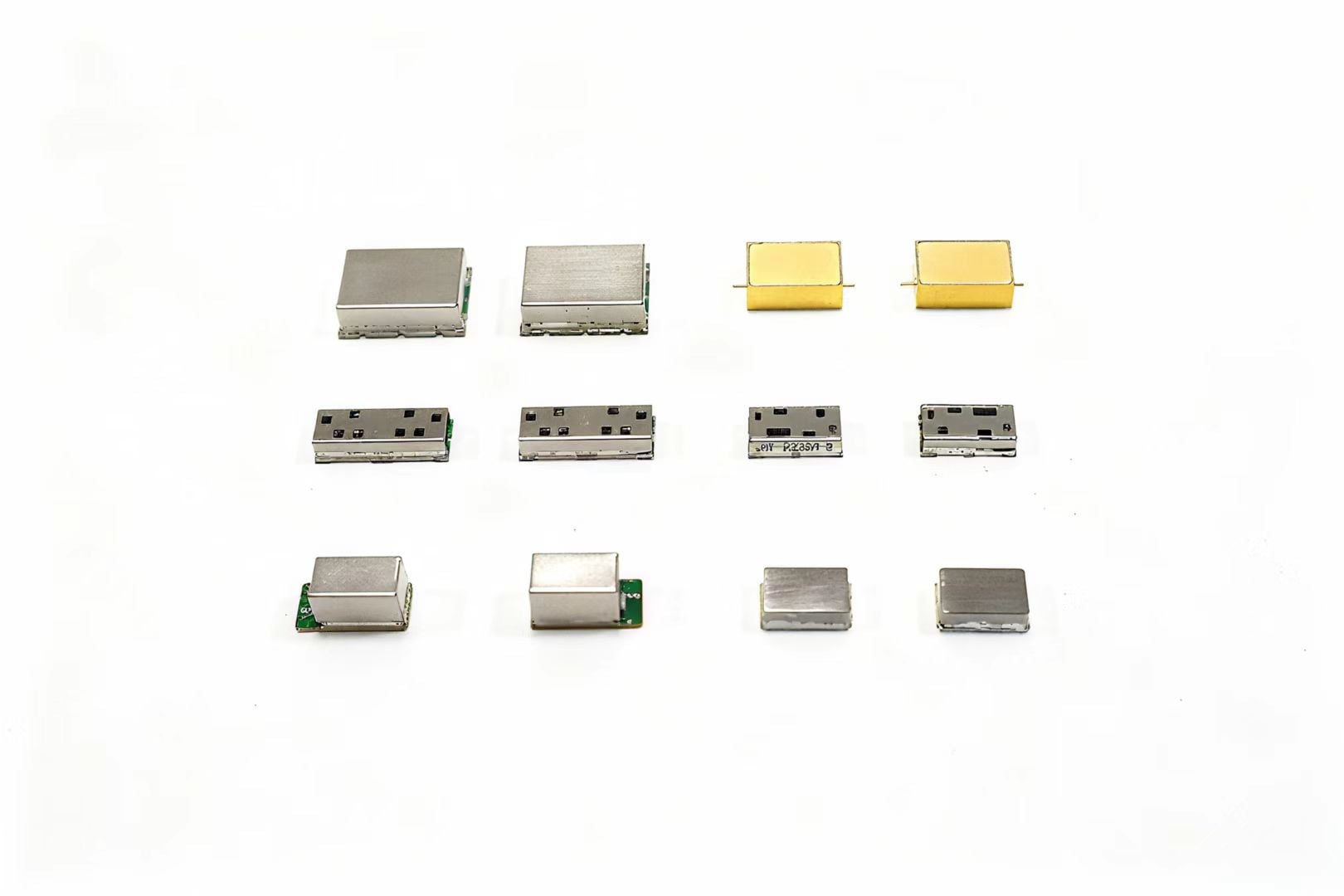
Selecting the right dual-band GLONASS antenna is critical for industries that depend on precise positioning, navigation, and timing accuracy. Whether you operate in surveying, construction, agriculture, or autonomous systems, a dual-band GLONASS antenna provides the redundancy and accuracy needed to maintain reliable satellite signal reception. Understanding the technical specifications, installation requirements, and performance characteristics of a dual-band GLONASS antenna helps you make an informed purchasing decision that aligns with your operational goals and budget constraints.
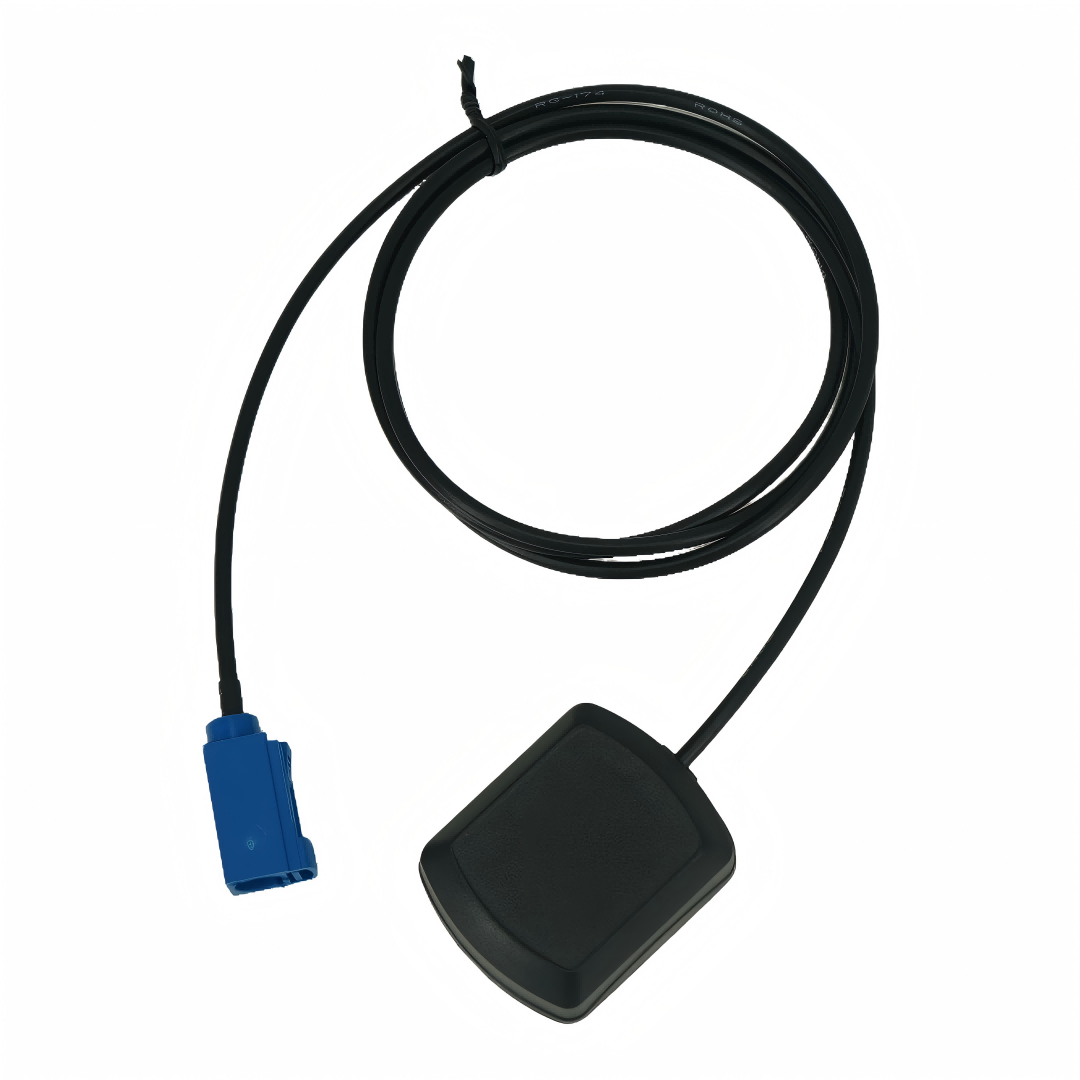
A dual-band GLONASS antenna operates across two frequency bands simultaneously, enabling superior performance compared to single-band alternatives. The dual-band GLONASS antenna captures signals from multiple GLONASS satellites across separate frequency channels, which reduces signal degradation in urban canyons, dense vegetation, and other challenging environments. This guide covers everything you need to evaluate a dual-band GLONASS antenna, from technical specifications to real-world deployment considerations.
Understanding Dual-Band GLONASS Antenna Technology
How a Dual-Band GLONASS Antenna Works
The dual-band GLONASS antenna receives signals on two distinct frequency bands to enhance position accuracy and signal robustness. Traditional single-band GLONASS systems operate on one frequency, whereas a dual-band GLONASS antenna diversifies signal reception across frequencies such as L1 and L4, or similar paired bands depending on regional regulations. This frequency diversity within a dual-band GLONASS antenna allows the receiver to perform ionospheric corrections and improve location solutions, especially when atmospheric conditions degrade signal quality.
The dual-band GLONASS antenna design incorporates specialized feed networks and matching circuits that amplify both frequency bands with equal sensitivity. Inside a dual-band GLONASS antenna, multiple radiating elements work in concert to capture signals across the operational frequency range. The performance of a dual-band GLONASS antenna depends on proper impedance matching, polarization alignment, and physical orientation relative to the satellite constellation.
Key Technical Specifications
When evaluating a dual-band GLONASS antenna, examine the gain pattern, frequency range, polarization, and noise figure specifications. The dual-band GLONASS antenna gain determines how effectively it collects weak satellite signals, typically measured in decibels (dB). A high-quality dual-band GLONASS antenna maintains consistent gain across both frequency bands, ensuring balanced performance rather than favoring one band over the other.
Polarization is another critical factor for a dual-band GLONASS antenna; most models use right-hand circular polarization to match GLONASS transmissions. The dual-band GLONASS antenna noise figure indicates how much thermal noise the device introduces into the signal chain. Lower noise figures in a dual-band GLONASS antenna mean cleaner signals reaching your receiver, which translates to better position accuracy, particularly in weak-signal scenarios.
Applications and Industry Use Cases
Surveying and Geospatial Mapping
Surveyors and geospatial professionals rely on a dual-band GLONASS antenna to achieve centimeter-level positioning accuracy across challenging terrain. The dual-band GLONASS antenna excels in areas where single-band systems struggle, such as forested regions, mountain valleys, and urban canyons with heavy signal obstruction. A dual-band GLONASS antenna enables real-time kinematic (RTK) solutions that reduce the time and cost of field surveys by providing immediate, high-precision coordinates.
Agricultural applications benefit significantly from a dual-band GLONASS antenna for precision farming operations. Farmers deploy a dual-band GLONASS antenna to guide autonomous tractors, optimize row spacing, and reduce input costs through precise field mapping. The dual-band GLONASS antenna's redundancy ensures that equipment maintains accurate positioning even when satellite visibility is temporarily compromised by weather or terrain.
Autonomous Systems and Navigation
Autonomous vehicles, drones, and robotics systems depend on the signal integrity provided by a dual-band GLONASS antenna. A dual-band GLONASS antenna complements GPS receivers by offering a second satellite constellation, which improves overall solution availability and continuity. When vehicles operate in restricted airspace or underground tunnels with periodic satellite access, a dual-band GLONASS antenna helps bridge signal gaps and maintain safe, continuous navigation.
Construction equipment operators use a dual-band GLONASS antenna to automate grading, excavation, and material placement tasks. The dual-band GLONASS antenna provides the positioning accuracy required for grade control systems that reduce rework, waste, and project delays. A dual-band GLONASS antenna integrated into machine guidance systems increases productivity while maintaining safety compliance on active job sites.
Selection Criteria and Installation Best Practices
Choosing the Right Dual-Band GLONASS Antenna
Start by assessing your operational environment to determine if a dual-band GLONASS antenna meets your accuracy and availability requirements. A dual-band GLONASS antenna is recommended for applications where single-band performance is insufficient, such as dense urban areas, forested zones, or environments with intermittent satellite access. Document the frequency bands your receiver supports to ensure compatibility; not all receivers can leverage the benefits of a dual-band GLONASS antenna.
Consider the physical size and mounting constraints of your application. A dual-band GLONASS antenna ranges from compact handheld units to roof-mounted brackets for permanent installations. The dual-band GLONASS antenna's form factor affects installation complexity and integration costs. Verify connector types, cable lengths, and power requirements for the dual-band GLONASS antenna before purchasing to avoid compatibility issues during deployment.
Installation and Maintenance
Proper installation maximizes the performance potential of a dual-band GLONASS antenna. Mount the dual-band GLONASS antenna in a location with clear sky visibility, avoiding metal obstructions, trees, and building structures that block satellite signals. The dual-band GLONASS antenna should be positioned horizontally and elevated above ground planes and reflective surfaces, which can introduce multipath errors that degrade accuracy.
Regular maintenance preserves the signal quality of a dual-band GLONASS antenna over time. Inspect the dual-band GLONASS antenna for physical damage, corrosion, and connector integrity at least quarterly. The dual-band GLONASS antenna's radome should remain clean and dry; dirt, ice, and moisture can attenuate signals and reduce the effective performance of the antenna system. Recalibrate receiver settings periodically to ensure the dual-band GLONASS antenna operates at peak efficiency.
FAQ
What is the main advantage of a dual-band GLONASS antenna over a single-band antenna?
A dual-band GLONASS antenna captures signals across two frequency bands, which reduces ionospheric errors and improves accuracy in signal-degraded environments. The dual-band GLONASS antenna provides redundancy; if one band experiences interference, the other band can maintain positioning continuity. This redundancy makes a dual-band GLONASS antenna ideal for mission-critical applications where signal availability cannot be compromised.
Can a dual-band GLONASS antenna work with GPS receivers?
A dual-band GLONASS antenna is designed specifically for GLONASS satellite signals and operates independently from GPS. However, many receivers support multi-constellation positioning, combining GPS, GLONASS, Galileo, and BeiDou signals simultaneously. To leverage both GPS and GLONASS capabilities, you need a receiver with multi-constellation support and may require separate antennas or a combined multi-band antenna. A dual-band GLONASS antenna should be paired with a compatible receiver that supports dual-band GLONASS processing.
How does multipath affect a dual-band GLONASS antenna?
Multipath occurs when signals from satellites bounce off nearby surfaces before reaching a dual-band GLONASS antenna, causing measurement errors. A dual-band GLONASS antenna with a quality choke ring or ground plane design reduces multipath sensitivity compared to basic antennas. The dual-band GLONASS antenna's dual-frequency capability provides additional tools to detect and filter multipath errors in post-processing. Proper installation away from reflective surfaces remains the primary strategy to minimize multipath effects on a dual-band GLONASS antenna.