
 EN
EN
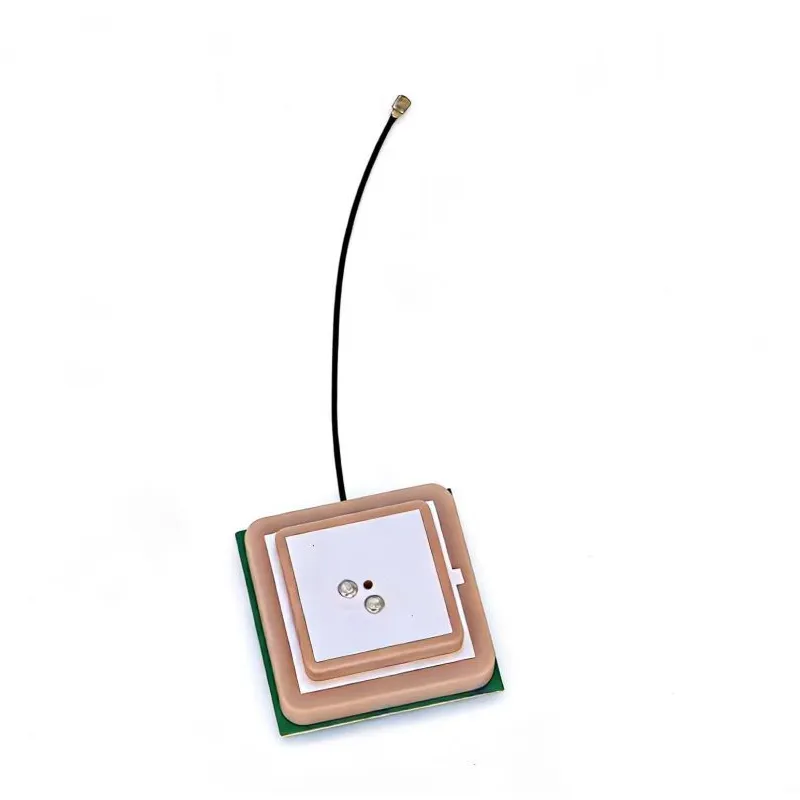
Konumlandırma projeniz için uygun GNSS antenisini seçmek, birden fazla teknik faktör ve işletme gereksinimini dikkatle değerlendirmeyi gerektirir. Otonom araçlardan hassas tarıma kadar uzanan modern uygulamalar, doğru uydu konumlandırmasına dayanır; bu nedenle GNSS antenisinin seçilmesi, sistemin performansını doğrudan etkileyen kritik bir karardır. Temel özelliklerin ve seçim kriterlerinin anlaşılması, belirli kullanım durumunuz için en iyi sonuçların elde edilmesini sağlayacaktır.
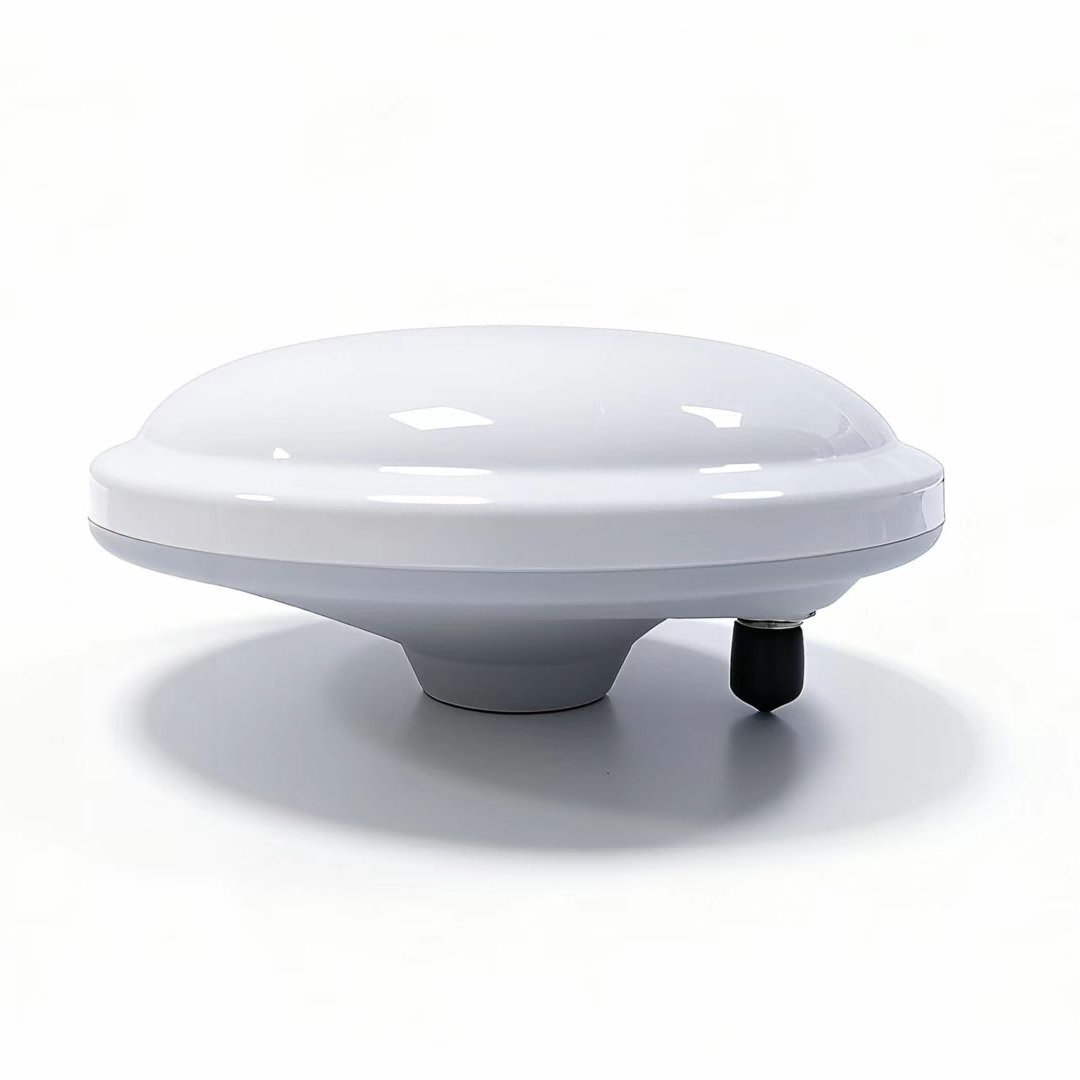
Küresel navigasyon uydusu sistemi (GNSS) yelpazesi, konum belirleme hizmeti sunan GPS, GLONASS, Galileo ve BeiDou olmak üzere birden fazla uydu takımı ile gelişmeye devam etmektedir. Her bir uydu takımı farklı frekans bantlarında çalışır ve bu nedenle L1, L2 ve L5 frekans aralıklarında sinyalleri etkili bir şekilde alabilen GNSS anten tasarımı gerektirir. Anten, uydu sinyalleri ile alıcınızın sistemi arasındaki kritik arayüz görevi görür; bu nedenle istenen konum doğruluğunu elde etmek için performans özellikleri son derece önemlidir.
GNSS Anten Temellerini Anlamak
Sinyal Alım Özellikleri
Herhangi bir GNSS anteninin birincil işlevi, Dünya'nın yaklaşık 20.000 kilometre yukarısından iletilen zayıf uydu sinyallerini yakalamaktır. Bu sinyaller çok düşük güç seviyelerinde ulaşır ve bu nedenle mükemmel hassasiyete ve düşük gürültü özelliklerine sahip antenler gerektirir. GNSS sinyallerinin dairesel polarizasyonu, sinyal gücünü maksimize etmek ve çoklu yol (multipath) girişimini en aza indirmek amacıyla sağ el dairesel polarize alım için özel olarak tasarlanmış antenlerin kullanılmasını gerektirir.
Kazanç desenleri, GNSS anteni performansının başka bir kritik yönünü oluşturur; çoğu uygulama, tüm görülebilir gök küresi boyunca uydu takibi için geniş ışın açıklığına sahip kapsama gerektirir. Anten kazancı genellikle yükseklik açısına göre değişir ve uydu sinyallerinin en güçlü olduğu tepe (zenit) açılarında daha yüksek kazanç sağlarken, daha düşük yükseklik açılarında yeterli kapsama sağlamaya devam eder. Bu özellik, uyduların yörünge yolları boyunca hareket ettikçe tutarlı takip performansının sağlanmasını garanti eder.
Frekans Bandı Dikkat Edilmesi Gerekenler
Modern GNSS anten tasarımları, çeşitli uydu takımlarını desteklemek ve gelişmiş konum belirleme tekniklerini etkinleştirmek için çoklu frekans bantlarını barındırmalıdır. L1 bandında çalışan tek frekanslı antenler, birçok ticari uygulama için uygun temel konum belirleme yetenekleri sağlarken, L1 ve L2 bantlarını kapsayan çift frekanslı antenler, iyonosferik hata düzeltmesi aracılığıyla daha doğru konum belirleme imkânı sunar. Üçlü frekanslı antenler ise talep edilen uygulamalarda artırılmış doğruluk ve güvenilirlik sağlamak amacıyla L5 bandı desteğini de ekler.
Seçtiğiniz GNSS anteninin frekans tepkisi özellikleri, doğrudan konum belirleme doğruluğunu ve yakınsama süresini etkiler. Daha geniş frekans kapsamı, birden fazla uydu takımıdan aynı anda sinyal almayı mümkün kılar; bu da uydu kullanılabilirliğini artırır ve konum doğruluğunu bozan geometrik kesinlik azalmasını iyileştirir. Bu çoklu uydu takımı özelliği, uydu görünürlüğünün engeller veya girişim nedeniyle sınırlı olabileceği zorlu ortamlarda özellikle değerlidir.
Fiziksel Tasarım ve Çevresel Faktörler
Form Faktörü Seçimi
GNSS anteninizin fiziksel boyutları ve montaj gereksinimleri, belirli uygulamanızın kısıtlamalarıyla uyumlu olmalıdır. Kompakt seramik yama antenleri, sınırlı alanlara kurulumda mükemmel performans gösterirken iyi çok yolculuk (multipath) reddetme özelliklerine sahiptir. Bu antenler genellikle 25 mm ile 60 mm kare arasında ölçer ve elde tutulan cihazlar, IoT uygulamaları ve boyut kısıtlamalarının öncelikli olduğu gömülü sistemler için uygundur.
Daha büyük helis veya spiral antenler, daha yüksek kazanç ve daha iyi faz merkezi kararlılığı gibi üstün performans özelliklerine sahiptir; bu nedenle santimetre düzeyinde doğruluk gerektiren ölçüm sınıfı uygulamalar için idealdir. Artan fiziksel boyut, sinyal alımını artıran ve ölçüm hatalarını azaltan daha gelişmiş anten elemanları ile toprak düzlemi tasarımlarına olanak tanır. Farklı biçim faktörlerini değerlendirirken mevcut montaj alanı ve mekanik kısıtlamaları göz önünde bulundurun.
Çevre Koruma Gereksinimleri
Dış mekânda yapılan kurulumlar, sıcaklık uç değerlerine, nemliliğe, UV ışınlarına ve mekanik streslere dayanabilmesi için uygun çevre koruma derecelendirmelerine sahip GNSS anteni tasarımları gerektirir. IP67 veya IP68 derecelendirmeli muhafazalar, çoğu dış mekân uygulaması için yeterli korumayı sağlar ve zorlu hava koşullarında güvenilir çalışma imkânı sunar. Anten radom malzemesi, GNSS frekanslarına şeffaf kalırken etkili bir çevre koruması sağlamalıdır.
İşletim sıcaklığı aralıkları, tüketici sınıfı ve profesyonel GNSS anten modelleri arasında önemli ölçüde değişir; endüstriyel uygulamalar genellikle -40°C ila +85°C veya daha yüksek sıcaklıklarda çalışmayı gerektirir. Sıcaklık kaynaklı değişimlerin konumlandırma hatalarına neden olabileceği hassas uygulamalarda, anten faz merkezinin termal kararlılığı giderek daha önemli hâle gelir. Aşırı sıcaklık ortamlarında çalışırken, belgelenmiş termal performans özelliklerine sahip antenleri seçin.
Performans Özellikleri ve Doğruluk Gereksinimleri
Faz Merkezi Kararlılığı
Faz merkezi, uydu sinyallerinin alındığı gibi görüldüğü GNSS anteninizin etkili elektriksel merkezini temsil eder. Yüksek hassasiyetli uygulamalarda, farklı yükseklik ve azimut açılarında faz merkezinin kararlılığı, konum belirleme doğruluğunu doğrudan etkiler. Ölçüm sınıfı antenler genellikle faz merkezi değişimi değerini 1-2 milimetre dahilinde belirtirken, standart ticari antenler daha büyük değişimler gösterebilir ve bu durum santimetre düzeyinde konum belirleme doğruluğunu etkileyebilir.
Yüksek doğruluk gerektiren uygulamalarda tekrarlanabilir konum belirleme doğruluğu için faz merkezi kayması ve değişim desenleri belgelenmeli ve kalibre edilmelidir. Bazı üreticiler, ürünlerinin gNSS Anteni modelleri için ayrıntılı kalibrasyon verileri sağlar; böylece yazılım aracılığıyla sistematik hatalar düzeltilebilir. Bu kalibrasyon verileri, farklı üreticilerden antenlerin birleştirilmesi veya mutlak konum belirleme doğruluğu gereksinimlerinin tipik anten spesifikasyonlarını aşması durumunda kritik öneme sahip hale gelir.
Çoklu Yansıma Reddi Yetenekleri
Çoklu yol girişimi, GNSS sinyallerinin antenin üzerine ulaşmadan önce yakın yüzeylerden yansıması sonucu oluşur ve konumlandırma hatalarına ve doğrulukta azalmaya neden olur. Etkili GNSS anten tasarımları, çoklu yol alımını en aza indirmek için toprak düzlemi yapıları ve özel eleman düzenlemelerini içerir. Çentik halka antenleri mükemmel çoklu yol reddetme özelliği sunar ancak daha büyük boyutlar gerektirir; buna karşılık kompakt tasarımlar dirençli yükleme veya özel toprak düzlemi tasarımları kullanabilir.
Seçtiğiniz GNSS anteninin çoklu yol reddetme performansı, özellikle şehir içi ortamlarda veya binalar, araçlar veya metal yapılar gibi yansıtıcı yüzeylerin yakınındaki kurulumlarda oldukça önemlidir. Nicel çoklu yol özellikleri farklı anten modellerini karşılaştırmada yardımcı olur; ancak gerçek dünya performansı, belirli kurulum ortamına ve yakındaki yansıtıcı yüzeylere büyük ölçüde bağlıdır.
Entegrasyon ve Bağlantı Seçenekleri
Aktif vs Pasif Anten Seçimi
Aktif GNSS anten tasarımları, zayıf uydu sinyallerini koaksiyel kablolar aracılığıyla alıcıya iletimden önce güçlendirmek için düşük gürültülü yükselteçler içerir. Entegre edilen yükseltme, kablo kayıplarını telafi eder ve özellikle uzun kablo hatları gerektiren kurulumlar veya daha düşük kaliteli koaksiyel kablolar kullanıldığında sistemin genel hassasiyetini artırır. Aktif antenler, DC güç ihtiyacını GNSS alıcısından veya harici bir güç kaynağından koaksiyel kablo üzerinden sağlar.
Pasif GNSS anten yapılandırmaları, entegre yükselteç olmadan yalnızca anten elemanına dayanır ve bu nedenle kablo seçimi ile sistem kazanç bütçesi konularında daha dikkatli bir yaklaşım gerektirir. Pasif tasarımlar, yükselteçle ilgili olası gürültü kaynaklarını ortadan kaldırarak güç tüketimini azaltsa da, uzun kablo hatları veya yüksek sistem kayıplarına sahip uygulamalar için yeterli sinyal seviyesi sağlamayabilir. Aktif ve pasif yapılandırmalar arasında yapılacak seçim, belirli kurulum gereksinimlerinize ve sistem mimarinize bağlıdır.
Kablo ve Konnektör Hususları
Koaksiyel kablo seçimi, GNSS anten kurulumunuzun performansını önemli ölçüde etkiler; çünkü kablo kayıpları alınan sinyal gücünü doğrudan azaltır ve konum belirleme doğruluğunu olumsuz yönde etkileyebilir. Kısa mesafeler için RG-58 veya RG-174 gibi düşük kayıplı kablolar kabul edilebilir bir performans sağlar; ancak daha uzun kurulumlarda yeterli sinyal seviyesini korumak için LMR-195 veya LMR-400 gibi daha yüksek kaliteli kablolar gerekebilir.
Konnektör tipleri ve kalitesi, hem sinyal bütünlüğünü hem de GNSS anten sisteminizin uzun vadeli güvenilirliğini etkiler. SMA konnektörleri çoğu uygulama için iyi bir performans sunarken aynı zamanda kompakt form faktörlerini korur; ancak aşırı koşullara dayanıklı ortamlar için çevresel sızdırmazlık açısından üstün özelliklere sahip TNC veya N-tipi konnektörler tercih edilebilir. Anten ve alıcı gereksinimlerine uygun konnektör özelliklerini kullanarak empedans uyumsuzluğundan kaçının; aksi takdirde sistem performansı bozulabilir.
Uygulama-Spesifik Seçim Kriterleri
Jeodezi ve Haritalama Uygulamaları
Profesyonel ölçme ve haritalama uygulamaları, genellikle olağanüstü faz merkezi kararlılığına ve çoklu yol (multipath) bastırma yeteneğine sahip ölçme sınıfı GNSS anten tasarımları gerektiren en yüksek düzeyde konum doğruluğunu talep eder. Bu uygulamalar, genellikle santimetre veya alt-santimetre düzeyinde doğruluk elde etmek için hassas taşıyıcı faz ölçümlerine dayanan gerçek zamanlı kinematik (RTK) konumlama tekniklerini kullanır; bu nedenle anten kalitesi, bu doğruluk seviyelerine ulaşmak için kritik bir faktördür.
Ölçme sınıfı GNSS antenleri için teknik özellikler, ayrıntılı kalibrasyon verilerini, belgelenmiş faz merkezi değişimlerini ve profesyonel uygulamalarda kanıtlanmış performansı içermelidir. Antenin toprak düzlemi tasarımı, farklı montaj koşulları ve yükseklik açıları boyunca tutarlı performansı korumak açısından özellikle önemlidir. Montaj esnekliği gerekiyorsa, çıkarılabilir veya ayarlanabilir toprak düzlemine sahip antenleri değerlendirin.
Araç ve Mobil Platform Entegrasyonu
Mobil uygulamalar, araç dinamiği, montaj kısıtlamaları ve değişken sinyal ortamları da dahil olmak üzere GNSS anteni seçimi için benzersiz zorluklar sunar. Otomotiv montajları, titreşime, sıcaklık değişimlerine ve hava koşullarına dayanabilen güçlü yapışkan veya mekanik sabitleme sistemleriyle donatılmış kompakt antenler gerektirir. Anten performansı, araç hareketi ve değişen yönler karşısında dahi kararlı kalmalıdır.
Denizcilik ve havacılık uygulamaları, özel çevresel derecelendirmeler ve düzenleyici onaylar da dahil olmak üzere GNSS anteni tasarımları için ek gereksinimler oluşturur. Bu uygulamalar genellikle güvenlik açısından kritik olan navigasyon sistemleri için belirli performans standartlarını ve sertifikasyon gereksinimlerini karşılayan antenler gerektirir. Anten yerleştirilmesinin diğer gemi içi sistemlere göre konumu, girişimleri en aza indirmek ve sinyal alım kalitesini optimize etmek için dikkatle değerlendirilmelidir.
Maliyet ve Performans Arasındaki Denge
Bütçe Düşünceleri
GNSS anten çözümleri için maliyet aralığı, elliden aşağısı dolarlık temel tüketici sınıfı modellerden birkaç bin dolarlık profesyonel ölçüm sınıfı antenlere kadar değişir. Belirli uygulamanızın performans gereksinimlerini anlayarak uygun bütçe parametrelerini belirleyebilir ve en maliyet etkin çözümü tanımlayabilirsiniz. Anten performansını gereğinden fazla belirtmek, ölçülebilir bir fayda sağlamadan projenin maliyetini gereğinden fazla artırır.
Toplam sahip olma maliyeti, başlangıçtaki anten satın alma fiyatını aşar ve kurulum maliyetlerini, bakım gereksinimlerini ve olası yenileme ihtiyaçlarını da içerir. Daha yüksek kaliteli GNSS anten tasarımları genellikle daha uzun ömürlülük ve daha güvenilir performans sağlar; bu da başlangıçta daha yüksek yatırım gerektirse bile uzun vadeli maliyetleri azaltabilir. Maliyet ile performans arasındaki dengeyi değerlendirirken uygulamanın yaşam döngüsü ve performans gereksinimlerini göz önünde bulundurun.
Performans Genişletilebilirliği
Uygun performans ölçeklenebilirliğine sahip GNSS anteni çözümlerinin seçilmesi, gelecekteki sistem yükseltmelerini veya değişen uygulama gereksinimlerini karşılamaya yardımcı olur. Çoklu frekans bandını destekleyen antenler, donanımın yenilenmesi gerekmeden gelişmiş konum belirleme tekniklerinin uygulanması için esneklik sağlar. Bu ileriye dönük uyumluluk, yeni uydu takımyıldızları ve geliştirilmiş hizmetlerle birlikte GNSS teknolojisinin sürekli evrim geçirmesiyle birlikte büyük önem kazanır.
Modüler anten tasarımları, tam sistem yeniden tasarımı yerine bileşen değiştirilerek performans yükseltmelerine olanak tanır. Bu yaklaşım, projenin gereksinimleri gelişirken konum doğruluğunu artırmak veya yeni özellikler eklemek için maliyet açısından etkin yollar sunar. İlk GNSS anteni seçimleri yapılırken uzun vadeli yol haritalarını ve olası yükseltme yollarını göz önünde bulundurun.
Kurulum ve En İyi Optimizasyon Uygulamaları
Site Survey and Planning
Doğru GNSS anteni kurulumu, potansiyel engelleri, girişim kaynaklarını ve en uygun montaj konumlarını belirlemek amacıyla kapsamlı bir saha incelemesiyle başlar. Gökyüzü görünürlüğü analizi, uydu kapsamının yeterli olmasını sağlamakla birlikte, konum doğruluğunu düşürebilecek olası çokyolluluk (multipath) kaynaklarının tespit edilmesine de yardımcı olur. Kurulum konumu, gökyüzünün açıkça görülebilmesini sağlarken yakın çevredeki yansıtıcı yüzeyleri ve elektromanyetik girişim kaynaklarını en aza indirmelidir.
GNSS anteni performansını en iyi düzeyde elde etmek için toprak düzlemi (ground plane) dikkate alınması özellikle önemlidir; doğru toprak düzlemi boyutlandırılması ve konumlandırılması hem kazanç desenlerini hem de çokyolluluk (multipath) bastırma yeteneğini etkiler. Metalik toprak düzlemleri, anten elemanlarından en az bir dalga boyu kadar dışarıya uzanmalıdır; ayrıca, antenin yer seviyesinden yukarıdaki kurulum yüksekliği, zemin yansıma etkilerini azaltmaya yardımcı olur. Gelecekteki başvuru ve sistem optimizasyonu amacıyla kurulum parametrelerini belgeleyin.
Sistem Entegrasyonu ve Test Edilmesi
Kapsamlı sistem testleri, GNSS anteni performansını gerçek işletme koşulları altında doğrular ve dağıtım öncesinde olası sorunları belirler. Farklı uydu yükseklikleri ve azimutlarında sinyal gücü izlemesi, anten hizalamasının ve performans özelliklerinin doğru olduğunu doğrulamaya yardımcı olur. Bilinen referans noktaları kullanılarak yapılan konum doğruluğu testi, sistemin performansını nicel olarak doğrular ve düzeltme gerektiren herhangi bir sistematik hatayı belirler.
Uzun vadeli performans izleme, GNSS anten kurulumunuzda bozulma eğilimlerini ve bakım gereksinimlerini belirlemenize yardımcı olur. Sinyal gücü analizi, konum doğruluğu doğrulaması ve donanım durumu değerlendirmesi de dahil olmak üzere düzenli sistem sağlık kontrolleri, güvenilir çalışmanın sürmesini sağlar. Gelecekteki sorun giderme ve sistem optimizasyonu çabalarını kolaylaştırmak için başlangıç kurulumu sırasında temel performans ölçümlerini oluşturun.
SSS
Tek frekanslı ve çok frekanslı GNSS anten tasarımları arasındaki fark nedir?
Tek frekanslı GNSS anten modelleri, genellikle L1 olmak üzere tek bir frekans bandında sinyal alır ve birçok ticari uygulama için uygun temel konumlandırma doğruluğu sağlar. Çok frekanslı antenler, L1, L2 ve L5 gibi birden fazla bant destekler; bu da iyonosferik hata düzeltmesi ve ek uydu takımlarına erişim yoluyla daha kesin konumlandırmayı mümkün kılar. Çok frekanslı özellik, özellikle zorlu sinyal ortamlarında daha hızlı yakınsama süreleri ve geliştirilmiş doğruluk sağlar.
Anten boyutu GNSS konumlandırma performansını nasıl etkiler?
Daha büyük GNSS anten elemanları, genellikle daha kompakt tasarımlara kıyasla daha iyi faz merkezi kararlılığı, daha yüksek kazanç ve üstün çokyolluluk (multipath) reddetme yeteneği sağlar. Ancak daha küçük antenler, sınırlı yer gereksinimi olan uygulamalarda avantaj sağlar ve en yüksek doğruluk seviyelerini gerektirmeyen uygulamalar için yeterli performans sunabilir. Optimal anten boyutu, belirli uygulamanız için performans gereksinimleri ile fiziksel kısıtlamalar ve maliyet unsurları arasında bir denge kurmaya bağlıdır.
Aynı GNSS antenini farklı uydu takımları için kullanabilir miyim?
Modern çoklu yörünge takımyıldızı GNSS anteni tasarımları, GPS, GLONASS, Galileo ve BeiDou sinyallerini aynı anda destekler ve konum belirleme doğruluğu ile güvenilirliğini artırır. Ancak daha eski anten modelleri, yeni uydu takımyıldızlarıyla uyumluluğu sınırlayan sınırlı frekans kapsama alanına sahip olabilir. Tam uyumluluk sağlamak için seçtiğiniz antenin frekans özelliklerini, hedeflediğiniz uydu sistemlerinin gereksinimleriyle karşılaştırın.
Dış mekânda kullanılan GNSS anteni kurulumları için hangi bakım işlemleri gerekir?
Dış mekânda kullanılan GNSS anteni kurulumları, performansı etkileyebilecek fiziksel hasar, konektör paslanması ve biriken kalıntılar açısından periyodik olarak denetlenmelidir. Sinyal alımını engelleyebilecek kir, buz veya diğer engelleri kaldırmak için anten radomunu düzenli aralıklarla temizleyin. Koaksiyel bağlantıların nem girişi açısından kontrol edilmesi ve özellikle şiddetli hava olayları veya mekanik stres sonrasında sabitleme donanımının sağlam kalması sağlanmalıdır.