
 EN
EN
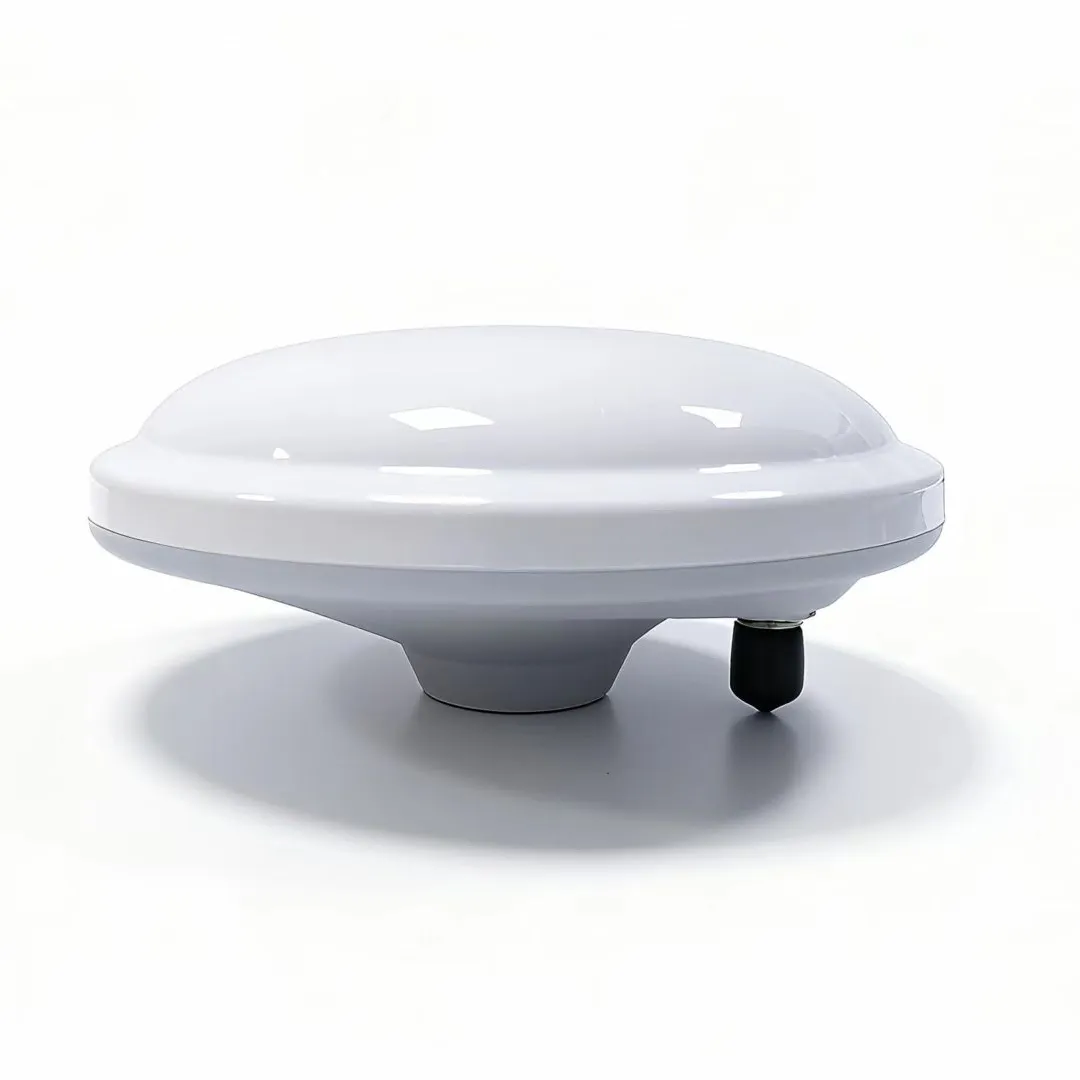
The global navigation satellite system (GNSS) technology continues to evolve rapidly, making the selection of an appropriate gnss antenna more critical than ever for precision applications. Modern positioning requirements across industries demand sophisticated antenna solutions that can deliver exceptional accuracy, reliability, and performance in challenging environments. Understanding the intricacies of gnss antenna technology enables professionals to make informed decisions that directly impact their system's overall effectiveness and measurement precision.
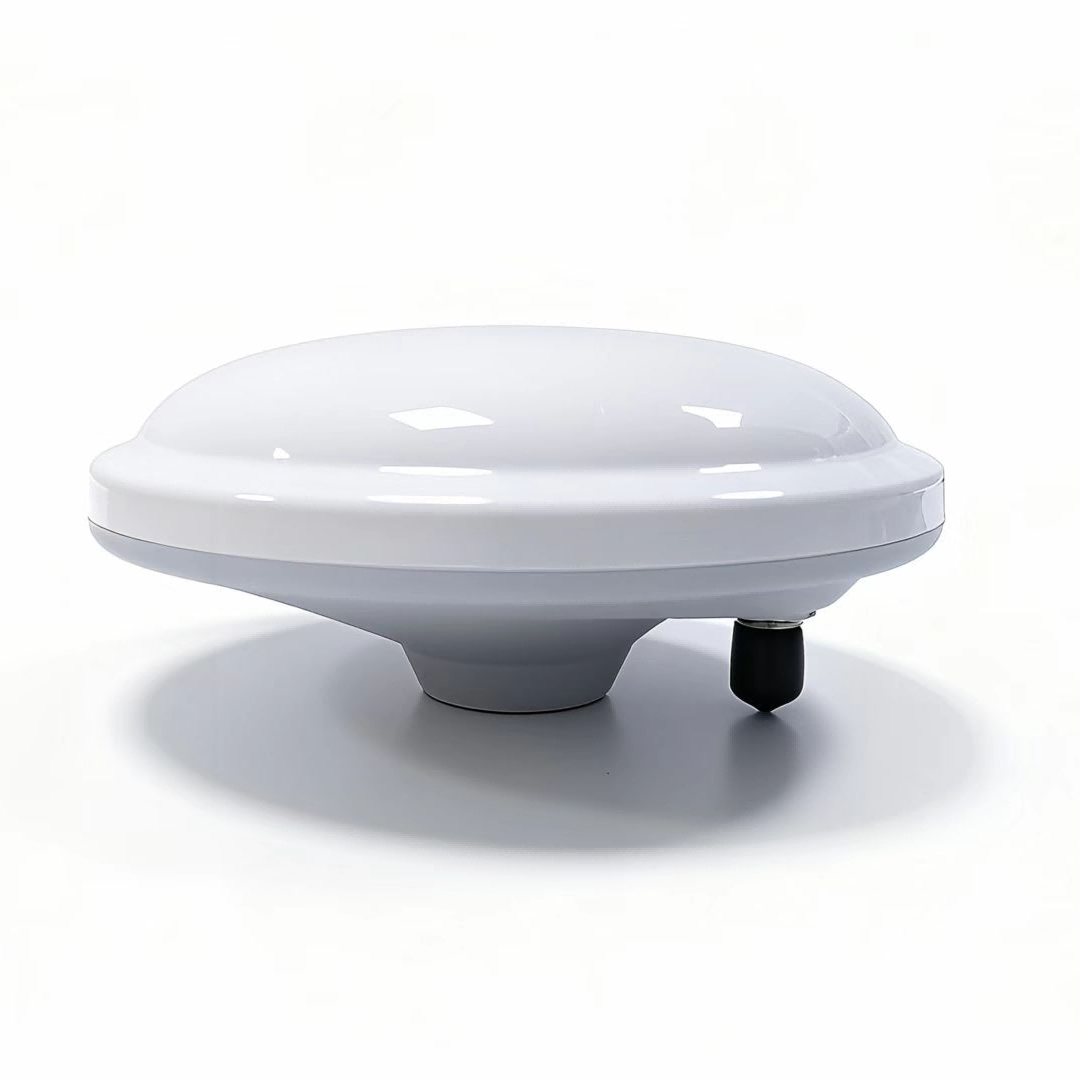
Professional applications in surveying, construction, agriculture, and autonomous systems require gnss antenna solutions that can maintain consistent signal reception across multiple satellite constellations. The advancement of multi-frequency and multi-constellation capabilities has transformed how engineers approach positioning system design. Modern gnss antenna technology integrates sophisticated filtering mechanisms, advanced signal processing, and enhanced interference rejection capabilities that were previously unavailable in legacy systems.
Fundamental GNSS Antenna Technologies
Patch Antenna Architecture
Patch antennas represent the most common gnss antenna configuration used in commercial and professional applications today. These antennas utilize a flat, rectangular metallic patch mounted above a ground plane to create efficient signal reception patterns. The patch design enables compact form factors while maintaining excellent circular polarization characteristics essential for satellite signal reception. Professional-grade patch antennas incorporate multiple layers and precise geometric calculations to optimize performance across different GNSS frequency bands.
The manufacturing process of high-quality patch antennas involves precise substrate materials, controlled impedance characteristics, and careful attention to thermal stability. Advanced patch antenna designs feature temperature-compensated elements that maintain consistent performance across varying environmental conditions. These antennas excel in applications requiring low-profile installations while delivering reliable signal tracking capabilities across GPS, GLONASS, Galileo, and BeiDou constellation systems.
Helical Antenna Design Principles
Helical gnss antenna configurations offer superior performance characteristics for applications demanding maximum signal sensitivity and multipath rejection capabilities. The helical design creates natural circular polarization through its three-dimensional spiral structure, resulting in enhanced signal reception quality compared to traditional patch configurations. This antenna type performs exceptionally well in environments with significant signal reflections or obstructions that could degrade positioning accuracy.
Professional helical antennas feature precisely calculated pitch angles, conductor dimensions, and ground plane specifications that optimize performance for specific frequency ranges. The inherent characteristics of helical designs provide excellent axial ratio performance and consistent radiation patterns across the entire GNSS frequency spectrum. These antennas are particularly valuable in mobile applications where consistent performance is required regardless of antenna orientation or environmental conditions.
Multi-Frequency Performance Characteristics
L1 and L2 Band Optimization
Modern gnss antenna systems must effectively handle multiple frequency bands simultaneously to achieve centimeter-level positioning accuracy. The L1 band (1575.42 MHz) serves as the primary civilian GPS frequency, while L2 band (1227.60 MHz) provides enhanced precision capabilities through dual-frequency processing. Professional-grade gnss antenna designs incorporate sophisticated filtering and amplification circuits that maintain optimal performance across both frequency bands without signal degradation or interference.
The implementation of dual-frequency gnss antenna technology enables real-time kinematic (RTK) positioning applications that deliver unprecedented accuracy levels. These antennas feature carefully designed feed networks that provide consistent impedance matching and signal isolation between frequency bands. Advanced manufacturing techniques ensure that L1 and L2 signals maintain proper phase relationships essential for differential positioning calculations and atmospheric error correction.
L5 Band Integration Advantages
The addition of L5 band capabilities (1176.45 MHz) in modern gnss antenna designs significantly enhances system robustness and accuracy potential. L5 signals provide stronger power levels and improved signal structure compared to legacy frequencies, resulting in better performance in challenging reception environments. Professional applications benefit from L5 integration through enhanced multipath mitigation, improved signal availability, and reduced time-to-fix for high-precision positioning solutions.
Triple-frequency gnss antenna systems incorporating L1, L2, and L5 bands enable advanced positioning algorithms that can resolve ambiguities more rapidly and maintain tracking in partially obstructed environments. The broader frequency diversity provided by L5 integration allows for more sophisticated error modeling and atmospheric correction techniques. These capabilities are particularly valuable in urban environments where building reflections and signal obstructions challenge traditional dual-frequency systems.
Environmental Performance Factors
Weather Resistance Specifications
Professional gnss antenna installations must withstand extreme environmental conditions while maintaining consistent performance characteristics. Weather resistance encompasses multiple factors including temperature cycling, humidity exposure, precipitation effects, and UV radiation tolerance. High-quality antennas feature robust enclosures with appropriate IP ratings that protect internal components from moisture ingress and environmental contamination.
Temperature stability represents a critical performance parameter for precision gnss antenna applications. Advanced designs incorporate temperature-compensated components and materials with matched thermal expansion coefficients to minimize phase center variations across operating temperature ranges. Professional antennas typically specify operating ranges from -40°C to +85°C while maintaining phase center stability within millimeter tolerances.
Multipath Mitigation Technologies
Multipath interference poses significant challenges for gnss antenna performance in reflective environments such as urban canyons, industrial facilities, and areas with metallic structures. Advanced gnss antenna designs incorporate specialized ground plane configurations, choke ring elements, and signal processing techniques that minimize the impact of reflected satellite signals. These technologies help maintain positioning accuracy in challenging environments where multipath effects could otherwise degrade system performance.
Modern multipath mitigation strategies include adaptive filtering algorithms, correlation-based signal processing, and specialized antenna geometries that discriminate between direct and reflected signals. Professional gnss antenna systems feature sophisticated signal analysis capabilities that can identify and reject multipath signals in real-time. These capabilities are essential for maintaining centimeter-level accuracy in demanding operational environments where signal reflections are unavoidable.
Installation and Integration Considerations
Mounting Configuration Requirements
Proper gnss antenna installation requires careful attention to mounting configuration, cable management, and electromagnetic environment considerations. The antenna must be positioned with clear sky visibility while avoiding proximity to metallic structures that could affect signal reception or create unwanted reflections. Professional installations incorporate proper grounding techniques, surge protection, and cable routing practices that maintain system integrity and performance.
Ground plane requirements vary significantly between different gnss antenna types and applications. Patch antennas typically require precisely sized ground planes to achieve optimal performance, while helical designs may be less sensitive to ground plane variations. The mounting structure must provide mechanical stability to prevent antenna movement that could introduce positioning errors, particularly in mobile or temporary installation scenarios.
Cable Length and Signal Integrity
Cable selection and length considerations play crucial roles in maintaining gnss antenna signal integrity throughout the system. Low-loss coaxial cables with appropriate impedance characteristics ensure that weak satellite signals reach the receiver without significant attenuation or distortion. Professional installations typically utilize high-quality RG-58 or RG-174 cables with precision connectors that maintain consistent performance across the operating frequency range.
Extended cable runs require careful consideration of signal loss compensation through inline amplifiers or antenna-mounted preamplifiers. The selection of appropriate cable lengths must balance signal integrity requirements with installation flexibility and cost considerations. Professional gnss antenna systems often incorporate built-in amplification and filtering to compensate for cable losses and maintain optimal signal-to-noise ratios at the receiver input.
Application-Specific Selection Criteria
Surveying and Mapping Requirements
Surveying applications demand gnss antenna solutions that can deliver millimeter-level accuracy and exceptional repeatability across extended observation periods. These applications require antennas with precisely characterized phase centers, minimal temperature-induced variations, and excellent signal tracking capabilities. Professional surveying antennas feature sophisticated calibration data and correction models that enable accurate positioning relative to established reference frameworks.
The selection criteria for surveying gnss antenna systems must consider factors such as measurement duration, required accuracy levels, and environmental conditions. High-precision surveying applications benefit from antennas with enhanced multipath rejection capabilities and stable phase center characteristics across different elevation angles. These performance characteristics are essential for maintaining accuracy in both static and kinematic surveying methodologies.
Agricultural Automation Applications
Agricultural automation systems require gnss antenna solutions that can maintain consistent performance in challenging outdoor environments while providing reliable positioning for autonomous equipment. These applications demand antennas with robust mechanical construction, excellent vibration resistance, and consistent performance across varying weather conditions. Agricultural gnss antenna systems must deliver reliable sub-meter to centimeter-level accuracy for precision farming operations.
The selection of appropriate gnss antenna technology for agricultural applications must consider factors such as equipment mounting requirements, operational speed ranges, and interference from nearby electronic systems. Modern agricultural antennas incorporate advanced filtering and shielding technologies that maintain performance in electromagnetically noisy environments typical of modern farm equipment.
Future Technology Developments
Advanced Signal Processing Integration
The evolution of gnss antenna technology increasingly incorporates advanced signal processing capabilities directly within the antenna assembly. These integrated systems feature sophisticated filtering algorithms, adaptive interference rejection, and real-time signal quality assessment capabilities that enhance overall system performance. Future gnss antenna designs will likely integrate artificial intelligence algorithms that can adapt to changing environmental conditions and optimize performance automatically.
Emerging antenna technologies include beamforming capabilities, software-defined radio integration, and advanced interference mitigation techniques that provide enhanced performance in challenging reception environments. These developments enable gnss antenna systems to maintain reliable positioning capabilities in increasingly complex electromagnetic environments while delivering improved accuracy and reliability.
Miniaturization and Integration Trends
Ongoing miniaturization efforts focus on developing compact gnss antenna solutions that maintain professional-grade performance characteristics while reducing size, weight, and power consumption. Advanced materials and manufacturing techniques enable the creation of smaller antenna elements without sacrificing signal reception quality or accuracy potential. These developments are particularly important for mobile applications and embedded system integration.
Future gnss antenna designs will likely incorporate multi-function capabilities that combine positioning, communication, and sensing functions within integrated modules. These developments will enable more efficient system architectures while reducing overall component count and installation complexity. The trend toward system-on-chip integration will drive the development of highly integrated antenna solutions that provide enhanced functionality within compact form factors.
FAQ
What factors determine gnss antenna accuracy performance
GNSS antenna accuracy depends on several critical factors including phase center stability, multipath rejection capabilities, signal-to-noise ratio, and frequency band coverage. Professional antennas feature precisely characterized phase centers with minimal variation across different elevation angles and environmental conditions. The quality of the antenna's ground plane, cable connections, and mounting stability also significantly impact overall positioning accuracy. Multi-frequency antennas generally provide superior accuracy through enhanced error correction capabilities and improved signal processing algorithms.
How does antenna placement affect GNSS system performance
Proper antenna placement is crucial for optimal GNSS performance, requiring clear sky visibility and minimal obstructions above a 15-degree elevation mask. The antenna should be positioned away from reflective surfaces such as metal roofs, large vehicles, or buildings that could create multipath interference. Mounting height, stability, and proximity to other electronic equipment all influence signal reception quality. Professional installations often require site surveys to identify optimal placement locations that maximize satellite visibility while minimizing interference sources.
What maintenance requirements apply to professional GNSS antennas
Professional GNSS antennas require minimal but important maintenance to ensure continued optimal performance. Regular visual inspections should check for physical damage, connector corrosion, or debris accumulation on the antenna radome. Cable connections must be kept clean and properly sealed against moisture ingress, with periodic checks of connector tightness and integrity. Environmental monitoring should verify that no new obstructions or reflective surfaces have been introduced near the antenna location that could affect signal reception quality.
How do different GNSS constellations affect antenna selection
Modern GNSS antennas must accommodate multiple satellite constellations including GPS, GLONASS, Galileo, and BeiDou systems, each operating on different frequency bands. Multi-constellation antennas provide enhanced signal availability and improved positioning accuracy through increased satellite visibility and geometric diversity. The antenna's frequency coverage must encompass all relevant GNSS bands while maintaining consistent performance characteristics across the entire spectrum. Professional applications benefit from antennas optimized for specific constellation combinations based on regional availability and accuracy requirements.