
 EN
EN
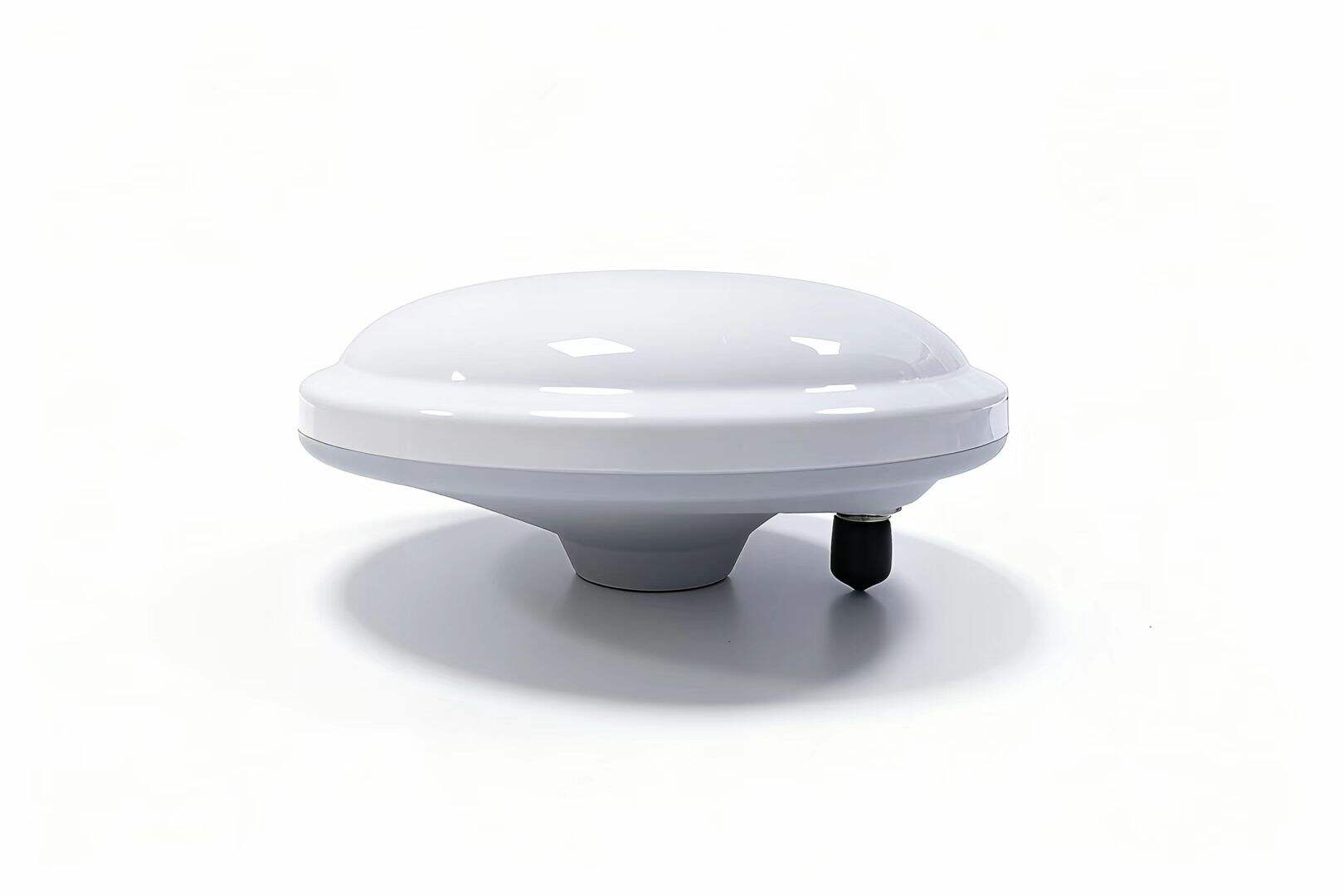
Modern navigation systems demand exceptional accuracy and reliability, making the selection of an optimal gps navigation antenna crucial for successful implementation. Performance testing of high-gain GPS antennas has become increasingly important as industries rely on precise positioning data for critical applications. This comprehensive evaluation examines the fundamental characteristics that define superior antenna performance in challenging operational environments.
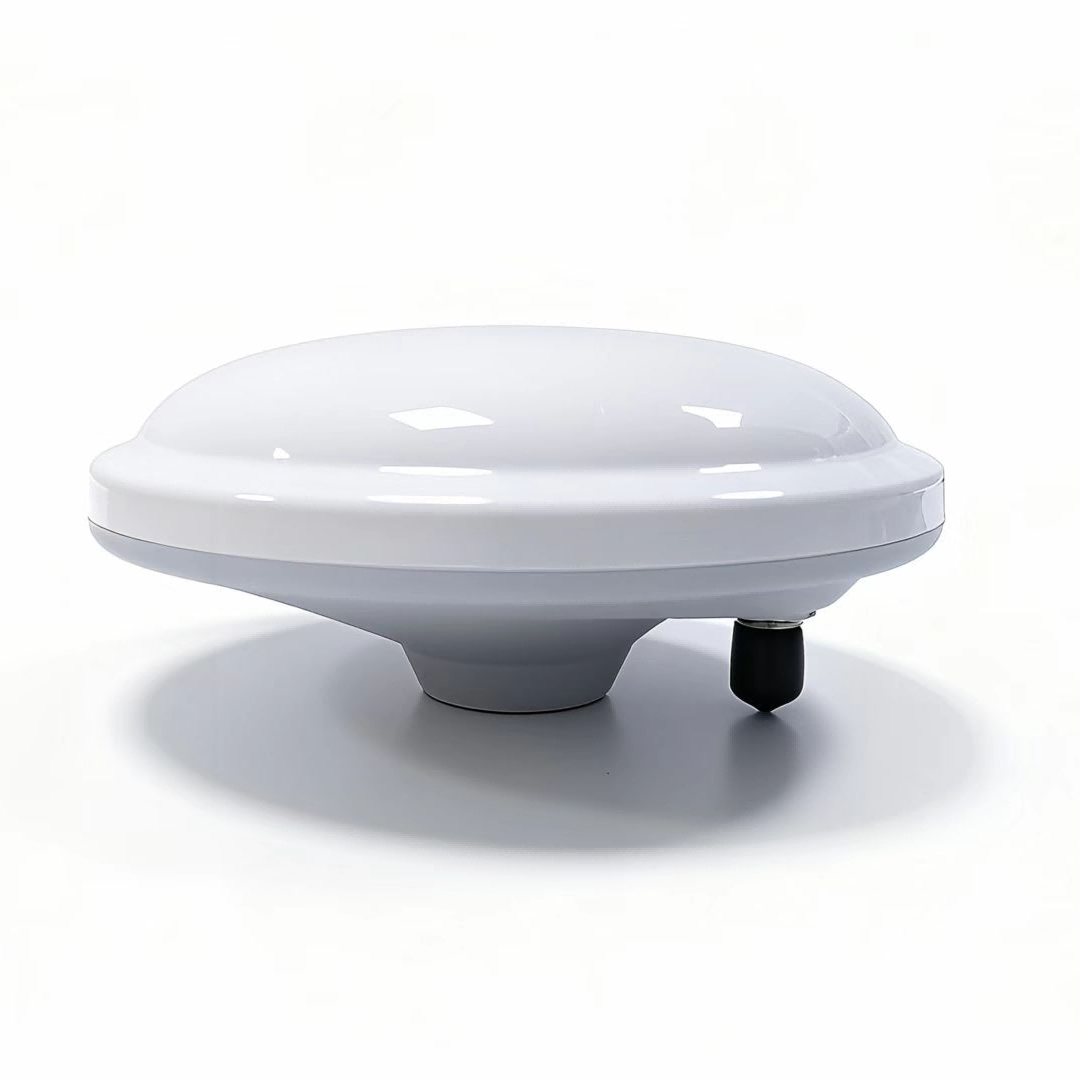
The effectiveness of any gps navigation antenna depends on multiple technical parameters that directly influence signal reception quality and positioning accuracy. Signal strength measurement, multipath rejection capabilities, and frequency response characteristics form the foundation of comprehensive antenna evaluation protocols. Understanding these performance metrics enables engineers and system designers to make informed decisions when selecting antennas for specific applications.
Technical Specifications and Performance Metrics
Gain Characteristics and Signal Amplification
High-gain GPS antennas typically exhibit gain values ranging from 3 to 50 dB, depending on their design configuration and intended application. The gain measurement directly correlates with the antenna's ability to amplify weak satellite signals, particularly in challenging reception environments. Professional-grade gps navigation antenna systems often incorporate active amplification circuits that boost signal strength while maintaining acceptable noise figure ratios.
Signal amplification performance varies significantly across different frequency bands, with L1, L2, and L5 bands requiring specific optimization approaches. The gain pattern consistency across these frequencies determines the antenna's suitability for multi-constellation GNSS applications. Testing protocols must evaluate gain stability under various temperature conditions and aging effects to ensure long-term reliability.
Frequency Response and Bandwidth Analysis
Frequency response testing reveals critical information about antenna performance across the entire GPS spectrum. A well-designed gps navigation antenna maintains consistent response characteristics within the 1575.42 MHz L1 band while providing adequate rejection of out-of-band interference signals. The bandwidth specifications determine the antenna's ability to receive signals from multiple satellite constellations simultaneously.
Modern GNSS applications require antennas capable of processing signals from GPS, GLONASS, Galileo, and BeiDou systems concurrently. The frequency response testing must verify proper operation across all relevant bands while maintaining phase coherence and amplitude stability. Deviation from ideal response curves can significantly impact positioning accuracy and system reliability.
Environmental Performance Testing
Temperature Stability and Thermal Cycling
Environmental testing protocols for gps navigation antenna systems must address performance variations across extreme temperature ranges typically encountered in field applications. Temperature coefficients affect both gain stability and frequency response, requiring careful characterization across operating temperature ranges from -40°C to +85°C. Thermal cycling tests reveal potential mechanical stress points and electronic component degradation patterns.
Phase noise characteristics often exhibit temperature-dependent variations that can impact carrier phase measurements in precision applications. The testing methodology must include extended temperature soak periods to identify thermal equilibrium effects on antenna performance. Documentation of these characteristics enables proper compensation algorithms in high-precision positioning systems.
Humidity and Moisture Resistance
Moisture ingress represents a significant threat to gps navigation antenna performance, particularly in marine and outdoor applications. Humidity testing protocols evaluate both short-term condensation effects and long-term moisture absorption impacts on dielectric properties. The antenna's enclosure design plays a crucial role in maintaining consistent performance under high humidity conditions.
Corrosion resistance testing addresses the long-term reliability of metallic antenna elements exposed to moisture and environmental contaminants. Salt spray testing simulates harsh marine environments where antenna systems must maintain performance despite exposure to corrosive atmospheres. These evaluations are essential for applications requiring multi-year operational lifespans without maintenance.
Signal Quality and Accuracy Assessment
Multipath Rejection Capabilities
Multipath interference represents one of the most significant challenges for precise GPS positioning, making multipath rejection a critical performance parameter for any gps navigation antenna. Testing protocols must evaluate the antenna's ability to minimize reflected signal reception while maintaining sensitivity to direct satellite transmissions. Advanced antenna designs incorporate choke ring structures and specialized ground planes to enhance multipath rejection.
The effectiveness of multipath mitigation techniques varies depending on the reflection environment and signal incident angles. Controlled testing environments utilize artificial reflectors to simulate various multipath scenarios, allowing quantitative assessment of rejection performance. The correlation between multipath rejection capabilities and positioning accuracy provides valuable insights for application-specific antenna selection.
Carrier-to-Noise Ratio Optimization
Carrier-to-noise ratio measurements provide fundamental insights into gps navigation antenna performance under various signal conditions. High-quality antennas maintain superior C/N0 ratios even with weak satellite signals, enabling reliable operation in challenging environments such as urban canyons or foliage-covered areas. The testing methodology must account for both thermal noise contributions and external interference sources.
Dynamic range testing evaluates antenna performance across the full spectrum of expected signal levels, from strong open-sky conditions to weak indoor reception scenarios. The linearity of the antenna system prevents signal distortion and maintains measurement accuracy across this entire range. Non-linear behavior can introduce positioning errors that compromise system performance in critical applications.
Installation and Integration Considerations
Ground Plane Requirements and Effects
Ground plane configuration significantly influences gps navigation antenna performance, affecting both gain patterns and multipath rejection capabilities. Testing protocols must evaluate antenna behavior with various ground plane sizes, materials, and configurations to establish optimal installation guidelines. The ground plane serves as a reflector that shapes the antenna's radiation pattern and enhances signal reception from overhead satellites.
Finite ground plane effects become particularly important in mobile applications where size constraints limit the available mounting area. The relationship between ground plane dimensions and antenna performance determines minimum installation requirements for achieving specified accuracy levels. Edge effects and ground plane resonances can create performance variations that must be characterized during testing.
Electromagnetic Interference Susceptibility
Electromagnetic interference testing evaluates gps navigation antenna susceptibility to various sources of RF interference commonly encountered in operational environments. Cellular communications, Wi-Fi networks, and other wireless systems can generate interference that degrades GPS signal reception quality. The antenna's filtering capabilities and shielding effectiveness determine its ability to operate reliably in electromagnetically noisy environments.
Out-of-band rejection characteristics must be thoroughly tested to ensure compliance with regulatory requirements and operational compatibility. Strong nearby transmitters can overload antenna front-end circuitry, creating intermodulation products that interfere with GPS signal processing. Comprehensive EMI testing identifies potential interference sources and validates mitigation strategies.
Advanced Testing Methodologies
Automated Test Equipment Integration
Modern gps navigation antenna testing relies heavily on automated test equipment that provides repeatable, accurate measurements across comprehensive parameter sets. Vector network analyzers, spectrum analyzers, and specialized GPS test equipment enable detailed characterization of antenna performance under controlled conditions. Automation reduces testing time while improving measurement consistency and data quality.
Calibration procedures for test equipment ensure measurement traceability and accuracy throughout the testing process. Reference antennas and known standards provide verification points that validate test system performance. The integration of environmental chambers with automated test equipment enables comprehensive performance mapping across temperature and humidity ranges.
Statistical Analysis and Quality Metrics
Statistical analysis of test data reveals performance trends and identifies potential quality issues that might not be apparent from individual measurements. Manufacturing variations require statistical sampling approaches to ensure representative performance characterization. The gps navigation antenna testing protocols must establish appropriate sample sizes and acceptance criteria based on statistical confidence levels.
Process capability studies help optimize manufacturing procedures and identify improvement opportunities. Control charts track key performance parameters over time, enabling early detection of process drift or component degradation. These quality metrics support continuous improvement initiatives and ensure consistent product performance.
Real-World Application Validation
Field Testing and Operational Verification
Laboratory testing provides essential baseline performance data, but field validation confirms gps navigation antenna behavior under actual operating conditions. Field testing exposes antennas to real-world interference sources, multipath environments, and atmospheric effects that cannot be fully replicated in laboratory settings. The correlation between laboratory and field performance validates testing methodologies and identifies areas requiring improved characterization.
Long-term field trials assess antenna reliability and performance stability over extended operational periods. Environmental stress factors, mechanical vibration, and component aging effects become apparent through extended field exposure. These trials provide valuable data for refining design specifications and establishing realistic performance expectations.
Comparative Performance Analysis
Comparative testing against established reference antennas provides context for performance evaluation and helps identify competitive advantages or limitations. Standardized test procedures enable meaningful comparisons between different gps navigation antenna designs and manufacturers. The testing methodology must account for inherent variations in antenna characteristics while maintaining objectivity in performance assessment.
Benchmarking studies examine antenna performance across various application scenarios, from precision surveying to consumer navigation systems. The performance requirements vary significantly between applications, requiring tailored evaluation approaches that address specific operational needs. These studies help match antenna capabilities with application requirements for optimal system performance.
FAQ
What factors determine the accuracy of GPS positioning with different antennas
GPS positioning accuracy depends primarily on signal quality received by the gps navigation antenna, including carrier-to-noise ratio, multipath rejection capabilities, and phase stability. Environmental factors such as atmospheric conditions, satellite geometry, and local interference sources also significantly impact accuracy. High-quality antennas with superior multipath rejection and stable phase characteristics typically achieve better positioning accuracy, especially in challenging environments with reflective surfaces or partial sky visibility.
How does antenna gain affect GPS receiver performance in weak signal conditions
Higher antenna gain improves GPS receiver sensitivity in weak signal conditions by amplifying incoming satellite signals before they reach the receiver's front-end circuitry. A gps navigation antenna with increased gain can maintain signal lock in environments where lower-gain antennas might lose tracking, such as indoor locations or areas with significant atmospheric attenuation. However, excessive gain can also amplify noise and interference, so optimal gain selection requires balancing sensitivity improvements with noise figure considerations.
What testing procedures validate antenna performance for aviation applications
Aviation-grade GPS antennas require extensive testing including environmental qualification across extreme temperature ranges, vibration resistance testing, and electromagnetic compatibility verification. The gps navigation antenna must demonstrate consistent performance during aircraft maneuvers, altitude changes, and exposure to aviation-specific interference sources. Certification testing follows strict regulatory standards such as DO-160 and includes lightning protection verification, radio frequency interference testing, and long-term reliability assessment under flight conditions.
How do manufacturing variations affect antenna performance consistency
Manufacturing variations in component tolerances, assembly procedures, and material properties can significantly impact gps navigation antenna performance consistency between individual units. Statistical process control during manufacturing helps minimize these variations through careful monitoring of critical parameters such as frequency response, gain levels, and impedance matching. Quality assurance testing of representative samples from each production batch ensures that performance variations remain within acceptable limits for the intended application requirements.
Table of Contents
- Technical Specifications and Performance Metrics
- Environmental Performance Testing
- Signal Quality and Accuracy Assessment
- Installation and Integration Considerations
- Advanced Testing Methodologies
- Real-World Application Validation
-
FAQ
- What factors determine the accuracy of GPS positioning with different antennas
- How does antenna gain affect GPS receiver performance in weak signal conditions
- What testing procedures validate antenna performance for aviation applications
- How do manufacturing variations affect antenna performance consistency